- Specimens recorded
- 318 (2000–2025)
- Years on record
- 2000–2024
- Top venue by specimens
- Lough Currane
- Current specimen threshold
- 2.72kg (6lb 0oz)
- Irish record
- 7.48kg (16lb 8oz)
Sea Trout in Ireland
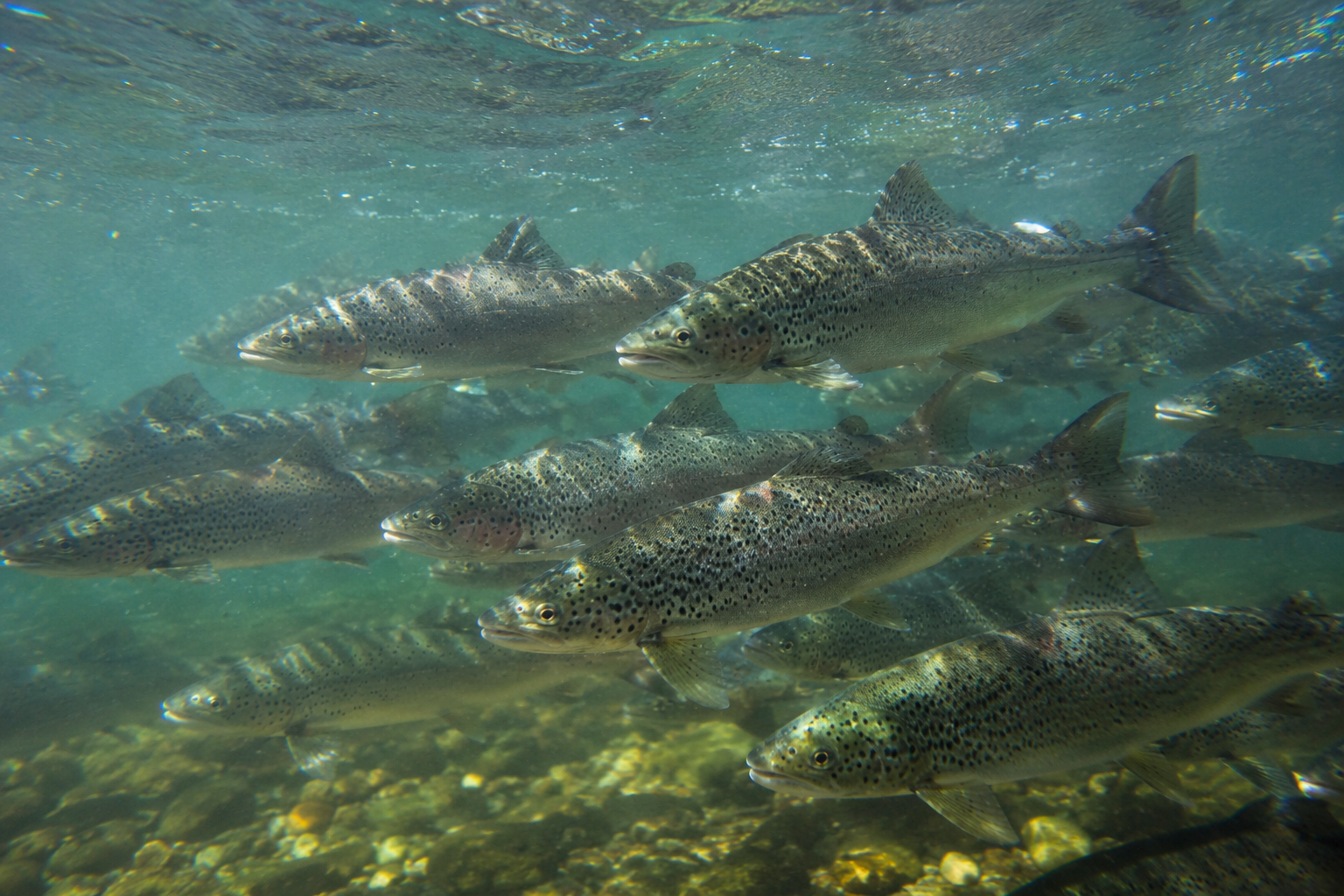
Sea Trout (the migratory form of Salmo trutta) run Irish rivers and estuaries from spring through summer, sharing the same tagging and licence regime as salmon despite being a distinct life-history strategy of the same species as brown trout. A big sea trout — bright silver, powerful, and prone to spectacular runs — is one of the most exciting fish an angler can hook on light tackle after dark.
Sea trout fishing in Ireland is overwhelmingly concentrated on a small number of exceptional waters, and the ISFC record reflects this dramatically: one lake alone accounts for the great majority of all Irish sea trout specimens recorded since 2000.
Much serious sea trout fishing happens after dark, when big fish move into shallower water to feed — a very different discipline from daytime brown trout fishing on the same waters.
When Sea Trout Fish in Ireland
May and June dominate the ISFC specimen record, with April also contributing strongly — the classic early-to-mid summer sea trout run into Irish lakes and rivers, tailing off through the second half of the season.
Based on ISFC specimen records — reflects where anglers fish and submit claims, not necessarily where the species is most abundant.
Where Sea Trout Fish Best
Venue rankings below come from ratified specimen submissions, not scientific stock surveys — popular, well-fished venues will always show more specimens than remote or lightly-fished ones holding the same fish.
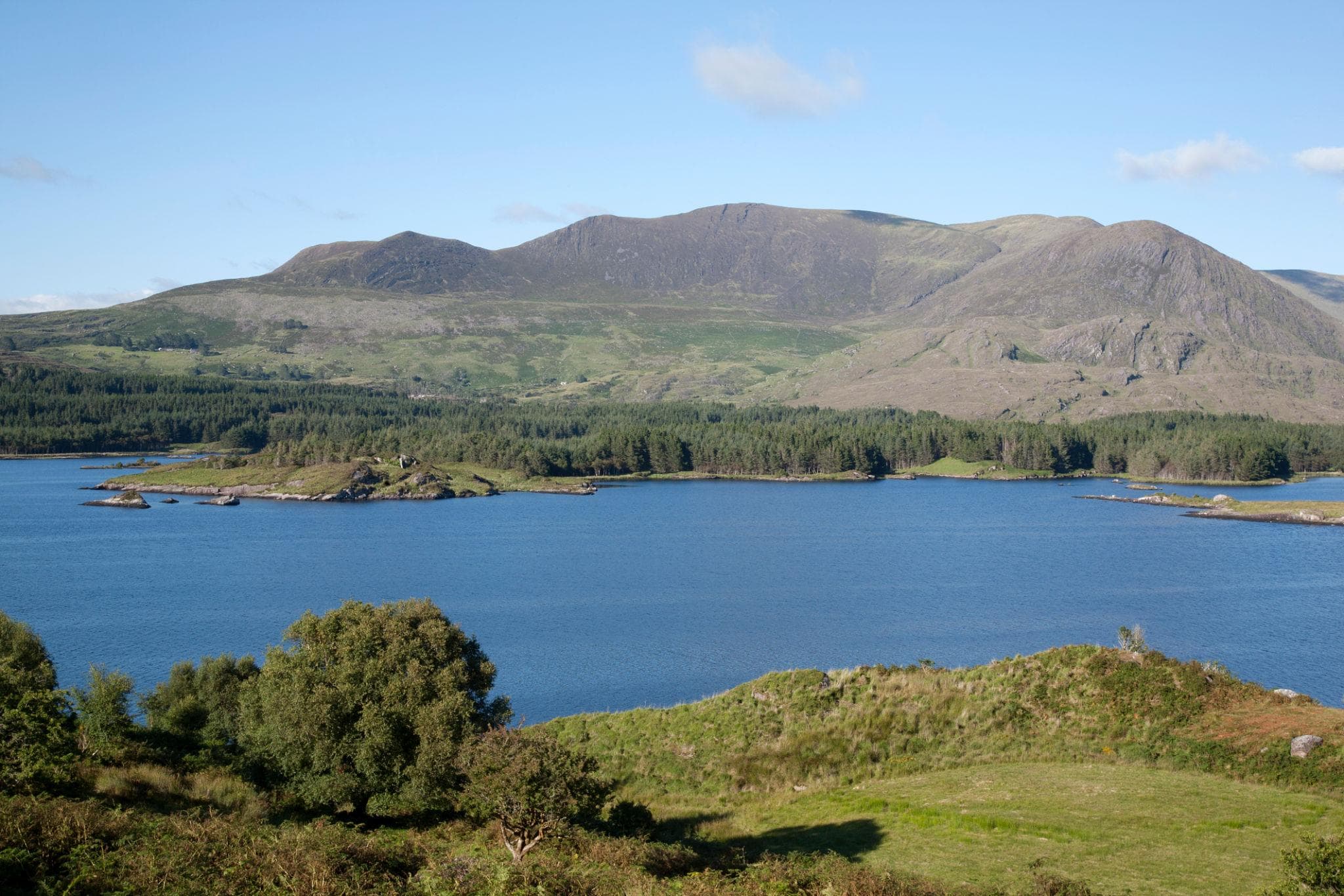
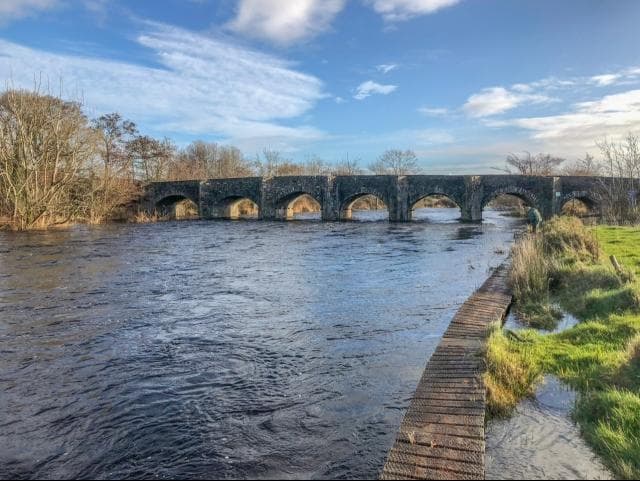
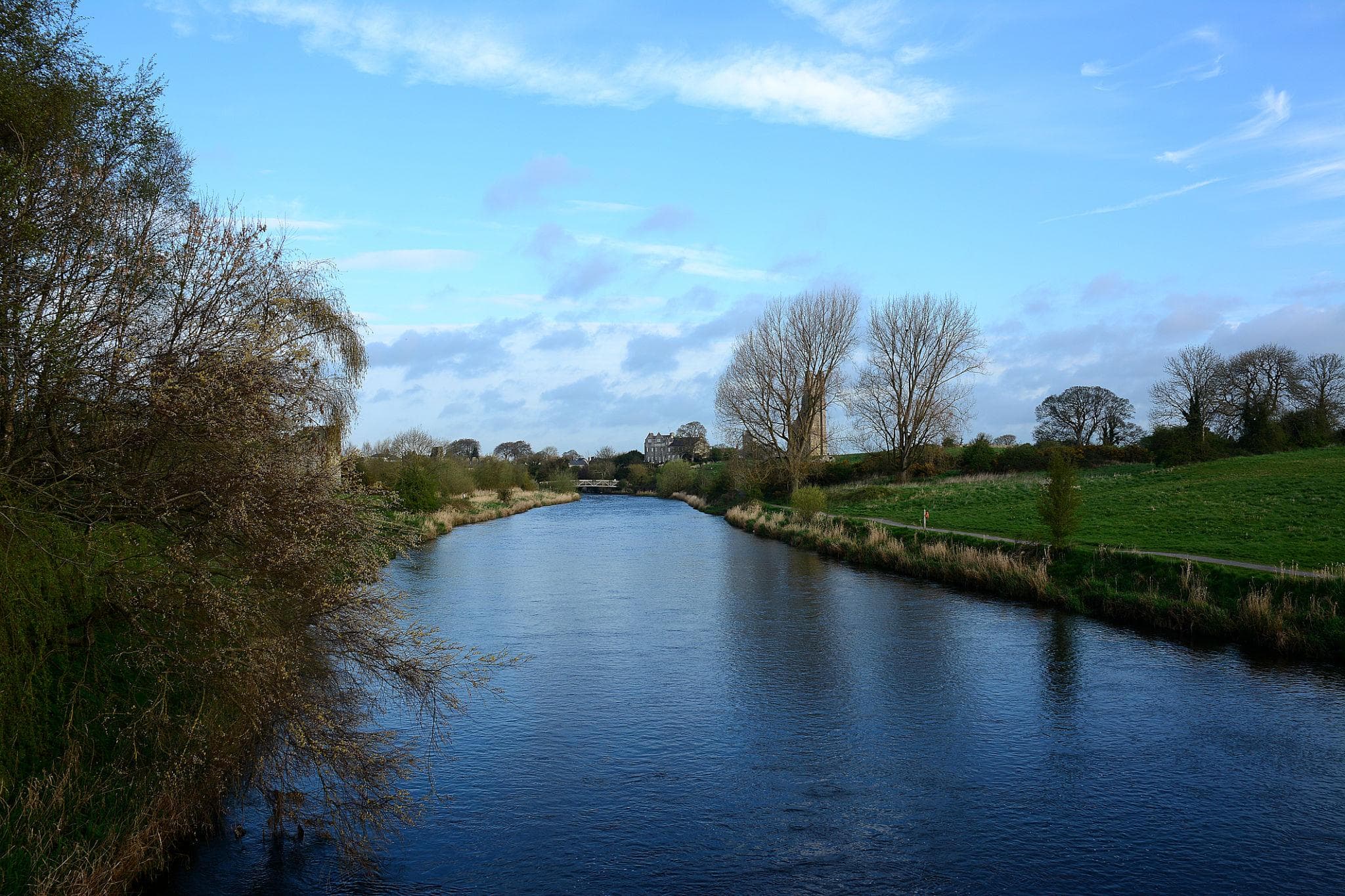
Lough Currane in south Kerry is, by an enormous margin, Ireland's leading sea trout specimen water — it alone accounts for the vast majority of all ISFC sea trout records nationally. The Cummeragh River (which feeds Lough Currane), the River Drowes, and a handful of smaller Kerry lakes make up most of the rest.
See every fishing.ie venue for sea trout — ISFC-ranked or not — in the full directory below.
Size and Specimens
A genuinely specimen-class sea trout is a serious fish — well above what most anglers land in a season even on prolific waters. The gap between the current threshold and the Irish record reflects just how exceptional the very biggest sea trout are.
Based on ISFC specimen and threshold records — reflects where anglers fish and submit claims, not necessarily where the species is most abundant.
How to Catch Sea Trout
Much of the best sea trout fishing happens after dark in summer, when big fish move onto shallower feeding grounds — wet flies fished on a floating or intermediate line, often worked slow and static, take fish that ignore the same water by day.
Daytime sea trout fishing works best in coloured water after rain, or early/late in low light, using similar tactics to brown trout but with tackle built for a stronger, more explosive fish.
Because sea trout share rivers and licence rules with salmon, tactics and permitted methods (fly, spinning, trolling, worm) follow the same water-specific regulations — check what's allowed on the specific beat.
Landing a big sea trout on light tackle after dark rewards patience with the net and a calm approach — many are lost in the final seconds through rushing the net.
Rules and Conservation
Salmon and sea trout are the most tightly regulated species in Irish angling. Every angler needs a State salmon licence — sold as an annual, 21-day, or 1-day licence — plus, in most cases, a local fishery permit for the specific water. Every fish retained must be tagged immediately with a numbered gill tag from the Wild Salmon and Sea Trout Tagging Scheme, and every catch (kept or released) must be logged in the licence logbook. Unused tags and completed logbooks must be returned to the issuing Fisheries district at the end of the season.
A national bag limit of 7 fish (salmon of any size, or sea trout over 40cm) applies per angler per season on rivers open for harvest. Within that limit, only 1 fish may be retained between 3 April and 31 May, rising to a daily limit of 3 fish between 1 June and 31 August. Fishing outside those windows, or once the season limit is reached, continues on a catch-and-release basis only, using single or double barbless hooks — worm fishing is not permitted under catch-and-release rules. Many rivers are catch-and-release only for their entire season due to conservation status; check the specific river's status before fishing.
A DAERA game rod licence is required, alongside any local fishery permit. Salmon and sea trout conservation limits and season dates are set per river system by DAERA and the Loughs Agency — check the specific water's current status before fishing.
Sea Trout Venues in Ireland
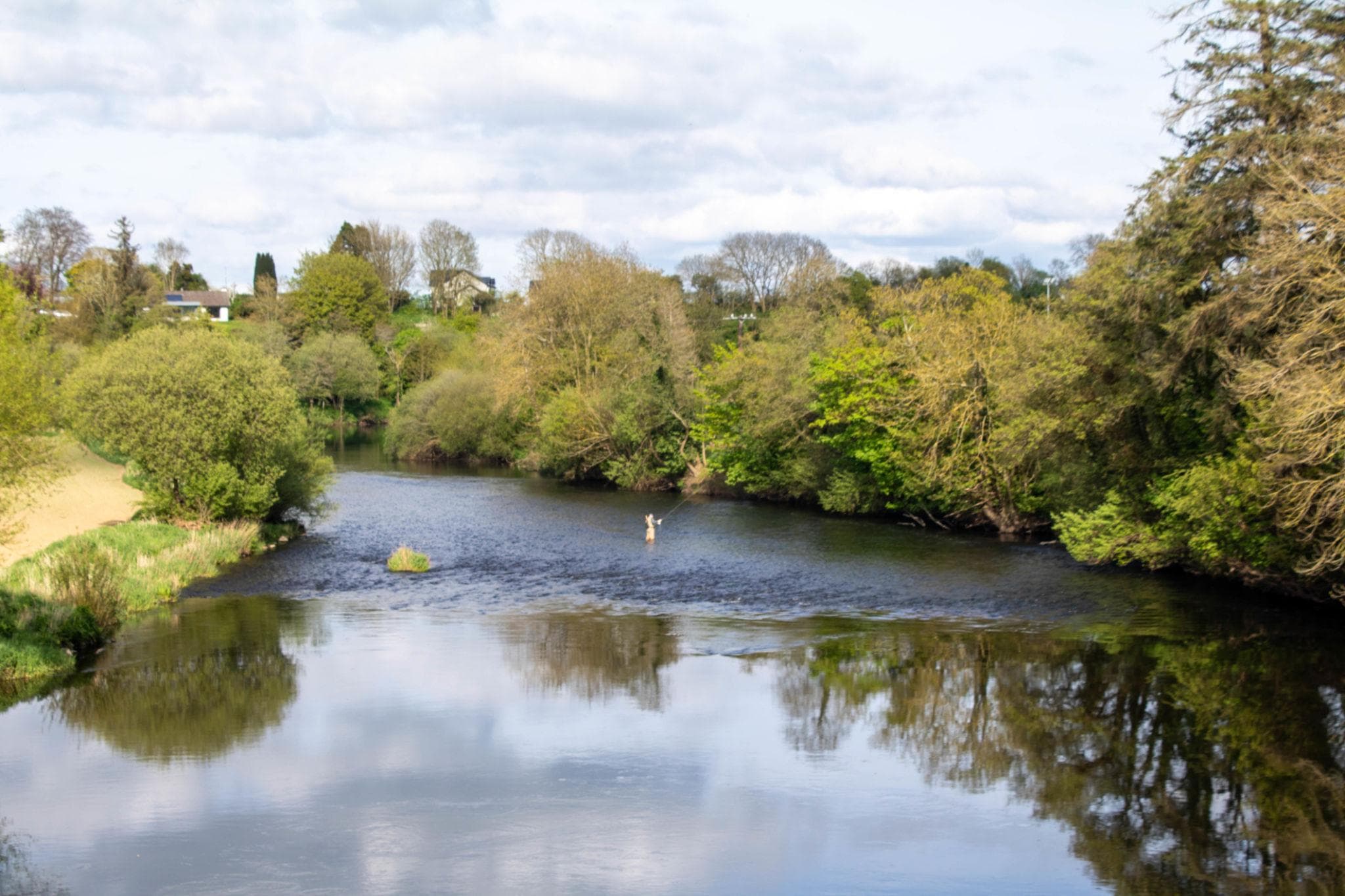
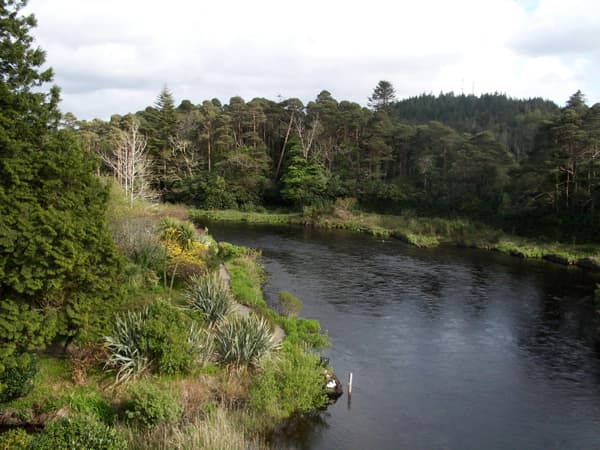
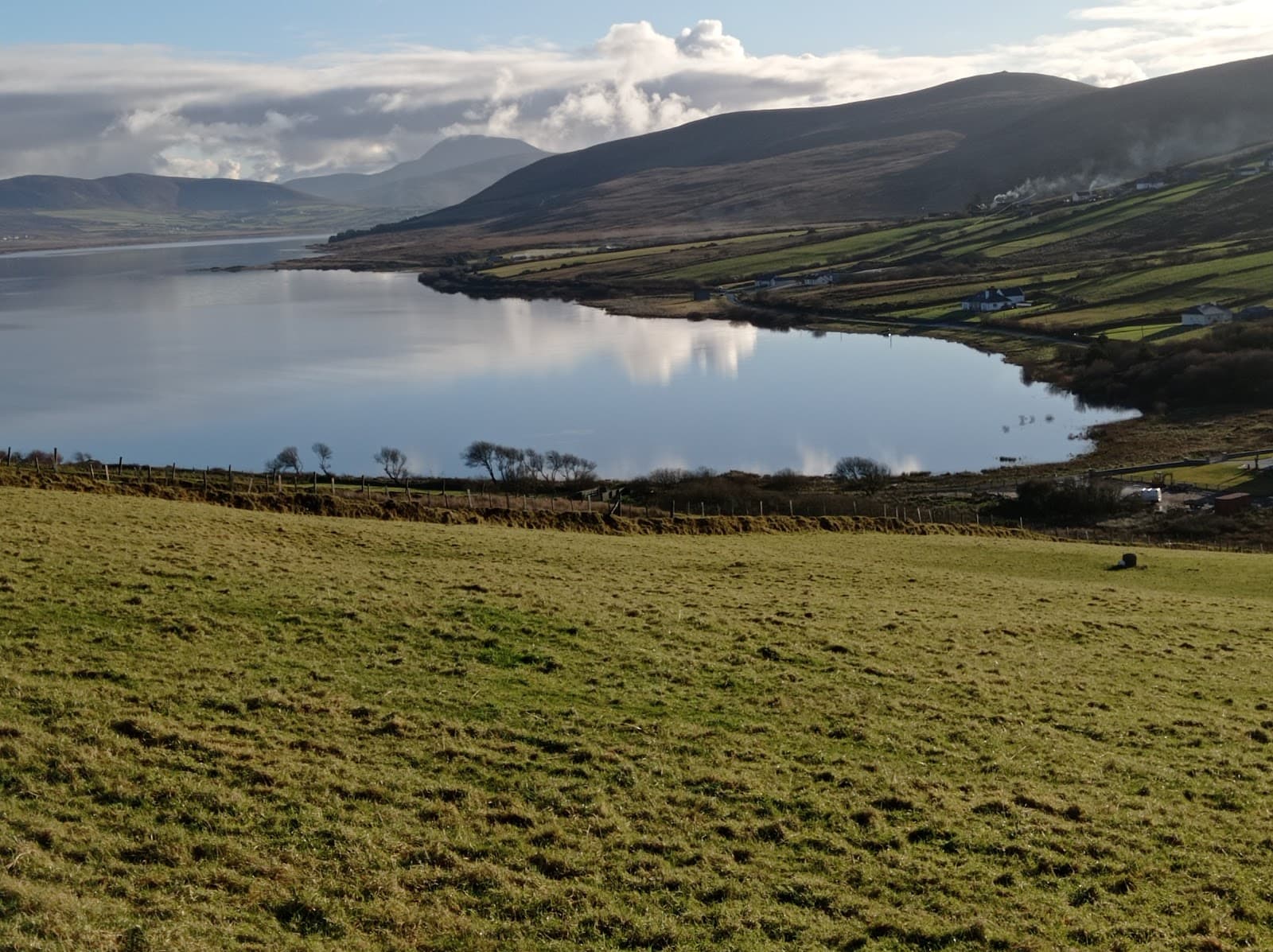
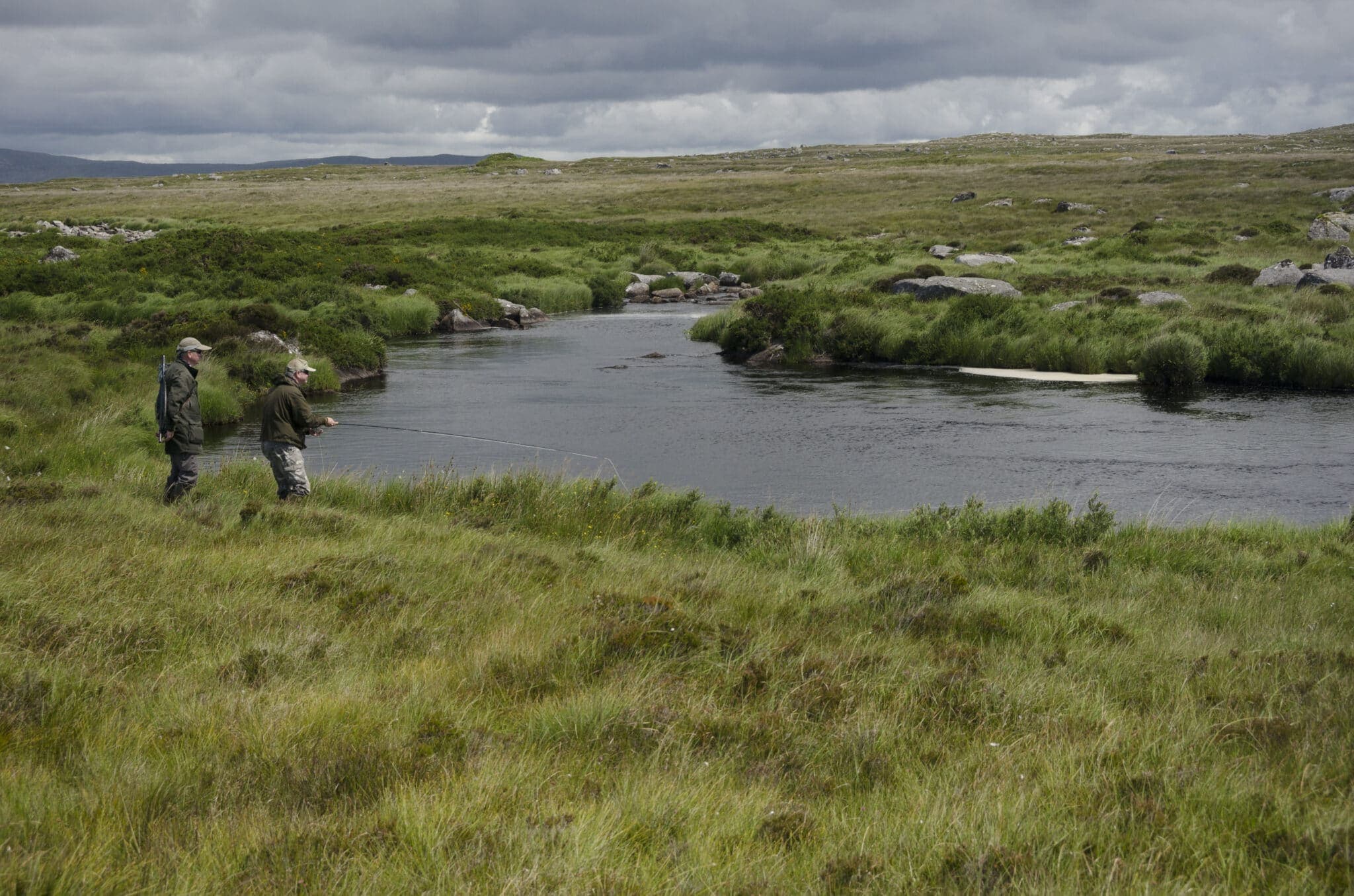
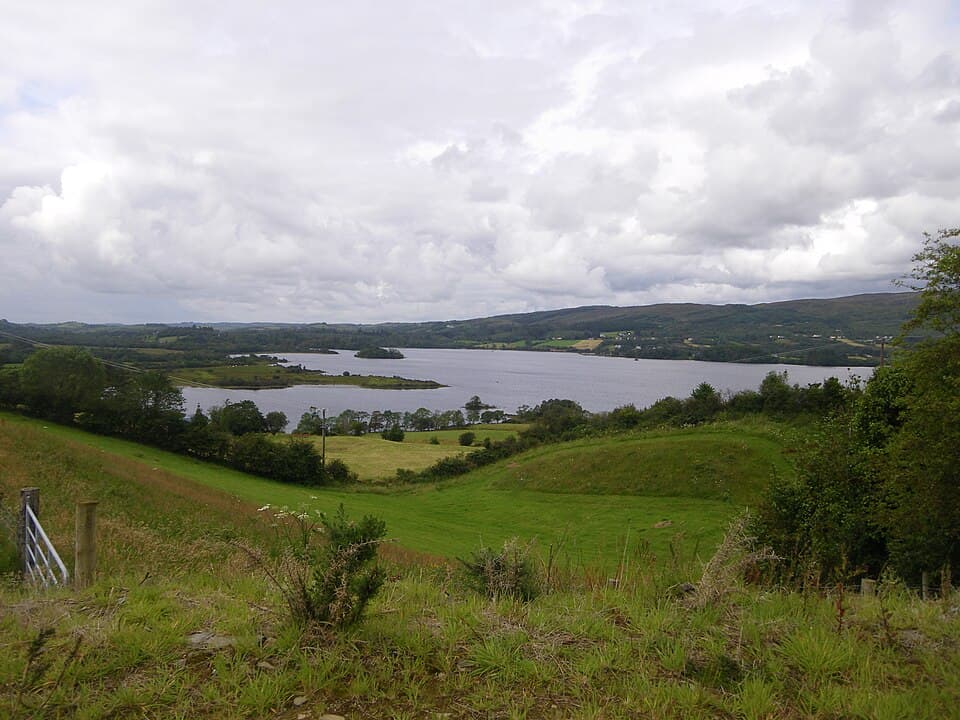
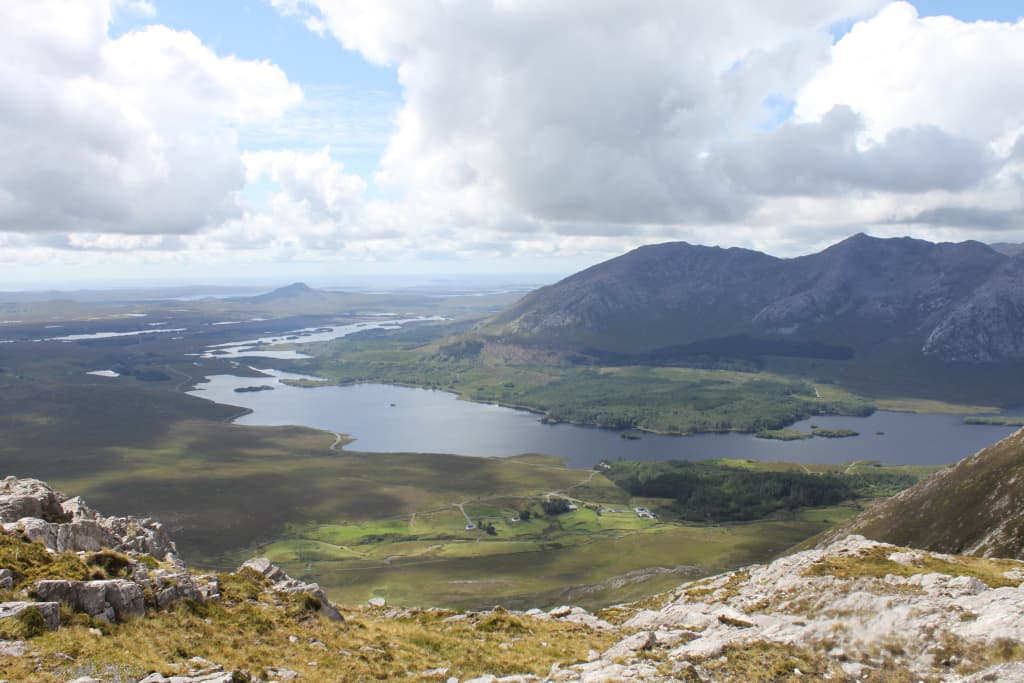
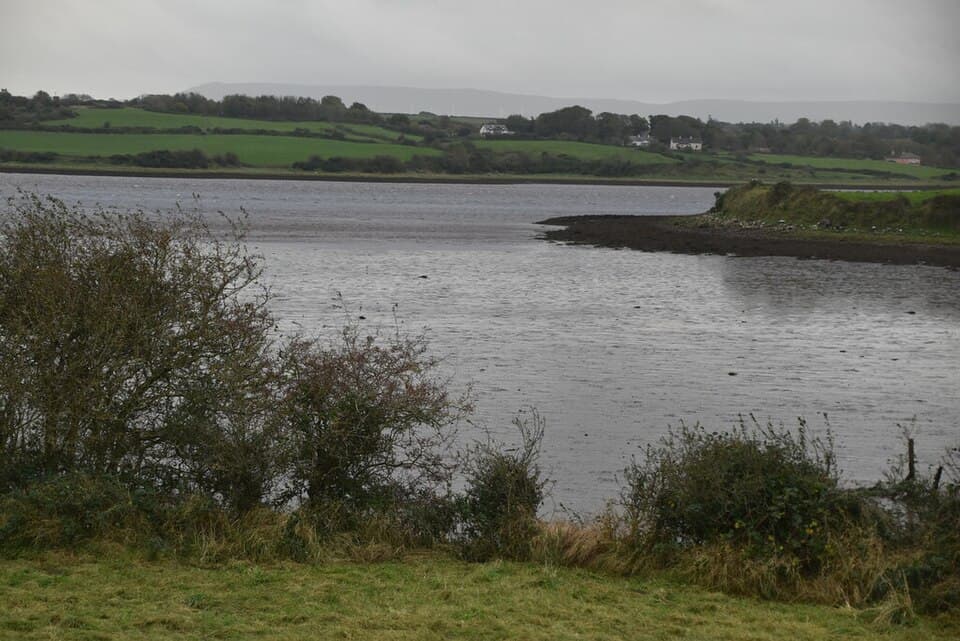
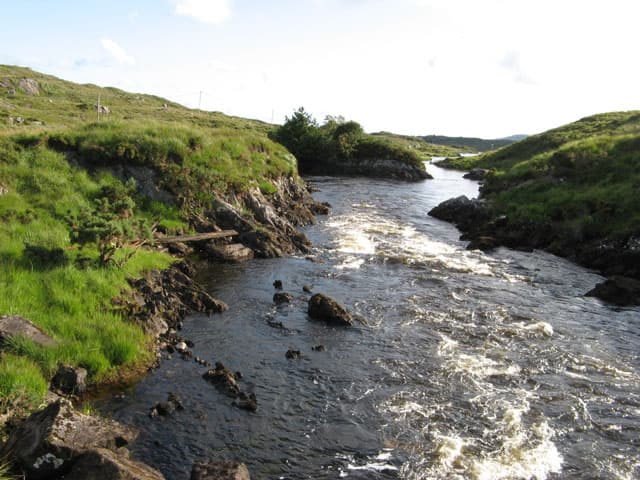
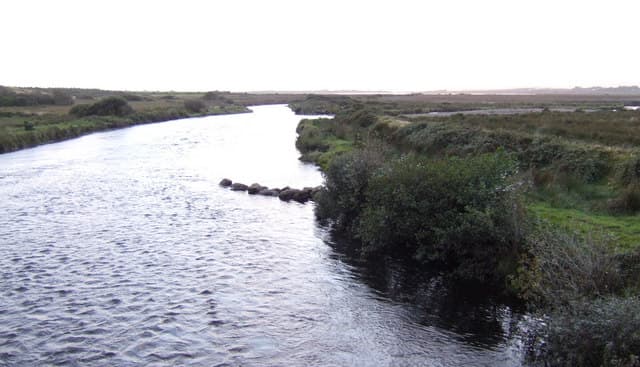
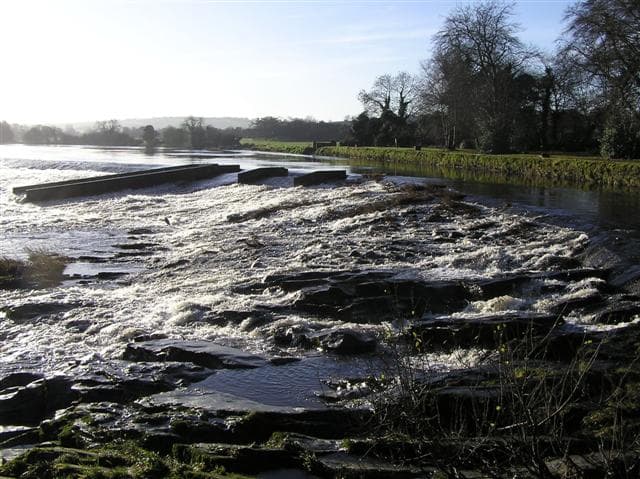
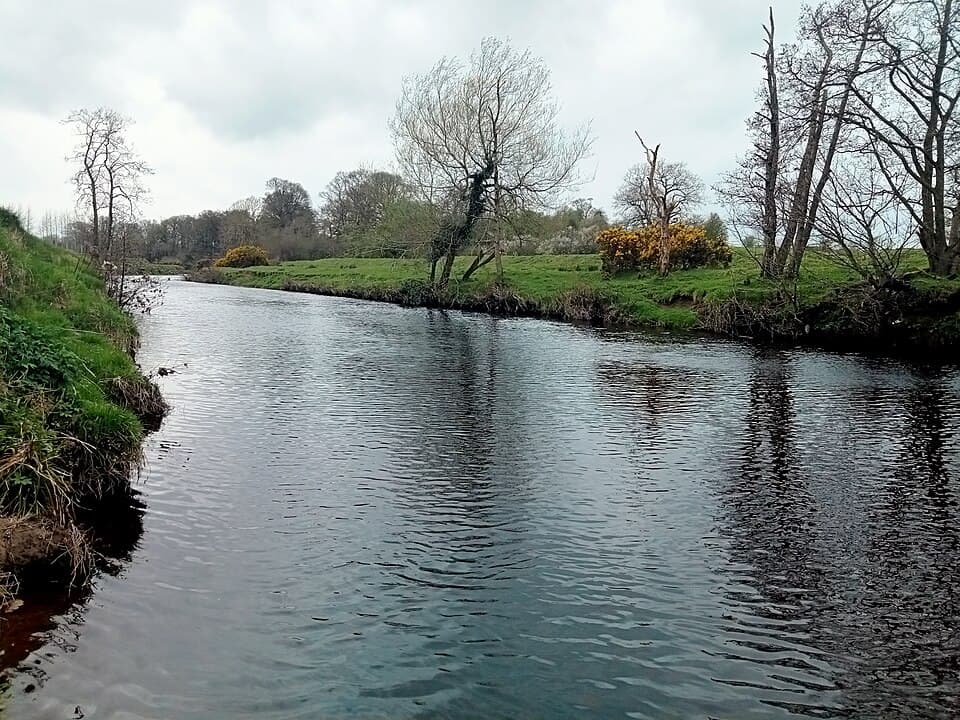
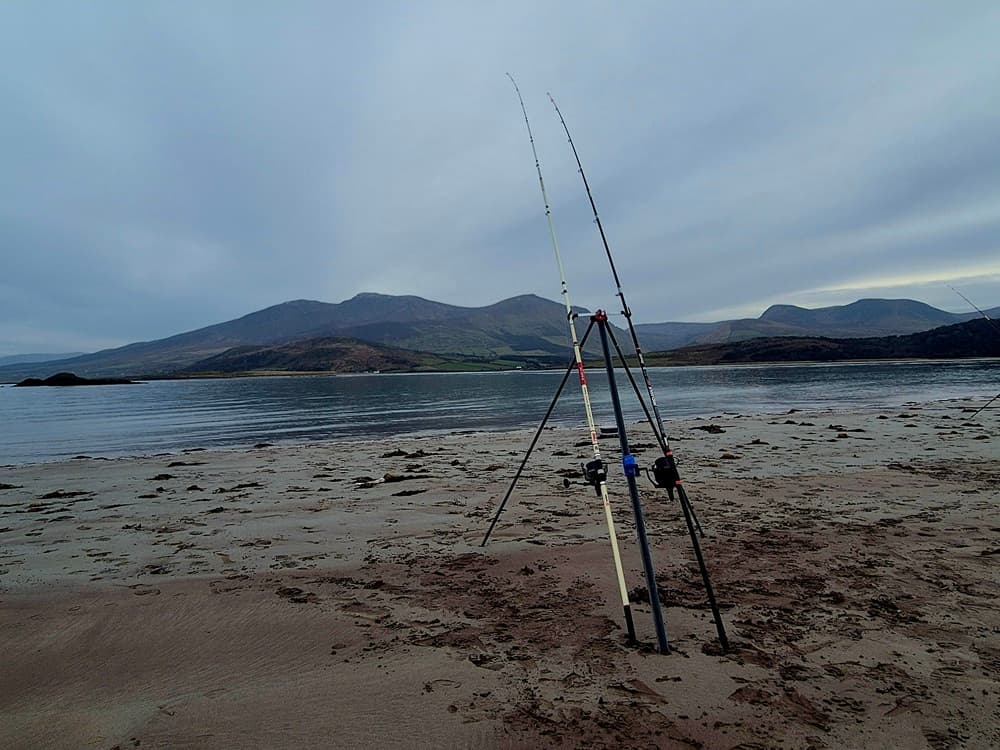
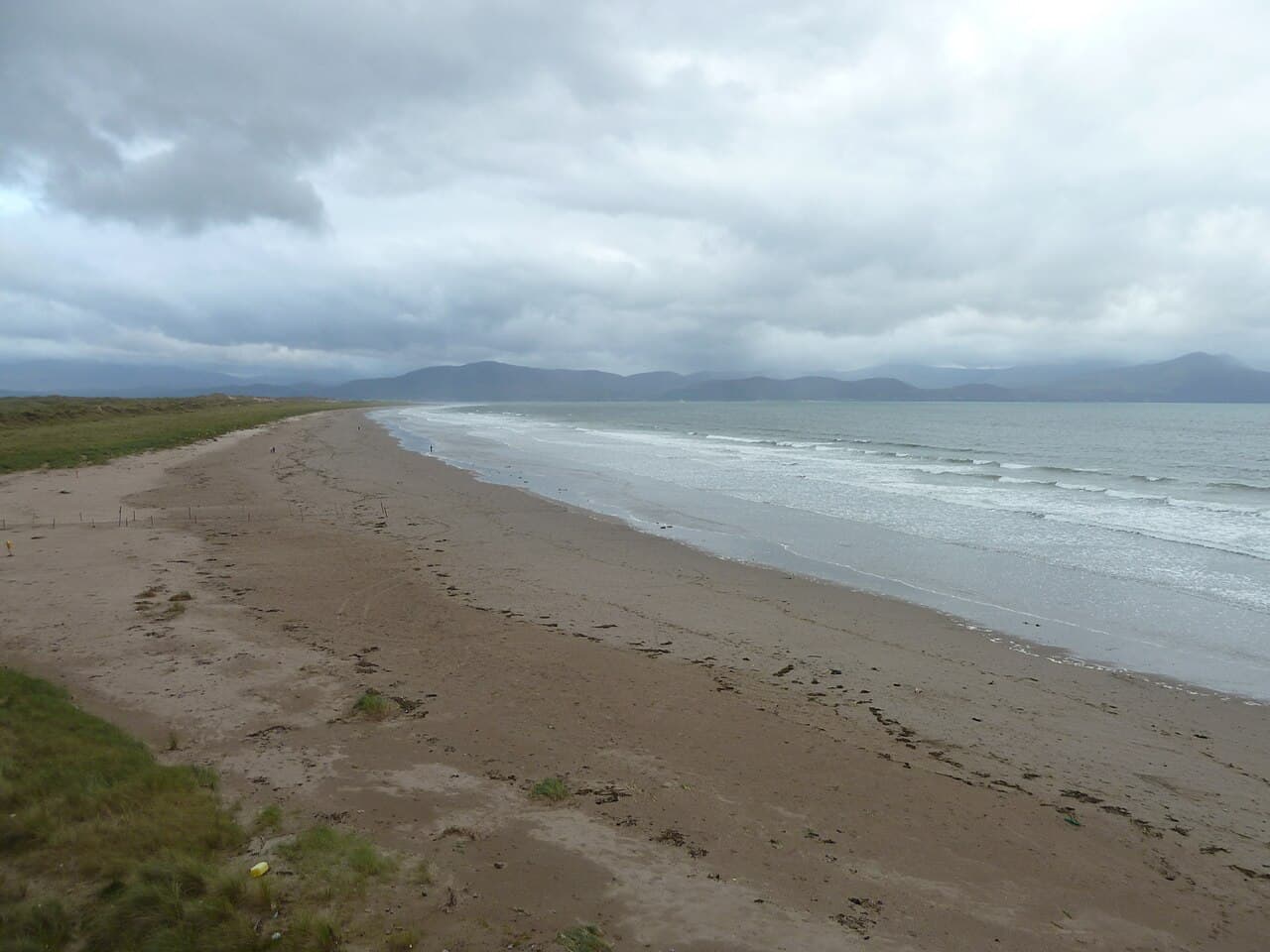
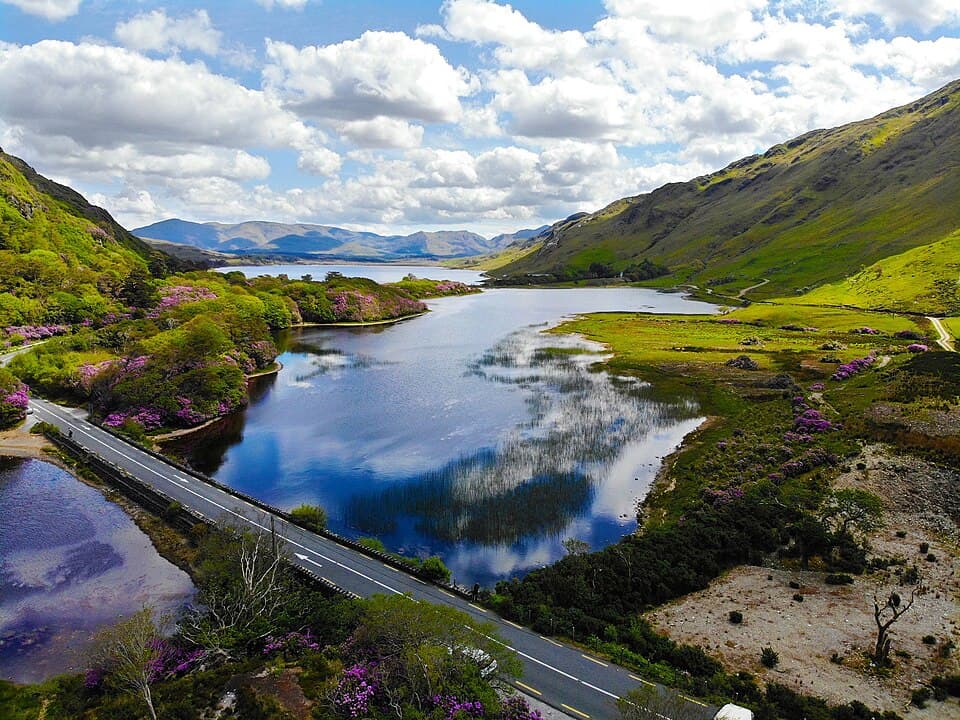
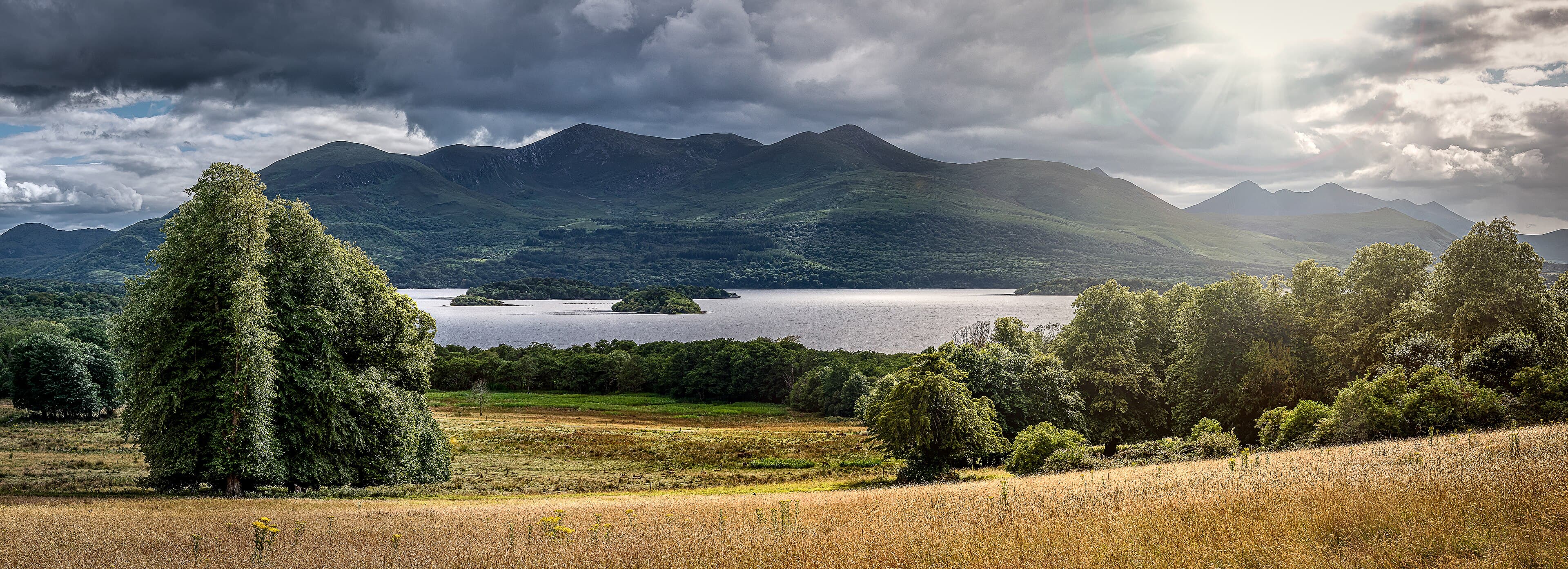
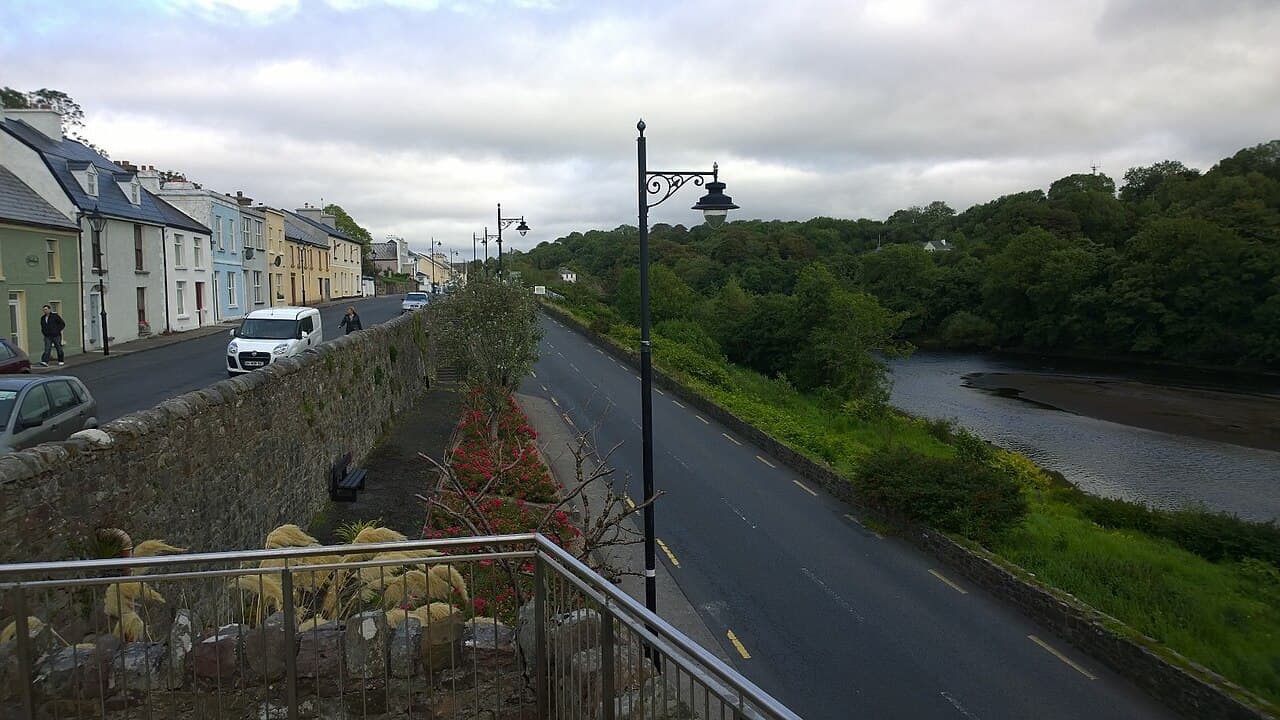
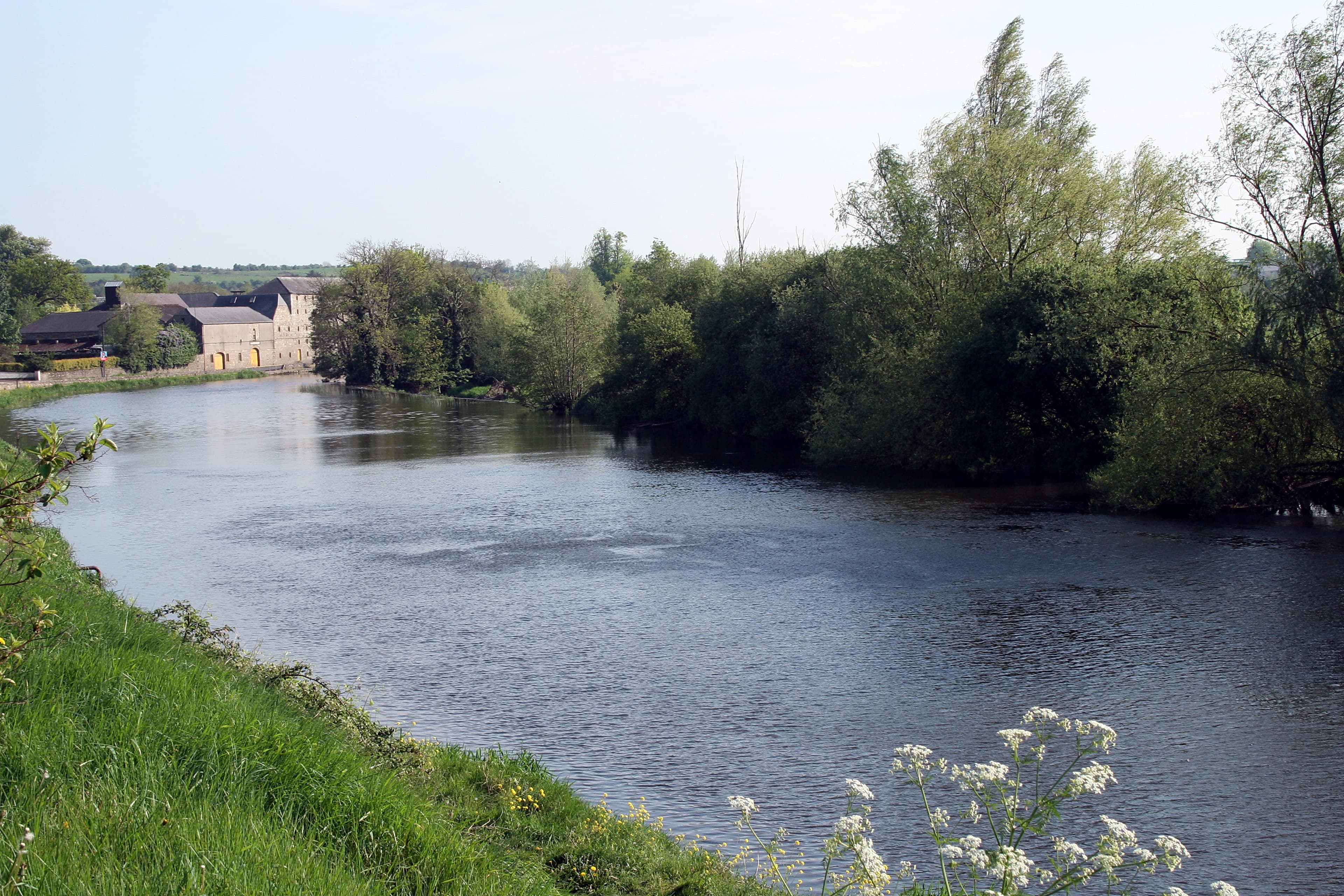
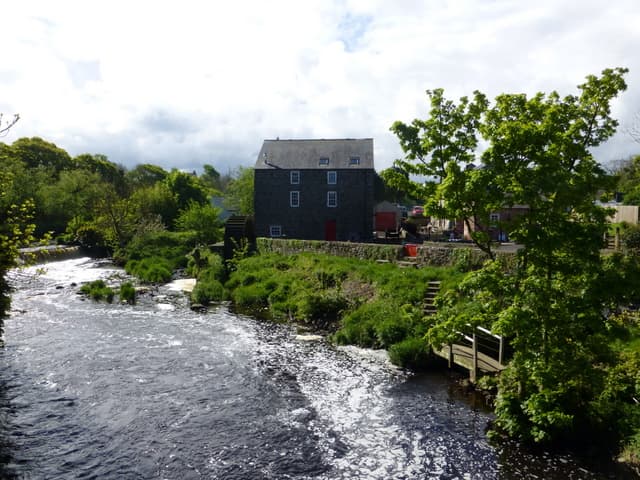
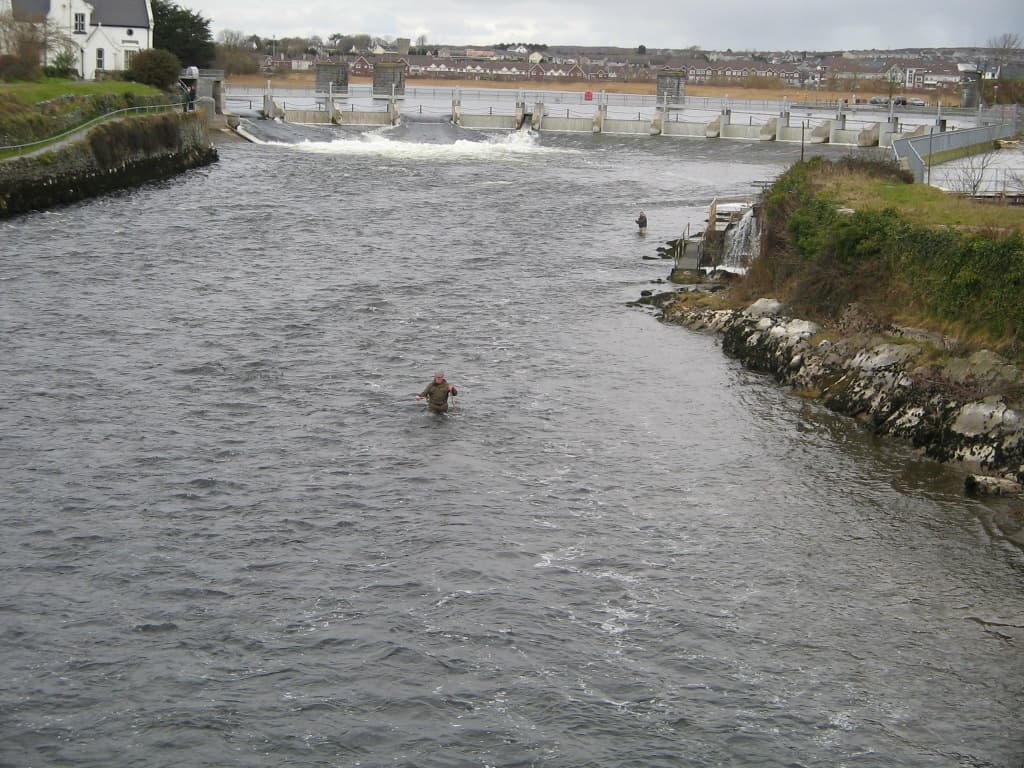
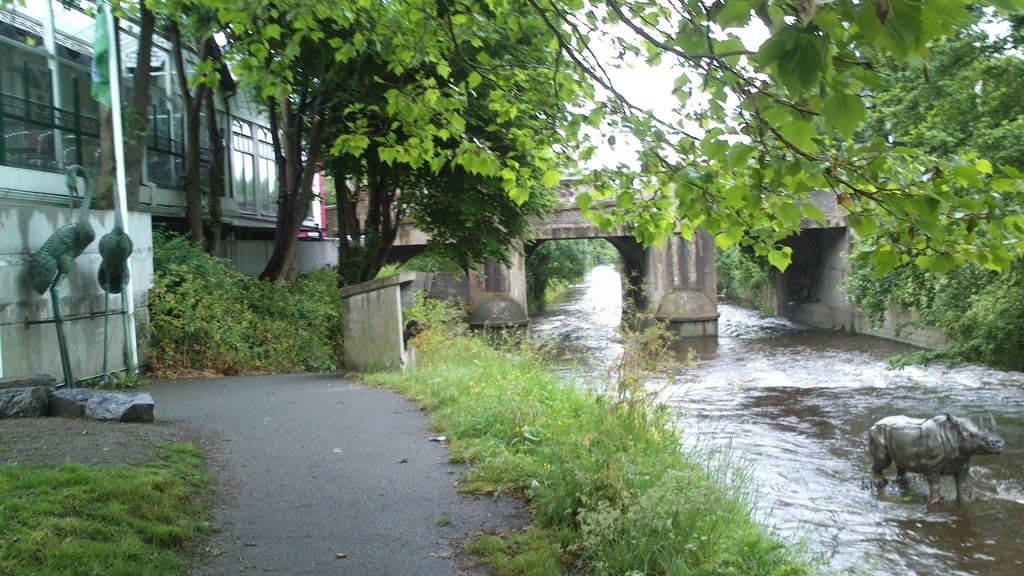
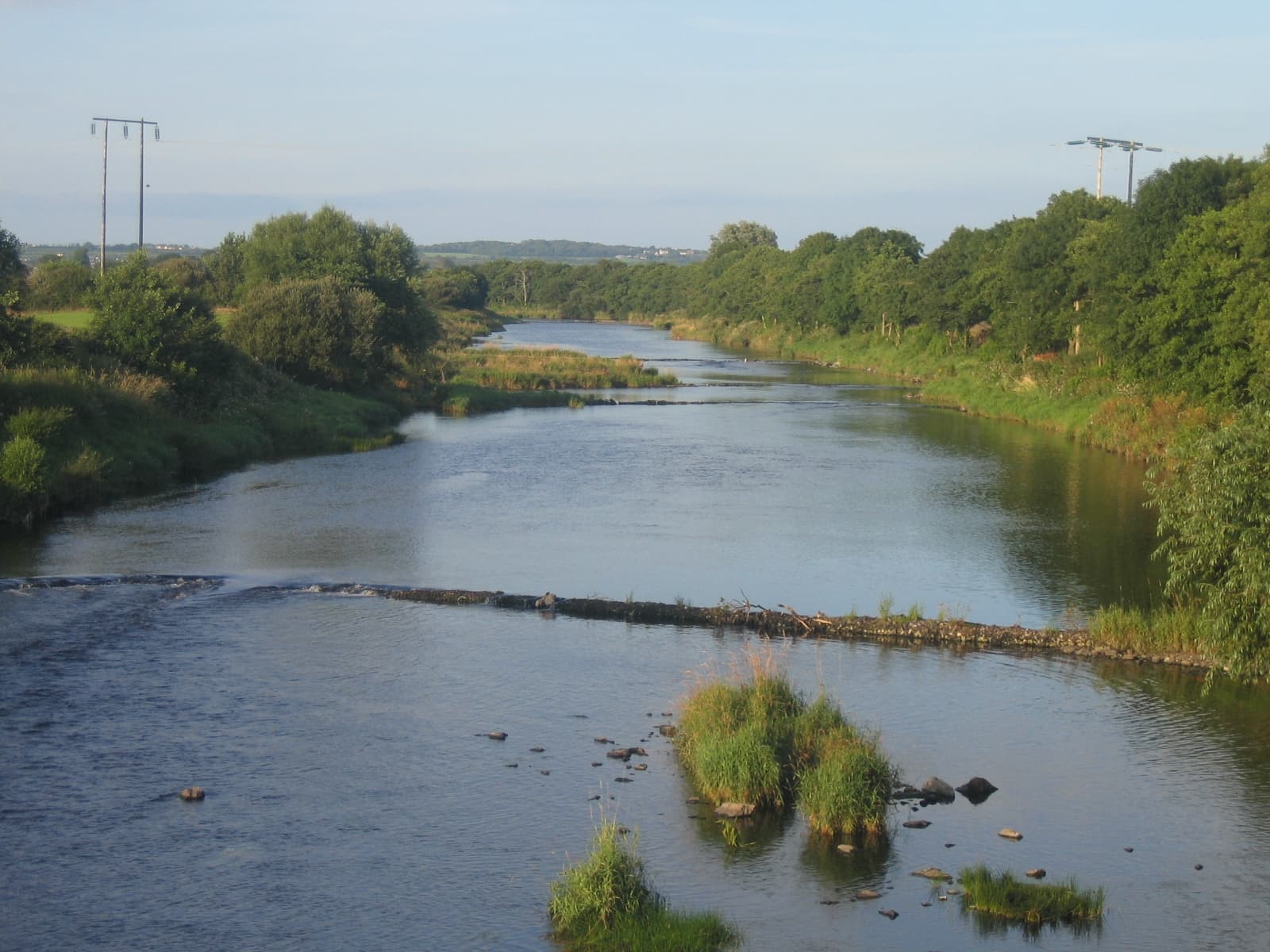
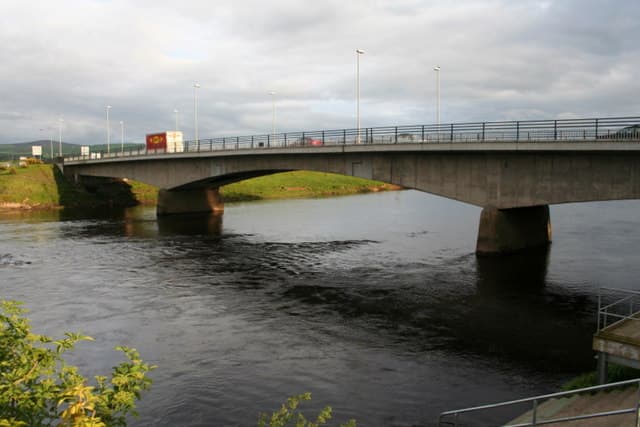
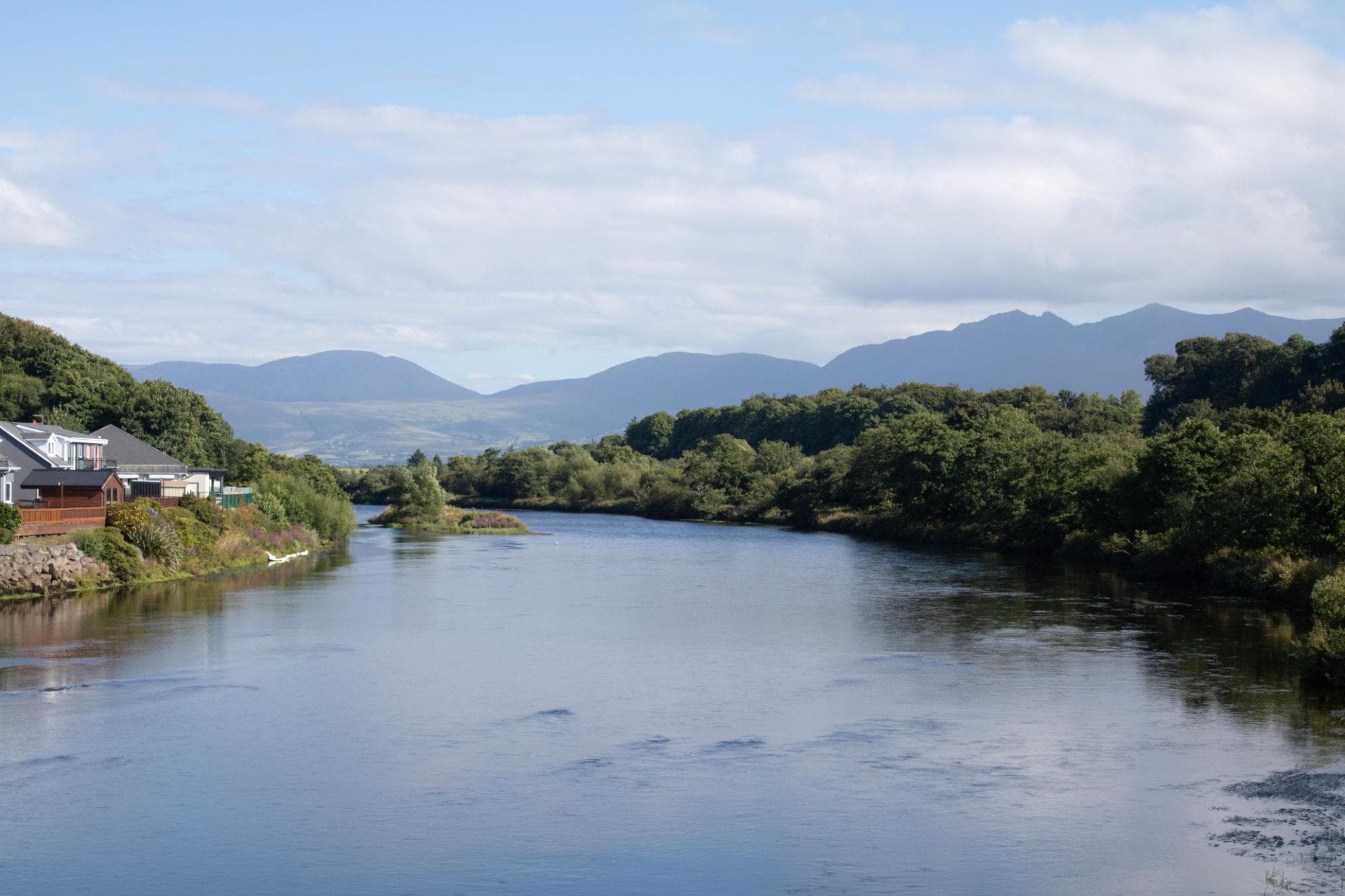
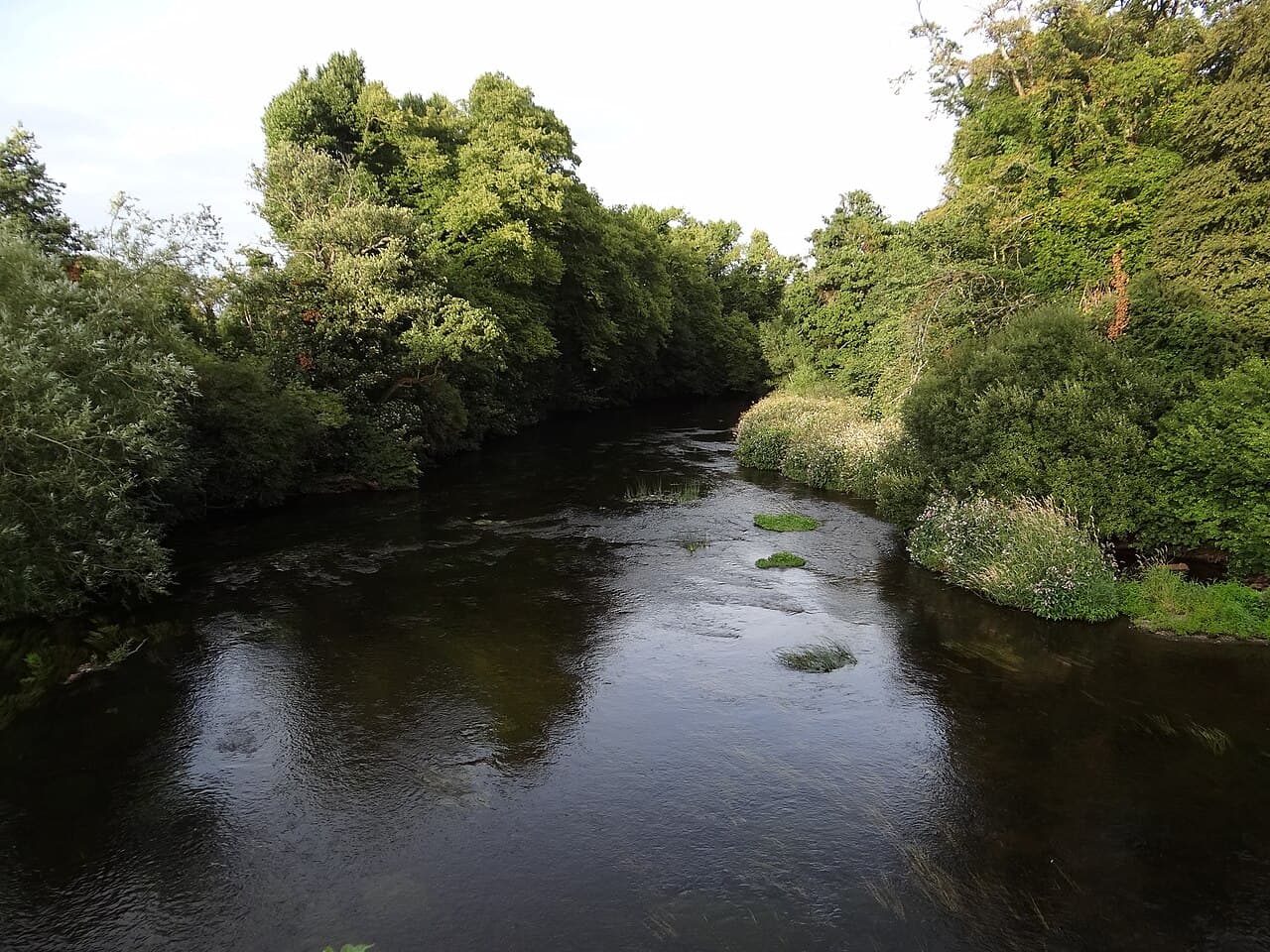
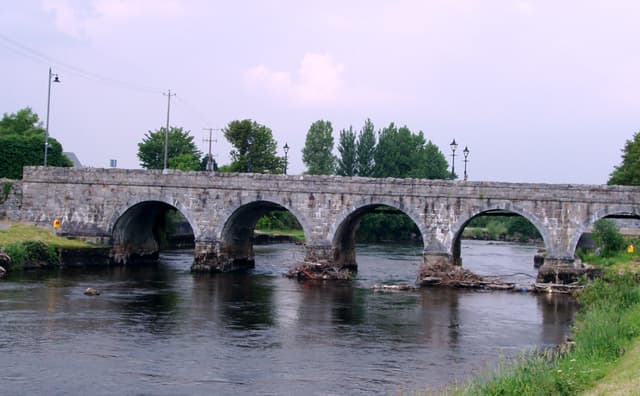
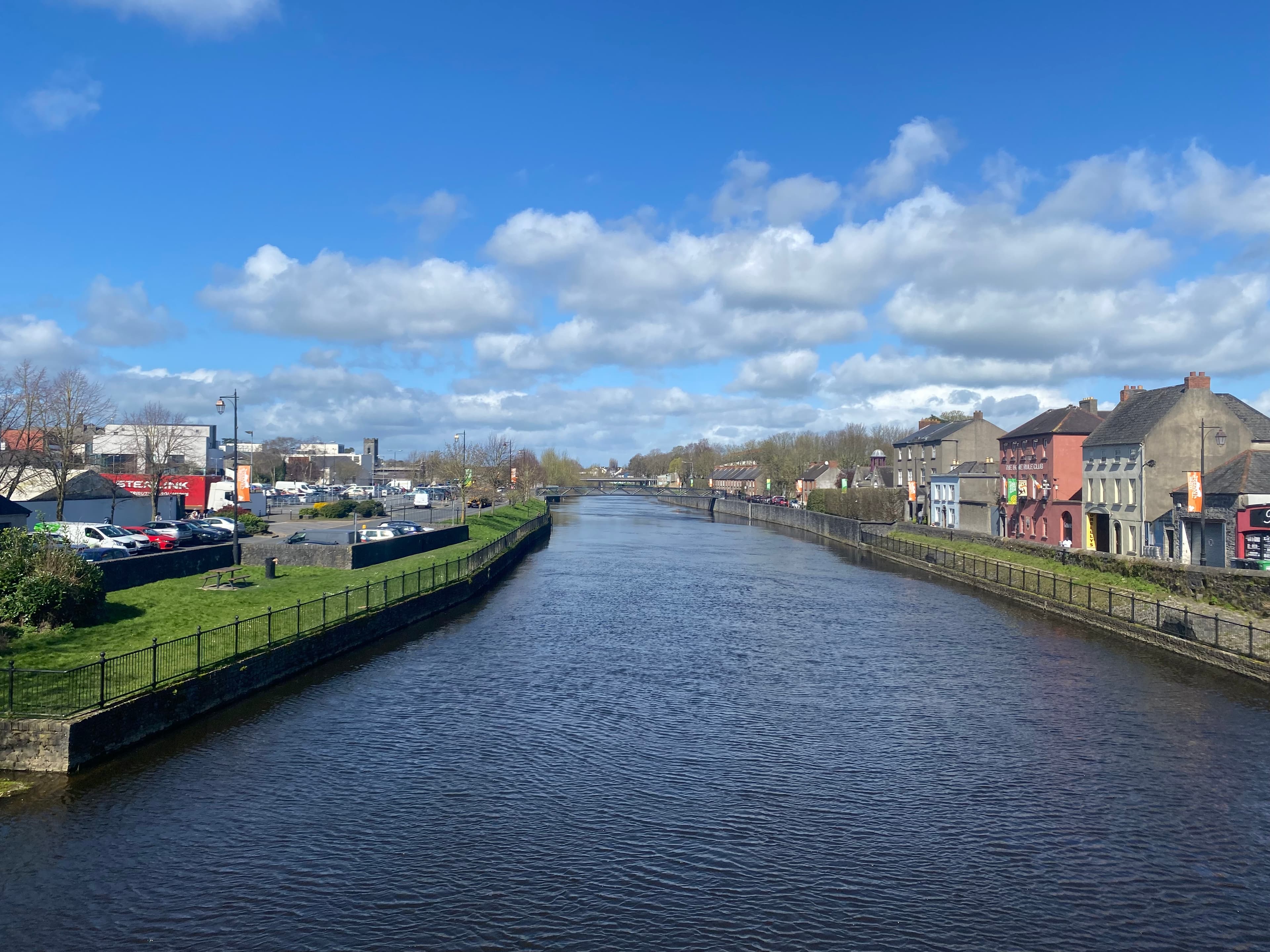
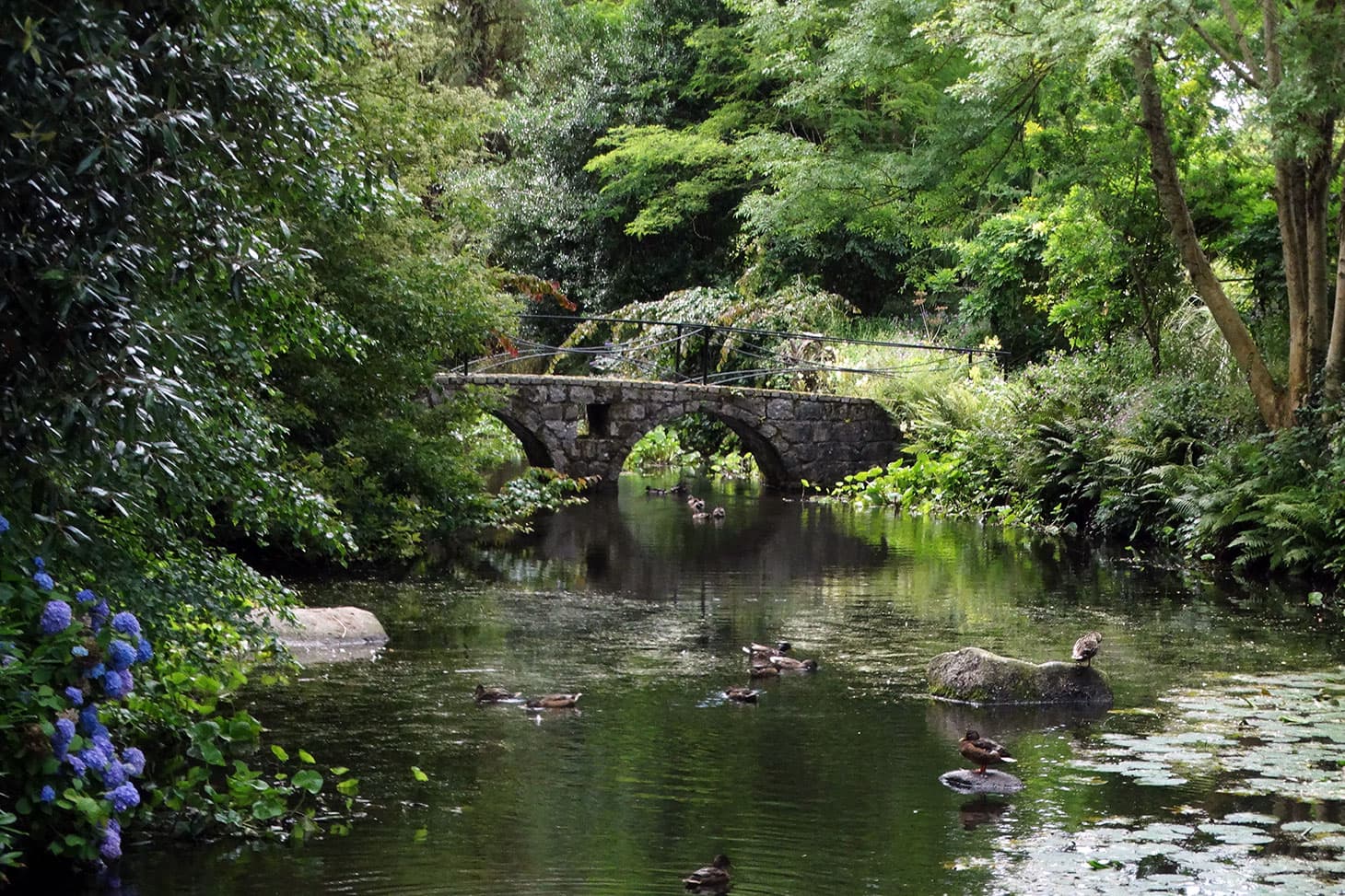
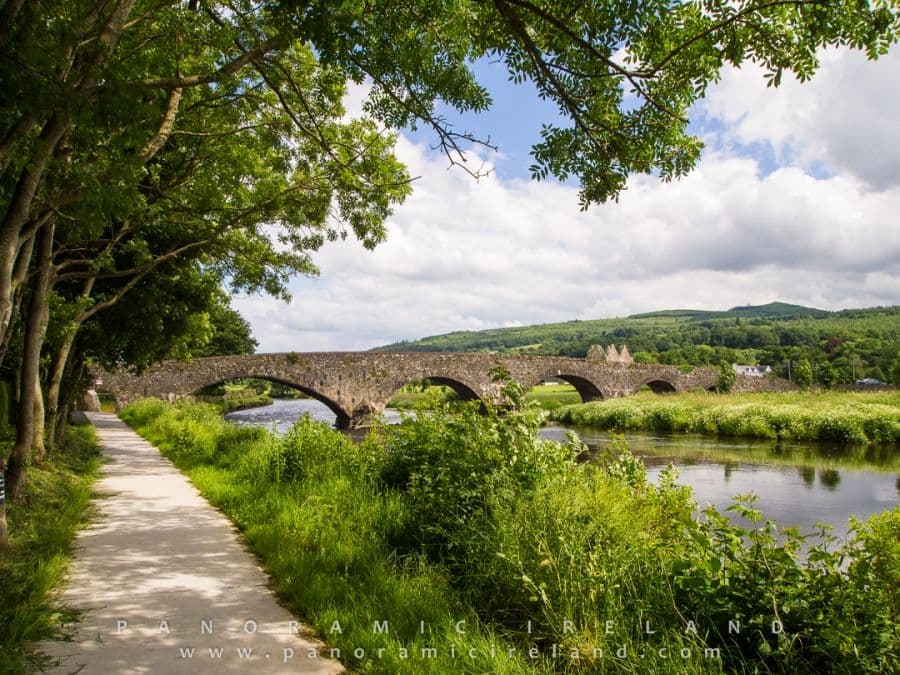
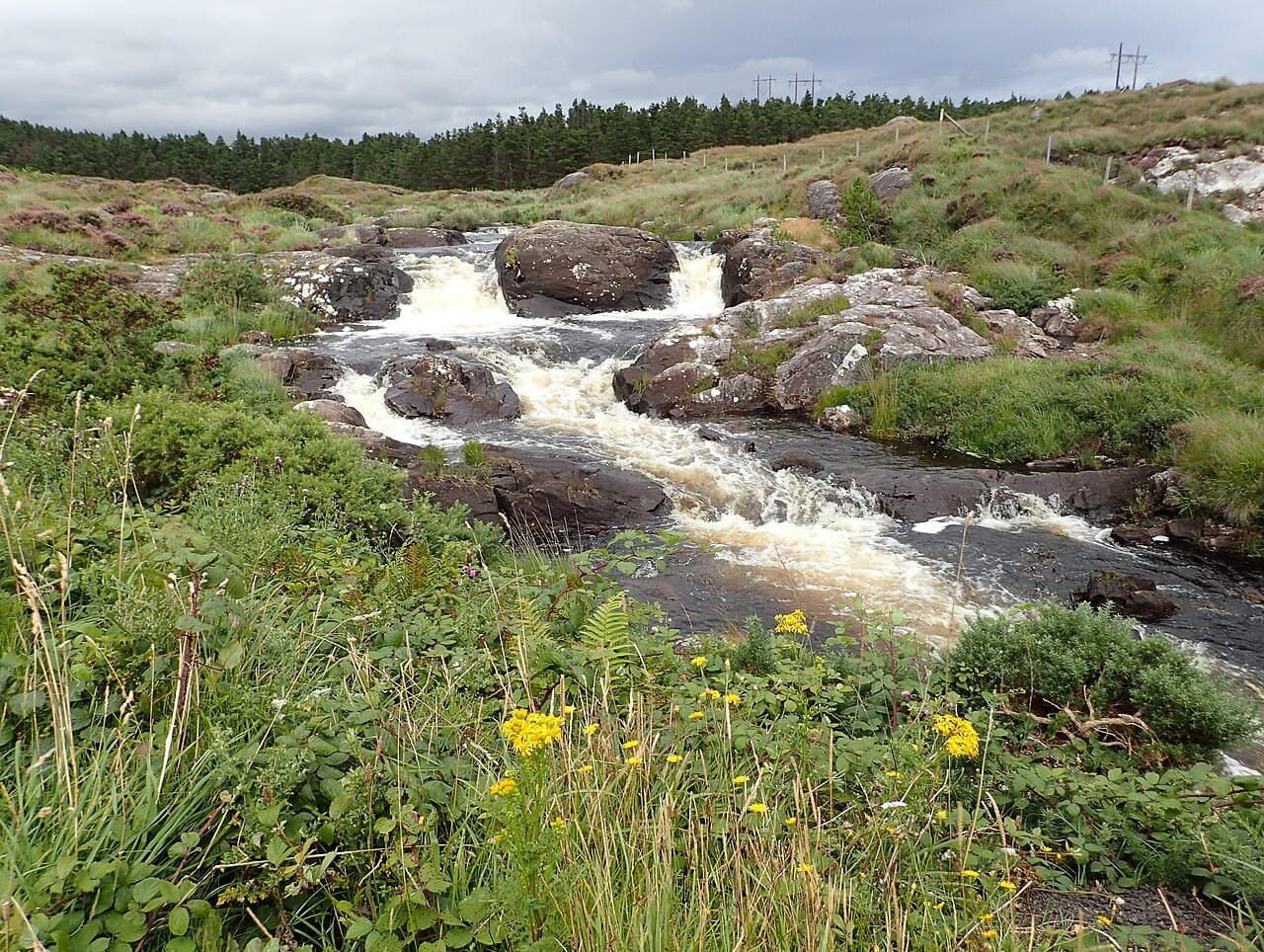
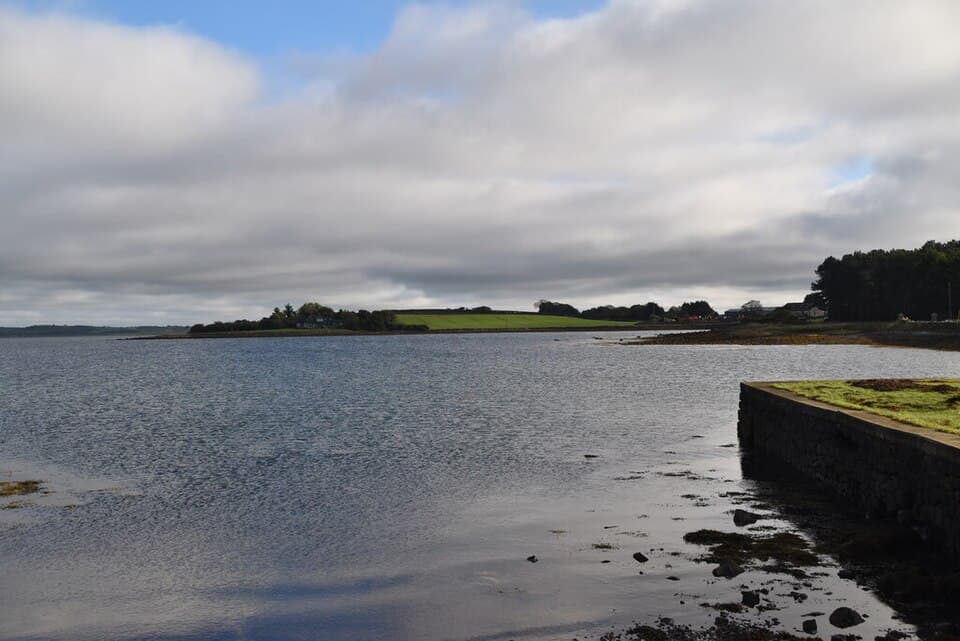
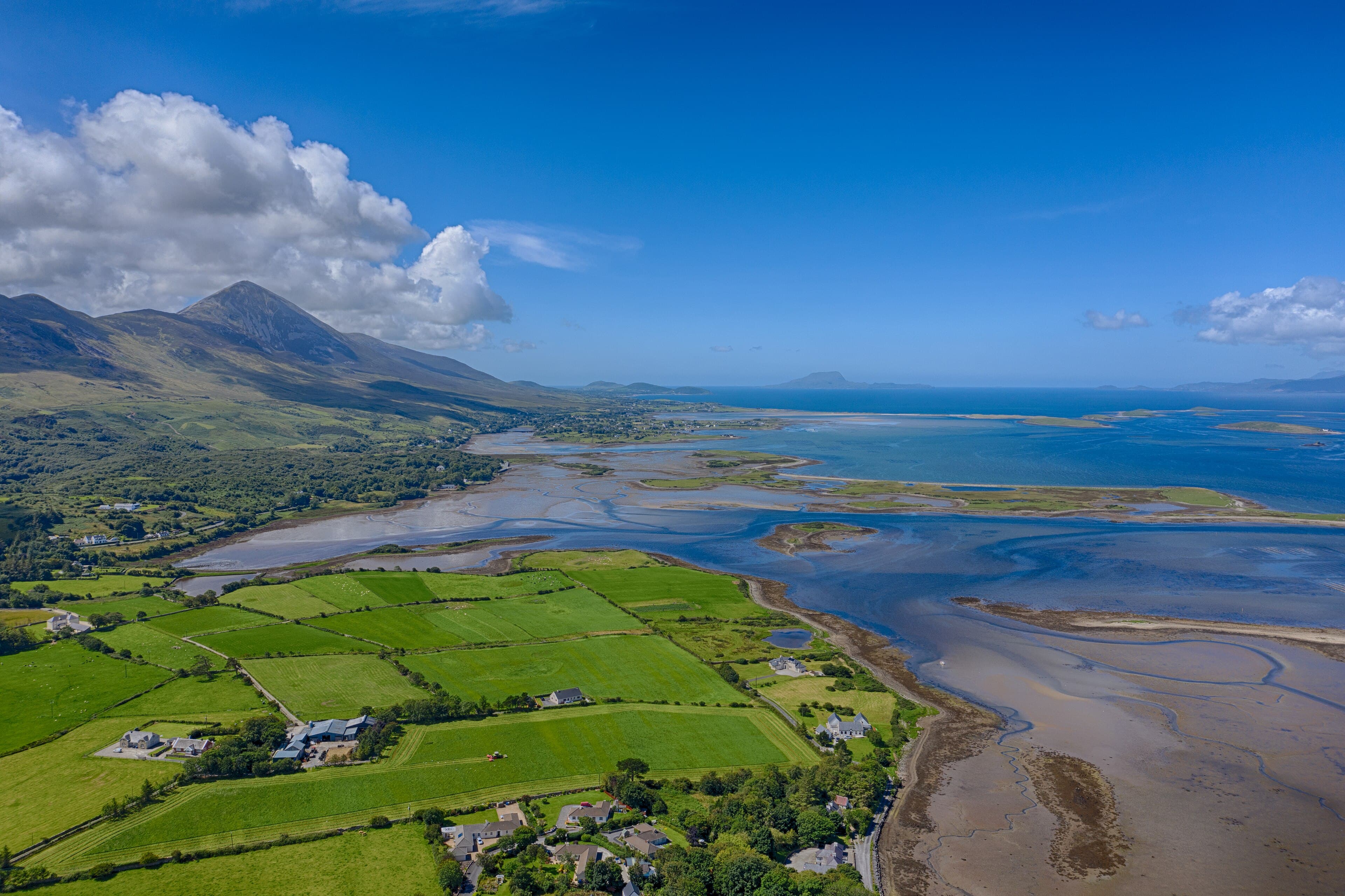
16 more waters with ISFC specimens (not yet on fishing.ie)
Frequently Asked Questions
Do I need a salmon licence to fish for sea trout?
Yes — sea trout share the same State licence and gill-tagging scheme as salmon in Ireland.
Why is one lake so dominant in the sea trout record?
Lough Currane in Kerry is nationally exceptional for sea trout and accounts for the great majority of all ISFC specimens recorded since 2000 — it isn't a data artefact, it reflects a genuinely outstanding fishery.
When's the best time for sea trout?
May and June, with fishing often best after dark once big fish move onto shallow feeding water.
Is sea trout fishing catch-and-release?
It depends on the water — check the specific river or lake's current status, as many are catch-and-release only under conservation management.