Venues › West › Mayo › Bundorragha River (Delphi Fishery)
Bundorragha River (Delphi Fishery)
📍Mayo · West📋IFI (Republic of Ireland)Season Open
3Species Present
County
Mayo
Region
West
Type
River
Depth
3 m
Species
Atlantic Salmon, Sea Trout, Brown Trout
The Bundorragha River is one of Ireland's most celebrated salmon and sea trout fisheries, forming the heart of the renowned Delphi system in the shadow of the Mweelrea mountains in County Mayo. Despite stretching just one and a half miles from Finlough to the tidal reach of Killary Harbour — Ireland's only fjord — it punches far above its weight, with nineteen named pools and a reputation that draws fly anglers from across Europe every season.
The Delphi system extends well beyond the river itself. Upstream, Finlough sits immediately above the river and is the most productive lake for salmon, particularly for ranched fish that hold in its clear waters from opening day. Above Finlough, Doolough is a larger, wilder lough flanked by steep mountain walls, while the remote Glencullin Lough marks the very top of the system and holds sea trout from midsummer. Together, the river and its three loughs drain a catchment of roughly twenty square miles of unspoiled mountain terrain.
Atlantic salmon enter the Bundorragha from the first of February, with spring fish averaging between six and fifteen pounds — fresh-run fish that are often still sea-liced when they take the fly. The spring run continues through May, after which grilse arrive from late June and peak through July and August. The fishery operates its own hatchery, releasing thousands of fin-clipped smolts annually to supplement the wild stock; returning fin-clipped fish may be retained under current management rules, while all wild fish must be returned unharmed.
Sea trout were historically the jewel of the Delphi fishery, and the records of the Irish Specimen Fish Committee place Delphi second only to Lough Currane in producing specimen sea trout. Stocks declined sharply from the late 1980s, and while the run remains a shadow of its former self, summer and autumn sessions on Doolough and Glencullin can still produce sea trout of real quality. All sea trout must be released alive under current regulations.
Fishing at Delphi is fly only throughout, with the exception of trolling occasionally permitted on Doolough in low water. The river is fished entirely from the bank — wading is neither necessary nor permitted — while the loughs are fished from boats, with ghillies mandatory on Doolough and strongly recommended on Finlough. A maximum of twelve rods fish each day, rotated between the river and the loughs on a half-day basis. The river fishes best in a good spate; the loughs come into their own when the river is low and clear.
Delphi Lodge, which manages the fishery and provides accommodation for anglers, was originally built as a sporting estate for the Marquis of Sligo in the 1830s and is said to have been named after the Oracle at Delphi because of its dramatic evening light. Access to the fishery is exclusively through day permits or residential packages at Delphi Lodge, and availability is limited. Leenane village provides the nearest services, with Westport roughly forty minutes away as a base for wider exploration of one of Ireland's most scenic and storied angling regions.
Spring Salmon · Exclusive Fishery · Nineteen Named Pools · Killary Harbour · Fly Only · Ghillie Available · Delphi Lodge
Difficulty
Advanced / Experienced
Access & bases
The Delphi Fishery is accessed via Delphi Lodge, located on the R335 between Leenane and Louisburgh in County Mayo. Fishing permits are available exclusively through Delphi Lodge — contact the fishery manager at +353 (0)95 42222 or via delphilodge.ie. The fishery operates on a day-permit and residential basis, with limited rods available. Leenane village is approximately 8 km south on the R335 and provides the nearest accommodation and services. Westport is the nearest large town, roughly 40 km north via the N59.
Signature features
Nineteen Named Pools
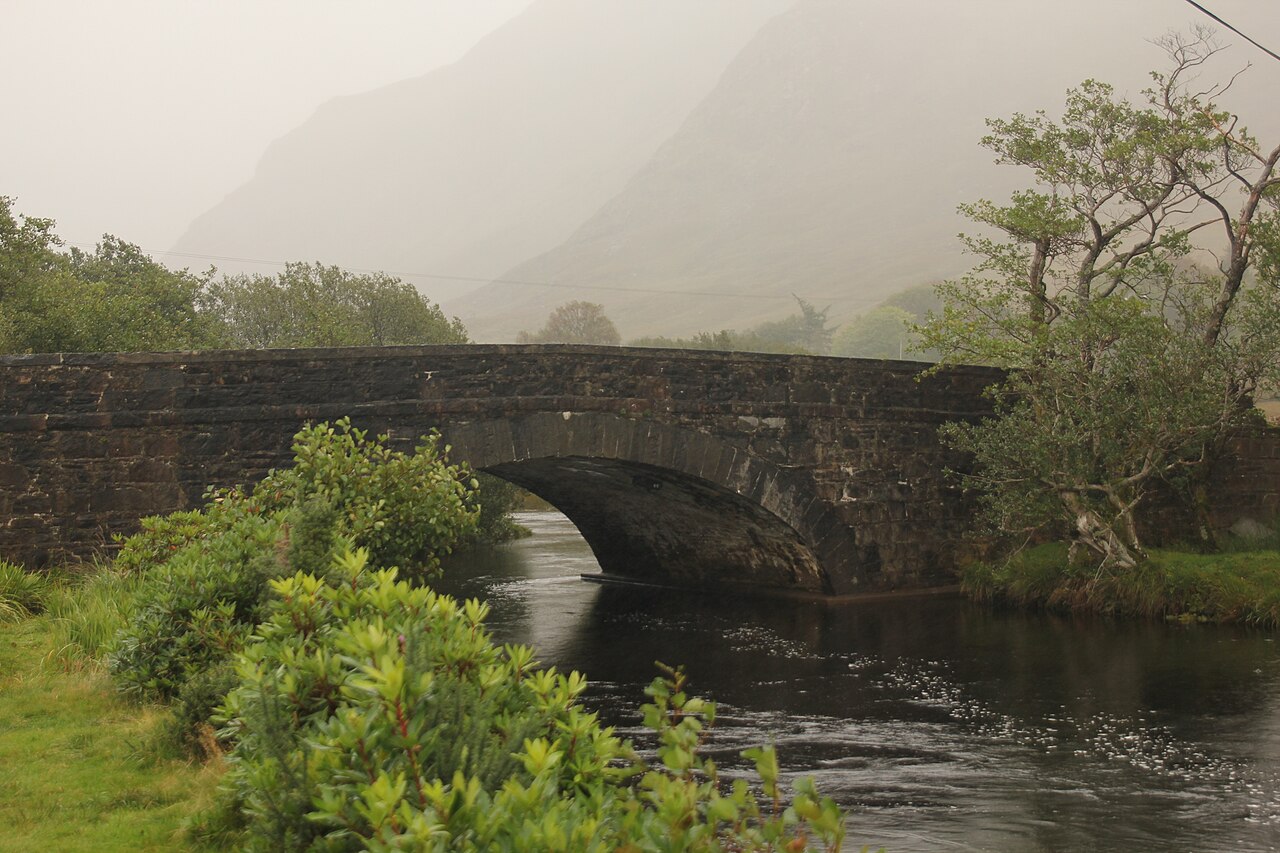
Despite its short length of just one and a half miles, the Bundorragha River contains nineteen named pools, many of them formed by stone weirs constructed in the 1860s. These weirs have withstood winter floods for over 160 years and create the holding lies that allow fish to stack up rather than running straight through to the loughs. Classic pools include the Hut Pool, Waterfall Pool, Horse Shoe Pool and the Turn Pool, each with its own character and approach.
A Complete System
The Delphi fishery is unusual in offering four distinct water types within a single managed system: a short, pool-laden spate river, an intimate lough at the foot of the valley, a large wild mountain lough, and a remote hill lough accessible only on foot. Each water fishes best under different conditions, meaning that a day at Delphi rarely produces a blank regardless of water levels.
Killary Harbour
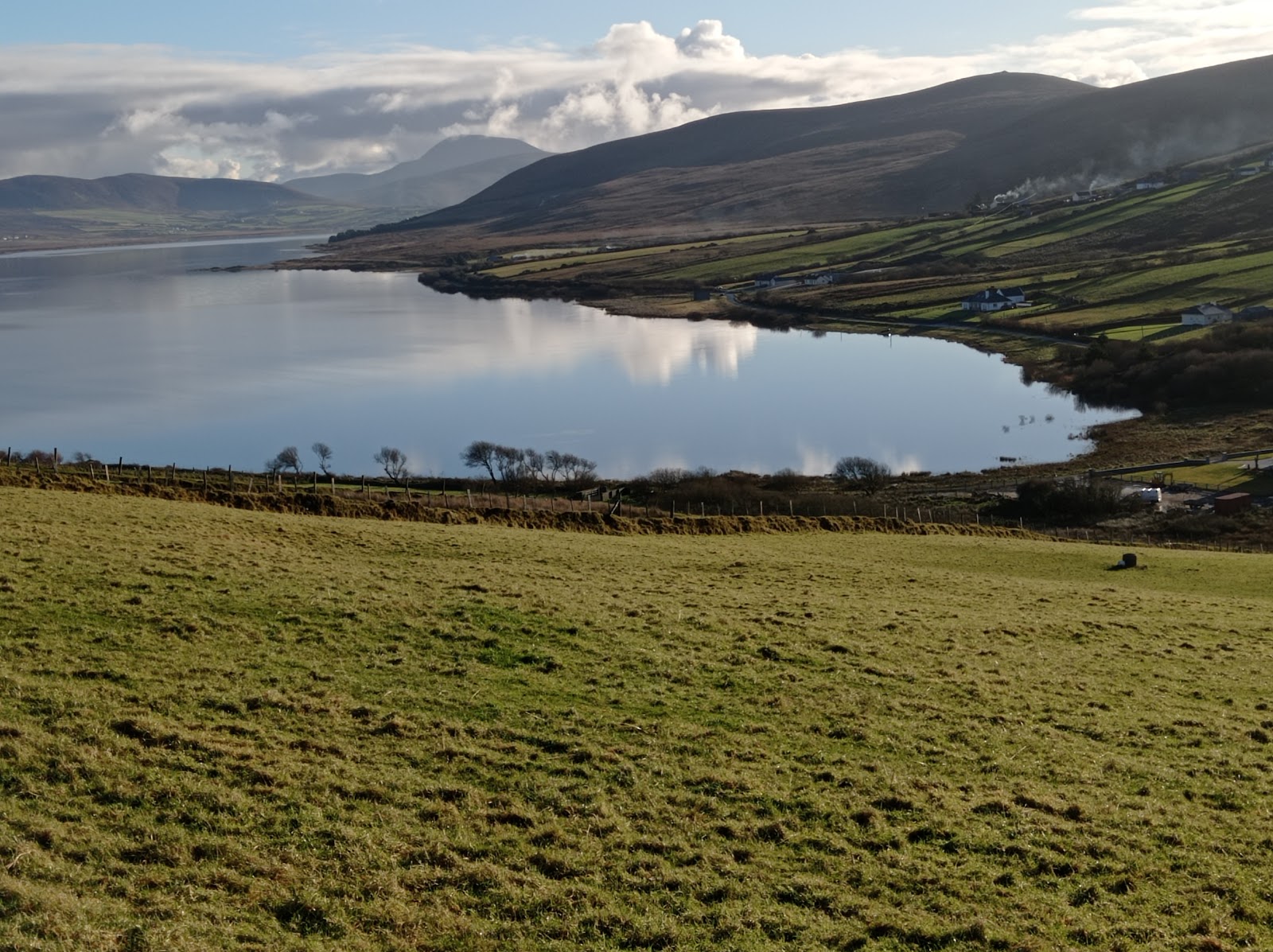
The Bundorragha drains directly into Killary Harbour, Ireland's only fjord. This deep sea inlet, carved by glaciers during the last ice age and flanked by mountains rising over 800 metres, creates an extraordinary approach for migratory fish. Salmon and sea trout run from the open Atlantic into the fjord and then directly up the Bundorragha with minimal distance between salt water and the fishing pools above.
Season by season
February – May
The spring salmon season is the highlight of the calendar at Delphi. Fresh fish enter the system from opening day on February 1st and are often sea-liced, indicating they have run straight from the tidal reach of Killary Harbour. Spring salmon average six to fifteen pounds, and fish over twenty pounds have been recorded. The river and Finlough both produce well during this period. Cold, clear conditions call for smaller flies on floating or intermediate lines.
June – August
Grilse begin running from late May and their numbers peak through July and August. These smaller, more agile fish average five to eight pounds and bring the loughs alive when conditions are right. Sea trout enter the system from early July, with Doolough and Glencullin providing the best chance of a summer sea trout. Evening sessions can be particularly productive for sea trout during this period.
September
Autumn provides a final chance at both salmon and sea trout before the season closes at the end of September. Fish that have been in the system since summer can become preoccupied and difficult, but a fresh spate will often trigger new movement. Glencullin Lough can fish well for sea trout into September for those prepared to make the walk.
Best conditions
Based on 0 reports, these conditions consistently produce the best fishing on Bundorragha River (Delphi Fishery):
💨
SW to W, Force 3–4
Best wind
☁️
Overcast with broken cloud
Best sky
🌡️
10–15°C
Water temp
⏰
River fishes best in a good spate; loughs fish best in low, clear conditions
Spring fish are best targeted on the river and on Finlough using small flies on a floating or intermediate line. The Delphi Badger — a distinctive 1-inch tube fly — is the house favourite and has accounted for countless Bundorragha springer salmon. Fish take freely on arrival, often within hours of entering the system while still carrying sea lice, so fresh-run fish in good water are the prize. A 14-foot double-handed rod handles the river comfortably; an 11-foot single-hander is fine for most pools.
⚠️Common mistake: Using heavy tips or fast-sinking lines when fish are fresh and active. Spring fish at Delphi will come to a small fly presented near the surface on floating or intermediate lines — heavy presentation drives them down.
Grilse and Sea Trout (June – August)
Patterns
Delphi SilverTeal Blue and SilverSilver DoctorWatson's FancyKingsmillBlack PennellConnemara BlackSilver Invicta
Dapping
Daddy Longlegs
Grilse respond to brighter, smaller flies fished on a floating line in a moderate pace of water. The loughs come into their own during low water, with Finlough offering classic wet-fly drift fishing using three flies — a point fly and two droppers. On Doolough, dapping with a natural daddy longlegs is a traditional and highly effective approach, and the belief holds that the biggest fish are always taken on the dap. Sea trout on the river can be found in many of the named pools, particularly the Hut Pool, Waterfall Pool, Horse Shoe Pool and Turn Pool, where sunk-line tactics work well after dark.
⚠️Common mistake: Fishing too large a fly for grilse in warm, low summer water. Smaller sizes — 10 to 14 — in classic Irish wet-fly patterns will out-fish large tubes and brass flies in summer conditions.
Core technique
Classic Wet-Fly Drift on the Loughs
1Fish from a boat with an experienced ghillie who will position and drift the boat broadside to the wind across the lough.
2Use a 9 to 11-foot single-handed rod with a floating or intermediate line. Rig three flies: a heavier point fly (e.g. Delphi Silver or Silver Wilkinson) and two dropper flies (e.g. Black Pennell, Connemara Black).
3Cast square to the drift or slightly downwind and fish the flies back slowly through the wave, keeping in contact throughout.
4As the flies approach the boat, lift gently to dibble the bob fly in the surface film — this final movement triggers many of the takes on Finlough.
5On Doolough, the ghillie is mandatory and will advise on which area of the lough is producing. Dapping with a natural or artificial daddy is the traditional approach on this water.
💡 The Collie Dog, fished long and fast on Finlough, is particularly effective for grilse when they are showing. Do not overlook this pattern.
What works here
Flies and methods reported most successful by the community.
Where to Fish at Bundorragha River (Delphi Fishery)
Bundorragha River
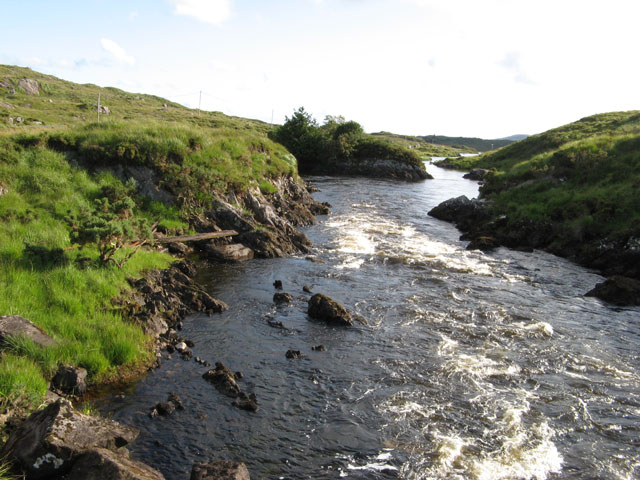
One and a half miles of pool-and-run water containing nineteen named pools, most formed by stone weirs from the 1860s. Fished entirely from the bank with no wading. The river runs from Finlough southward to the tidal reach of Killary Harbour and is the top choice during a good spate when fish are moving. Rods are rotated between the river and the loughs on a half-day basis.
Finlough
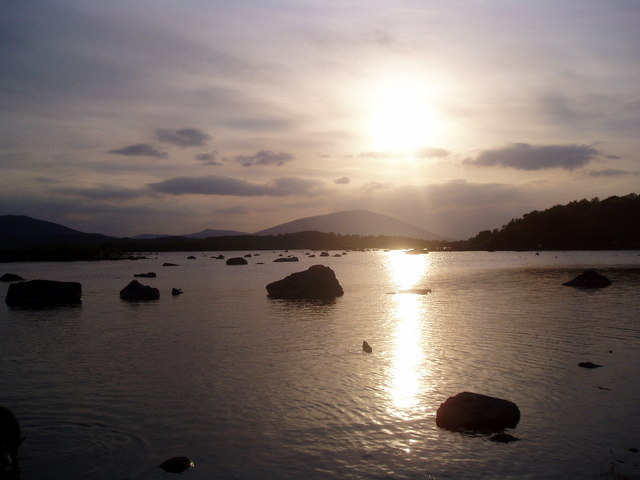
An intimate lough approximately 800 metres long and 300 metres wide, overlooked by Delphi Lodge. This is the journey's end for the ranched hatchery fish and holds salmon from opening day in February. The clear water makes it possible to see fish holding, and numbers can be extraordinary by September. Fished by wet-fly drift from a boat with a ghillie. Floating or intermediate lines are the standard approach.
Doolough
The largest of the Delphi loughs, flanked by steep mountain walls and offering a more wild and atmospheric experience. Doolough produces both salmon and sea trout and is the primary sea trout lough on the system. Ghillie service is mandatory. Dapping is the traditional and favoured method, with a strong belief among regular anglers that the biggest fish come to the dap. Trolling is occasionally permitted in very low water at the fishery manager's discretion.
Glencullin Lough
The highest and most remote of the Delphi loughs, accessible only on foot. It fishes best from mid-July through September for sea trout. Two boats are available for hire. In years of good sea trout numbers it can be exceptional, and it retains its historic reputation for quality if not quantity. Fly fishing and dapping are the only permitted methods.
Suggested trip formats
🎣 Residential Lodge Stay
The most complete way to fish Delphi is as a guest of Delphi Lodge, which provides accommodation for up to twenty guests in a classic Irish country house setting. Residential packages include fishing on the full system — river and loughs — with ghillie service on Finlough and Doolough. Evenings are communal, with all guests dining together at a single long table.
🎣 Day Permit
Day permits are available through the fishery manager at Delphi Lodge, subject to availability. A day permit covers a half-day on the river and a half-day on one of the loughs, rotated with other rods. Ghillie services for the loughs are available to book alongside the permit. Contact Delphi Lodge on +353 (0)95 42222 to check availability.
Conservation & stewardship
🌿
All wild Atlantic salmon and all sea trout must be returned alive at Delphi. Only fin-clipped hatchery-origin salmon — identifiable by the absence of the adipose fin — may be retained, and these fish are part of an ongoing population research programme. Barbless or de-barbed hooks are strongly recommended. The sea trout population at Delphi and throughout the west of Ireland remains below historic levels; sympathetic handling and immediate release of all sea trout is essential. Kelt salmon encountered early in the season should always be returned with care.
Frequently asked questions
Guides & Services on Bundorragha River (Delphi Fishery)
A valid IFI salmon and sea trout licence (national or district) is required to fish the Bundorragha. A fishery permit from Delphi Lodge is also required — these are not available at the waterside and must be pre-arranged.
Main access: Ghillie service is available through Delphi Lodge for both Finlough and Doolough. Ghillies are mandatory on Doolough. Book in advance through the lodge., Delphi Lodge, Bundorragha, Leenane, Co. Mayo. Tel: +353 (0)95 42222. Permits, ghillie service, boats, and accommodation all available through the lodge. delphilodge.ie, Inland Fisheries Ireland (Western Region) manages salmon and sea trout stocks across the Bundorragha catchment. fishinginireland.info