- Specimens recorded
- 38 (2000–2025)
- Years on record
- 2000–2021
- Top venues by specimens (tied)
- River Laune & River Blackwater
- Current specimen threshold
- 9.07kg (20lb 0oz)
- Irish record
- 25.85kg (57lb 0oz)
Atlantic Salmon in Ireland
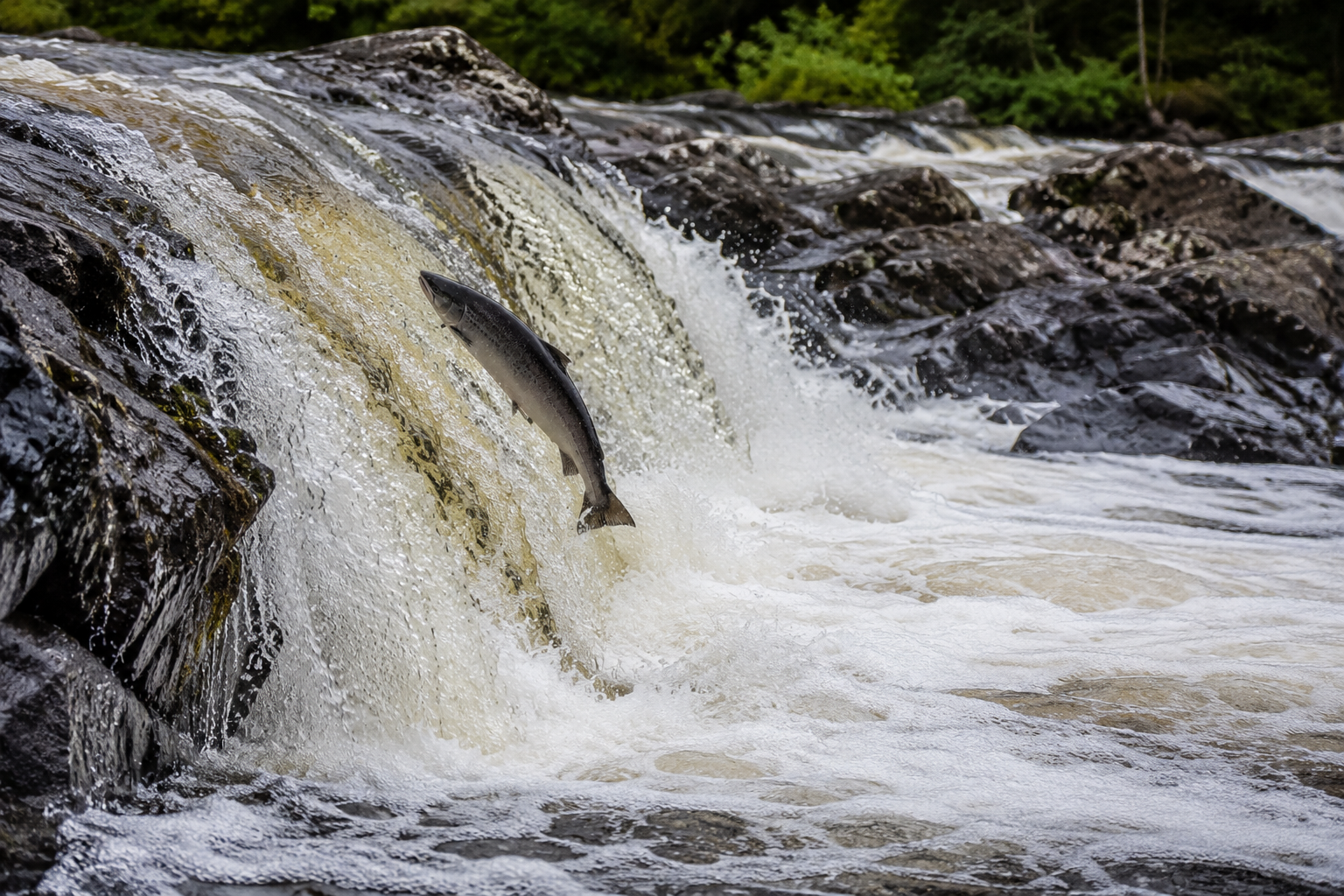
Atlantic Salmon (Salmo salar) is Ireland's most storied game fish — an anadromous species that returns from feeding grounds off Greenland to spawn in the river of its birth, running Irish rivers from spring through autumn. A salmon fresh from the sea, still carrying sea lice, is among the most prized catches in Irish angling, and the pursuit of it has shaped fishing culture on rivers like the Moy, the Blackwater, and the Laune for generations.
Wild Atlantic salmon stocks have declined sharply across their range over recent decades, and Irish rivers are now individually assessed and managed against conservation limits — some open for limited harvest, many restricted to catch-and-release only. The ISFC specimen record itself is thin (38 fish over 26 years) precisely because the qualifying weight is set high and fewer salmon are being retained under current conservation management.
Salmon in Irish rivers are conventionally described by run timing — spring salmon (fish that spent two or more winters at sea, running from January) and grilse (fish returning after a single winter at sea, running from early summer) — though ISFC records both simply as Salmon.
When Atlantic Salmon Fish in Ireland
ISFC specimen records cluster in May, April, and September — a spring-into-early-summer peak followed by a smaller autumn showing, consistent with spring salmon and early grilse runs on Ireland's premier salmon rivers, with a second, smaller pulse as autumn fish run late-season waters. Exact timing varies significantly by river system and depends heavily on water levels.
Based on ISFC specimen records — reflects where anglers fish and submit claims, not necessarily where the species is most abundant.
Where Atlantic Salmon Fish Best
Venue rankings below come from ratified specimen submissions, not scientific stock surveys — popular, well-fished venues will always show more specimens than remote or lightly-fished ones holding the same fish.
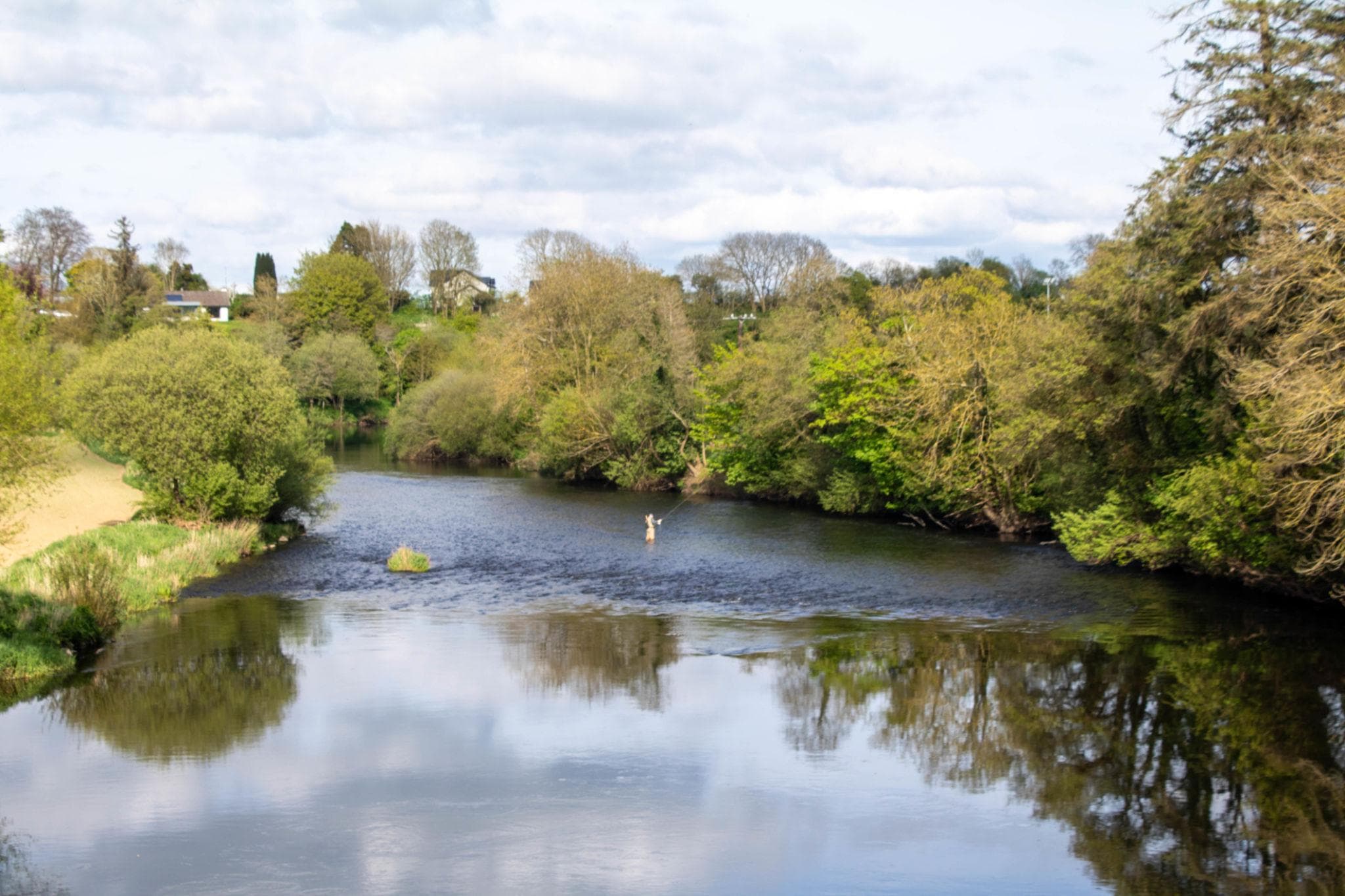
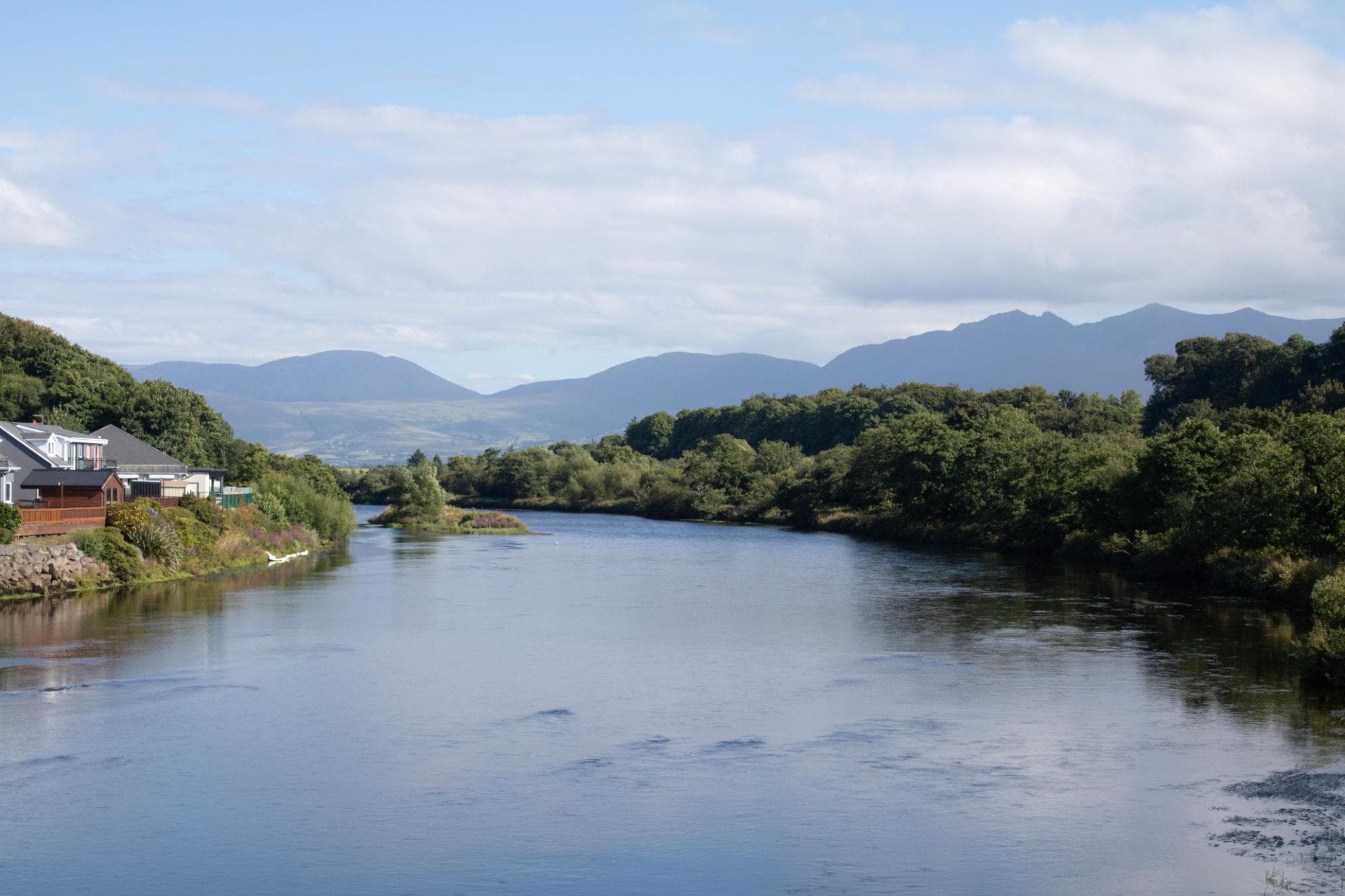
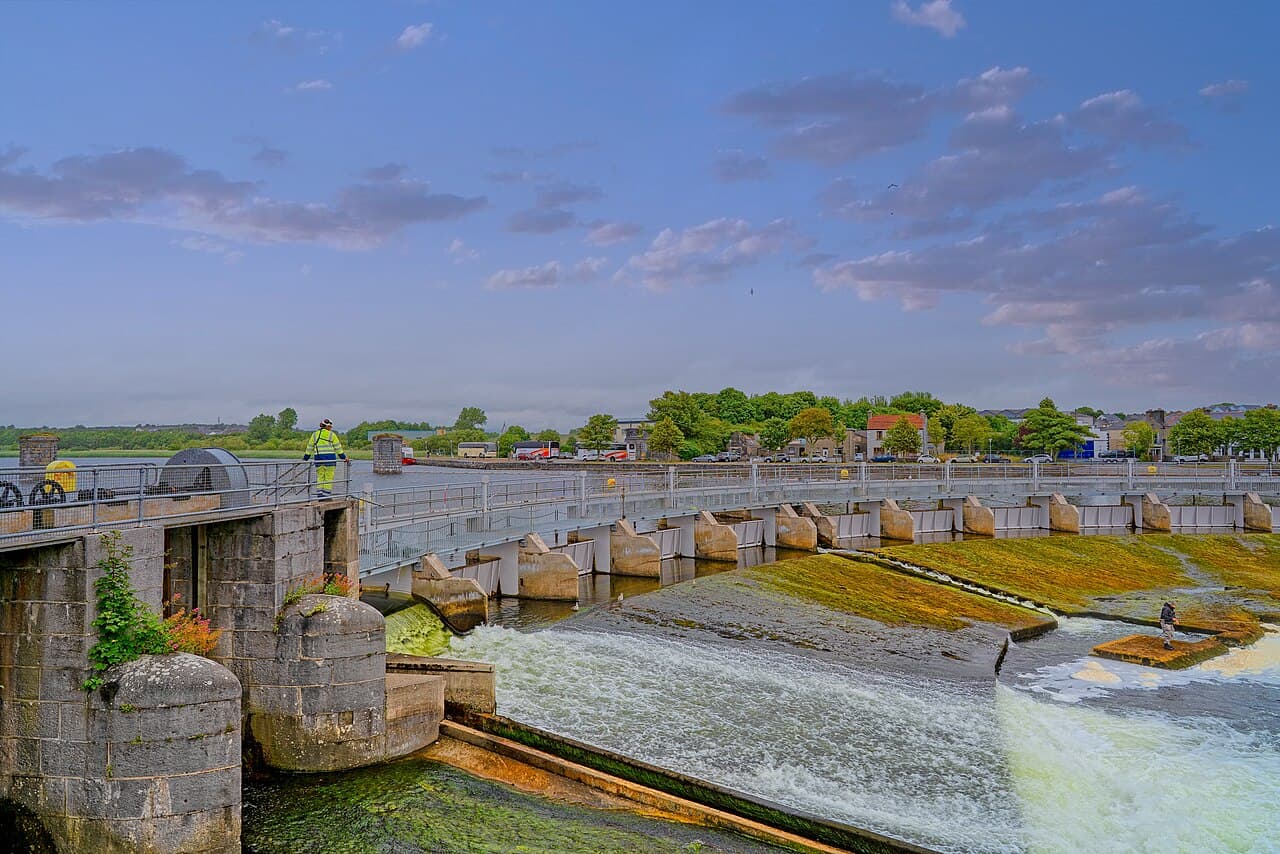
The ISFC specimen record is spread thinly across some of Ireland's best-known salmon rivers and lake systems — the River Laune and River Blackwater lead narrowly, with the Cong River, Lough Leane, and Lough Currane all contributing. The small numbers involved reflect both a genuinely difficult specimen threshold and the wider decline in salmon numbers being retained under conservation rules, more than they reflect where salmon are actually running.
See every fishing.ie venue for atlantic salmon — ISFC-ranked or not — in the full directory below.
Size and Specimens
Salmon specimens are hard-earned: the current ISFC threshold sits well above typical grilse weight, meaning most salmon caught in Ireland — even good ones — fall short of specimen status. A genuinely specimen-class salmon is a multi-sea-winter fish.
Based on ISFC specimen and threshold records — reflects where anglers fish and submit claims, not necessarily where the species is most abundant.
How to Catch Atlantic Salmon
Fly fishing is the traditional and most widely practised method for salmon on Irish rivers, with pattern and presentation adjusted to water height and temperature — smaller flies fished fine in low, clear summer water, larger patterns worked slower and deeper in cold, high spring conditions.
Spinning and worm fishing are permitted on many waters when conditions allow (typically higher, coloured water), though increasingly restricted to fly-only or catch-and-release-only status on conservation-sensitive rivers — always check the specific water's rules before fishing.
Reading a river's pools, lies, and holding water — and understanding how a particular beat fishes at different water heights — matters more for salmon than for almost any other Irish species; local knowledge or a ghillie is genuinely valuable on unfamiliar water.
Because so many rivers are catch-and-release only, careful handling — wetted hands, minimal air exposure, a proper release rather than a grip-and-grin — is essential technique, not an optional extra.
Rules and Conservation
Salmon and sea trout are the most tightly regulated species in Irish angling. Every angler needs a State salmon licence — sold as an annual, 21-day, or 1-day licence — plus, in most cases, a local fishery permit for the specific water. Every fish retained must be tagged immediately with a numbered gill tag from the Wild Salmon and Sea Trout Tagging Scheme, and every catch (kept or released) must be logged in the licence logbook. Unused tags and completed logbooks must be returned to the issuing Fisheries district at the end of the season.
A national bag limit of 7 fish (salmon of any size, or sea trout over 40cm) applies per angler per season on rivers open for harvest. Within that limit, only 1 fish may be retained between 3 April and 31 May, rising to a daily limit of 3 fish between 1 June and 31 August. Fishing outside those windows, or once the season limit is reached, continues on a catch-and-release basis only, using single or double barbless hooks — worm fishing is not permitted under catch-and-release rules. Many rivers are catch-and-release only for their entire season due to conservation status; check the specific river's status before fishing.
A DAERA game rod licence is required, alongside any local fishery permit. Salmon and sea trout conservation limits and season dates are set per river system by DAERA and the Loughs Agency — check the specific water's current status before fishing.
Atlantic Salmon Venues in Ireland
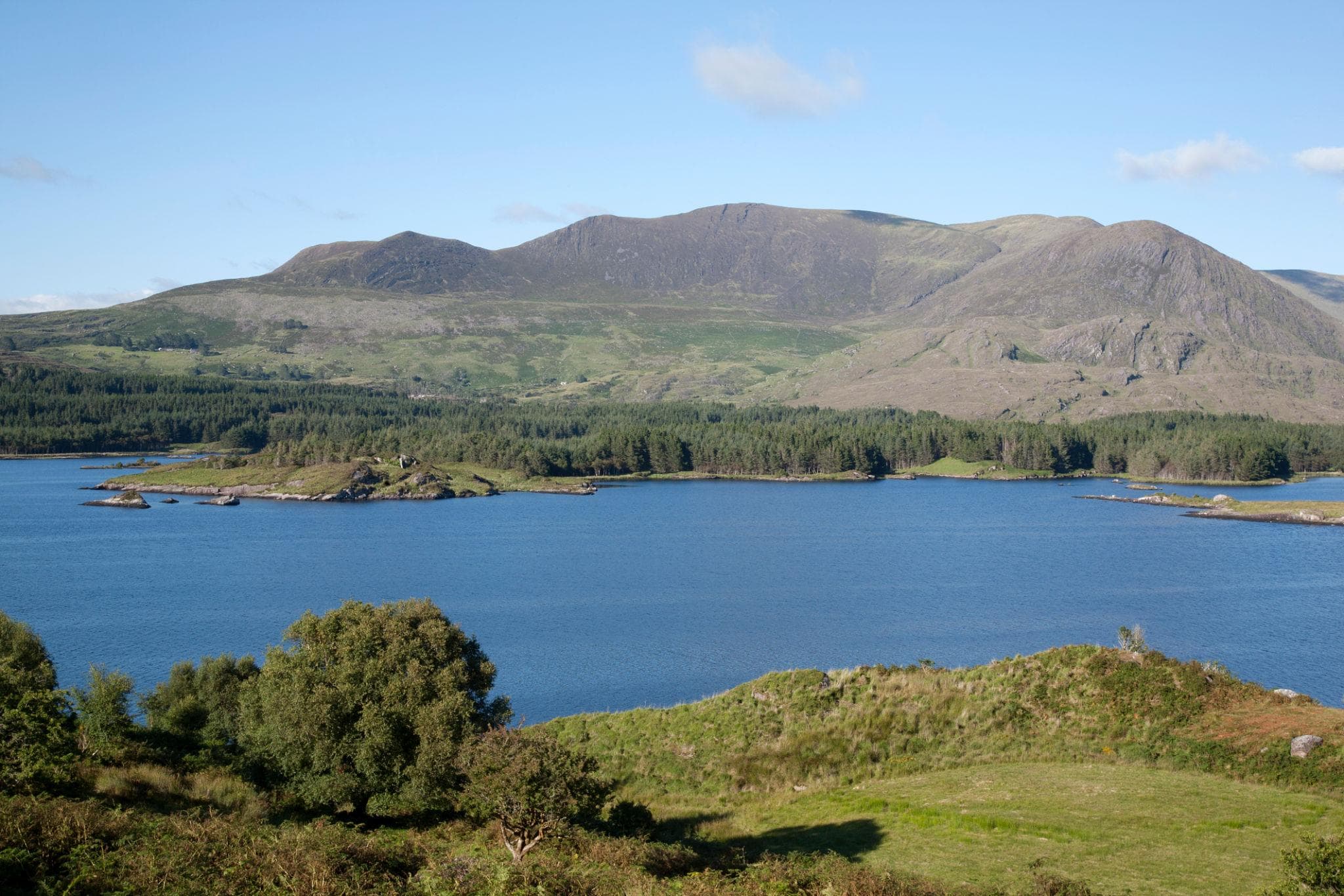
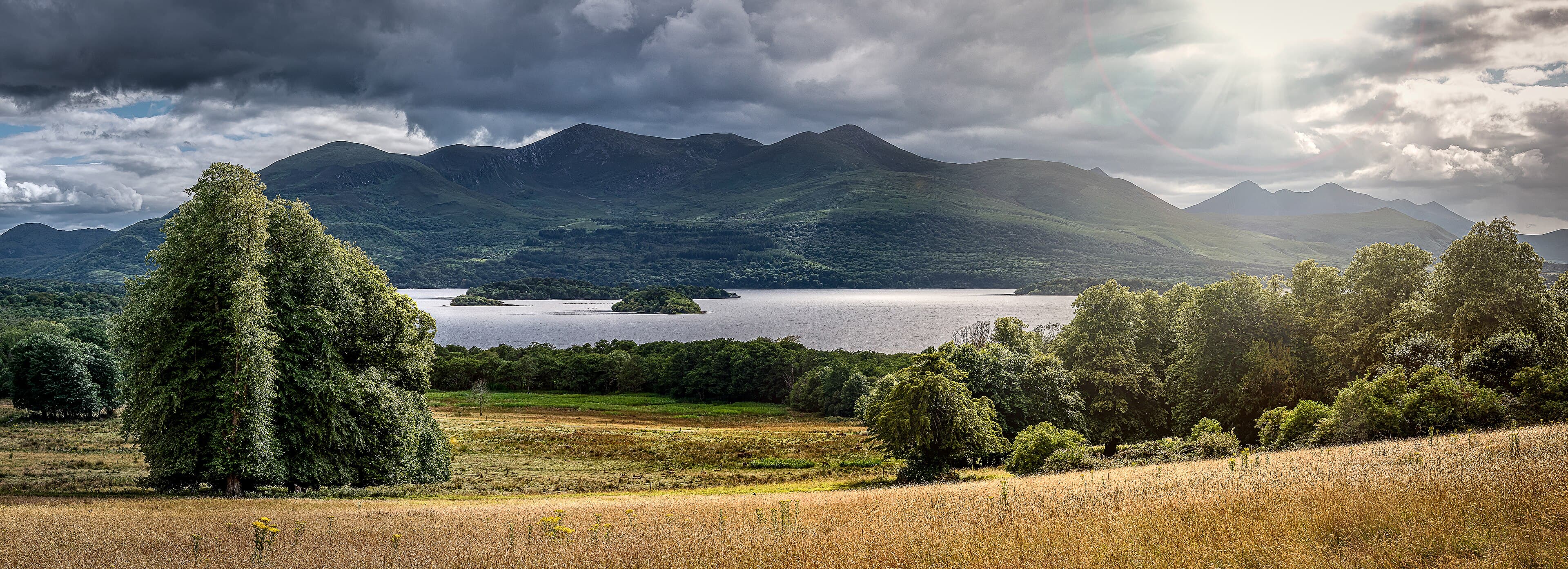
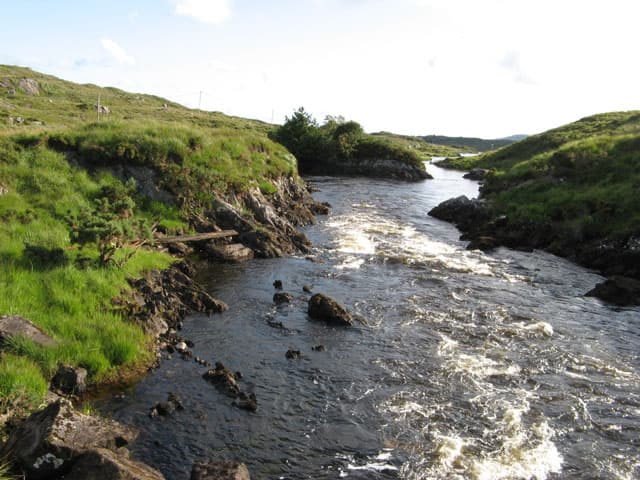
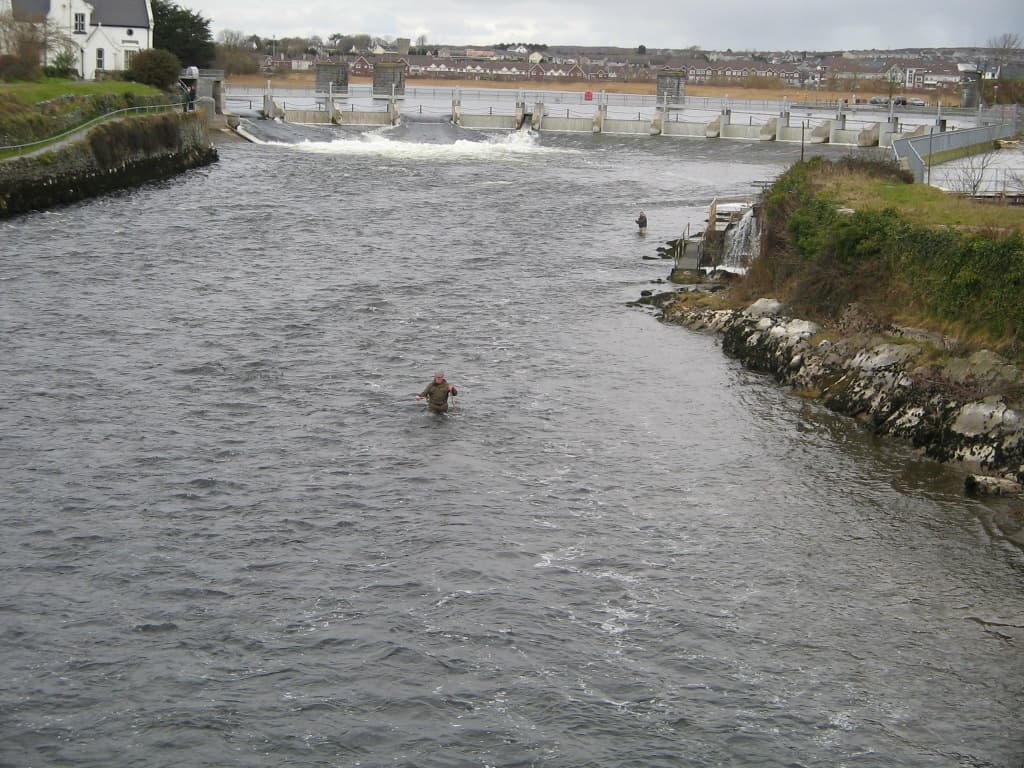
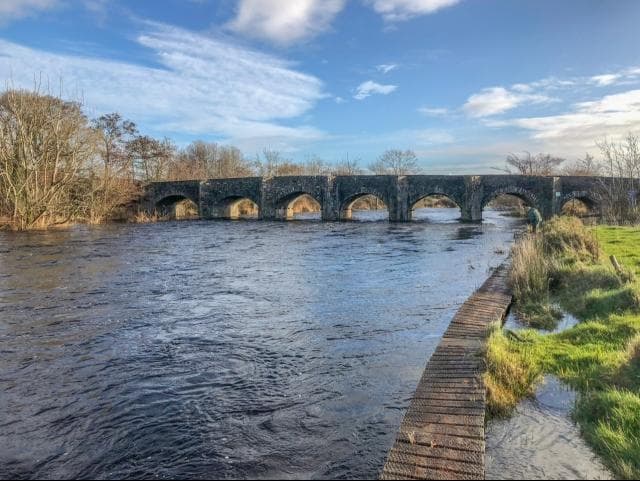
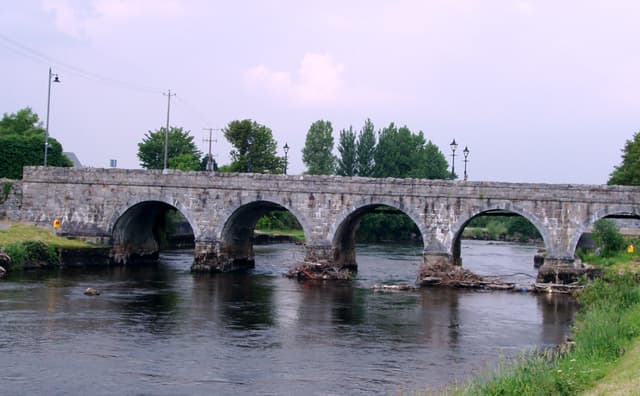
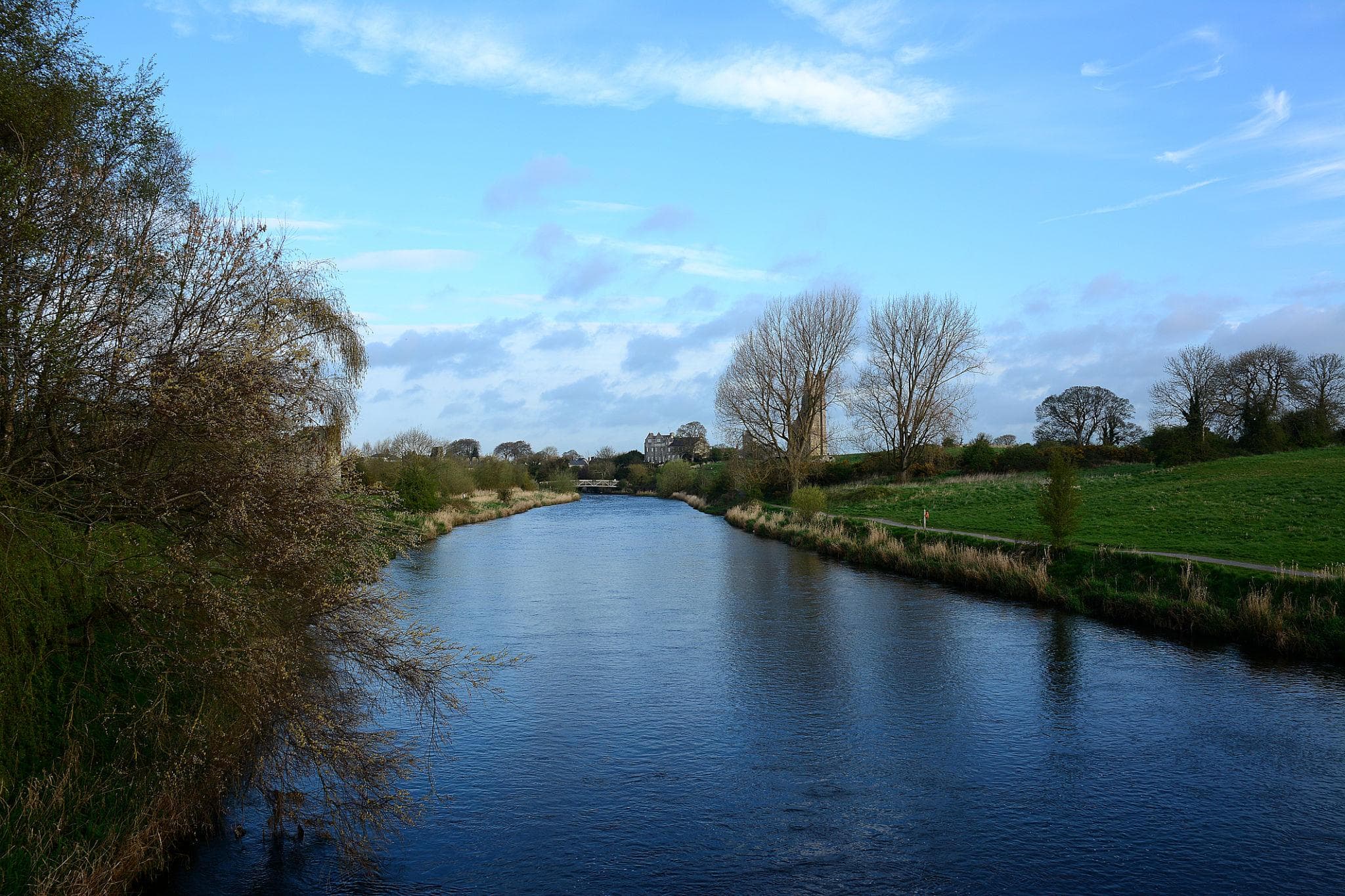
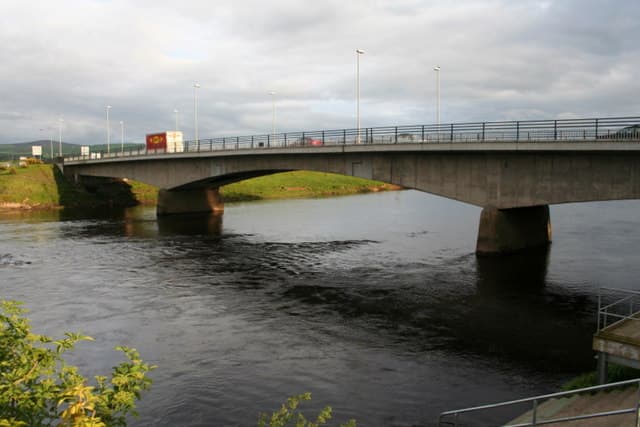
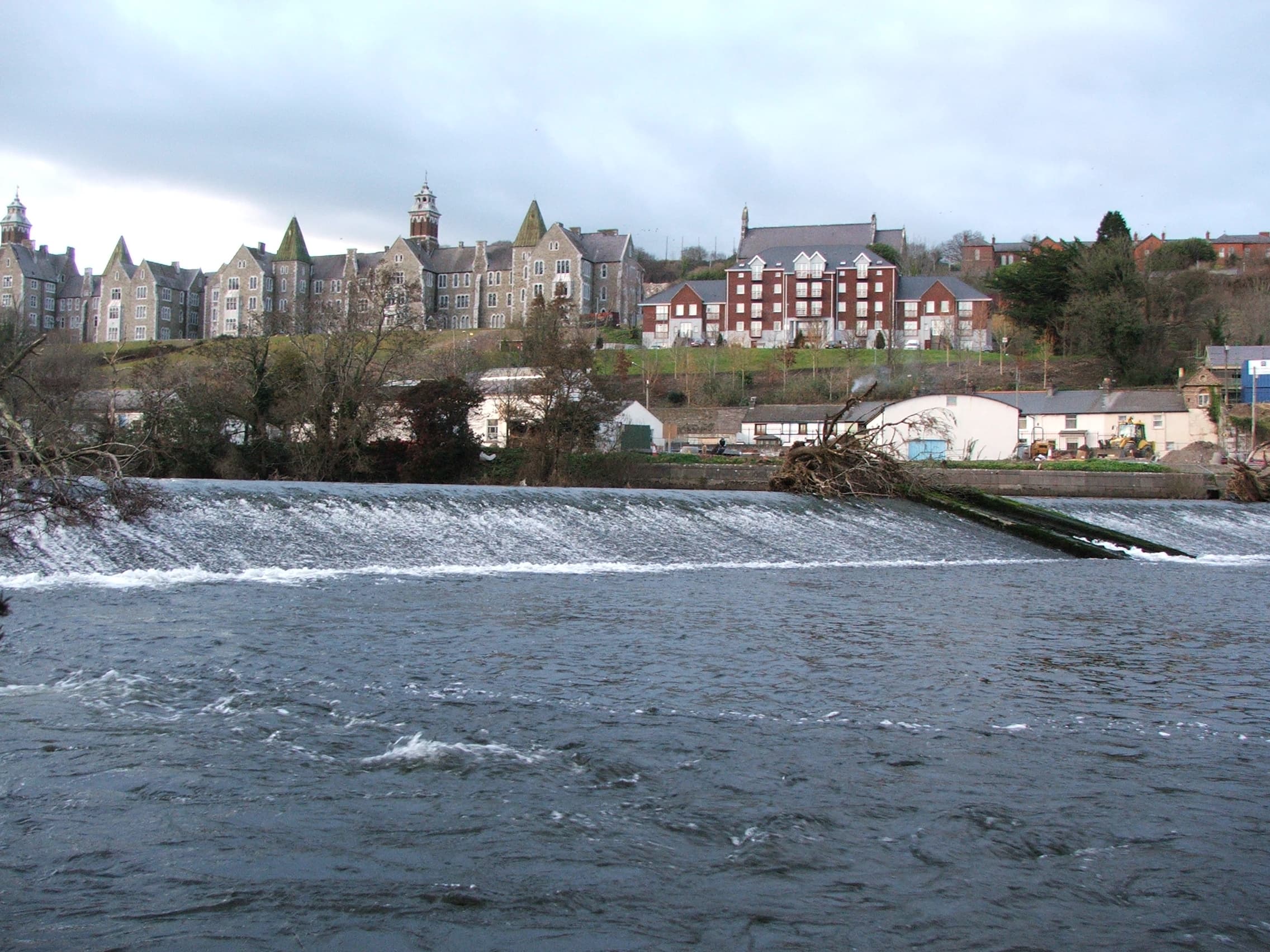
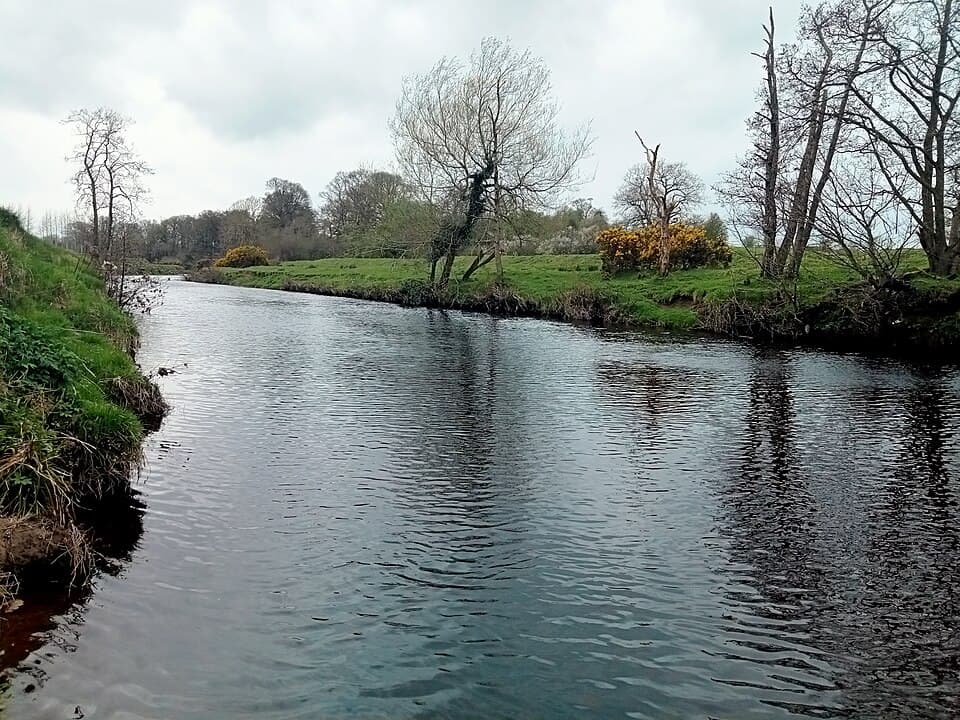
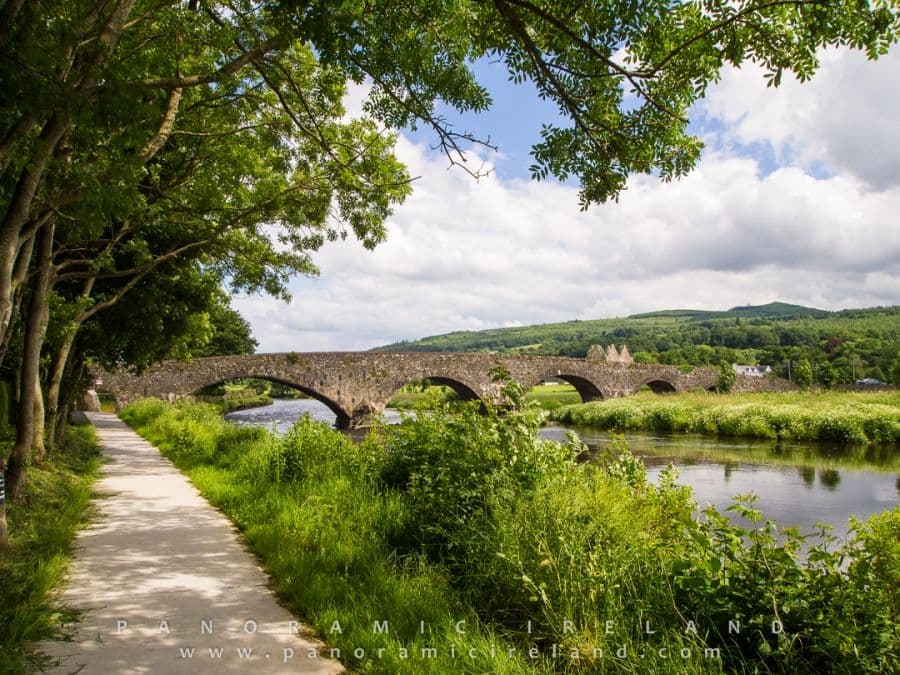
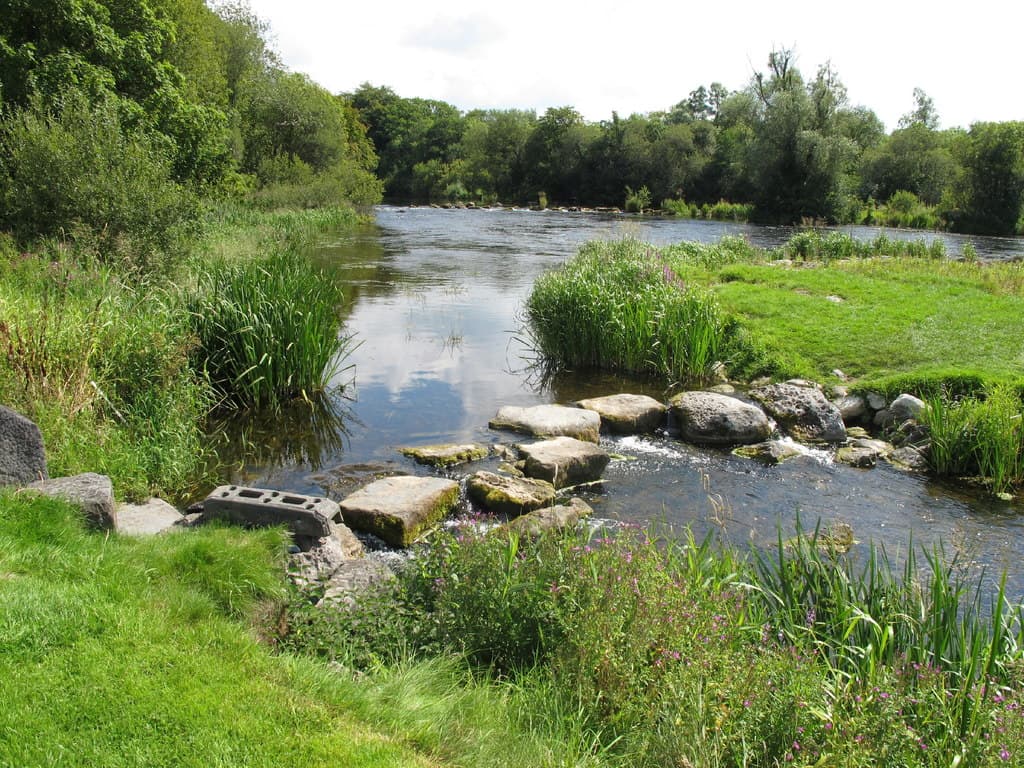
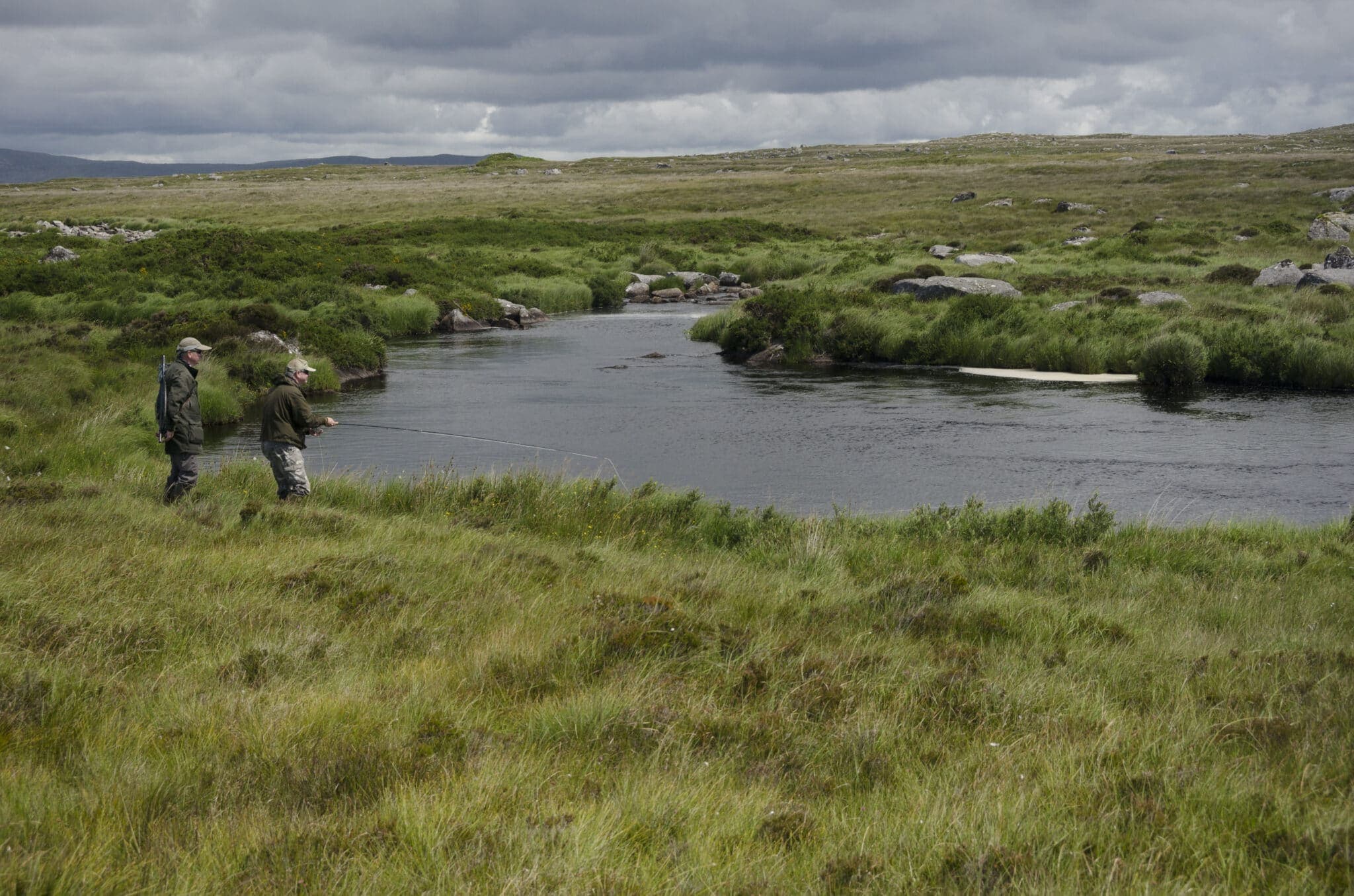
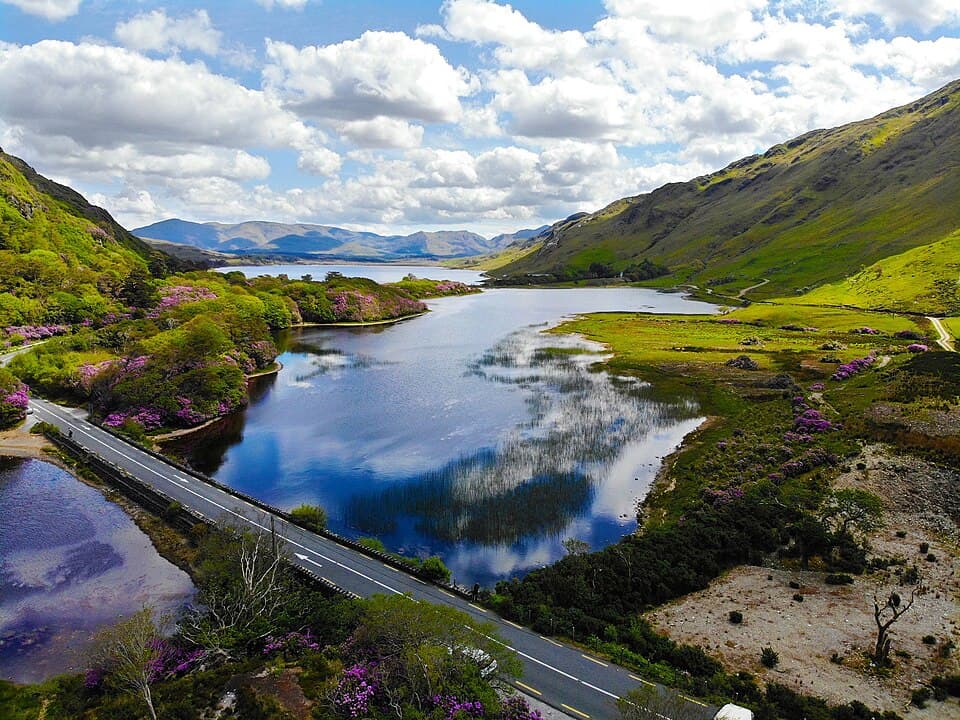
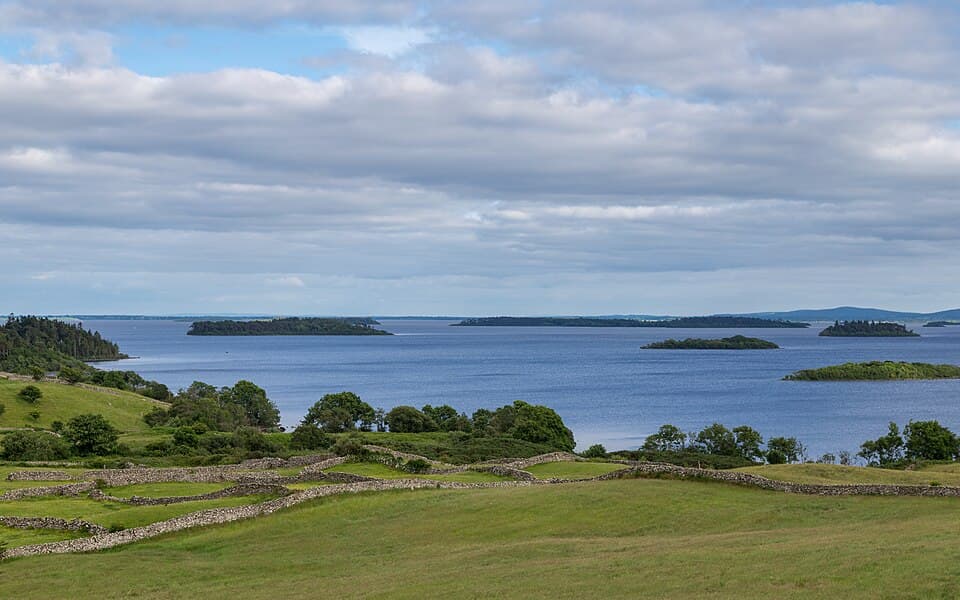
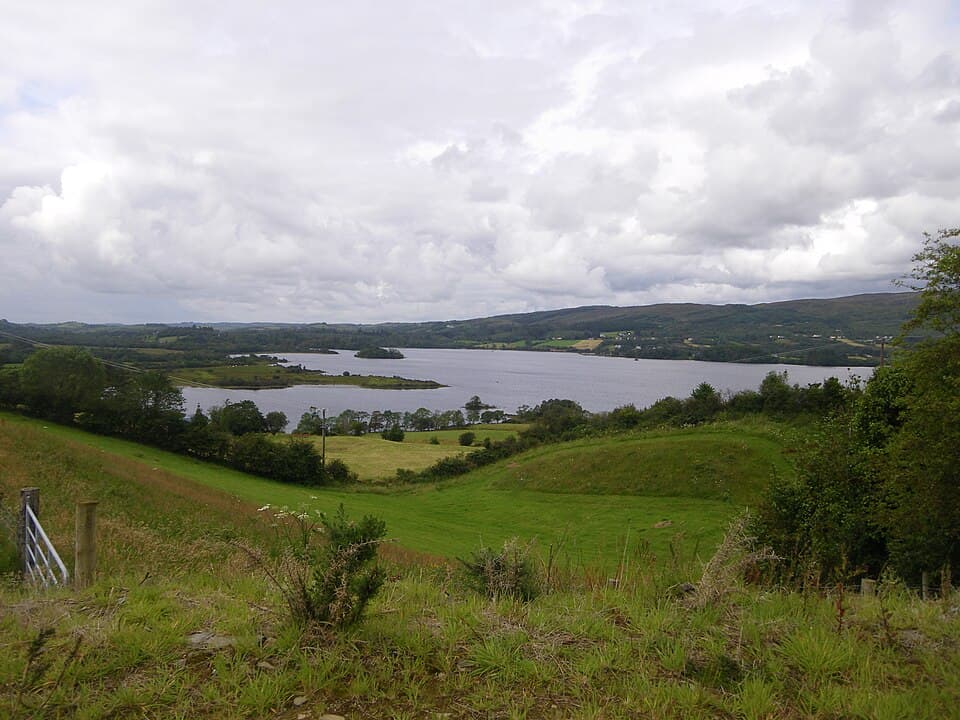
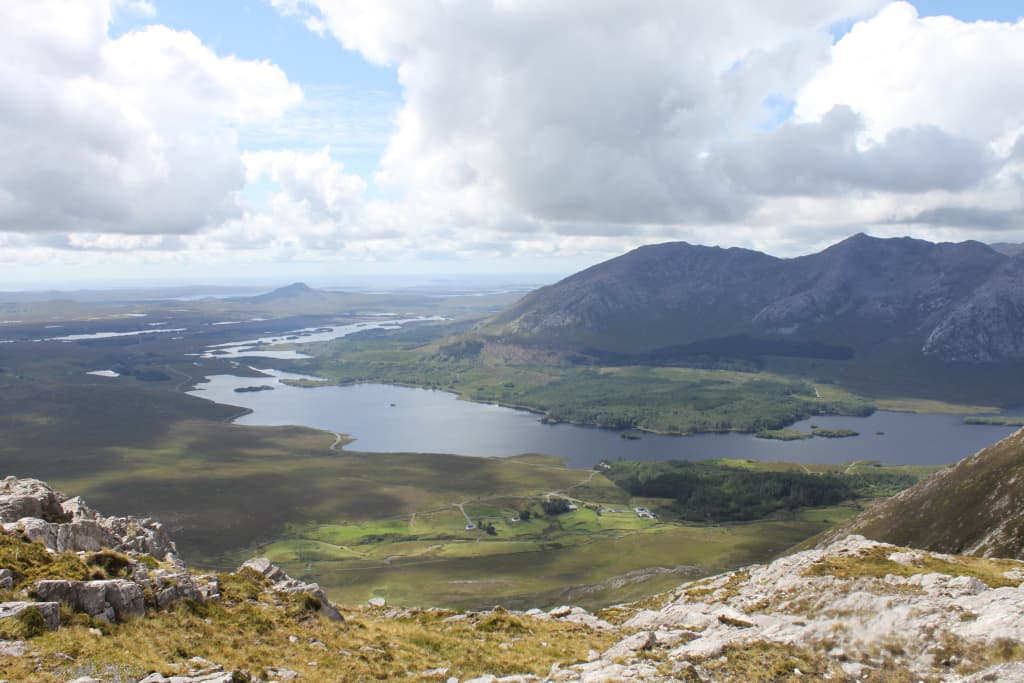
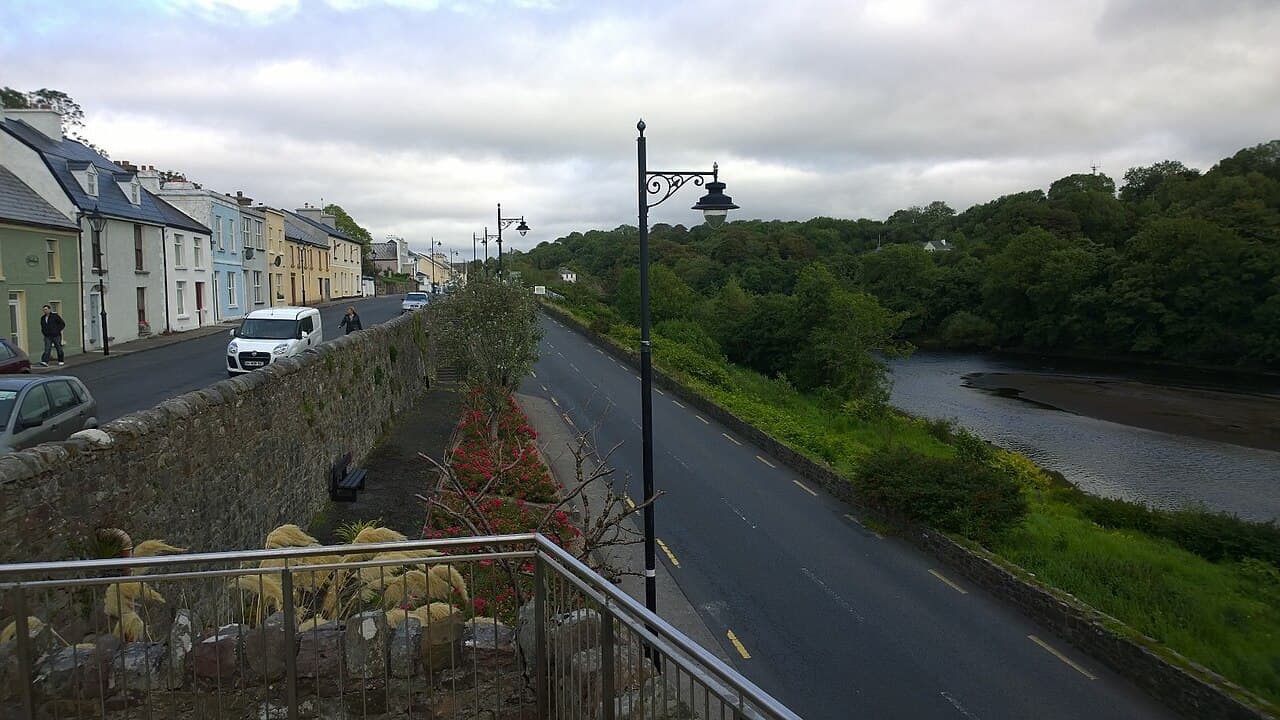
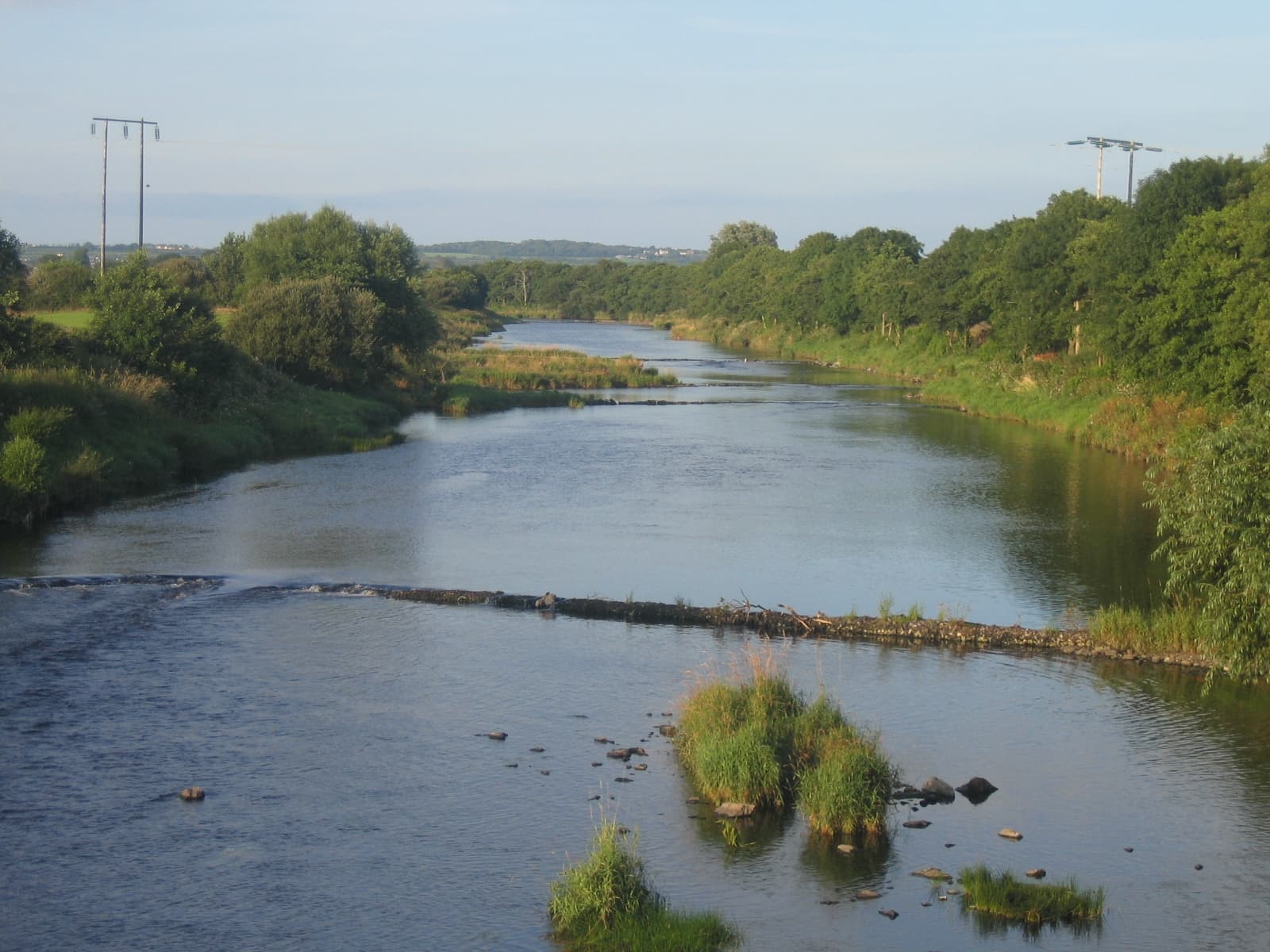
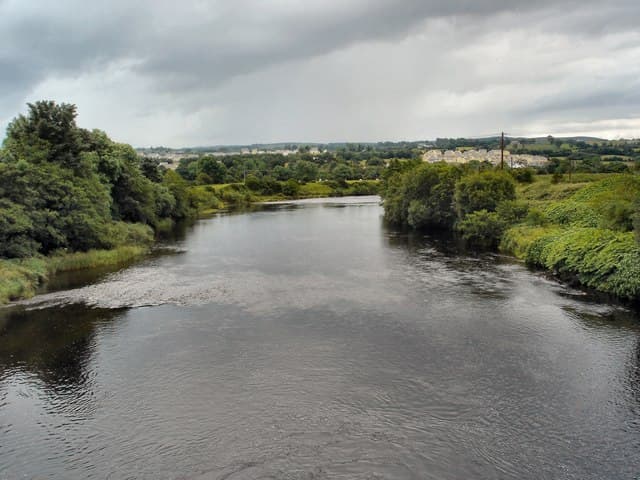
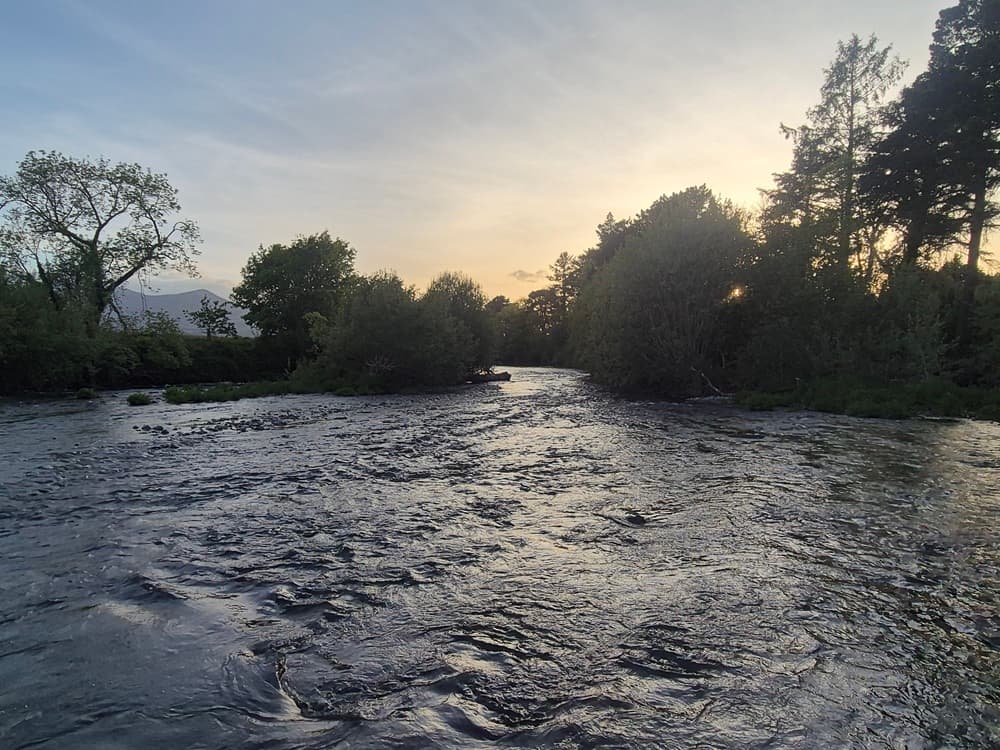
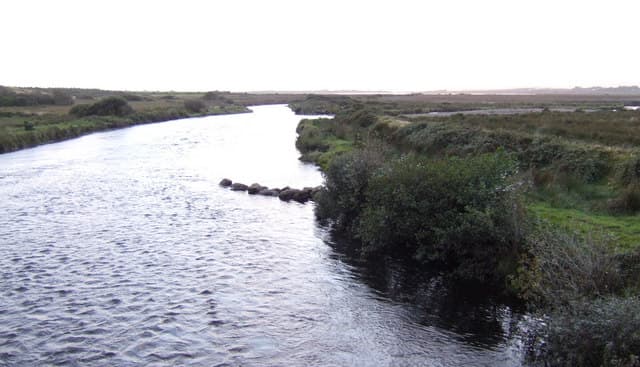
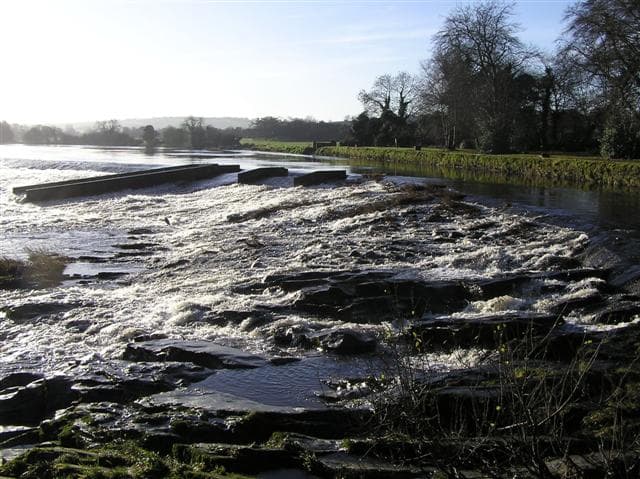
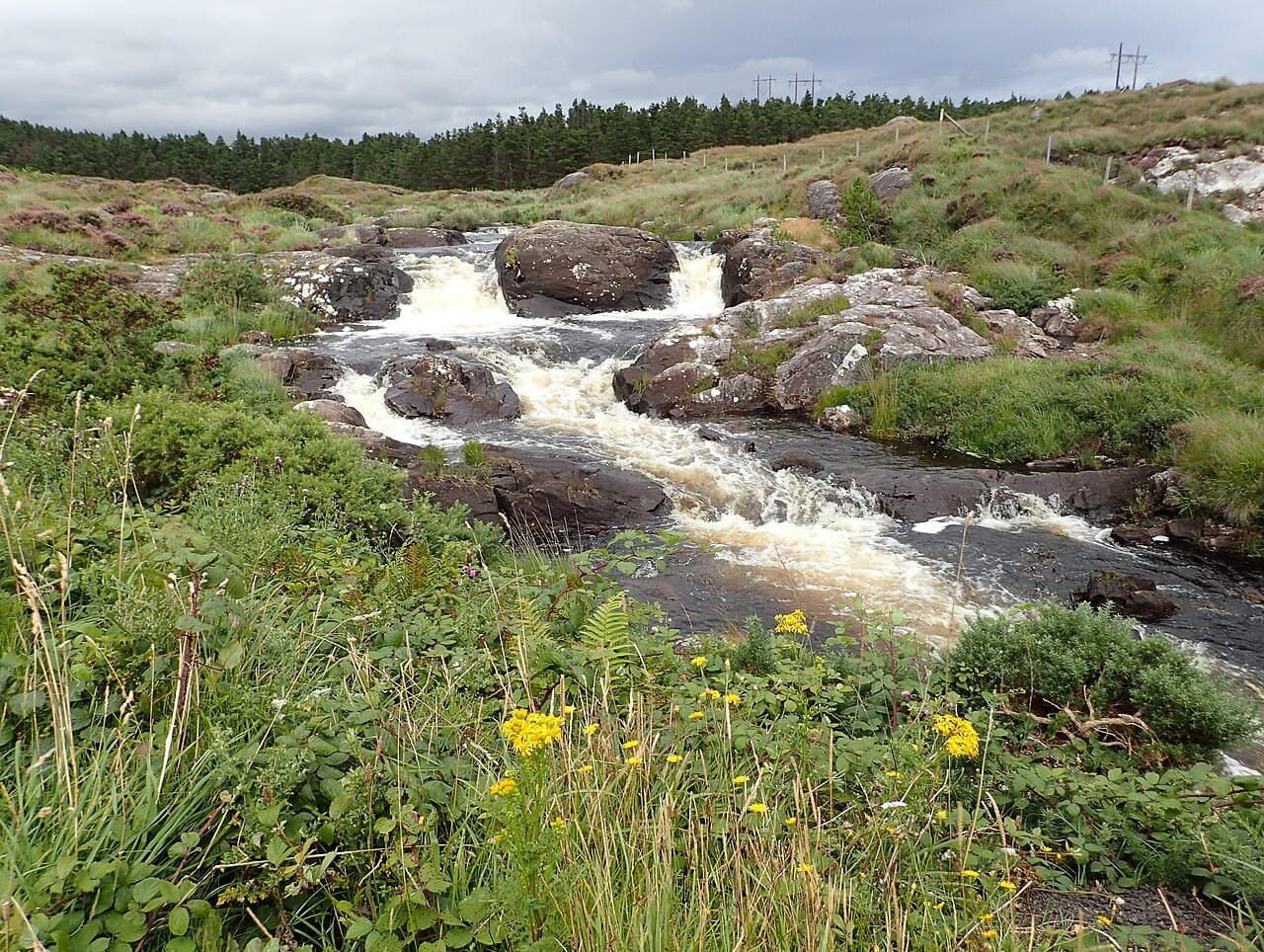
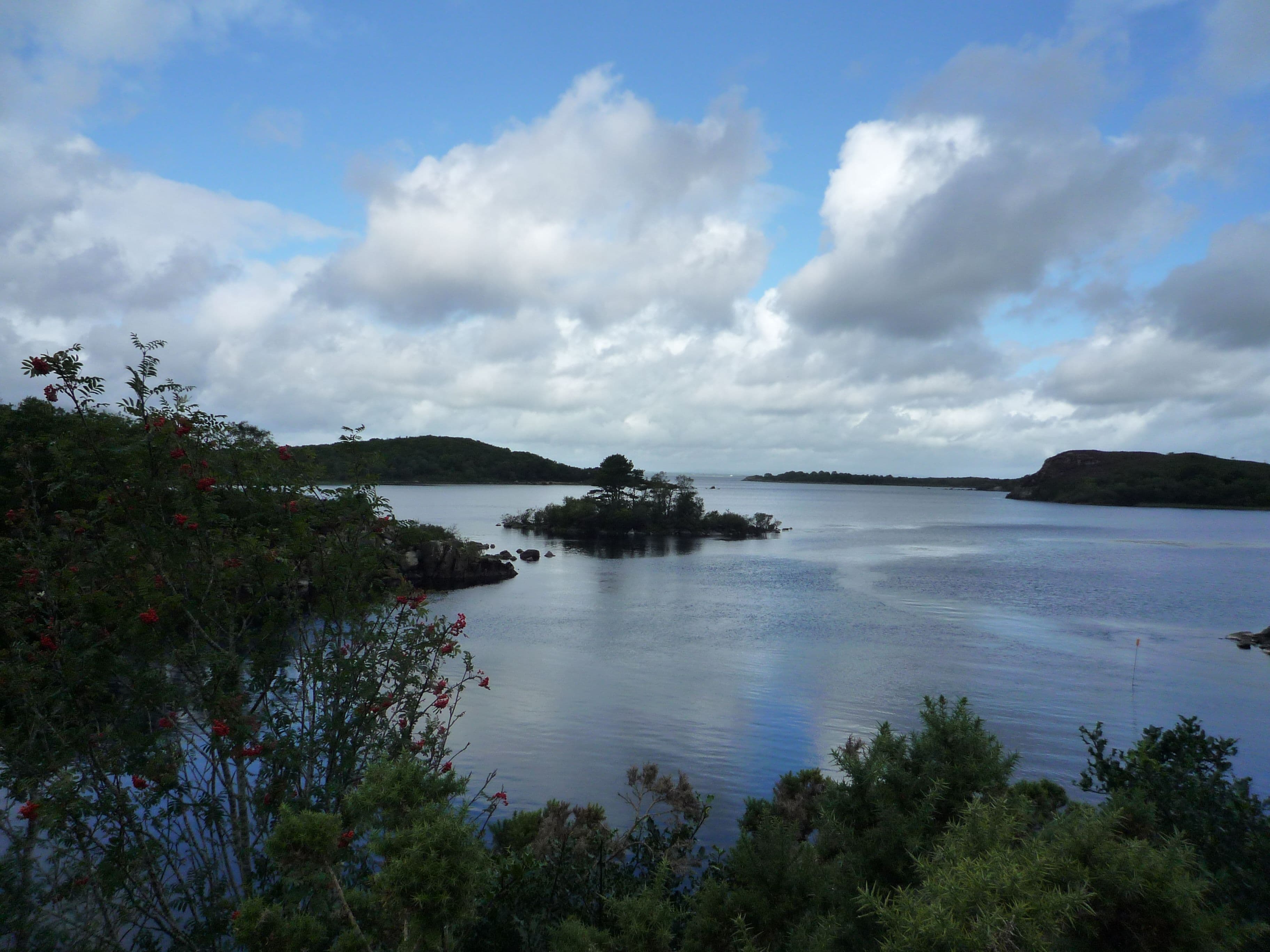
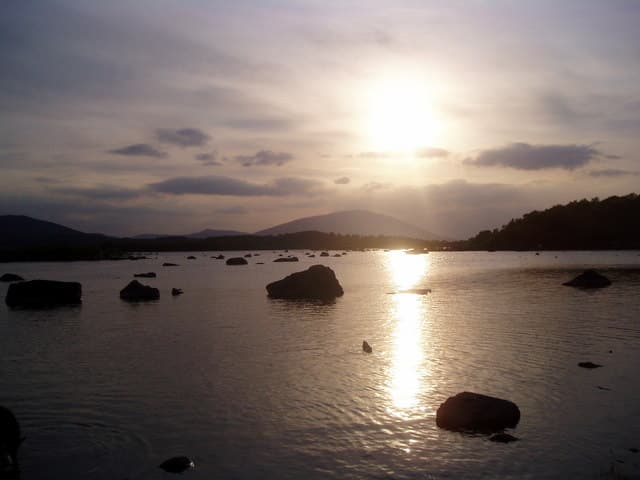
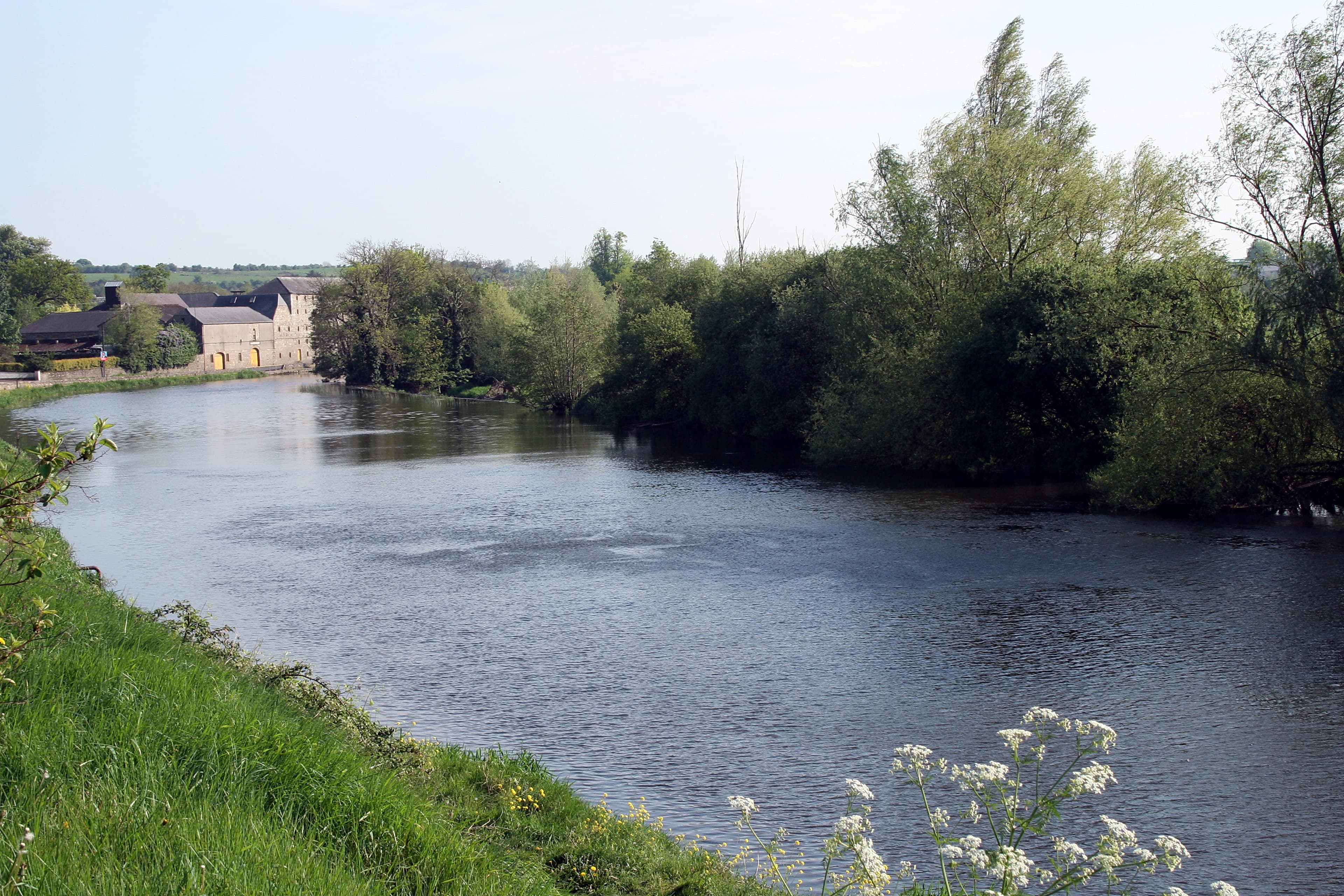
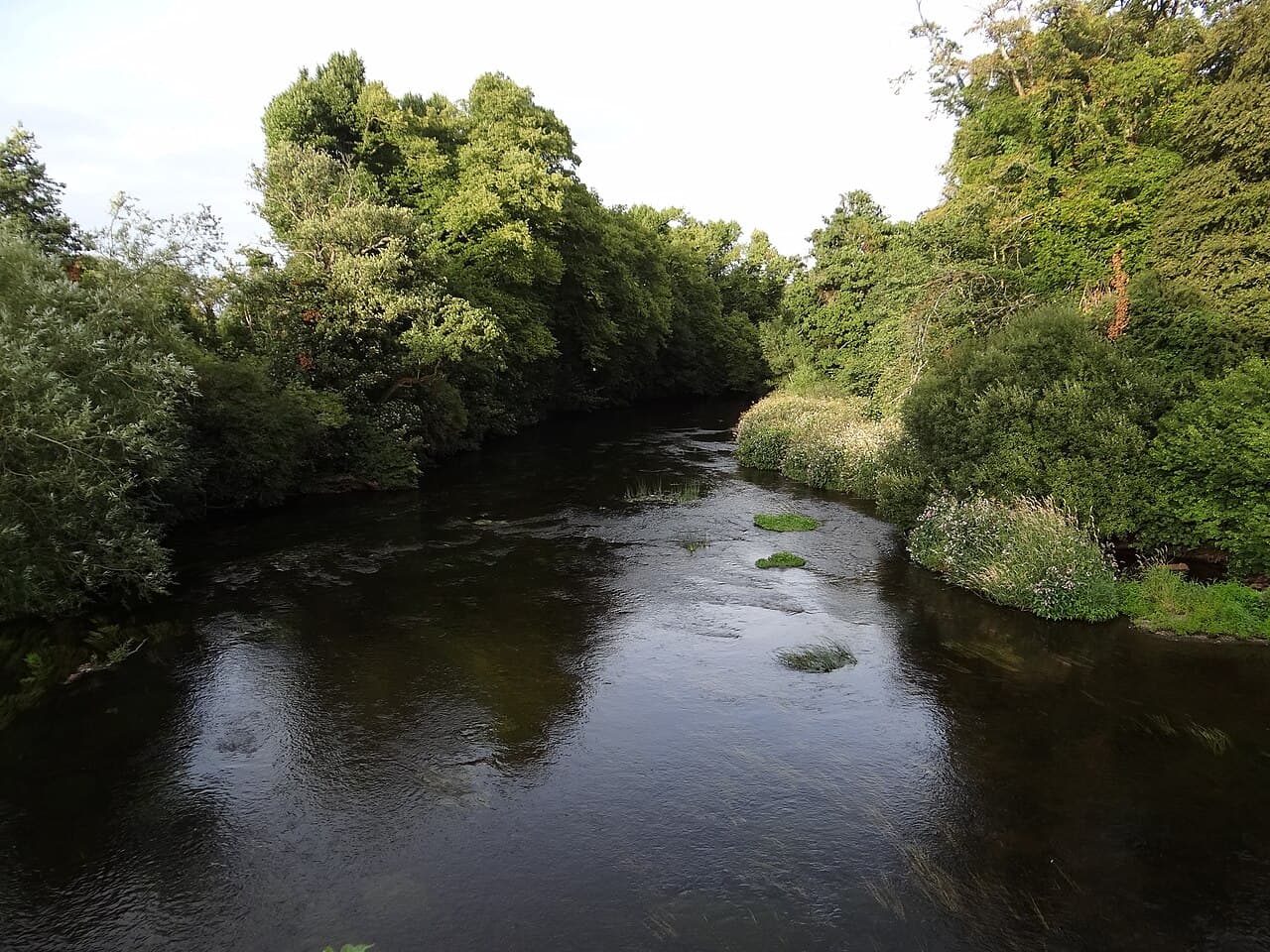
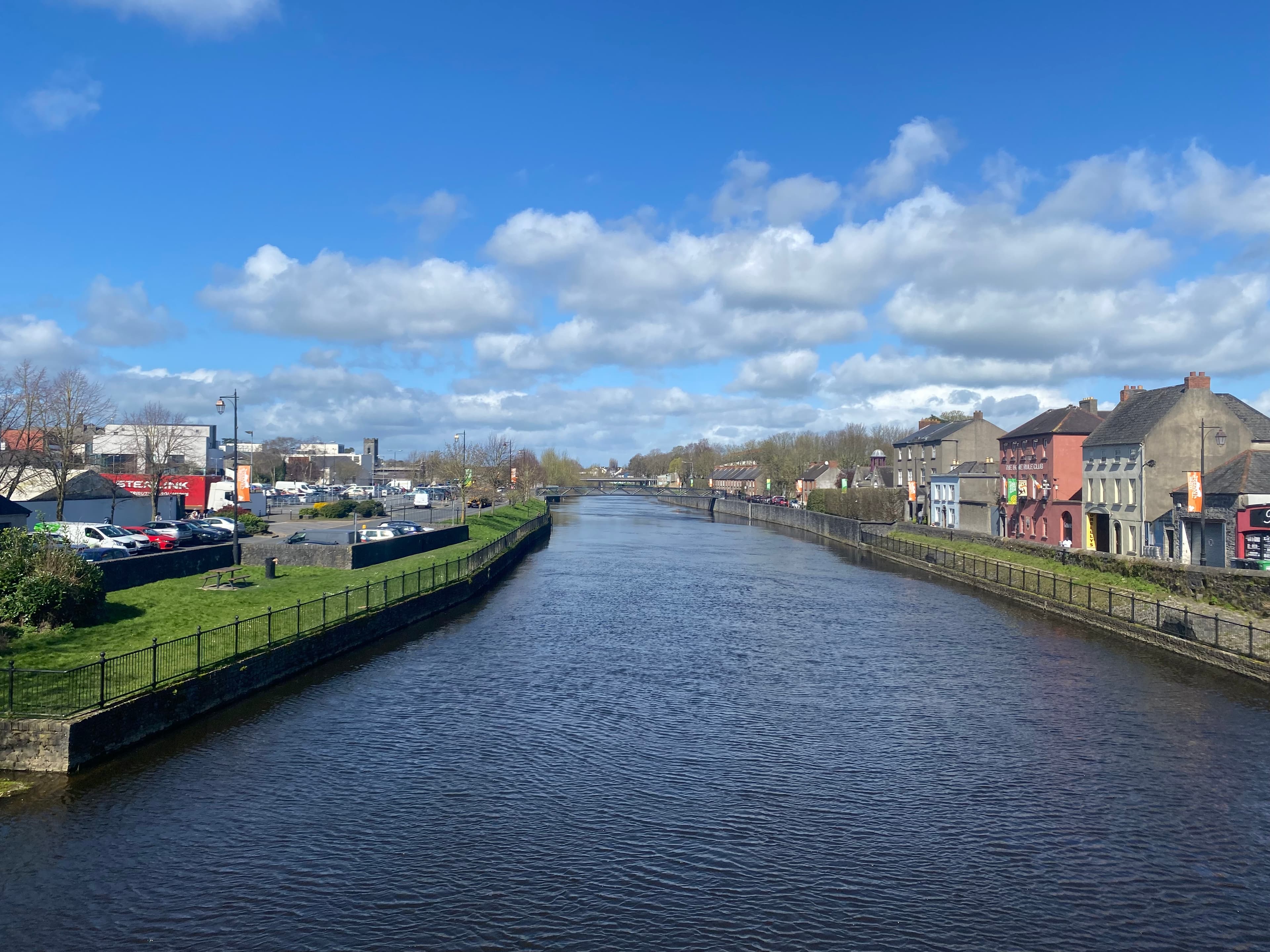
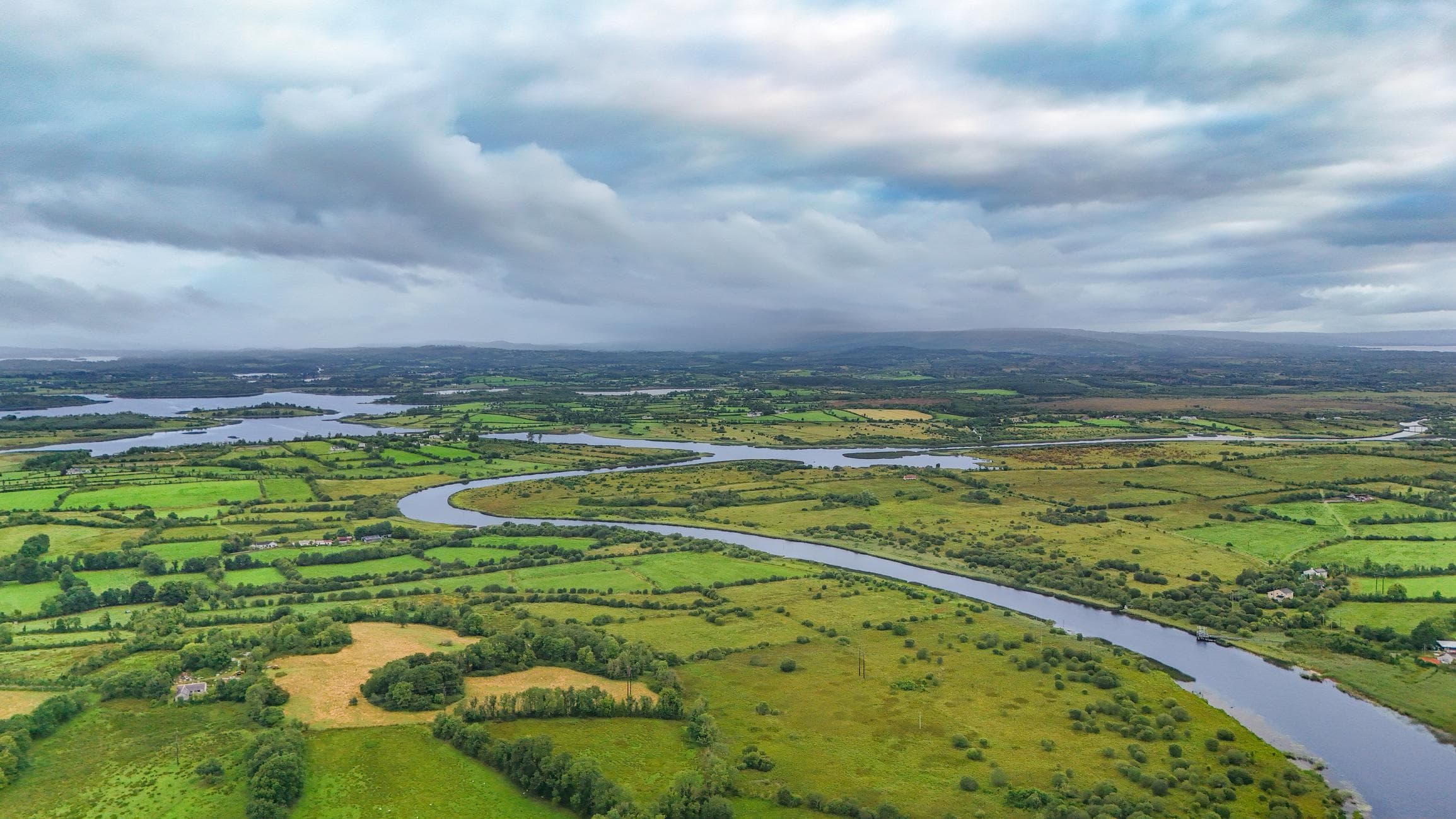
3 more waters with ISFC specimens (not yet on fishing.ie)
Frequently Asked Questions
Do I need a licence to fish for salmon in Ireland?
Yes — a State salmon licence is required everywhere in Ireland, plus a local fishery permit in most cases, and every fish retained must be tagged under the Wild Salmon and Sea Trout Tagging Scheme.
What's the bag limit for salmon?
A national limit of 7 fish per angler per season applies on rivers open for harvest — salmon can be retained at any size, sea trout must be over 40cm. Only 1 fish may be kept between 3 April and 31 May, rising to 3 a day between 1 June and 31 August. Many rivers are catch-and-release only for their whole season.
When's the best time of year for salmon?
Spring through early summer for spring salmon and early grilse, with a smaller autumn run on some rivers — exact timing depends heavily on the river and water levels.
What's the difference between salmon and grilse?
Grilse are salmon returning after just one winter at sea; spring salmon have spent two or more winters at sea and typically run larger. ISFC records both simply as Salmon.