📍Wexford · South East📋IFI (Republic of Ireland)Season Open
7Species Present
The Hook Peninsula in south County Wexford flanks the eastern side of Waterford Harbour and is home to Hook Head Lighthouse, one of the oldest operational lighthouses in the world. Its rock platforms and pierheads are well known shore-angling marks for wrasse, pollack, and bass.
County
Wexford
Region
South East
Type
Coastal
Nearest towns
Fethard-on-Sea, New Ross
Species
Bass, Pollack, Wrasse, Flounder, Mackerel, Conger Eel +1 more
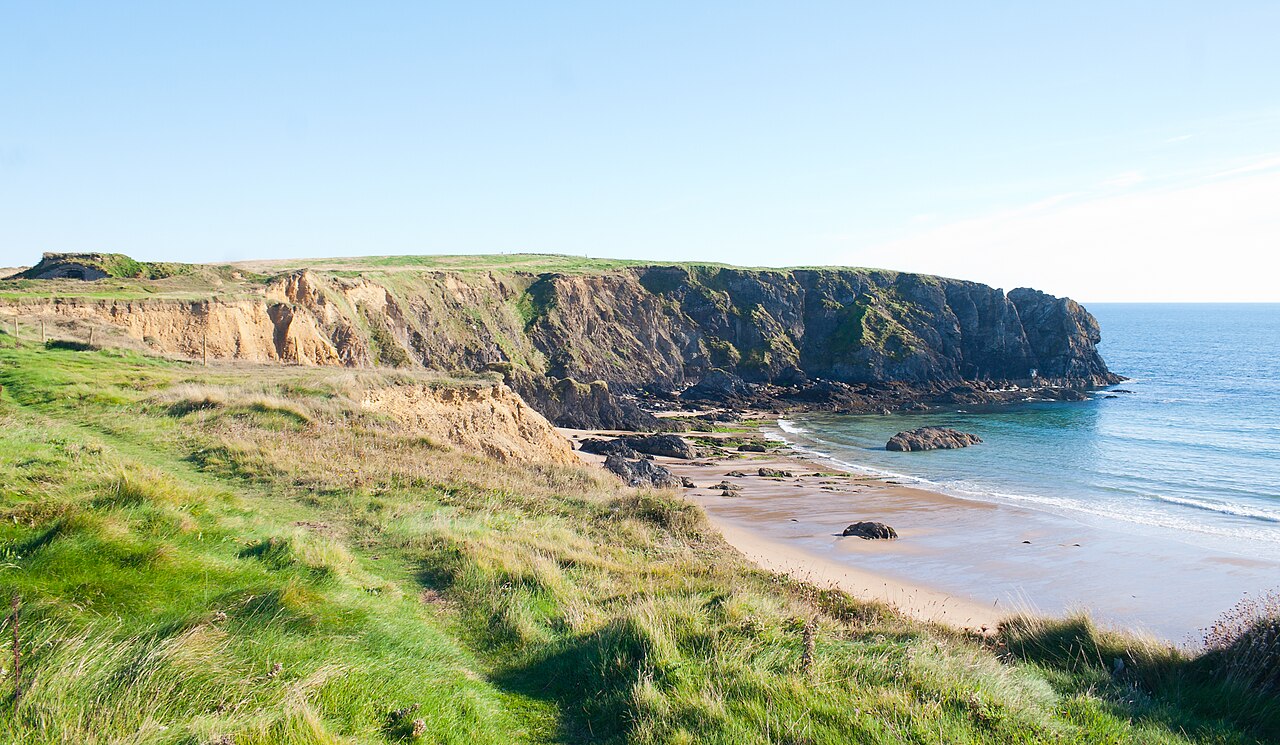
The Hook Peninsula in south County Wexford is one of Ireland's most celebrated shore fishing destinations, a long finger of limestone and rough ground pointing south into the Celtic Sea at the eastern entrance to Waterford Harbour. At its tip stands one of the oldest lighthouses in the world — a 12th-century tower built around 1172 that has guided ships through these waters for over 800 years. The peninsula offers an extraordinary range of coastal fishing environments within a compact area, from wave-washed rocky points and kelp-draped ledges to sheltered harbour walls and sandy surf beaches, all within reach of a short drive.
The peninsula runs roughly 25 kilometres from its base at Duncannon in the west and Grange Strand in the east down to Hook Head at its southernmost tip. The eastern and western shores offer dramatically different conditions on any given day, which is one of the peninsula's great practical advantages: when an easterly wind puts the eastern shore out of commission, the sheltered western flank from Duncannon south towards the tip comes into its own, and vice versa. This flexibility makes it a reliable destination throughout the season regardless of prevailing conditions.
European sea bass is the primary target species and the reason most visiting anglers make the journey to Hook. Lure fishing for bass is at its best from April through November — this is when guided sessions operate and when the most consistent sport can be expected on that method. Bait fishing is productive year-round, and bass can be caught through the winter months, though they require a different approach and the fishing is harder in cold water. The rocky ground from Hook Head north to Slade holds fish throughout the season, and bass to well over specimen weight — the Irish specimen is 4.536 kg (10 lb) — have been caught from the shore here. Fish are found working the kelp edges, rocky gullies, and any feature that concentrates baitfish on a moving tide.
Beyond bass, the peninsula offers excellent sport for pollack from the rocky headlands, with fish to several kilograms common on lures worked through the kelp. Ballan wrasse, some of exceptional size, inhabit the rough ground around Hook Head and Slade. Conger eel and bull huss are taken on bait from the heavier ground after dark. The harbour at Slade provides more sheltered fishing and regularly produces flounder and wrasse, while the surf beaches at the base of the peninsula can fish well for bass and flatfish when a southerly swell is running.
Lure fishing has become the dominant method for bass here, and for good reason: the broken, snaggy ground makes bait presentation difficult and tackle losses heavy. Light spinning rods loaded with braid, with soft plastic lures — sand eel and shad profiles in natural colours — worked through the kelp edges on a flooding tide produce consistent results. Understanding tides is essential: the tidal flow around Hook Head is powerful, and tide selection is highly mark-dependent — some marks on the peninsula fish exceptionally well on the ebb, while others come alive on the flood. Local knowledge of which marks suit which state of tide makes a meaningful difference to results. Dawn and dusk sessions are generally the most productive for bass, though anglers who know the ground well do connect with fish on bright days. Overcast conditions with a moderate westerly or south-westerly breeze are widely considered ideal.
Access to the peninsula is straightforward via the R733 and R734 from New Ross or from Waterford via the Passage East car ferry, which reduces the road journey significantly. Parking is available at Hook Head lighthouse (which is open to visitors year-round), at Slade village, and at various pull-ins along the coast road. Wexford and New Ross are the main accommodation bases. No licence or permit is required for sea fishing in Ireland, but bass regulations are subject to annual change — anglers should check current rules with Inland Fisheries Ireland before retaining any fish.
The peninsula is accessed via the R733 and R734 from New Ross, or from Waterford city via the Passage East car ferry (a short crossing that cuts the road journey considerably). Hook Head lighthouse has a car park suitable for approximately 60 vehicles plus additional rough ground parking nearby — this is the most popular base for fishing the southern end of the peninsula. Slade village, 1.5 km north-east of the lighthouse, has a small harbour with parking. The coast road north along the western shore passes several pull-ins giving access to the rocky ground between Slade and Duncannon. The terrain is rough in places and appropriate footwear is essential; some marks require scrambling over boulders and wet kelp. During summer months the area around Hook Head and Slade can be busy with tourist traffic — early morning visits avoid congestion.
Signature features
Rocky Ground from Hook Head to Slade
The stretch of coast from the lighthouse northwards to Slade village is the most productive for bass and pollack, with kelp-covered boulders, rocky gullies, and clean drops into slightly deeper water. This ground suits lure fishing from a careful approach — the footing is rough and safety requires attention.
Two-Sided Fishing
The eastern and western shores of the peninsula offer contrasting conditions on the same day. An easterly wind will put the eastern shore out of order while leaving the western flank from Duncannon south towards the tip calm and fishable, and vice versa. This makes Hook a reliable destination in variable Irish weather conditions.
Slade Harbour
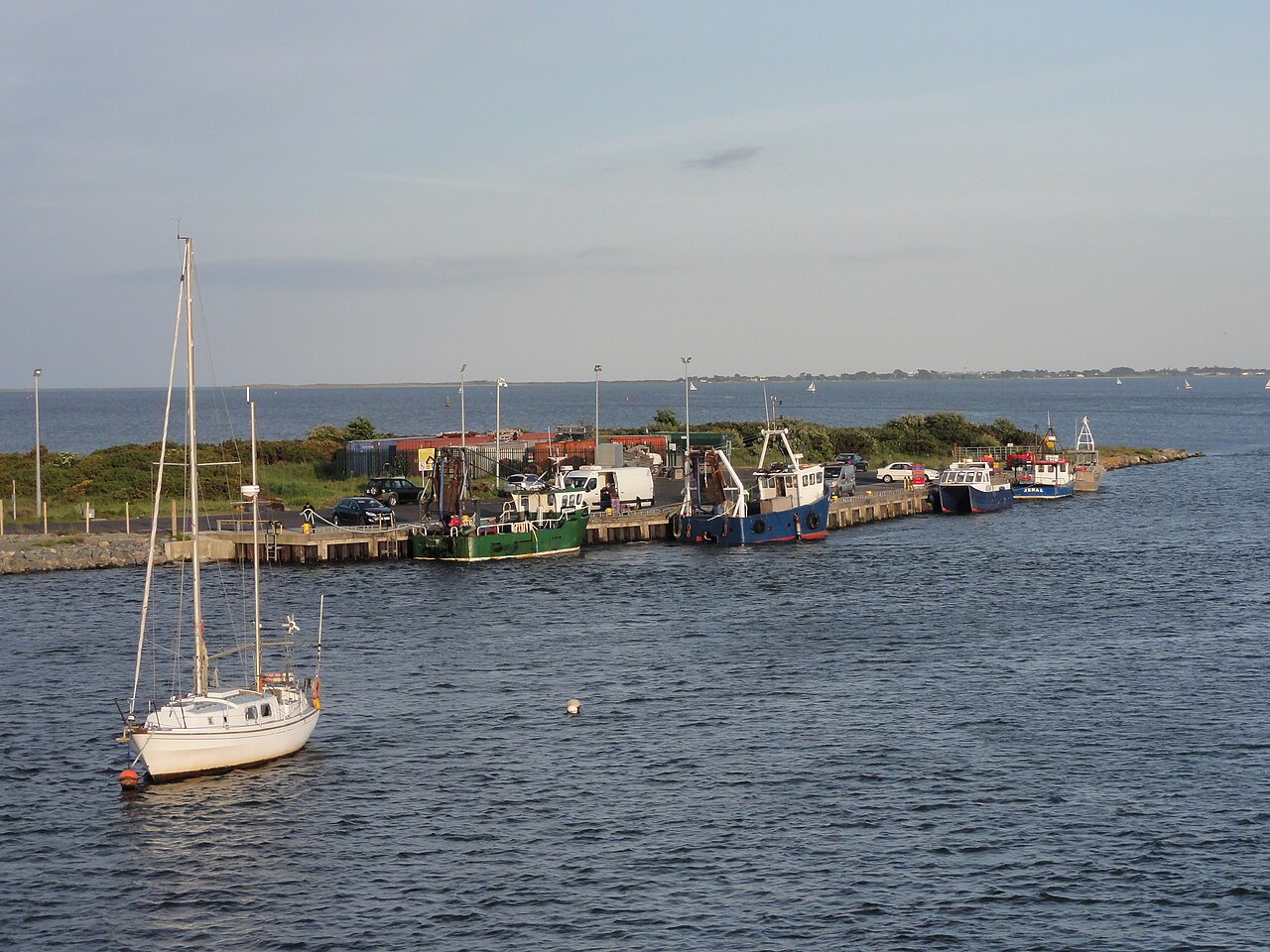
The small harbour at Slade, overlooked by a late-medieval tower house, provides sheltered fishing for wrasse, flounder, and occasional bass. It is particularly useful when the open coast is too rough, and suits beginners or those who prefer fishing from a stable platform rather than rough rocky ground.
Baginbun Point
On the eastern side of the peninsula, Baginbun Point offers good sport for pollack, wrasse, and mackerel from its rocky foreshore. The point has strong tidal flow and is best fished around the push of the tide.
Season by season
April – May
The season begins as bass move inshore with the warming water. Early fish tend to be smaller, but this is when the ground is least pressured and sport can be excellent. Pollack are also good value at this time of year.
June – September
Peak season. Bass are present throughout the peninsula and summer conditions bring more hours of comfortable fishing. Mackerel arrive and can be used as live or fresh bait. The rocky ground around Hook Head and Slade is at its most productive.
October – November
Autumn often produces the largest bass of the year as fish feed heavily before moving offshore for winter. Water temperatures remain reasonable into October. November can produce good sport in settled weather, but conditions become more challenging.
December – March
Bait fishing remains productive through the winter months for flounder, wrasse, and the occasional bass. Bass are harder to find and require a change of approach — slower presentations, different marks, and a willingness to search — but dedicated anglers do connect with fish. The exposed rocky ground is weather-dependent; Slade Harbour and Duncannon offer more sheltered options.
Best conditions
Based on 0 reports, these conditions consistently produce the best fishing on Hook Peninsula:
💨
SW or W Force 2–4
Best wind
☁️
Overcast or partly cloudy
Best sky
🌡️
14–18°C (July–September)
Water temp
⏰
First two hours of the flooding tide; dawn and dusk sessions
Best window
Seasonal fly & tactics guide
Bass — Spring and Early Summer (April–June)
Patterns
Sand eel profile soft plasticsShad tails in natural coloursSurface lures at dawn
Work soft plastic lures — sand eel and shad profiles in white, pearl, or natural colours — along the kelp edges on the push of the tide. Keep the lure close to the bottom and retrieve slowly, allowing it to bump through the weed. Fan cast to cover ground. Fish are often tightly grouped early in the season. First light sessions are most productive. Note: For 2026, bass are catch and release only during February and March. Outside those months, the minimum size to retain is 42 cm with a maximum of 2 fish per angler in 24 hours. Any good guide will promote catch and release year-round regardless of the regulations.
⚠️Common mistake: Covering too much ground too quickly. Working one good mark thoroughly — at the right state of tide, with a methodical approach to the kelp edges and gullies — consistently outperforms chasing multiple spots. Low-light sessions at dawn and dusk are generally the most reliable, but bright days can and do produce fish for anglers who know the ground.
Bass — Summer Peak (July–September)
Patterns
Soft plasticsHard lures (shallow divers)Surface lures in flat calm conditions
During summer the fish are widely distributed. Focus effort on the flooding tide — bass follow the baitfish as the tide pushes onto the rocky shelves. Hard surface lures worked across calm water at first light can produce spectacular takes. As pressure increases through the summer, less-visited marks away from the main Hook Head car park often fish better.
⚠️Common mistake: Using braid leader diameters that are too heavy on clear, calm summer water. In bright conditions, stepping down to a lighter fluorocarbon leader can make a significant difference to takes.
Core technique
Shore Lure Fishing for Bass
1Arrive at the mark at least 30 minutes before the tide begins to push — the first hour of the flooding tide is often the most productive window.
2Set up a light to medium spinning rod (8–10ft, 10–30g casting weight) with a braid mainline and 15–20lb fluorocarbon leader of 1.5–2 metres.
3Select a soft plastic lure in a sand eel or shad profile. Natural colours (white, pearl, sand, light green) work consistently on Hook. Rig it on a lightweight jig head (5–10g depending on depth and current).
4Cast across the current and retrieve slowly, keeping contact with the bottom. Allow the lure to drop into gullies and work along the kelp edge rather than over the top of it.
5If takes are not coming, vary the retrieve — a lift-and-drop presentation often triggers bass that are following but not committing.
💡 Safety is paramount on the rocky ground at Hook. Wear non-slip footwear, never fish alone on rough ground, and always check swell conditions before heading out. Ground swell on the south-facing rocks can arrive with little warning and reach dangerous heights in onshore winds.
What works here
Flies and methods reported most successful by the community.
Where to Fish at Hook Peninsula
Hook Head — The Lighthouse Rocks
The rocks below and around the lighthouse provide classic lure fishing for bass and pollack from a relatively accessible starting point. The car park makes access easy, which also means this area receives the most pressure. Early morning visits, particularly on weekdays, fish best.
Slade to Hook Head
The 1.5 km stretch of rocky coastline between Slade village and the lighthouse is the heart of the peninsula's bass fishing. The ground is rough, the kelp is dense, and tackle losses are part of the deal, but the potential for quality bass is high. This section fishes best on the push of a south-westerly tide.
Slade Harbour
A sheltered stone harbour with a small pier and castle ruin. Provides accessible, stable fishing for wrasse, flounder, and occasional bass. Suitable for families and those new to sea fishing who prefer calmer conditions.
Baginbun Point
On the eastern shore, Baginbun is a rocky headland producing good pollack and wrasse along with the occasional bass. Best approached from Fethard-on-Sea. The strong tidal run makes it most productive in the first two hours of the flood.
Duncannon
At the north-western base of the peninsula, Duncannon beach and the waters around the old fort offer bass fishing from both sandy and rocky ground. More sheltered than the southern marks and a good option in rough southerly conditions.
Suggested trip formats
🎣 Day Session from Wexford
The peninsula is 50 km from Wexford town via the R733 and R734 — approximately 45 minutes. A dawn-to-midday session covering the Hook Head rocks and Slade makes a very productive day trip, with a visit to the lighthouse a natural addition.
🎣 Weekend from Waterford
Waterford city is just 29 km from Hook Head via the Passage East car ferry, making it an ideal base for a weekend visit. The short ferry crossing adds to the experience and the city has good accommodation options.
🎣 Guided Session
First-time visitors and those looking to develop their lure fishing technique will benefit significantly from a guided session. A good local guide will know which marks are fishing, the correct tides to target, and how to avoid losing tackle to the rough ground.
Conservation & stewardship
🌿
European sea bass are subject to conservation measures under Irish and EU law. Under 2026 IFI regulations, bass must be returned alive during February and March. In all other months, the minimum size to retain a fish is 42cm and the daily bag limit is 2 fish per angler. Regulations are reviewed annually — check fishinginireland.info for the current season rules before retaining any bass. Catch and release is practised as standard by local guides and serious bass anglers throughout the year, regardless of what the regulations permit. Handle bass with wet hands, support the fish fully, minimise time out of water, and return it carefully. This approach protects a hard-won recovery in bass stocks and ensures the sport survives for future generations.
Frequently asked questions
Before You Go — Key Regulations
Jurisdiction
Republic of Ireland (IFI)
Season
April – November
No licence or permit is required for sea fishing in Ireland. European sea bass are subject to annual regulations set by Inland Fisheries Ireland.
Main access: Professional guided bass fishing sessions are available from Hook Peninsula-based guides. Check the fishing.ie provider directory for current listings., Wexford Angling (Wexford town) for tackle and bait. Hook Lighthouse Visitor Centre has a café on site at the tip of the peninsula., Wexford Harbour Boat and Tennis Club; South East Angling for local knowledge and contacts.