- Specimens recorded
- 198 (2000–2025)
- Years on record
- 2000–2025
- Top venue by specimens
- Youghal
- Current specimen threshold
- 1.10kg (2lb 7oz)
- Irish record
- 2.23kg (4lb 15oz)
Flounder in Ireland
Flounder (Platichthys flesus) is Ireland's most widespread flatfish, found on sandy and muddy bottoms in estuaries, harbours, and along open beaches around the entire coast. Tolerant of brackish and even fresh water, flounder often push well up into estuaries and the tidal reaches of rivers, making them accessible to a wide range of shore marks.
Flounder are a popular winter target in Ireland, when many other inshore sea species have moved to deeper water — a period when flounder fishing genuinely comes into its own rather than being a summer sideline.
The species is a favourite introductory sea fish for many Irish anglers thanks to its wide distribution and willingness to take a simple bottom-fished bait.
When Flounder Fish in Ireland
ISFC specimens peak strongly in November and October — a clear autumn-into-winter pattern, when flounder feed hard in preparation for the colder months, well after most summer sea species have quietened down.
Based on ISFC specimen records — reflects where anglers fish and submit claims, not necessarily where the species is most abundant.
Where Flounder Fish Best
Venue rankings below come from ratified specimen submissions, not scientific stock surveys — popular, well-fished venues will always show more specimens than remote or lightly-fished ones holding the same fish.
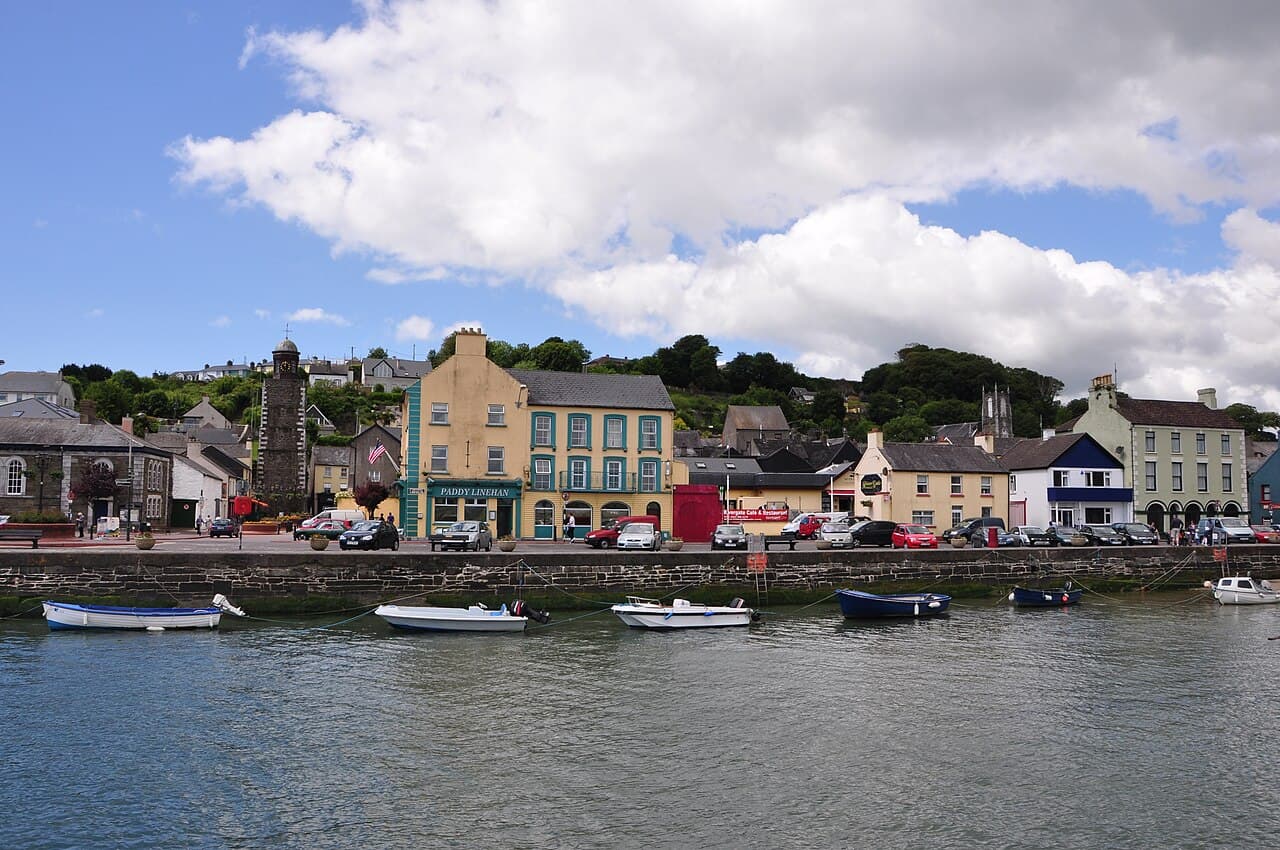
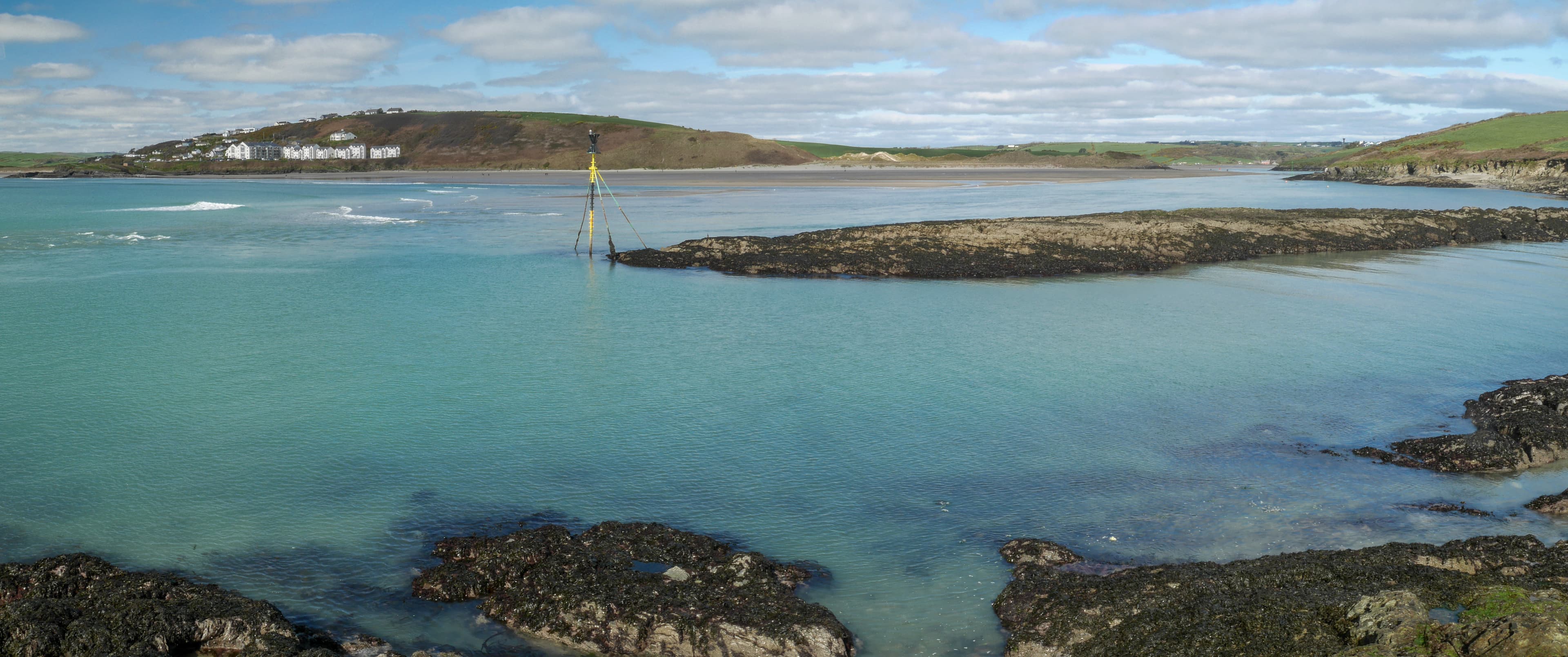
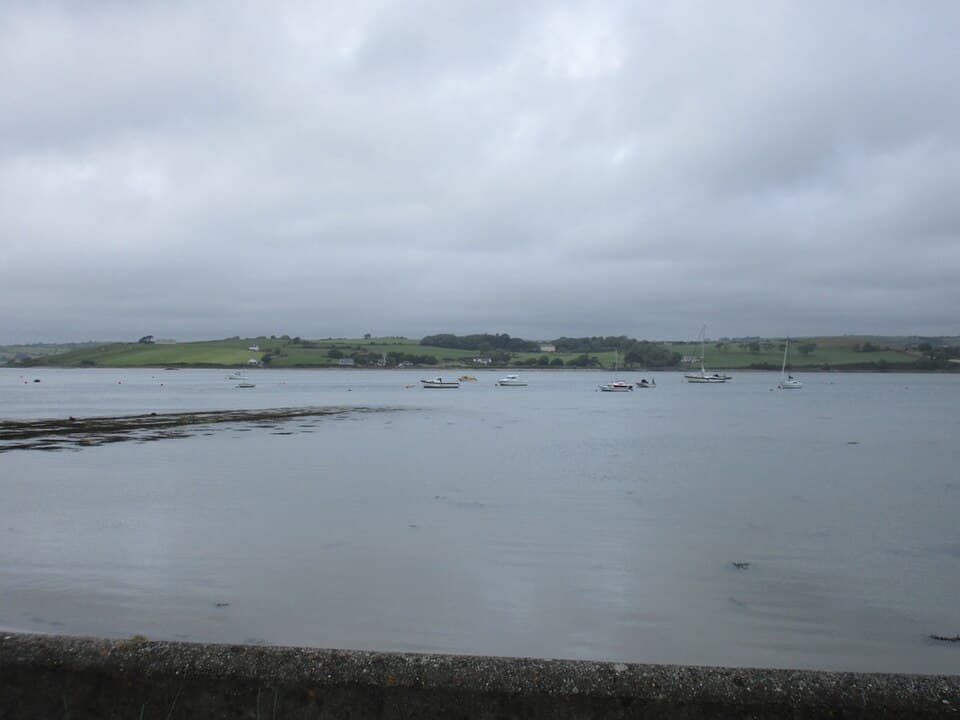
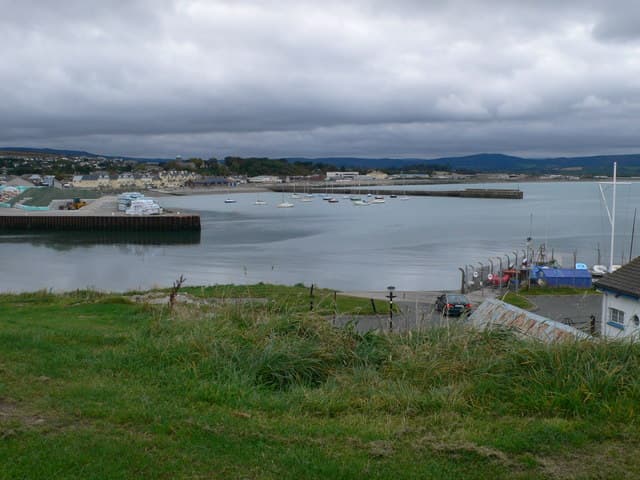
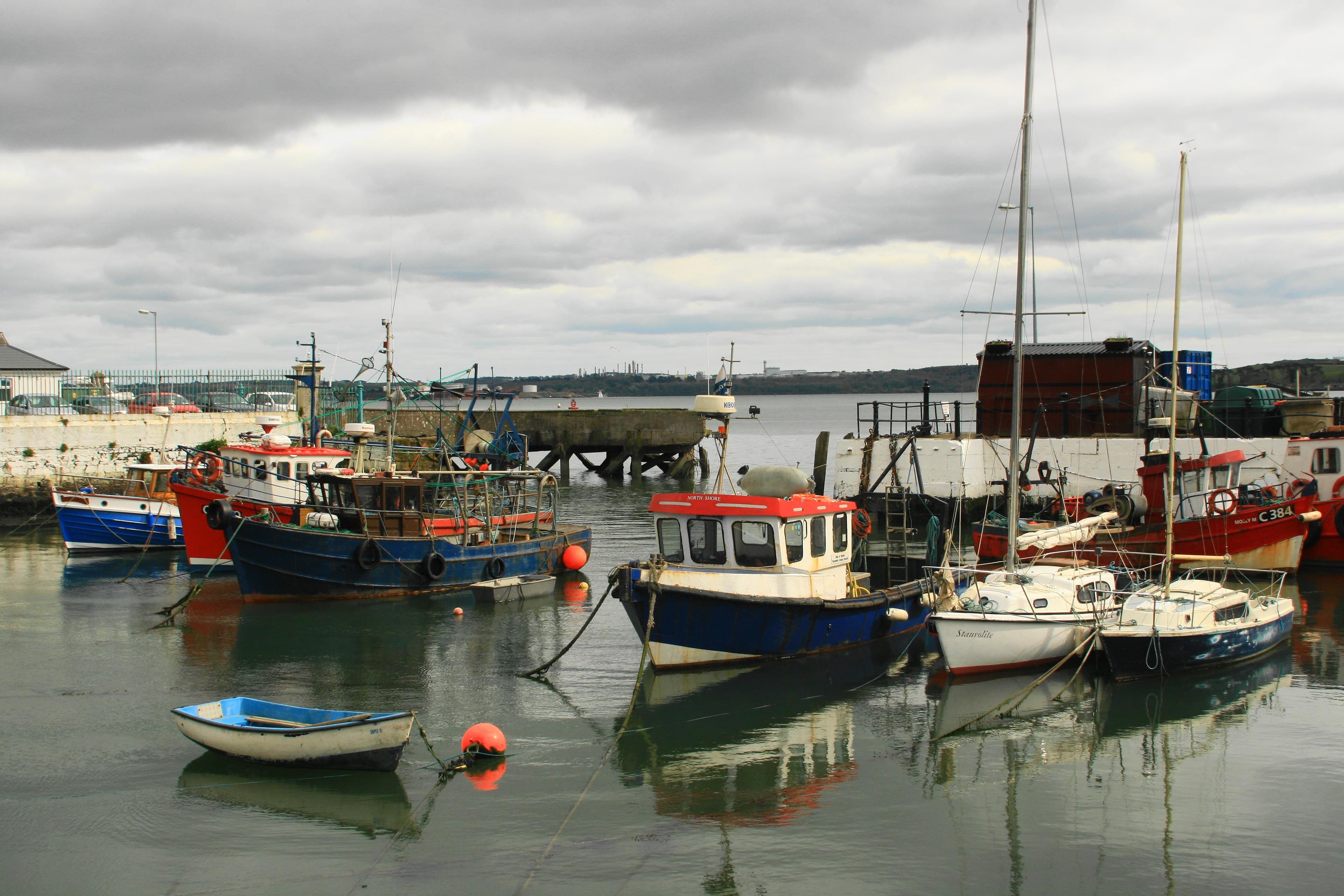
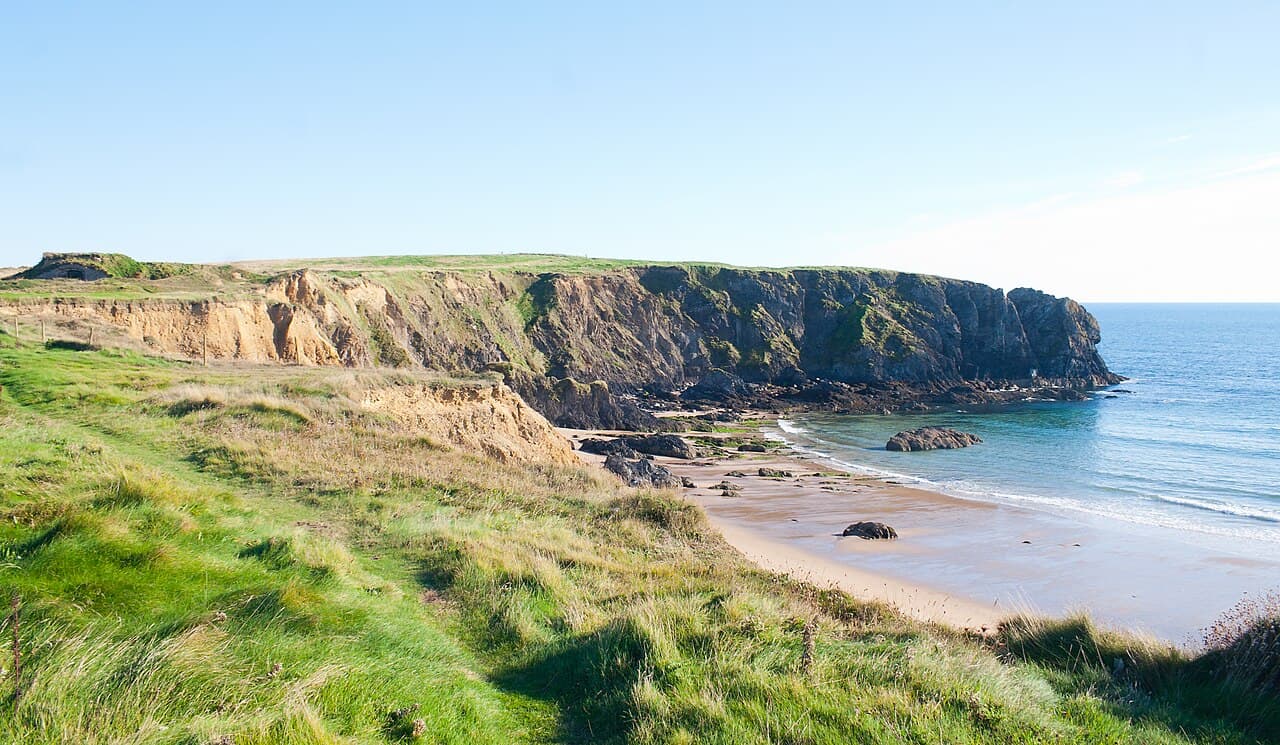
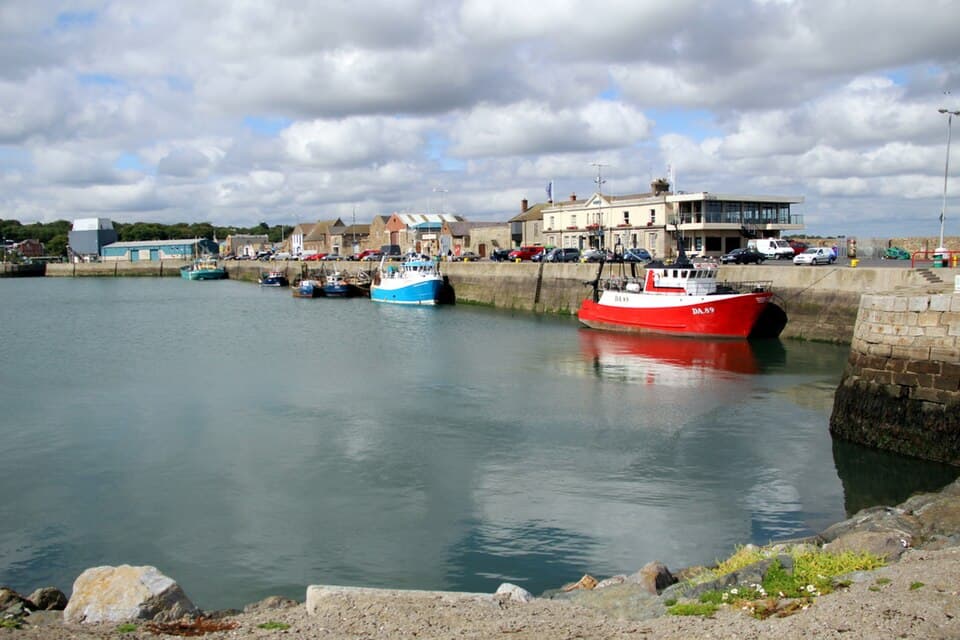
Youghal leads the flounder specimen record by a wide margin, with Ballyteigue, Cullenstown, and Bannow Bay also contributing — sandy estuary and bay marks along the south and southeast coast dominate.
See every fishing.ie venue for flounder — ISFC-ranked or not — in the full directory below.
Size and Specimens
A specimen flounder is a genuinely large individual for a species most anglers catch in modest numbers — the current threshold represents serious, deliberate targeting rather than an incidental catch.
Based on ISFC specimen and threshold records — reflects where anglers fish and submit claims, not necessarily where the species is most abundant.
How to Catch Flounder
Bottom-fished lugworm or ragworm on a simple running leger, cast to sandy or muddy bottom close to channels and drop-offs, takes most flounder.
A small spoon or bead added above the hook to attract attention through vibration and flash is a well-known Irish flounder trick, often outperforming bait fished alone.
Fishing close to estuary channel edges and drop-offs, where flounder patrol looking for disturbed food, tends to out-produce open flat sand.
Autumn and winter cold snaps, counterintuitively, often trigger some of the best flounder fishing of the year rather than shutting it down.
Rules and Conservation
No state licence is required for sea angling from shore or boat in the Republic of Ireland.
No licence is required for sea angling in Northern Ireland — DAERA rod licences apply to freshwater and game/coarse fishing, not sea fishing.
Flounder Venues in Ireland
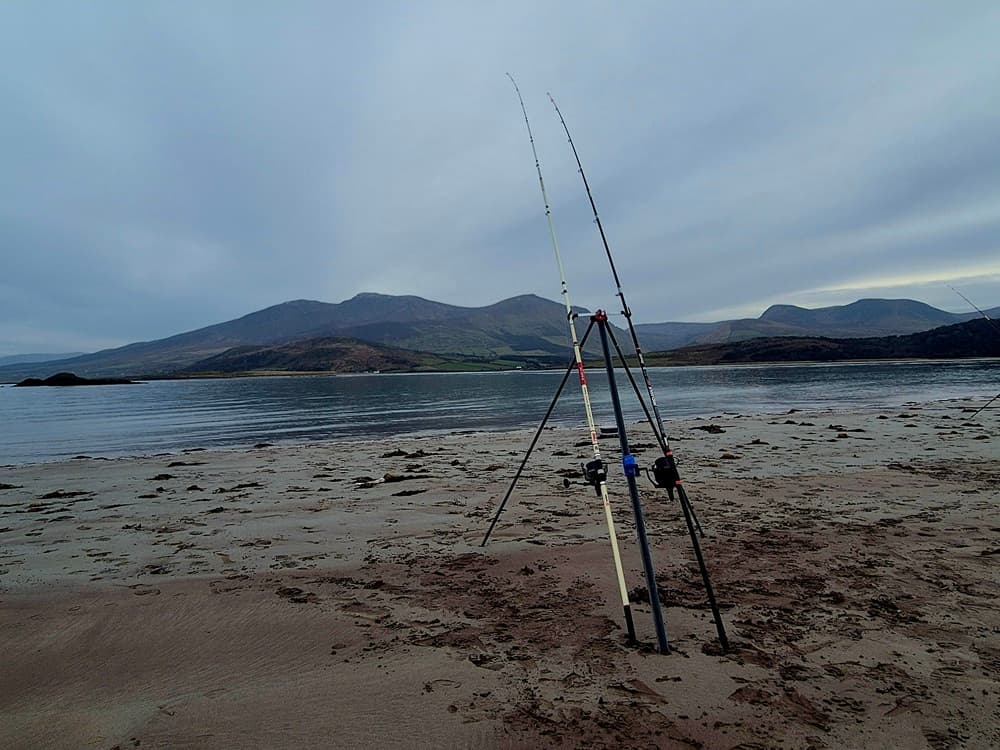
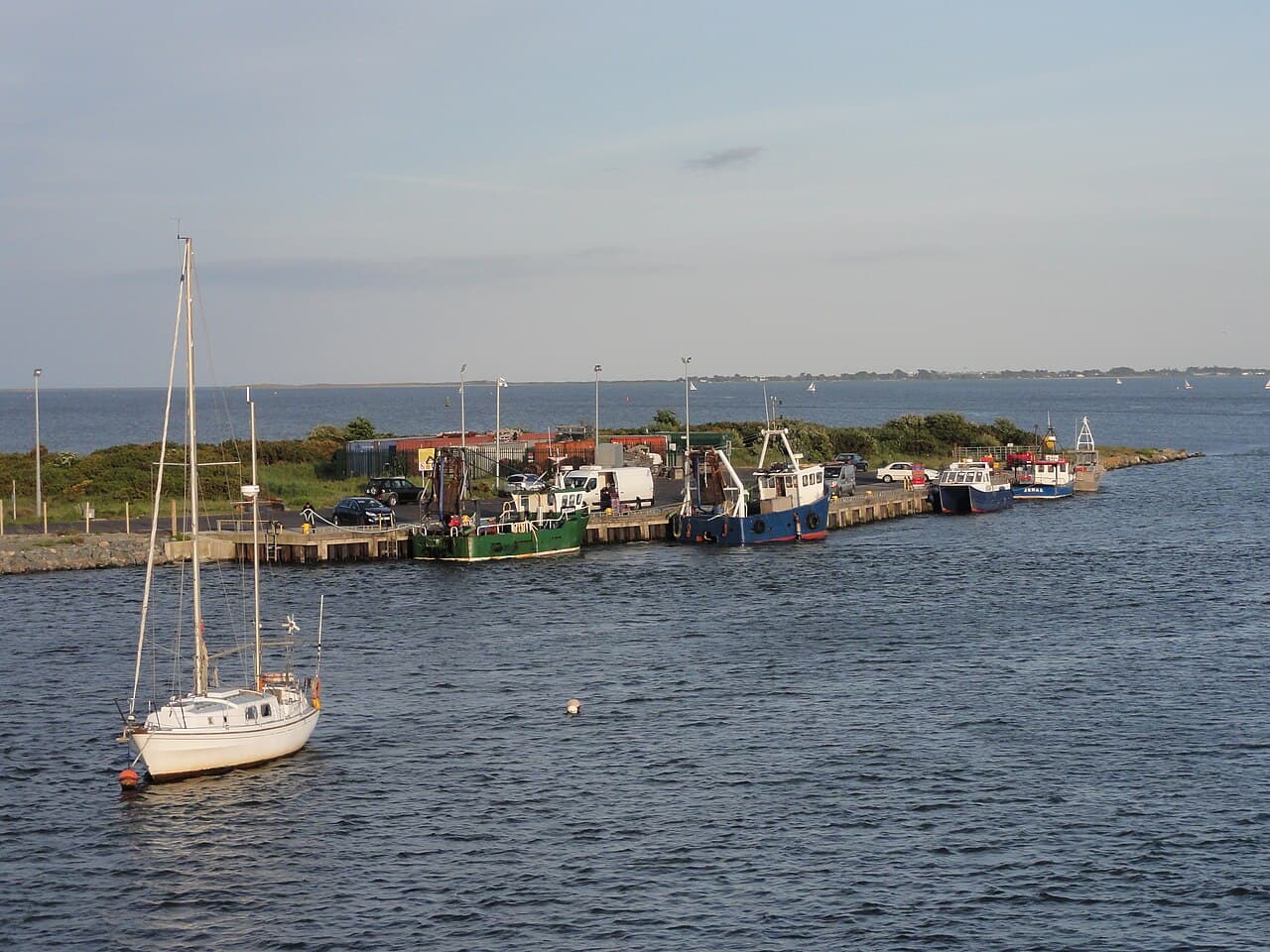
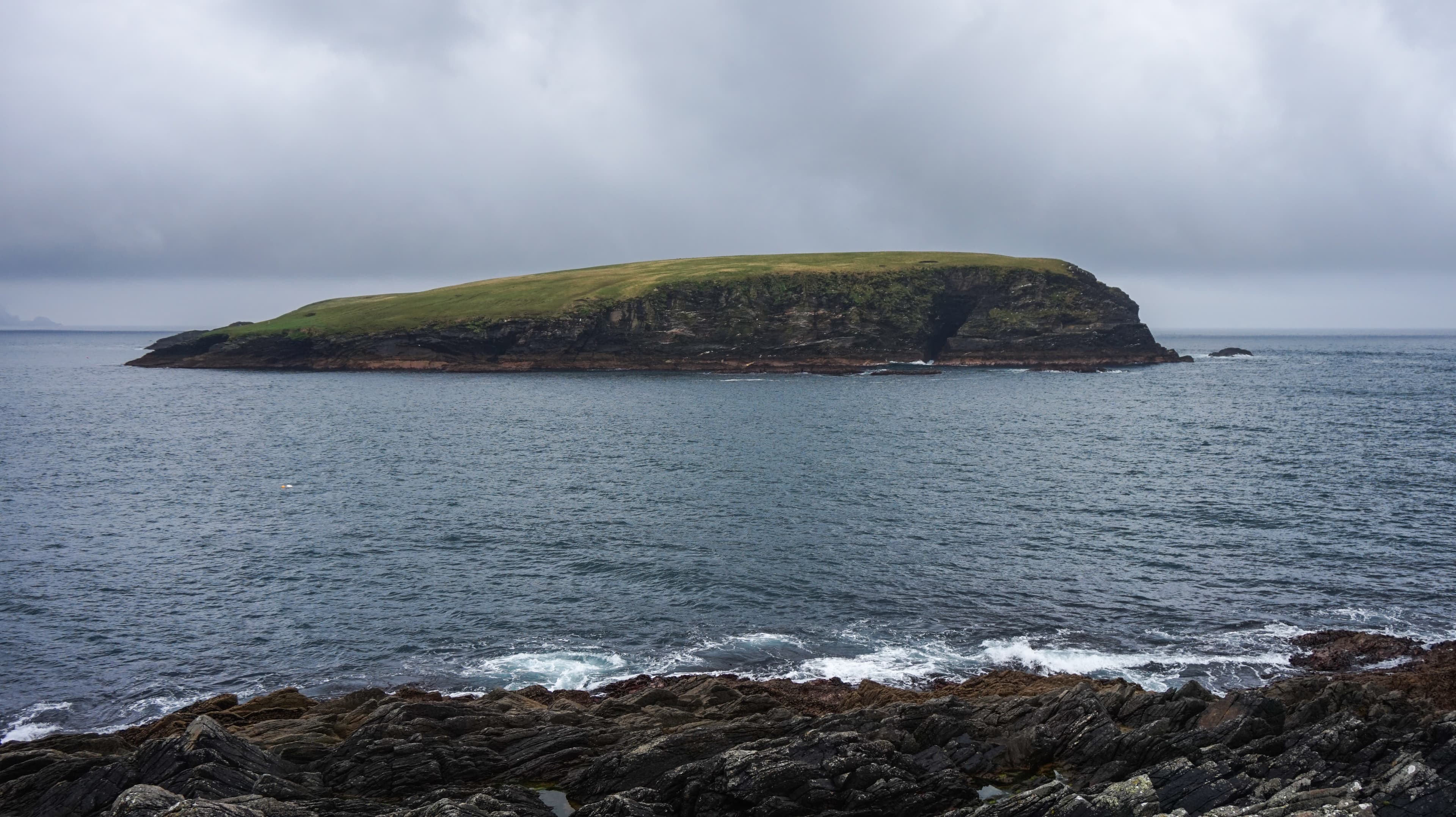
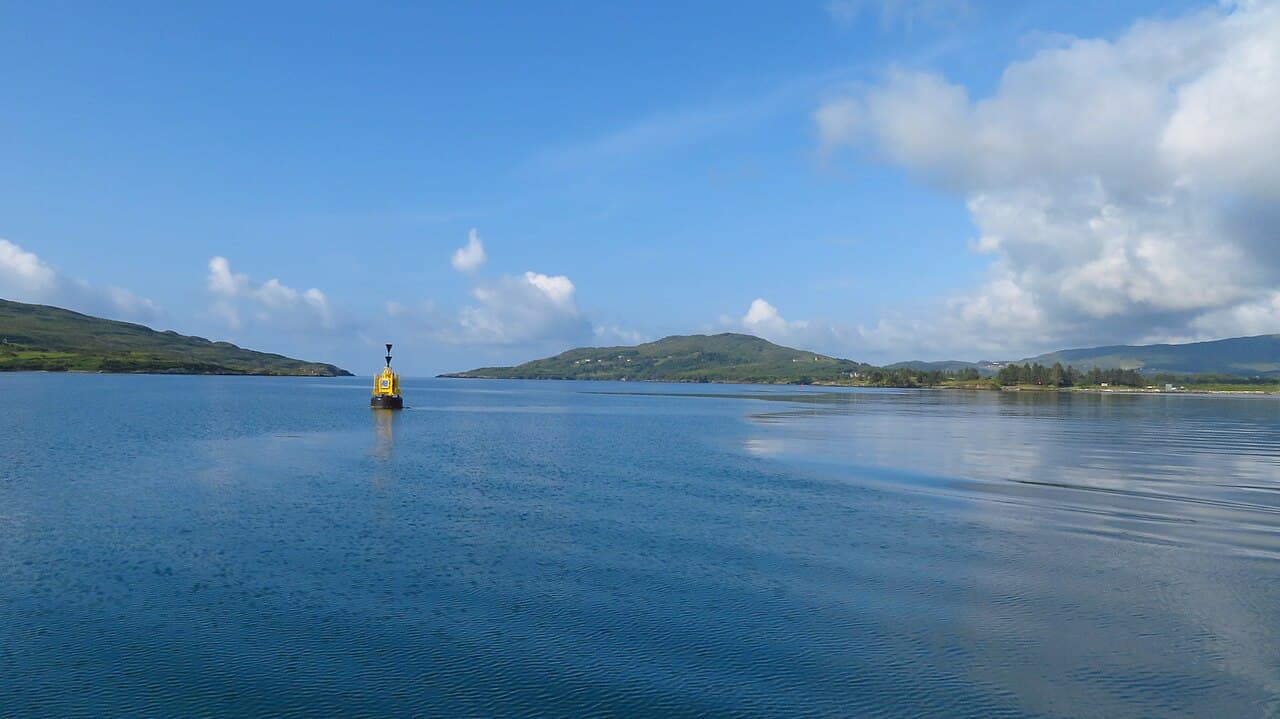
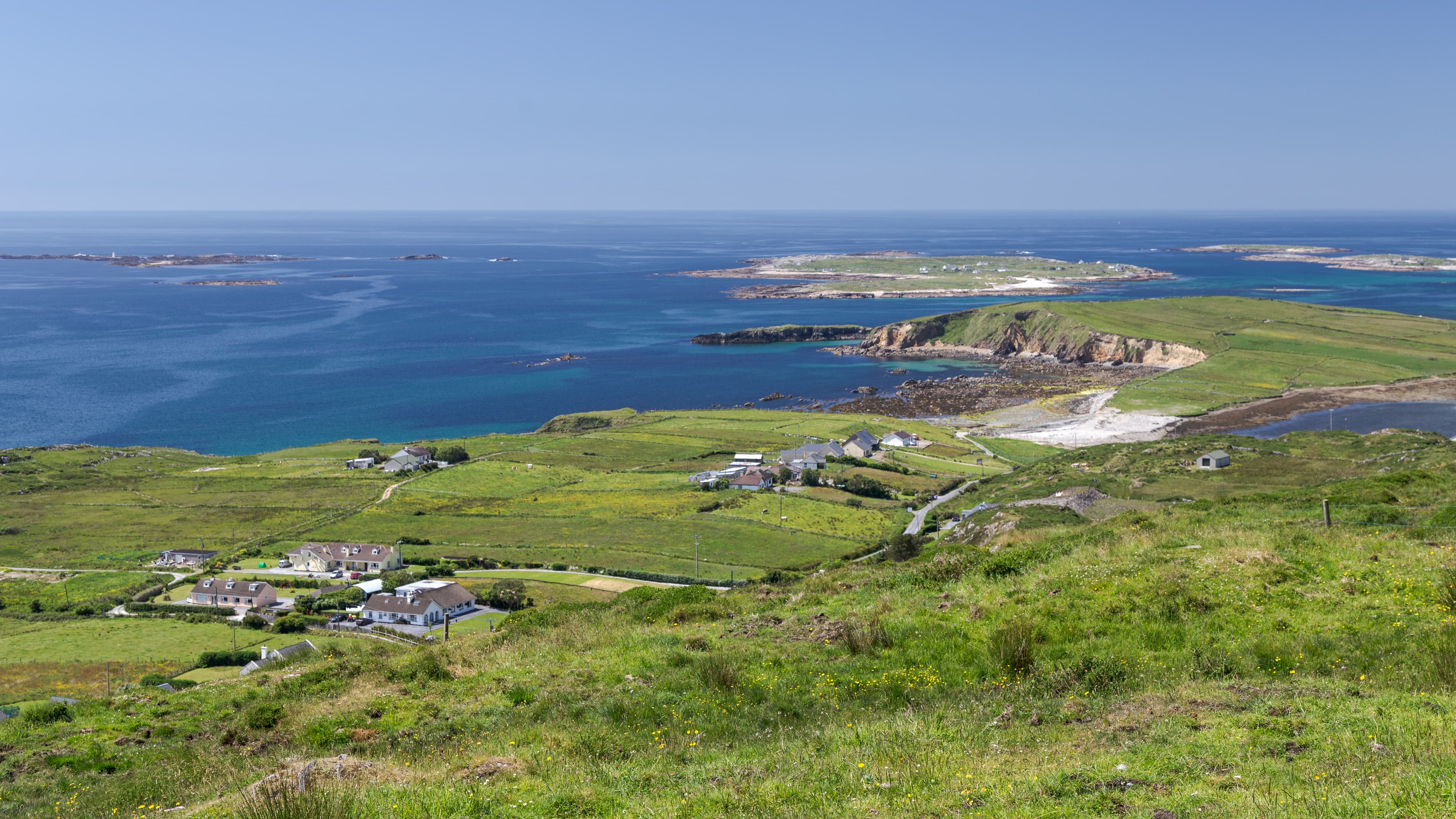
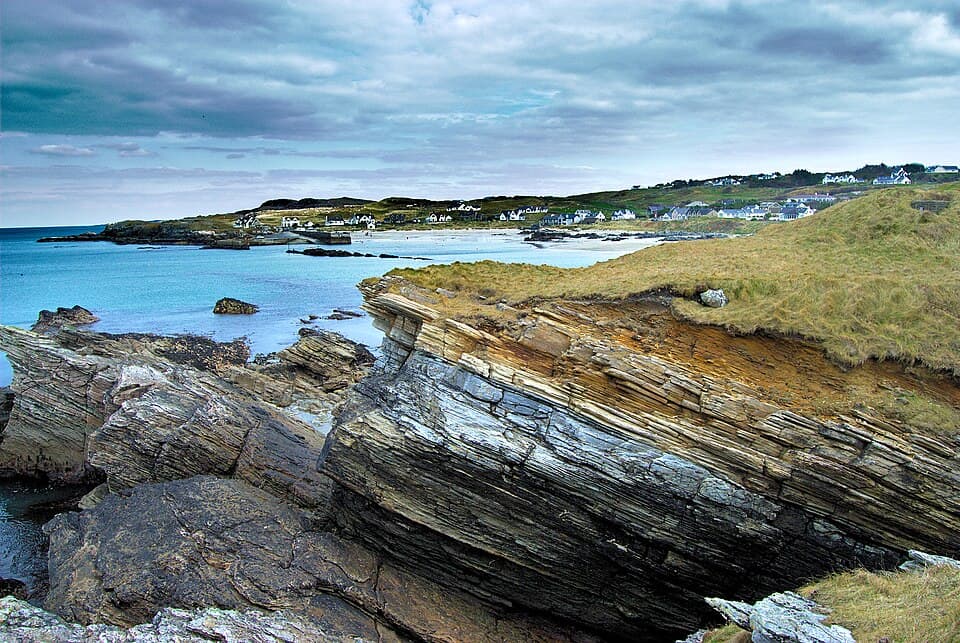
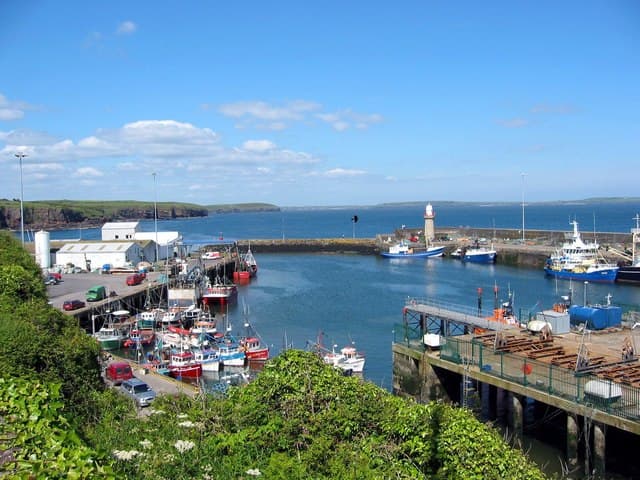
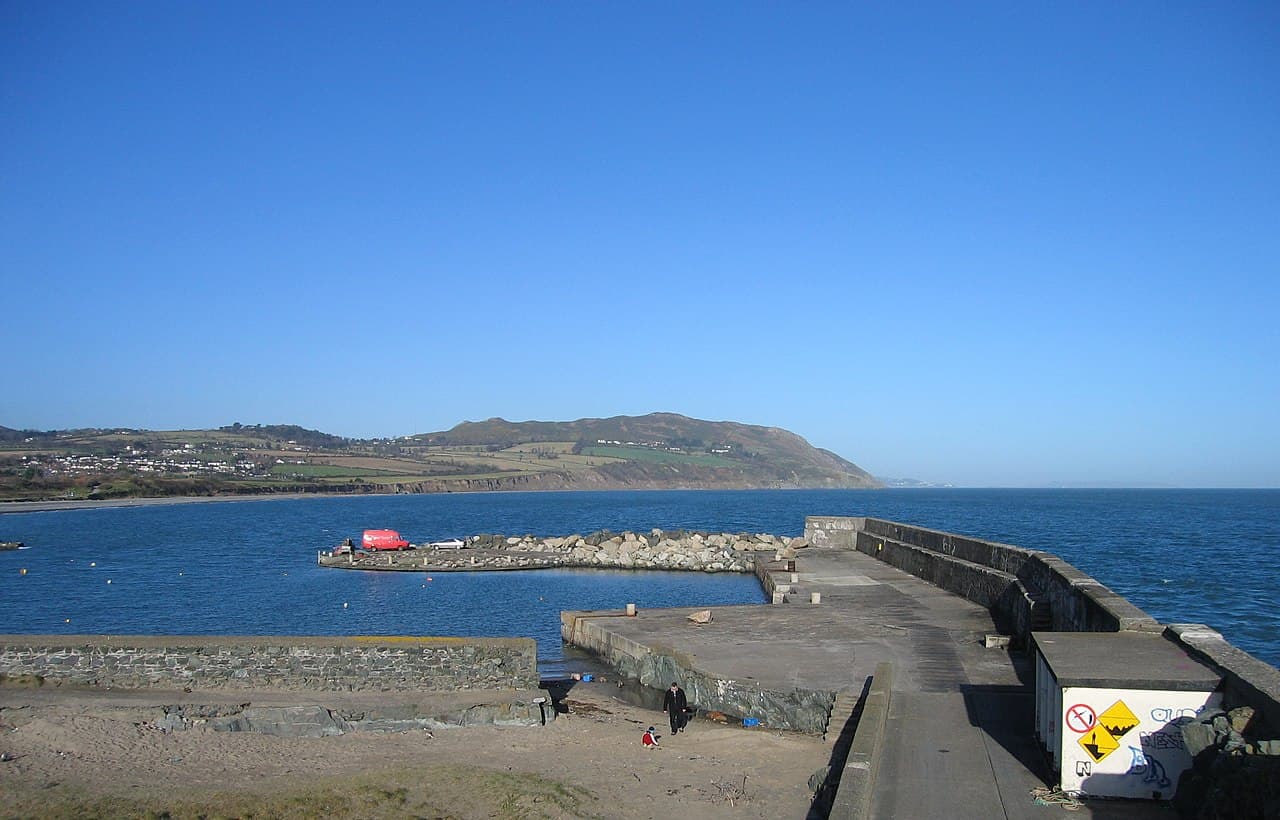
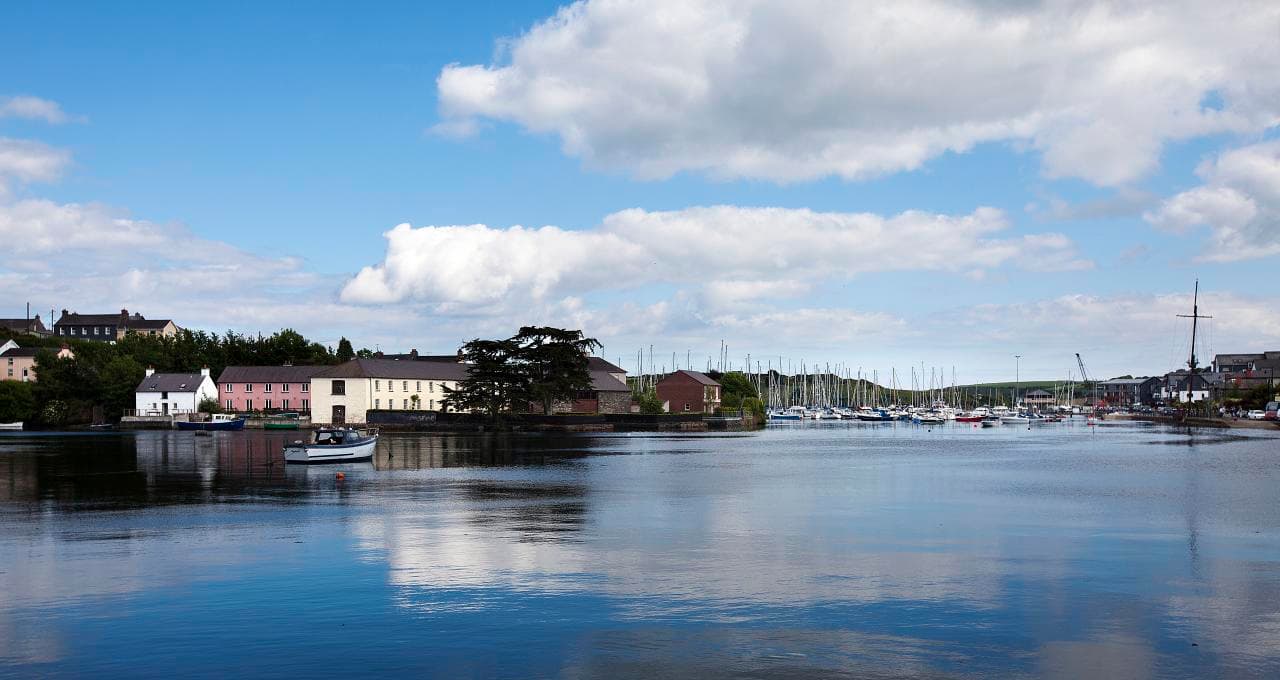
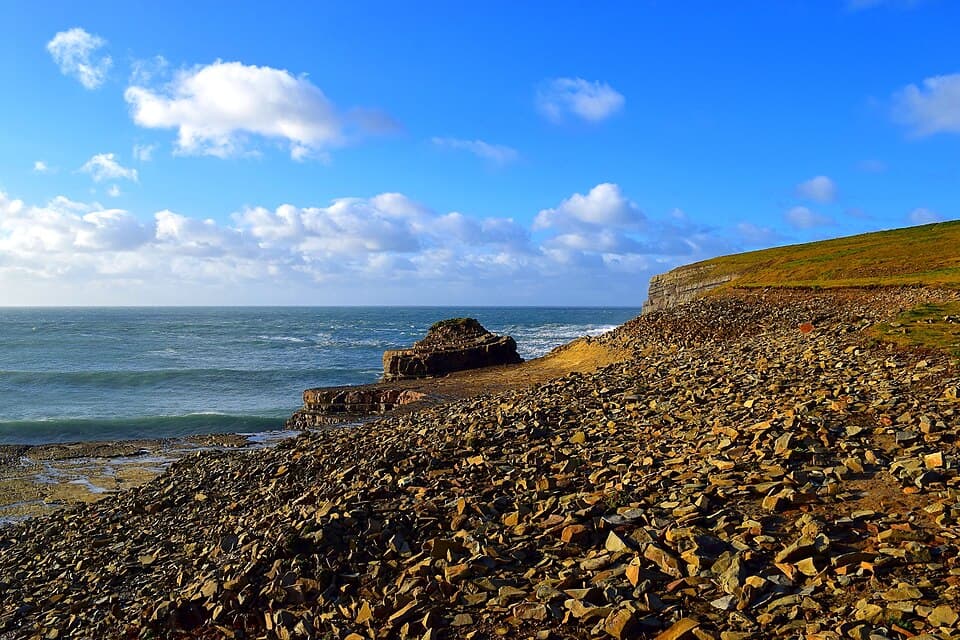
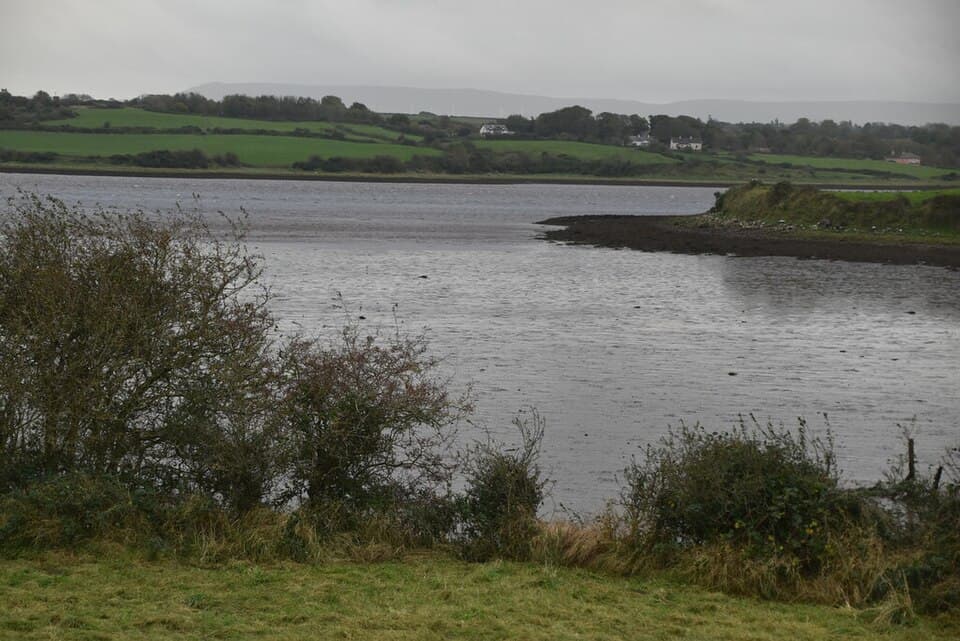
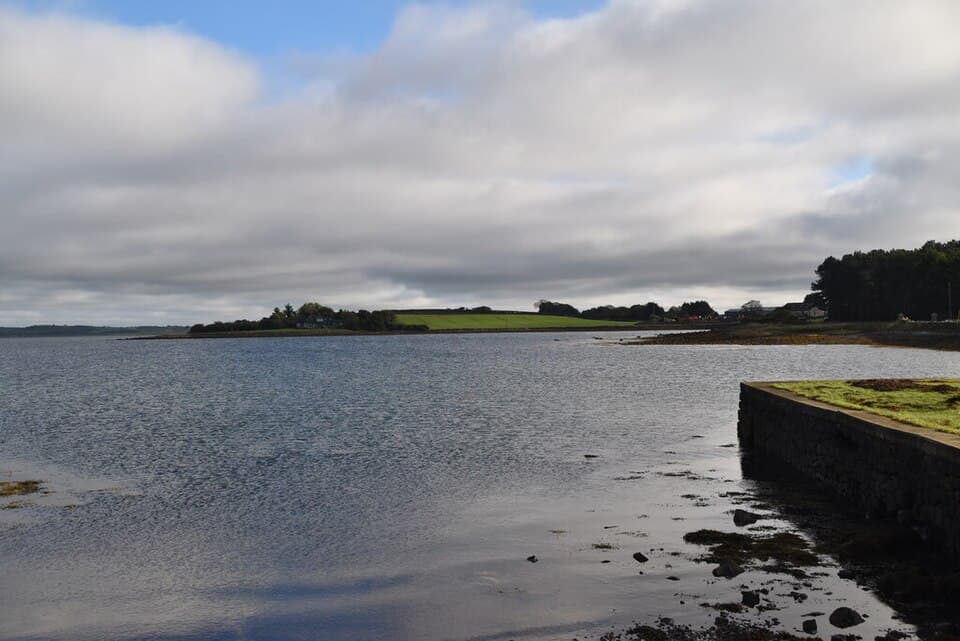
34 more waters with ISFC specimens (not yet on fishing.ie)
Frequently Asked Questions
What's a specimen flounder in Ireland?
The current ISFC threshold is 1.1kg — a genuinely large flounder given most caught are considerably smaller.
Best time of year for flounder?
Autumn into winter, particularly November, based on the ISFC specimen record — one of the few Irish sea species that fishes best in the colder months.
Where's the best flounder fishing in Ireland?
Youghal leads the specimen record by a wide margin, with several southeast estuary marks also strongly represented.
Do I need a licence for flounder fishing?
No — sea angling from shore or boat doesn't require a licence in Ireland.