📍Wexford · South East📋IFI (Republic of Ireland)Season Open
7Species Present
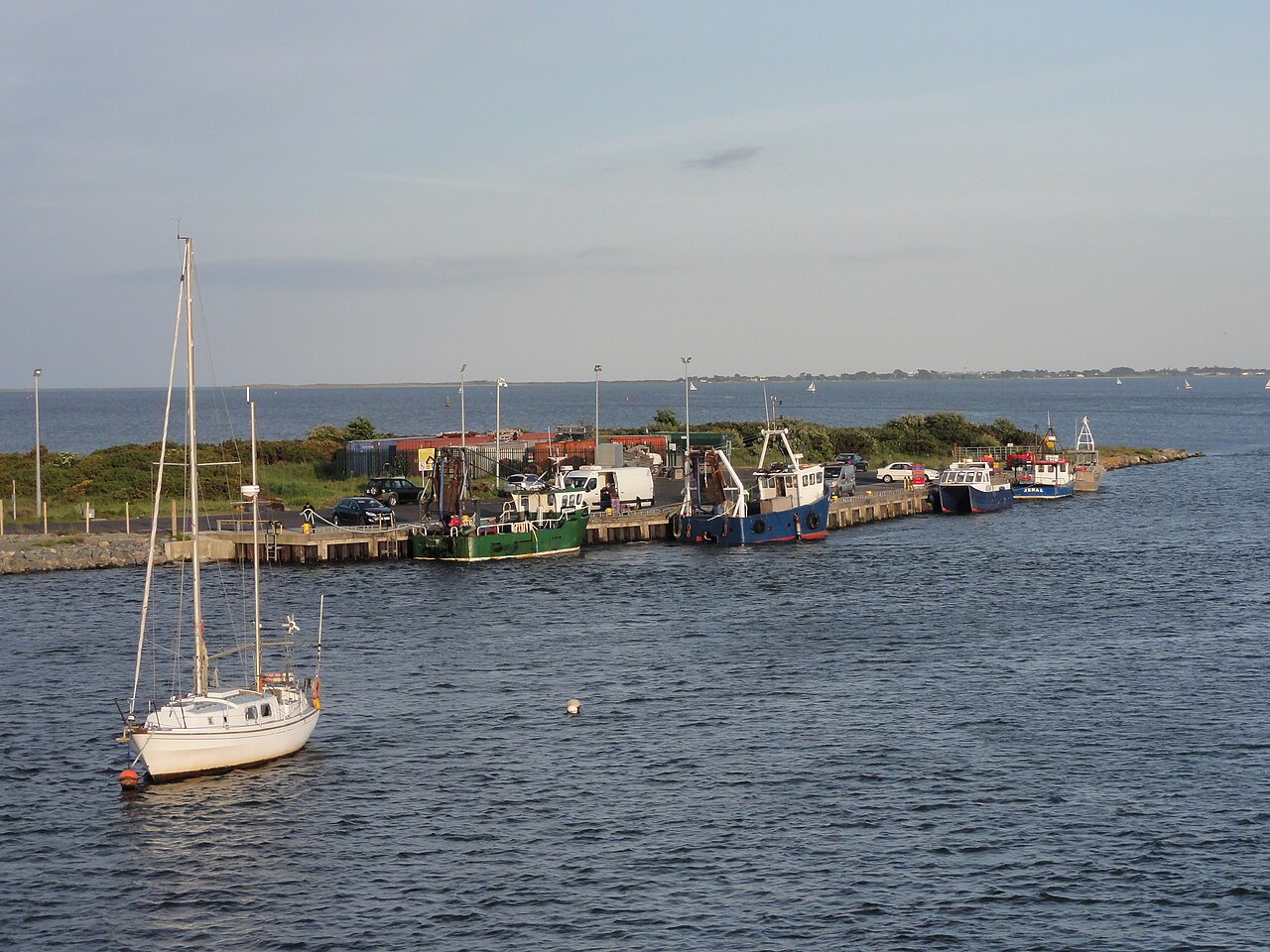
Wexford Harbour is the tidal estuary of the River Slaney at Wexford town, County Wexford, opening into the Irish Sea. Its extensive mudflats and channels are fished for bass, flounder, and mullet.
County
Wexford
Region
South East
Type
Coastal
Nearest towns
Wexford Town
Species
Flounder, Bass, Mullet, Cod, Plaice, Coalfish +1 more
Wexford Harbour is a large, sheltered estuary where the River Slaney meets the Irish Sea, forming one of the most productive shore angling venues on the south-east coast. The harbour's shallow, sandy character and extensive tidal flats create ideal habitat for flatfish, bass, mullet, and a range of other species, and the town quays and accessible shoreline give anglers a wide choice of marks without the need for a boat.
The harbour is protected from the open sea on its south-eastern side by a narrow sand spit that runs northward to Rosslare Point, creating a naturally sheltered basin that retains fish through tidal cycles. This geography means the water can be fished productively across most conditions, and the best periods are well established: the last hour of the flood tide and the first two hours of the ebb at the main shore marks, and the two hours either side of high water from the town quays.
Flounder are the harbour's signature species and Wexford has earned a national reputation for the quality of its flatfish fishing. Kaats Strand and the Ardcavan shoreline on the northern side of the harbour are well-known match fishing venues for flounder, and the area has produced some of the largest flounder recorded in Ireland. Autumn, from September through to November, is the prime period as fish are in peak condition before moving offshore to spawn.
Bass are present throughout the harbour and are best targeted on lures in the deeper channel. The broken bank above the heritage centre bridge, known locally as a reliable bass mark, produces fish on incoming tides. School bass congregate near the breakwater and road bridge in summer — these are juvenile fish and should be handled carefully and returned. Mullet can be taken from the quays and the tidal reaches of the harbour, particularly in summer.
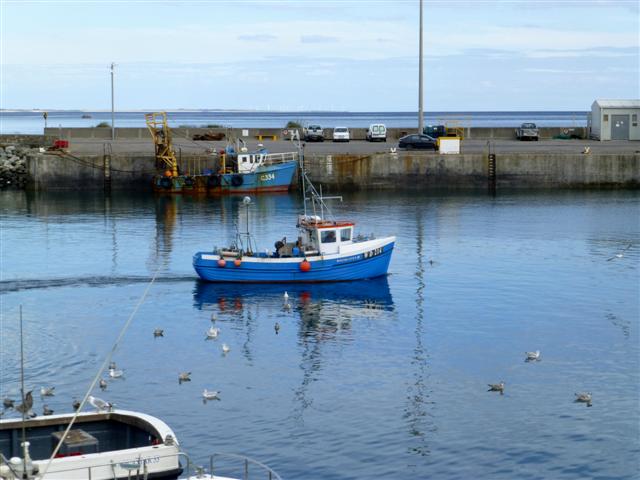
The town quays were substantially improved in the late 1990s, creating several productive vantage points for shore anglers. Bass, flounder, plaice, codling, whiting, and coalfish are all possible from the quays, with ragworm and crab being the two most commonly used baits in the area.
Shore access is available at multiple points around the harbour. Key marks include the town quays in Wexford, Kaats Strand and Ardcavan on the northern shore (chest waders recommended as wading up to 100 yards may be needed at low tide), the breakwater near the bridge, and Rosslare Point on the south-eastern spit. Wexford town is well served by road (N11/N25) and by rail.
Season by season
Spring (March – May)
Bass activity increases as water temperatures rise. Flounder are still present from winter. Good period for targeting bass on lures from the quays and channel marks.
Summer (June – August)
Mullet season at its peak from the quays. School bass concentrated near the breakwater. Flatfish present throughout. Evening tides are most productive for bass.
Autumn (September – November)
The prime season. Flounder are in peak condition and present in numbers across the northern shore. Bass and codling both active. Best overall fishing of the year from most marks.
Winter (December – February)
Codling and whiting from the quays on night tides. Flounder possible on mild days. Bass largely absent. The harbour can be productive even in winter compared to exposed coastal marks.
Best conditions
Based on 0 reports, these conditions consistently produce the best fishing on Wexford Harbour:
💨
Westerly or south-westerly — the harbour is sheltered from easterlies by Rosslare Point
Best wind
☁️
Overcast conditions; dusk and darkness often produce best bass sport
Best sky
🌡️
Autumn and winter for flounder; spring and summer for bass and mullet
Water temp
⏰
Last hour flood and first two hours ebb for flounder on northern shore; two hours either side of high water from town quays
Best window
Seasonal fly & tactics guide
Flounder Fishing (Autumn)
Patterns
Peeler crabLugwormRagworm
The most productive approach on the northern shore is to wade out to the channels, which flounder use as travel routes with the tide. Cast into the channel and work the bait slowly. Moving the trace a foot or two then allowing it to settle can trigger takes from inquisitive fish. The start of the flood and the initial push of the ebb are the peak feeding windows. Chest waders are essential.
⚠️Common mistake: Fishing from the bank without wading. The best flounder lies are in the channels, which are beyond casting range unless you wade.
Bass on Lures
Patterns
Soft plastic luresMetal spinnersSurface lures
The deeper channel on the inner western side of Rosslare Point fishes well on a flooding autumn evening tide. The broken bank mark above the heritage centre bridge produces on incoming tides. Work lures across and through the current rather than straight back. Dusk and darkness often produce the best bass sport.
⚠️Common mistake: Retaining bass without checking current regulations. Bass are a protected species and regulations change — always check the current rules before fishing.
Mullet from the Quays
Patterns
Bread flakeHarbour ragworm
Mullet in harbours require a stealthy, patient approach. A light float rig with a small hook and bread flake presented just off the bottom is the classic method. Ground baiting with mashed bread builds interest over time. Avoid any heavy movement or noise near the water's edge.
⚠️Common mistake: Using too heavy a rig. Mullet are extremely line-shy — keep the line as light as conditions allow.
What works here
Flies and methods reported most successful by the community.
Where to Fish at Wexford Harbour
Kaats Strand / Ardcavan
The northern shore of the harbour, synonymous with flounder fishing. Wide tidal flats require wading to reach the productive channels. A popular match fishing venue with a national reputation for flatfish.
Wexford Town Quays
Improved in the late 1990s to provide multiple angling points. Bass, flounder, plaice, codling, whiting, and coalfish all available around high water. No wading required.
Breakwater / Road Bridge
School bass concentrate here in summer. Flounder and dogfish also present. Access is straightforward and the mark is popular with local anglers.
Rosslare Point
The narrow spit of land protecting the south-eastern side of the harbour. The deep channel on the inner (western) side produces bass on lures, particularly on autumn flooding tides.
Conservation & stewardship
🌿
Bass are a protected species in Irish waters and subject to strict retention limits — check IFI regulations before retaining any fish. School bass, identifiable by their small size, are juvenile fish that have not yet reached spawning maturity and should always be returned promptly and carefully. Flounder and other flatfish benefit from gentle handling and quick return.
Frequently asked questions
Before You Go — Key Regulations
Jurisdiction
Republic of Ireland (IFI)
Season
Year-round – Year-round
No licence or permit is required for sea angling in Ireland. Bass are a protected species — the current regulations should be consulted before retaining any bass.
Main access: Charter boat services available from Wexford Harbour quay for offshore fishing over the offshore banks and wrecks, Live and frozen bait available in Wexford town. Check locally for current suppliers., Wexford Sea Angling Club — active local club with local knowledge of harbour marks