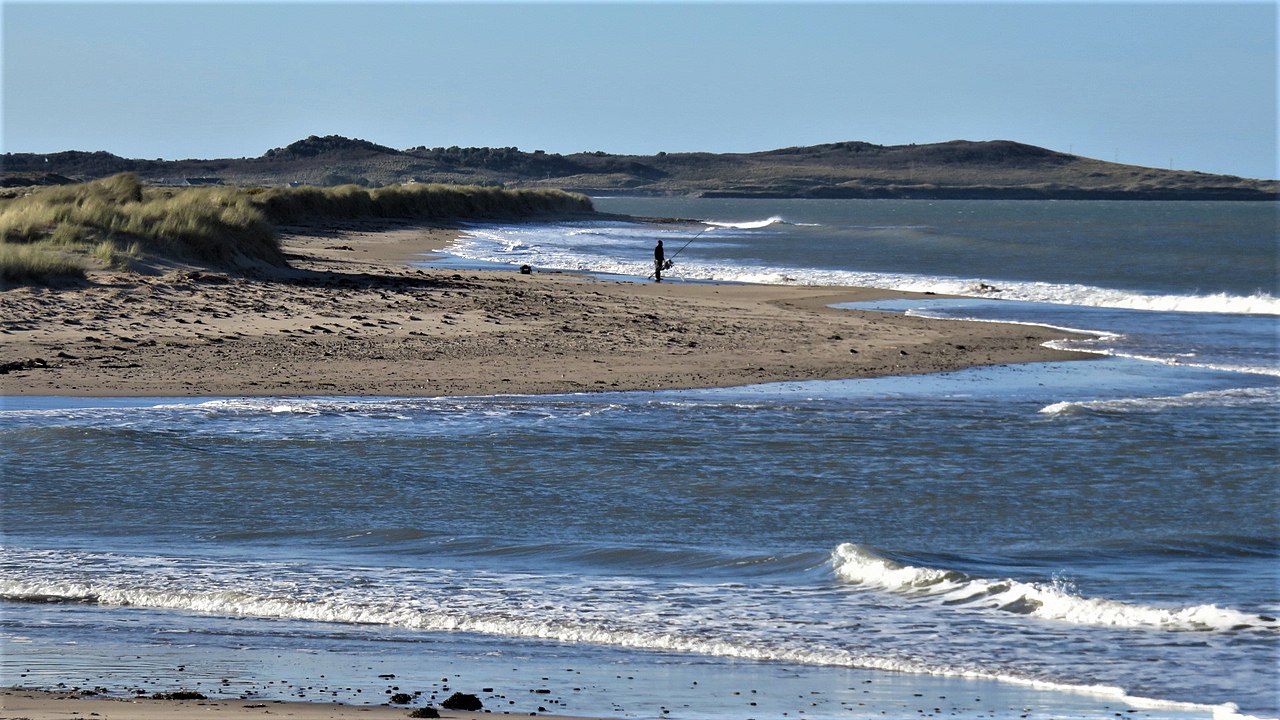
You Don't Need Much
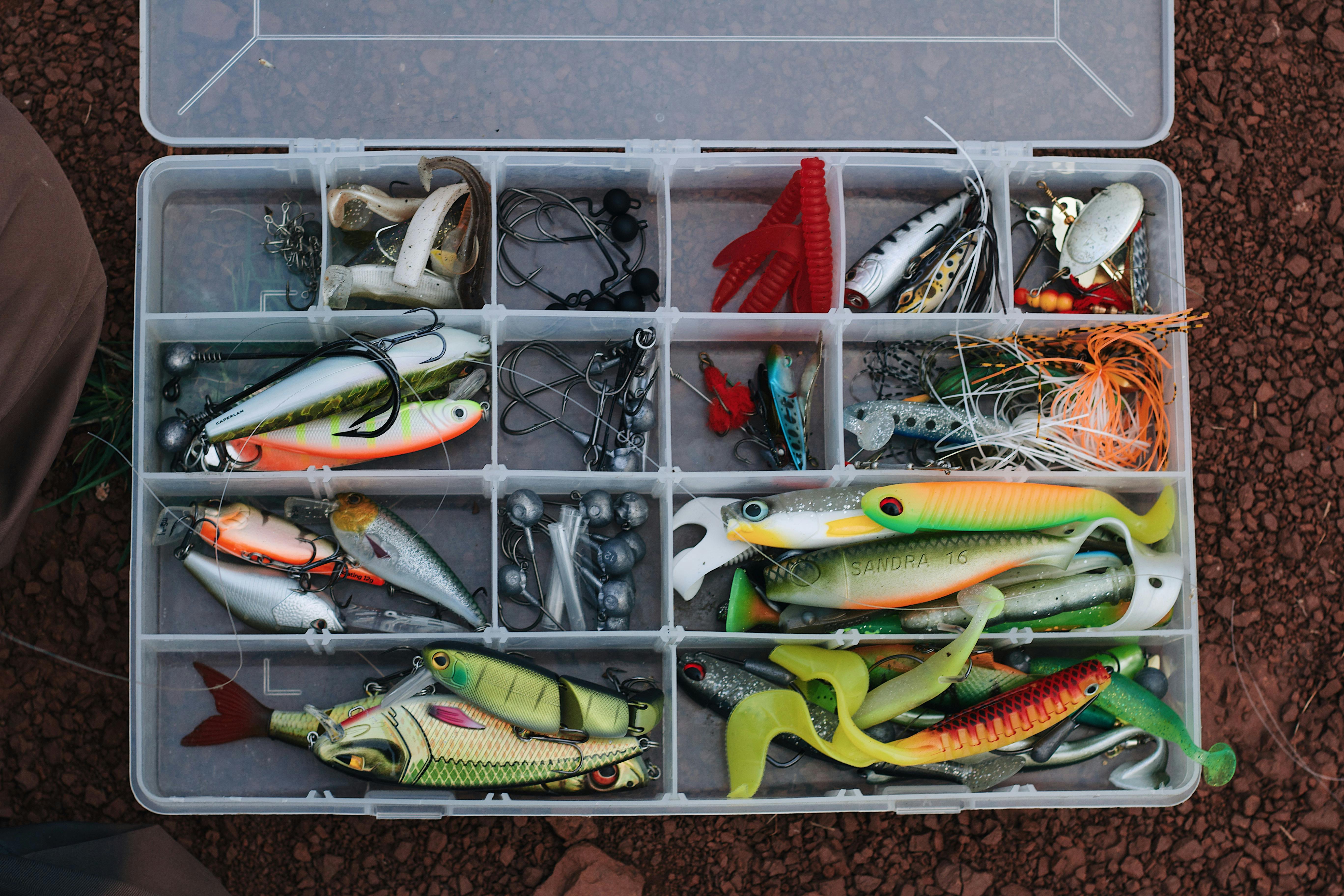
The biggest barrier to fishing is the assumption that you need a lot of stuff. You don't. For a first trip, all you really need is a rod, a reel, some terminal tackle (hooks, weights, maybe a float or a few lures), and something to carry it in. That's it.
If you don't want to buy gear straight away, there are options. Many fishing guides and instructors provide all the equipment as part of a guided session — you just turn up. Some tackle shops hire out rods for the day. Stocked fisheries (put-and-take trout lakes) often have rods available for visitors. And if you're staying at accommodation near a fishing venue, it's worth asking your host — in rural Ireland, there's often a rod gathering dust in a shed that they're happy to lend.
If you do want to buy your own, a basic spinning rod and reel combo is the most versatile starting point. You can fish for trout in a lake, pike in a canal, mackerel off a pier, or pollack from a rock mark — all with the same setup. Very basic combos start from around €30, but spending €50–€100 gets you something from a reputable brand (Shimano, Penn, Daiwa, Kinetic) that will cast properly, last for years, and not put you off the sport. Add a starter selection of lures or spinners (€20–€30) and you're ready.
For fly fishing, the entry point is a bit higher — you'll need a fly rod, reel, line, and some flies, and ideally a few casting lessons before you head to the water. But if that's where your interest lies, a qualified instructor can fast-track you through the basics in a single session. More on that below.
The Easiest Ways to Start
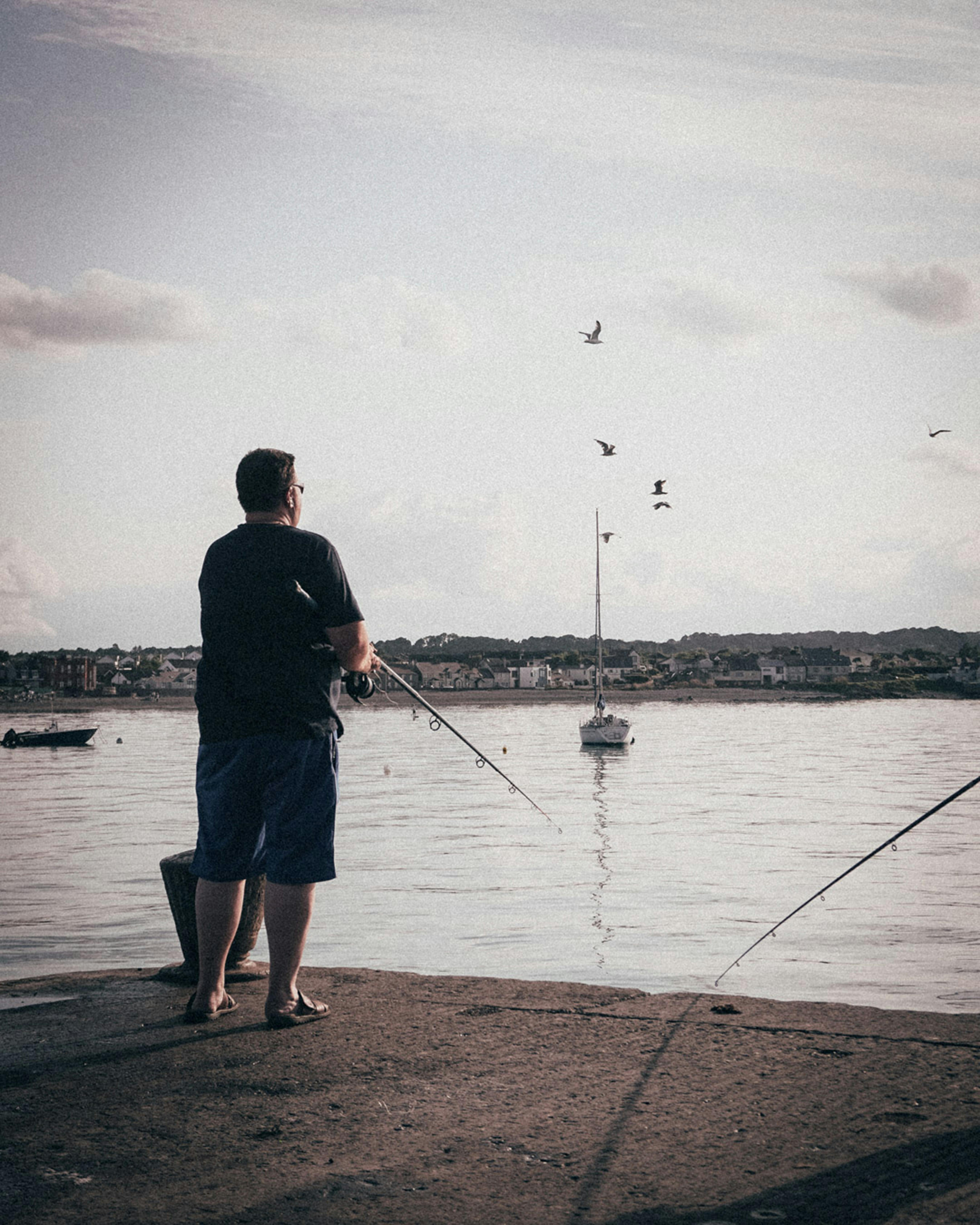
Not all fishing is equal when it comes to accessibility. Some types are perfect for beginners; others have a steeper learning curve. Here's where to start depending on what appeals to you.
Pier and Shore Fishing for Mackerel
If you're on the coast between June and September, mackerel fishing from a pier is the simplest and most fun introduction to fishing you'll find anywhere. Mackerel are abundant, aggressive, and not remotely fussy. A basic spinning rod with a set of feathers (a rig of small lures that imitates a shoal of tiny fish) is all you need. Cast out, let it sink, retrieve it, and wait for the rod to bend. On a good day you'll catch fish after fish, and children love it.
No licence is needed. No permit is needed. You can do it in trainers and a t-shirt. Almost every pier on the west and south coasts will produce mackerel through summer. It's free, it's easy, and you'll have fresh fish for the barbecue.
Coarse Fishing on Canals and Lakes
Ireland's canals (the Royal Canal, Grand Canal) and midlands lakes hold large stocks of roach, rudd, bream, perch, and tench. Float fishing — suspending a bait (bread, sweetcorn, or a worm) under a float and watching for it to dip — is the traditional method and one of the most relaxing ways to spend an afternoon.
No licence is needed in the Republic. Many canal stretches and lakes have good bank access with parking. The Royal Canal from Dublin out through Meath and Kildare is particularly accessible and productive. Coarse fishing is available year-round, so it's not dependent on season.
Stocked Fisheries (Put-and-Take)
Stocked trout fisheries are small lakes that are regularly stocked with rainbow trout (and sometimes brown trout). They're designed to be accessible: good bank access, car parking, and fish that are willing to take a fly or a spinner. Most charge a day fee (typically €15–€30) which includes your fishing and sometimes a limit of fish to take home.
These fisheries are found across the country and are a great place to catch your first trout on a fly rod. Many welcome beginners and some offer tuition.
Charter Boat Fishing
If you're on holiday and fancy a day on the sea, booking a charter boat is an experience rather than a commitment. Charter skippers provide all the tackle, bait, and knowledge — you just show up at the harbour. Half-day and full-day trips are available from ports all around the coast, with Dingle, Baltimore, Clifden, Westport, and Killybegs among the most popular.
You'll fish for species like pollack, mackerel, cod, ling, and possibly blue shark depending on the season and location. No licence is needed. Most skippers are happy to have complete beginners on board and will show you everything you need to know. Expect to pay €40–€80 per person for a shared trip, or more for a private charter.
Should You Hire a Guide?
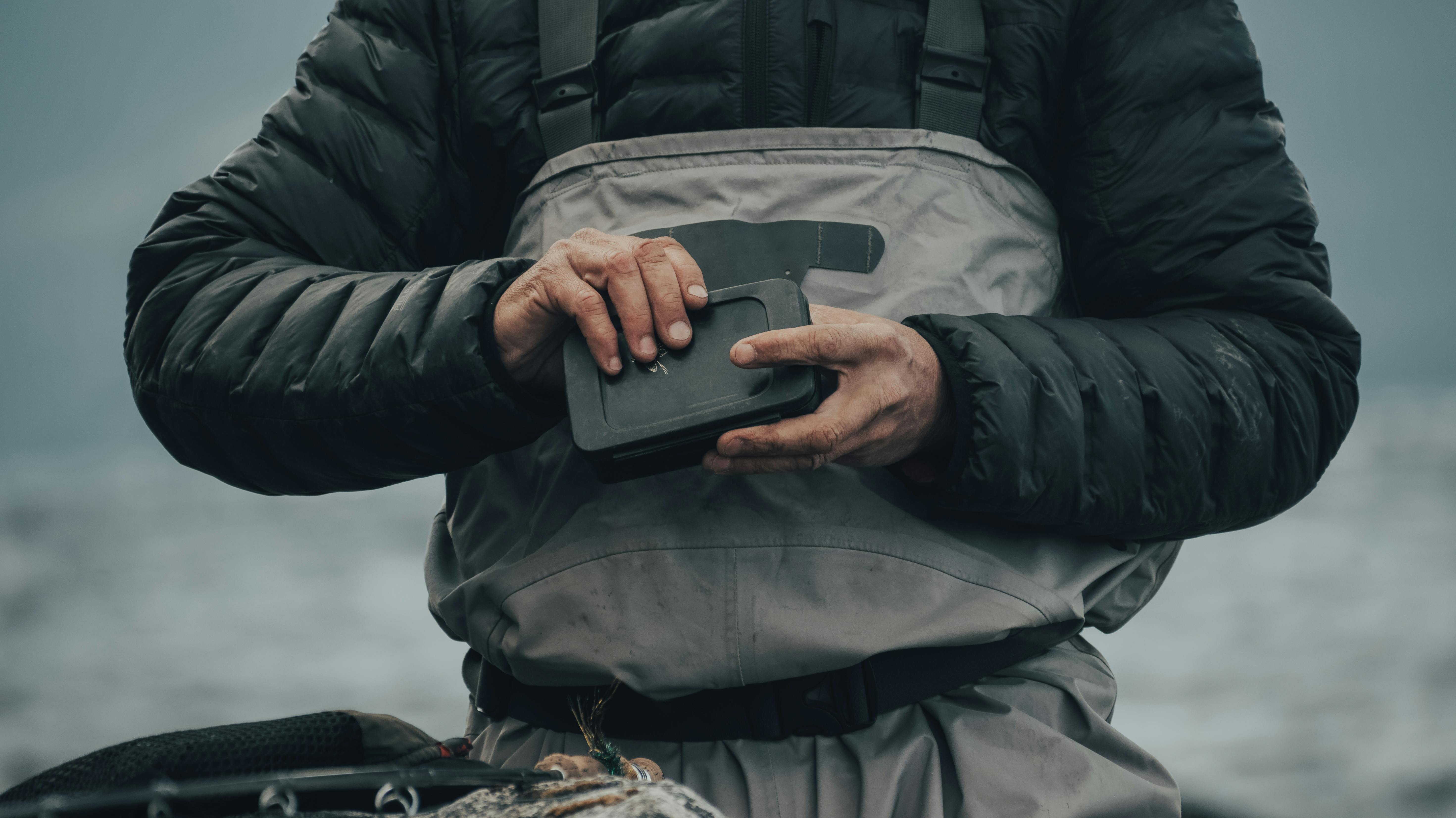
If your budget allows it, a guided session is the single best investment a beginner can make. A good guide or instructor eliminates the frustration of the learning curve. Instead of spending your first few trips tangled in your line and wondering why nothing's biting, you'll be catching fish and learning the fundamentals properly from the start.
For fly fishing in particular, a casting lesson with a qualified instructor makes an enormous difference. Fly casting is a skill that's difficult to teach yourself from YouTube — an hour or two with an instructor will save you weeks of frustration. Ireland has qualified instructors throughout the country, many of them certified by APGAI (the Association of Professional Game Angling Instructors). A half-day lesson typically costs €80–€150 and most instructors provide all equipment.
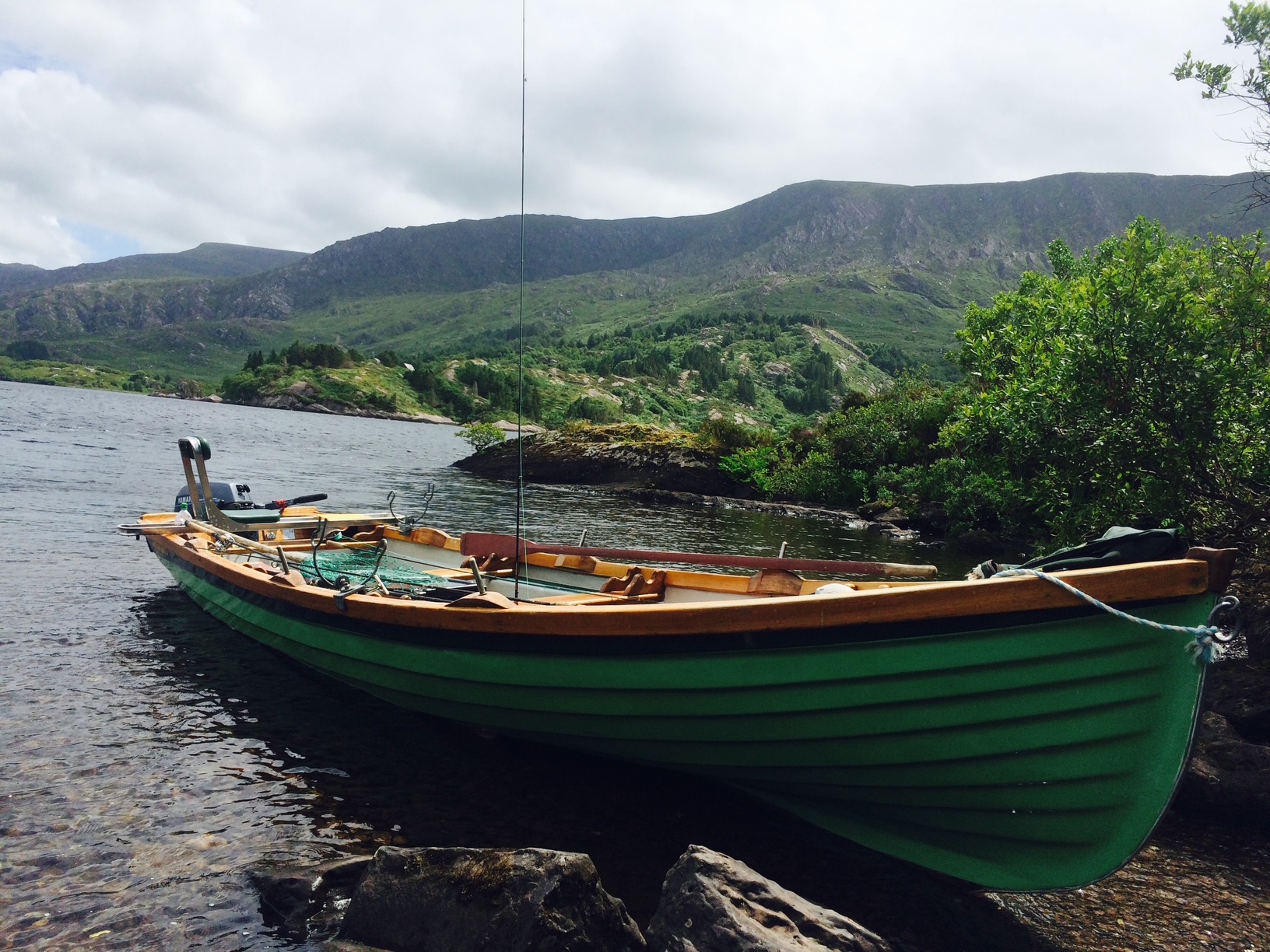
For lough fishing, a ghillie (pronounced "gillie") is a local guide who knows the water intimately — where the fish are, what they're feeding on, and how to position the boat for the best drifts. On big loughs like Corrib and Mask, a ghillie isn't just helpful, they're a safety consideration too. These are large, exposed bodies of water with rocky shallows that can be dangerous if you don't know them. A day with a ghillie typically includes the boat, engine, and the ghillie's expertise. Expect to pay €150–€200 for a full day.
For sea angling, your charter skipper is effectively your guide. For river fishing, local guides can put you on fish and teach you to read the water in a way that would take years to figure out alone.
You can find guides and instructors on fishing.ie/providers, or ask at any local tackle shop — they'll know who's good in the area.
Do You Need a Licence?
The good news: most beginner-friendly fishing in Ireland requires no licence at all.
Mackerel fishing from a pier? No licence. Float fishing on a canal? No licence. Trout fishing on a lough? No licence. Pike fishing? No licence. Shore fishing for bass and pollack? No licence.
The only time you need a state licence is if you're fishing for salmon or sea trout. Since most beginners won't be starting with salmon, you can probably fish for months — or years — without ever needing one.
Some individual waters require a local permit from the club or fishery that manages them. This is separate from the state licence and is essentially permission to fish that particular water. Day permits are usually inexpensive (€10–€30) and available from nearby tackle shops.
For the full picture, see our guide to fishing licences and permits in Ireland.
What About Rules?
Irish fishing regulations exist to protect fish stocks and the environment. The main ones to be aware of as a beginner:
Season dates — Most freshwater fishing has an open season (roughly February/March to September/October depending on the species and venue) and a closed season when fishing is not allowed. Coarse fishing and pike fishing are open year-round. Sea fishing has no closed season for most species. If in doubt, ask locally.
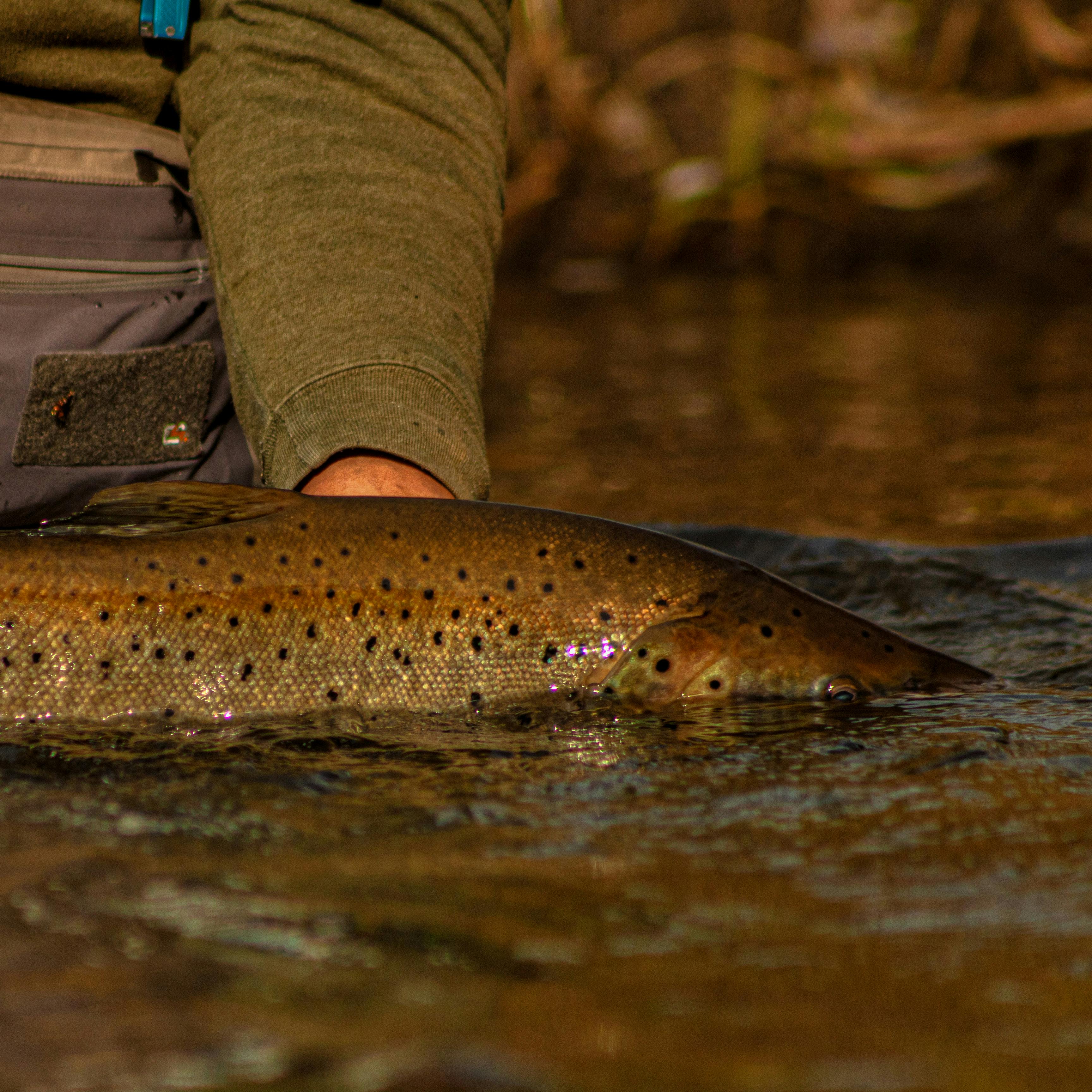
Catch and release — Ireland encourages catch and release, and on many waters it's mandatory. If you're keeping fish, know the bag limits and size limits for that venue. When releasing fish, handle them gently with wet hands, keep them in the water as much as possible, and support them until they swim away strongly.
Barbless hooks — Some waters require barbless hooks. Even where they're not mandatory, using barbless hooks makes releasing fish much easier and is better for the fish. As a beginner, it's a good habit to start with.
Live bait — Using live fish as bait is illegal in freshwater in the Republic of Ireland — this is to prevent the spread of invasive species between water systems. (Live bait is permitted for sea fishing.) Worms, maggots, bread, and sweetcorn are all fine. Artificial lures and flies are obviously fine.
Sea bass — If you catch a bass while shore fishing, you must release it. Sea bass are strictly catch-and-release only in Irish waters — this is a legal requirement, not a suggestion. Handle them carefully and return them to the water promptly.
Respect the water — Take all your litter home, including discarded line and hooks. Don't leave bait containers behind. If you're fishing from a farmer's land, ask permission and leave gates as you found them.
What Will It Cost?
Fishing in Ireland can be as cheap or as expensive as you want it to be. Here's a realistic range:
Free fishing: Mackerel from a pier (if you have basic gear), brown trout on many loughs, coarse fishing on canals — all free, no licence, no permit.
Budget day out (€0–€30): Bring your own gear to a free venue, or pay a small day permit for a club water or stocked fishery.
Guided half-day (€80–€150): A casting lesson or guided session with equipment provided. The best value way to learn properly.
Full day with a ghillie on a lough (€150–€200): Includes boat, engine, and a local expert. Worth every cent on unfamiliar water.
Charter boat trip (€40–€80 per person): A shared sea fishing trip with all tackle provided.
If you're buying your own gear for the first time, €70–€130 will get you a serviceable spinning setup from a decent brand and a starter selection of lures or terminal tackle. That's a one-off cost that covers you for years.
Where to Go: Beginner-Friendly Venues
Every region in Ireland has accessible fishing. Here are some starting points:
Near Dublin: The Royal Canal and Grand Canal offer easy bank fishing for coarse species and pike. The River Boyne and its tributaries have affordable day-ticket trout fishing. Kilmore Quay in Wexford is a short drive for shore fishing and charter boats.
The West: Pier fishing in Clifden, Westport, or Achill Island for mackerel and pollack. Stocked fisheries near Oughterard for trout. If you're feeling ambitious, a day on Lough Corrib with a ghillie is an unforgettable introduction to lough fishing.
The South West: Shore fishing from the piers and rocks around Dingle, Kenmare, or Baltimore. Charter boats from Dingle for a day on the Atlantic. Salmon and trout fishing on the Killarney Lakes with a local guide.
The Midlands: The Shannon system and surrounding lakes for pike and coarse fishing. Excellent bank access and very few other anglers.
Northern Ireland: The public angling estate offers access to a huge range of waters on a very affordable visitor permit. Lough Erne for pike, the River Bush for salmon, and Strangford Lough for shore fishing.
For specific venue information — including what species are present, what methods work, and how to access the water — browse the venue profiles on fishing.ie/venues.
One Last Thing
The best piece of advice anyone can give a beginner angler is this: don't overthink it. You don't need the perfect rod, the perfect venue, or the perfect conditions. You need a line in the water and a willingness to learn. Ireland has more fishable water per square kilometre than almost anywhere in Europe, much of it free and uncrowded. The fish are there. Go and find them.
And when you do catch your first fish — whether it's a mackerel off a pier in Kerry or a wild brown trout on Lough Corrib — you'll understand why people have been doing this in Ireland for thousands of years.
For more on what licences and permits you might need, see our guide to fishing licences and permits. For help choosing the right time of year, see our month-by-month guide to fishing in Ireland. And to find a guide, ghillie, or instructor near where you're fishing, browse Find Services.
Frequently Asked Questions
Do I need a licence to fish in Ireland?+
For most beginner-friendly fishing — mackerel from a pier, trout on a lough, coarse fishing on a canal, pike fishing — no licence is needed. You only need a state licence if you're fishing for salmon or sea trout. Some individual waters require a local day permit (€10–€30), available from nearby tackle shops.
What's the cheapest way to start fishing?+
Mackerel fishing from a pier on the coast is completely free (no licence, no permit) if you have basic gear. A starter spinning rod and reel combo costs €50–€100 and will cover you for trout, pike, mackerel, and sea fishing. Coarse fishing on canals is also free and open year-round.
Is fishing in Ireland good for families?+
Absolutely. Pier fishing for mackerel is fun for all ages and requires no experience. Stocked fisheries are designed to be family-friendly with easy access and willing fish. Many guides offer family-friendly sessions with all equipment provided.
When is the best time to go fishing in Ireland?+
It depends on what you're after. Mackerel fishing is best June–September. Trout fishing runs February–September. Coarse fishing and pike fishing are year-round. Sea fishing from charter boats peaks in summer. See our month-by-month guide for the full breakdown.
Should I hire a guide for my first trip?+
If your budget allows it, yes — a guided session is the single best investment a beginner can make. You'll catch more fish, learn properly from the start, and avoid the frustration of the learning curve. A half-day with a guide or instructor typically costs €80–€150 and most provide all equipment.
What gear do I need to buy?+
For a first trip, a basic spinning rod and reel combo (€50–€100) plus a starter selection of lures or spinners (€20–€30) is all you need. This setup covers trout, pike, mackerel, and sea fishing. If you'd rather not buy gear, many guides provide everything and some tackle shops hire out rods.
Venues Mentioned in This Guide
Ready to explore?
Browse detailed profiles for 9+ venues across Ireland with species, seasons, and real fishing reports.
Explore Venues