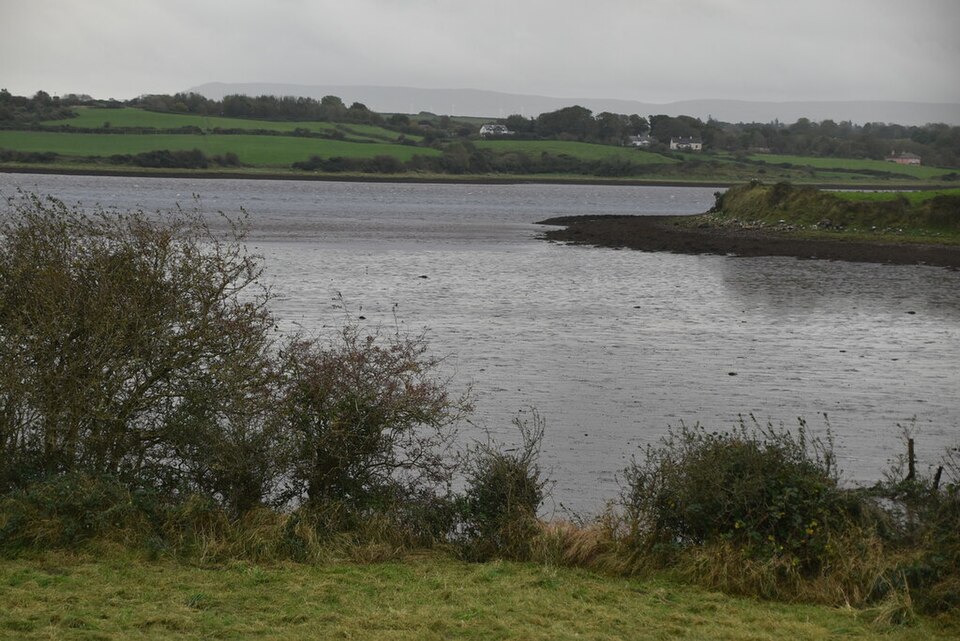
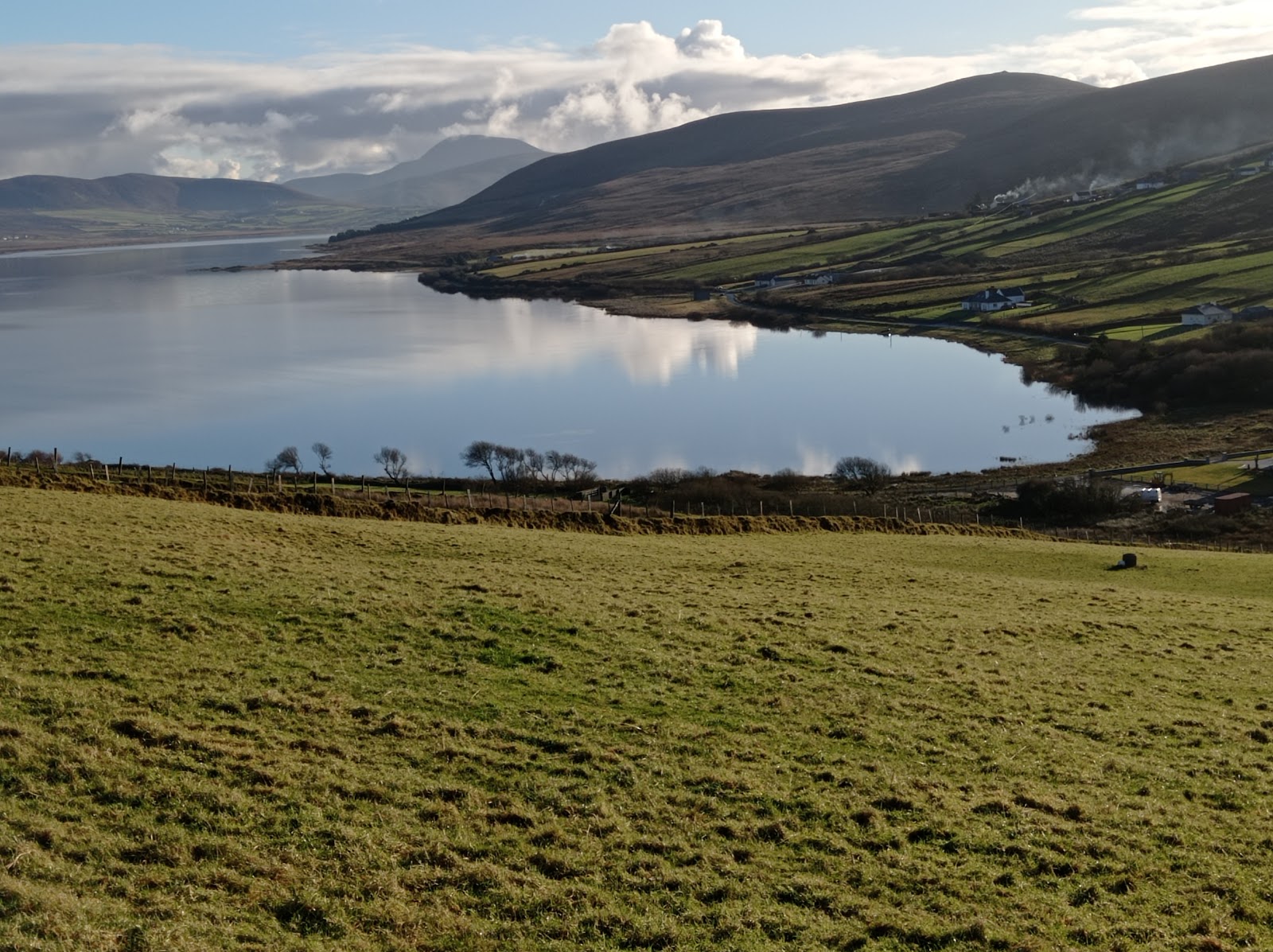
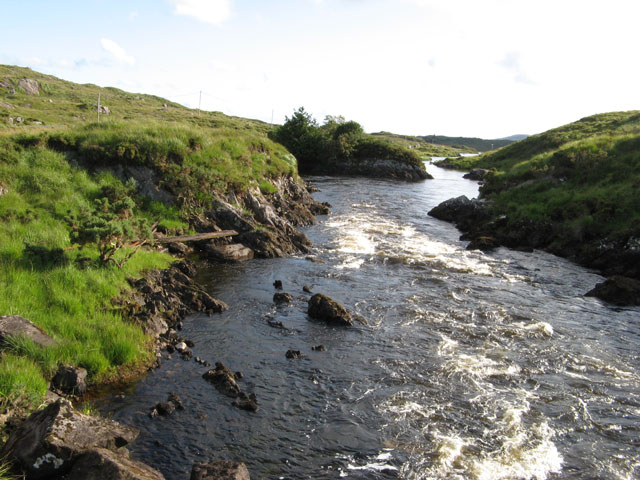
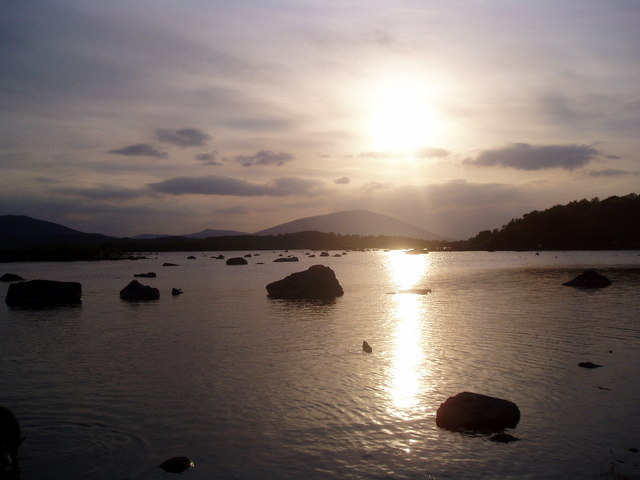
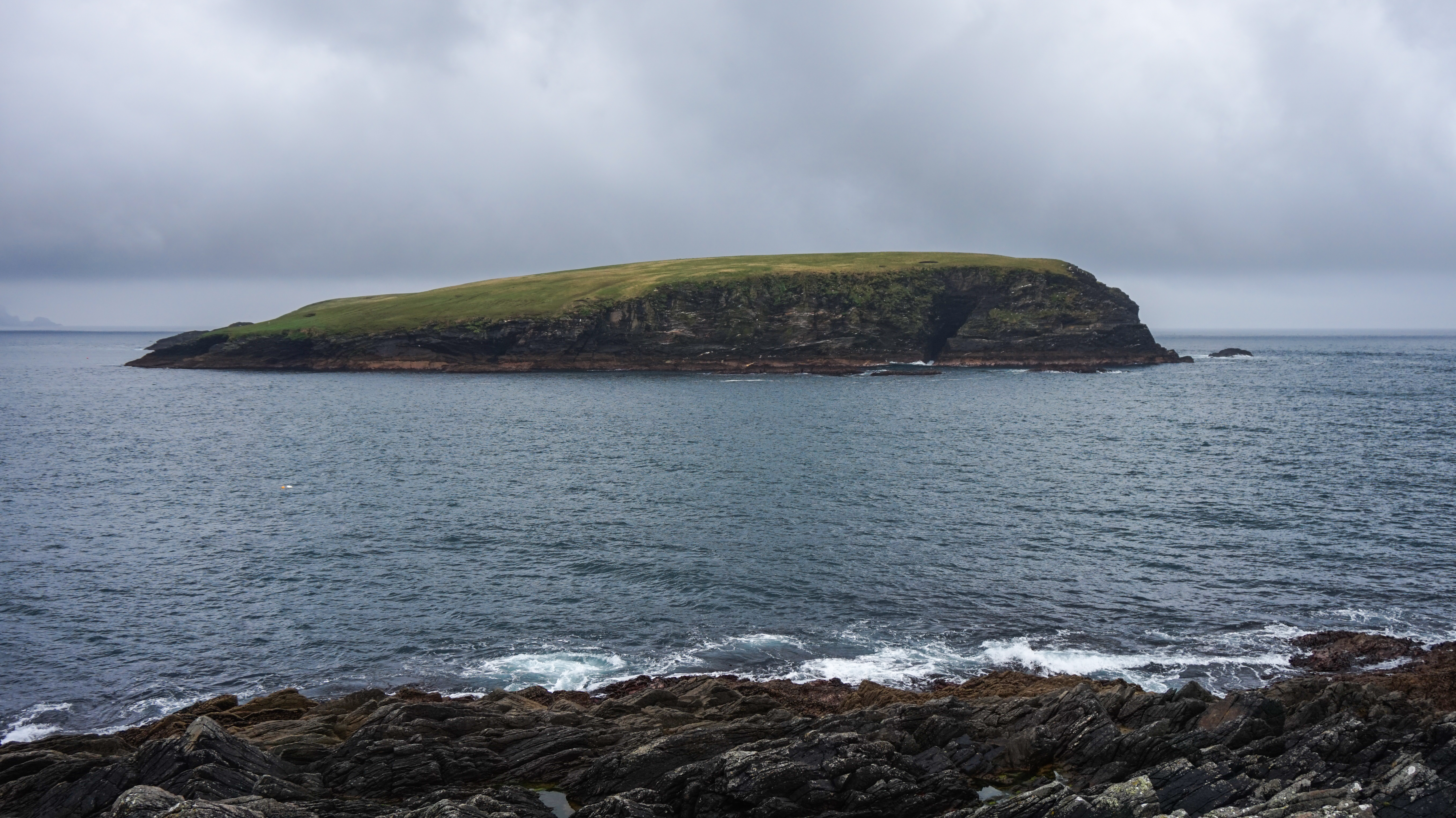
Moy Estuary is the tidal reach of the River Moy at Ballina, County Mayo, opening into Killala Bay. It is fished for bass and flounder, and forms the final stretch run by salmon returning to the Moy system.
County
Mayo
Region
West
Type
Coastal
Nearest towns
Ballina
Species
Sea Trout, Atlantic Salmon, Flounder, Bass
The Moy Estuary begins where the river broadens at The Quay in Ballina and runs for approximately five miles to Killala Bay, the wide, exposed inlet that opens to the Atlantic. It is a place of shifting channels, sandbars, and powerful tidal currents — beautiful in a raw, open way, and the setting for one of the most productive sea trout fisheries in the west of Ireland.
Bartragh Island divides the estuary into two channels for part of its length: the main Moy channel and the smaller Ross channel closer to Killala. These two systems, separated by tidal flats at low water and by fast-moving currents at the flood and ebb, concentrate sea trout moving between the open bay and the river. Fish travel the estuary continuously from April through July, and the intersection of fresh and salt water creates feeding opportunities that make estuary fishing distinct from either pure river or open sea angling.
Sea trout are the estuary's signature species. Fish of 35–50cm are typical, with 1kg fish common and specimens to 2kg and above encountered in good years. The run typically begins in mid-April and peaks through May and June, with fish present into July. Boat fishing is by far the most effective approach, allowing anglers to cover the channels and drop-off points where sea trout hold on the tide. Guided trips with specialist operators give visiting anglers the local knowledge needed to intercept these fast-moving, tide-dependent fish.
The estuary also holds flounder, bass along the sandier shorelines, and occasional salmon on their way upriver. Shore fishing from the east and west banks of the lower estuary can be productive for bass and flatfish, particularly on an early flood tide.
Killala Bay itself, at the estuary mouth, is a Ramsar-designated wetland of international importance, recognised for its value to migratory birds as well as fish. Anglers fishing the area are part of a system of genuine ecological significance and should act accordingly.
IFI has jurisdiction over the Moy Estuary. A state salmon and sea trout licence is required for all anglers fishing here.
Sea Trout · Tidal Estuary · Guided Boat Fishing · Killala Bay · Ramsar Site · Atlantic Sea Run Fish
Difficulty
Intermediate
Access & bases
The Moy Estuary is accessed from Ballina, Co. Mayo, where the tidal river begins at The Quay. Killala village, approximately 8km north of Ballina on the R314, provides access to the lower estuary and bay. Boat hire and guided fishing trips are available through specialist sea trout operators in the area — guided boat fishing is strongly recommended for first-time visitors.
Season by season
April–May
The start of the sea trout run into the estuary. Fish are fresh from the sea, in excellent condition, and highly active. Mid-April onward can be outstanding in years when the run begins on time. Tides are critical — fish movement is strongly tide-dependent.
June–July
The peak of the estuary sea trout season. Established runs of fish throughout the channels. Guided boat trips during this period offer some of the most exciting estuary fishing in the west. Salmon are also moving through.
Best conditions
Based on 0 reports, these conditions consistently produce the best fishing on Moy Estuary:
💨
Light to moderate south-westerly
Best wind
☁️
Overcast
Best sky
🌡️
10–14°C
Water temp
⏰
2 hours before and after high tide; early morning flood tide on calm days
Best window
Seasonal fly & tactics guide
Sea Trout — Boat Fishing (April–July)
Patterns
Seatrout BumblePeter RossTeal Blue & SilverSilver Stoat's Tail
Position the boat over the channel edges and drop-off points where sea trout hold on the tide. Fly fishing on an intermediate or sinking line with a team of two wet flies, retrieved at medium speed across the current, is the classic method. Spinning with small silver lures (7–14g) is equally effective in coloured water. A local guide's knowledge of the precise channels and tidal timing is invaluable.
⚠️Common mistake: Fishing at the wrong state of tide. Sea trout movement in the Moy Estuary is strongly linked to tidal cycles — without local knowledge, the estuary can be frustratingly unproductive.
What works here
Flies and methods reported most successful by the community.
Where to Fish at Moy Estuary
Main Moy Channel
The primary tidal channel from Ballina Quay to the sea. Sea trout use this channel heavily on both the flood and ebb tide, concentrating in the deeper sections between sandflats.
Ross Channel
The secondary channel near Killala on the western side of Bartragh Island. Sea trout hold in this shallower, faster water, particularly on a flooding tide.
Killala Bay Approach
Where the estuary opens into Killala Bay, sea trout fresh from the Atlantic begin their inward movement. Early flood tide here can produce fish straight from the sea.
Conservation & stewardship
🌿
Sea trout stocks on many Irish systems are under pressure. Follow current IFI catch-and-release guidelines and return all sea trout carefully. Bass are protected under national regulations. The Killala Bay/Moy Estuary Ramsar designation reflects the ecological importance of this system.
A state salmon and sea trout rod licence (available from IFI at fishinginireland.info) is required for all anglers fishing the Moy Estuary. IFI Western Region has jurisdiction.
Main access: Specialist sea trout boat guiding available through killalaseatroutangling.com (Killala Sea Trout Angling), Ballina town, Co. Mayo — tackle shops and accommodation, IFI Western Region; Moy Fishery based in Ballina