📍Donegal · North West📋IFI (Republic of Ireland)Season Open
5Species Present
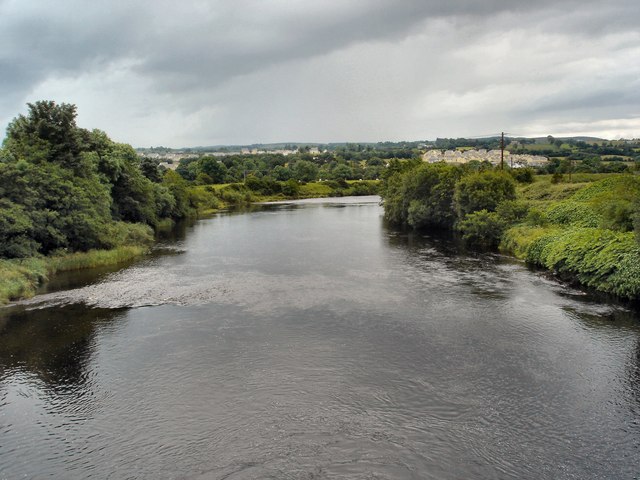
River Finn rises at Lough Finn in the Bluestack Mountains and flows past Ballybofey and Stranolar to join the Mourne at Lifford, forming part of the River Foyle system. It is one of Ireland’s premier spring salmon rivers, producing an estimated 500–800 spring salmon and 4,000 grilse annually — about 40% of the entire Foyle catch — with a season running 1 March to 15 September.
County
Donegal
Region
North West
Type
River
Nearest towns
Ballybofey, Stranolar
River system
River Foyle
Species
Atlantic Salmon, Sea Trout, Brown Trout, Roach, Perch
The River Finn is the most prolific salmon and grilse river in County Donegal and arguably the finest in the entire Foyle catchment. Rising at Lough Finn high in the Blue Stack Mountains, it flows for forty miles through some of the most dramatic scenery in the north-west before joining the River Mourne at Lifford to form the River Foyle. This is a true spate river — responsive, fast-changing, and capable of producing extraordinary fishing when conditions align.
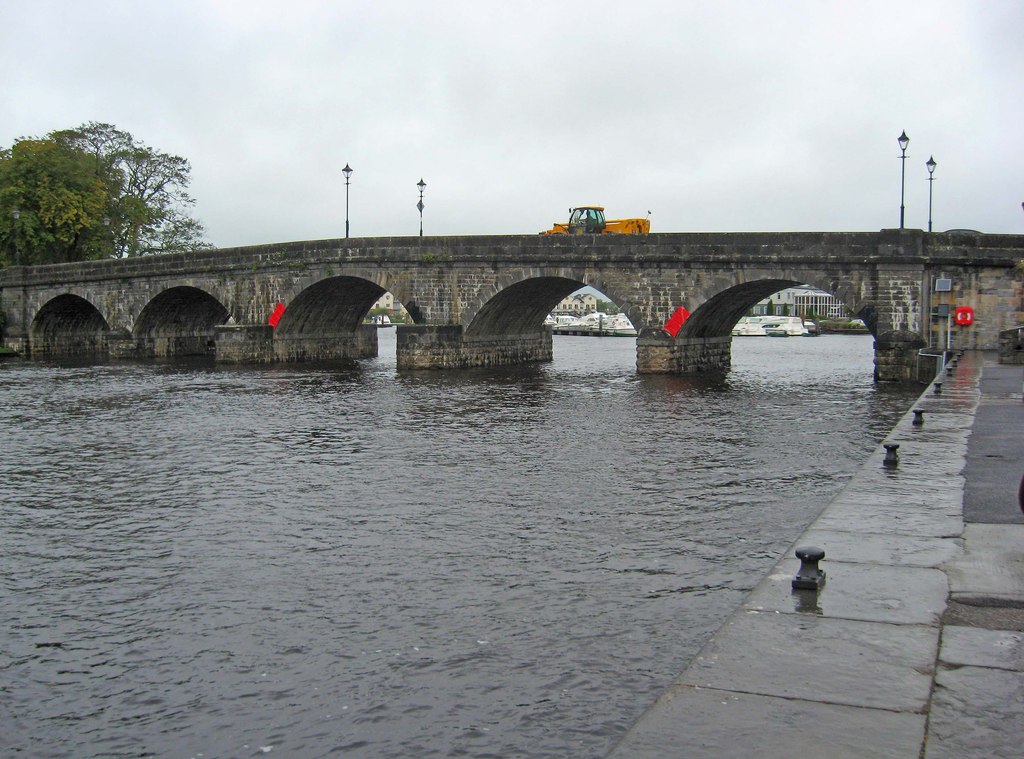
The Finn's character changes dramatically along its length. The upper river above Ballybofey is steep and fast, tumbling through mountain scenery where the Finn and its major tributary the Reelan drain the wild uplands of central Donegal. Here the river runs off quickly after rain, creating intense windows of opportunity for anglers who can read the weather and time their visits. Below Ballybofey and Stranorlar, the river widens and slows through the lowland plain, with notable exceptions at Killygordon and Liscooley where faster water creates classic fly pools. From Castlefinn downstream to the tidal reaches at Lifford, the river is broad and deep.
Spring salmon are the Finn's first prize. The river opens on March 1st and fish are taken from the very first day, with the generally agreed peak for springers around mid-April. These early-season fish have run straight from the Atlantic and are strong, chrome-bright and hard-fighting — typically eight to fourteen pounds. They distribute throughout the river, with fish recorded as far upstream as the Ivy Bridge, some twenty miles above the tide. The spring run is what has built the Finn's reputation among serious salmon anglers.
Grilse arrive in late June and continue through July in enormous numbers, providing the most accessible fishing of the season. These smaller salmon of four to seven pounds run the entire river when water conditions allow, pushing right through to the upper beats above Bellanamore Bridge. A fresh spate in July on the upper Finn, when grilse are running hard, is one of the great experiences in Irish salmon fishing. August can also produce good sport if the weather remains cool and wet, with a late-season run sometimes materialising from August into the close in mid-September.
The Finn also holds excellent sea trout, particularly around Liscooley and Killygordon and from Ballybofey upstream to Lough Finn. Brown trout, roach, perch and eels are present throughout the system. The river lies within the Loughs Agency jurisdiction — a cross-border body managing the Foyle and Carlingford catchments — which means licensing and regulations differ from standard IFI waters elsewhere in the Republic.
Grilse: July
Sea Trout: June, July, August
Brown Trout: May, June, July
Spring Salmon: March, April, May
Difficulty
Intermediate
Access & bases
The River Finn is accessible from the N15 (Donegal to Lifford road) and the N13 through Ballybofey and Stranorlar. Road bridges at Lifford, Castlefinn, Killygordon, Ballybofey, Cloghan and Bellanamore provide access points. Parking is available at most bridge crossings. The lower river from Flushtown to Castlefinn is wide and accessible from the banks. The upper river above Ballybofey requires more walking. Cloghan Lodge offers fishing on both the Finn and Reelan with direct river access.
Signature features
Premier Spring Salmon River
The Finn's spring run is what sets it apart. Fresh Atlantic salmon entering from March onwards and pushing twenty miles upriver to the Ivy Bridge within weeks of the season opening. The mid-April peak produces some of the finest spring fishing in the north-west, with chrome-bright fish averaging eight to fourteen pounds.
Classic Spate River Character
The Finn is the quintessential spate river — it rises fast after rain and drops quickly due to the steep gradient of its catchment in the Blue Stack Mountains. This creates intense windows of outstanding fishing when timing is right. Anglers who can read weather forecasts and respond quickly are rewarded with fresh fish pushing through on rising water.
Twenty-Five Miles of Salmon Water
From Flushtown Bridge on the lower river right up to Bellanamore Bridge on the upper Finn, plus the Reelan tributary, there are over twenty-five miles of salmon fishing available. This variety of water — from wide, slow pools to fast mountain streams — means there is always somewhere to fish effectively regardless of water height.
Season by season
March – April
Spring salmon season. The river opens on March 1st and fish are taken immediately by anglers who know the water. Mid-April is the acknowledged peak for spring fish. Water temperatures are still cold, so spinning and worming are often more effective than fly in early March, with fly fishing improving as temperatures rise through April. The upper river receives fish remarkably quickly in good water conditions.
May – June
Late spring salmon continue to run. Sea trout begin entering the river. Brown trout fishing improves significantly with warmer water and increasing fly hatches. The river can fish well through extended dry spells on the deeper holding pools in the middle and lower river. Late June sees the first grilse arrive.
July – August
Peak grilse season. July is the best month for grilse, with enormous numbers running the entire river when water conditions allow. Fresh spates on the upper river create intense, exciting fishing. Sea trout fishing is also at its best in July. August can be excellent if cool and wet, but prolonged dry weather leaves the river low and fish concentrated in pools.
September
The final weeks of the season to September 15th. A late run of fish sometimes materialises, and coloured autumn fish can provide good sport in higher water. The larger pools on the middle river fish well as the season draws to a close.
Best conditions
Based on 0 reports, these conditions consistently produce the best fishing on River Finn:
💨
SW or W winds bringing rain to fill the river
Best wind
☁️
Overcast with intermittent showers
Best sky
🌡️
8–14°C
Water temp
⏰
On a falling spate — hours to days depending on the section
Best window
Seasonal fly & tactics guide
Spring Salmon (March – May)
Patterns
CascadeWillie GunnAlly's ShrimpFoxford ShrimpThunder and Lightning
Spring fishing on the Finn depends heavily on water height and temperature. In cold, high water, spinning with Devon minnows or Flying C lures covers water effectively on the broader lower beats. As water warms through April, fly fishing becomes increasingly productive. Fish larger flies (sizes 6-8) on sinking or intermediate lines in the deeper pools. The key holding pools — including those at Liscooley, Killygordon and the Cloghan Lodge water — are well-known and fished regularly by experienced anglers.
⚠️Common mistake: Fishing only the obvious pools and ignoring the streamy water between them. Spring fish often rest in unexpected lies, particularly at the heads and tails of runs where faster water provides oxygenated holding positions.
Grilse (Late June – August)
Patterns
Stoat's TailBlue CharmHairy MarySilver RatCollie Dog
Grilse fishing on the Finn is all about timing spates. A fresh flood sends grilse surging upriver, and the fishing in the hours and days following a spate can be electric. Fish smaller flies (sizes 8-12) on floating or intermediate lines. The upper river above Ballybofey, where the gradient is steeper, fishes best on a falling spate — the window may only be a few hours. On the lower river, the larger pools hold fish for longer and can be productive for several days after a flood.
⚠️Common mistake: Arriving too late after a spate on the upper river. The Finn runs off extremely quickly due to its steep catchment — if you live far away, you need to anticipate spates from weather forecasts rather than react to them.
Sea Trout (June – September)
Patterns
Peter RossButcherTeal Blue and SilverBlack PennelBibio
Sea trout fishing is best in the evening and after dark on the lower and middle stretches around Liscooley and Killygordon. Fish a team of wet flies on a floating line, starting with larger patterns as light fades. The deeper, slower pools hold sea trout through the day, but they become active as darkness falls. Upstream nymphing can also be effective for daytime sea trout in the clearer tributaries.
⚠️Common mistake: Fishing too deep or too fast. Sea trout often take just below the surface, particularly in warm summer evenings. A slow, steady retrieve with a team of wets barely submerged is usually more effective than stripping flies quickly through deeper water.
Core technique
Wet Fly Fishing for Grilse on a Spate
1Assess the river level — ideal conditions are when the water has risen and is beginning to fall back, with a slight colour remaining.
2Set up a 12-14ft rod with a floating or intermediate line and a 10-12lb leader tapering to 8lb at the point.
3Fish a team of two flies — a small tube fly or double (size 10-12) on the point and a smaller single on the dropper.
4Start at the head of a pool and work downstream, casting at forty-five degrees across and allowing the flies to swing round in the current.
5Take a step downstream after each cast, covering the water methodically.
6When a fish takes, resist the temptation to strike — the current will tighten the line and the fish will hook itself against the tension of the swing.
💡 On the upper Finn where pools are smaller and water faster, you may need to shorten your casting distance and slow the swing by mending line upstream.
What works here
Flies and methods reported most successful by the community.
Where to Fish at River Finn
Tidal Reach (Lifford to Flushtown)
The lowest section of the Finn, from the confluence with the Mourne at Lifford upstream to Flushtown Bridge. This is wide water, over fifty metres in places, with a tidal influence. Spinning is the most productive method in high water. Both spring salmon and grilse pass through, and some notable holding pools hold fish in lower conditions. The Killpadies area has good holding pools for bait fishing.
Lower River (Flushtown to Killygordon)
A productive middle section where the river alternates between deeper holding pools and faster streamy water. Killygordon and Liscooley are traditional hot spots for both salmon and sea trout. The river is accessible from road bridges and bank paths. Good fly water when conditions suit, and spinning is effective in higher flows.
Middle River (Killygordon to Ballybofey)
The river narrows and picks up pace through this stretch, creating classic fly fishing water with defined pools, runs and glides. Both spring fish and grilse hold here, and the water fishes well at a range of heights. Club waters and private beats offer varied access. The Donnyloop area near Castlefinn has well-known holding pools.
Upper Finn (Ballybofey to Bellanamore Bridge)
The upper river is steeper, faster and more responsive to rain. Mountain scenery is breathtaking amongst the Donegal highlands. Primarily a grilse river from mid-June, with enormous numbers running through in spate conditions. The window of opportunity can be short as water runs off quickly. The Cloghan Lodge fishery controls some of the best water on both the upper Finn and the Reelan tributary.
River Reelan
The Finn's major tributary, draining the Blue Stack Mountains. A beautiful small spate river that runs off at a very steep gradient. Excellent grilse fishing when conditions are right, but timing is critical — the Reelan rises and falls even faster than the main Finn. Brown trout fishing is also good throughout the Reelan system.
Suggested trip formats
🎣 Spring Salmon Weekend
A focused two or three-day trip targeting spring fish in April. Base yourself in Ballybofey or at Cloghan Lodge and fish the productive middle and upper beats. Bring fly and spinning gear to adapt to conditions. The spring run is unpredictable — some days produce multiple fish, others are blank — but the quality of fish makes the effort worthwhile.
🎣 Grilse Spate Trip
A flexible trip planned around weather forecasts. Monitor rainfall predictions for the Donegal highlands and be ready to travel at short notice when a spate is expected. The upper river from Ballybofey to Bellanamore provides the most exciting fishing on a falling flood. One productive day on a running spate can produce a lifetime memory.
🎣 Week-Long Foyle System Tour
Combine the Finn with other rivers in the Foyle catchment — the Mourne, Derg and Strule all offer excellent salmon fishing. Base yourself in the Strabane/Lifford area and fish different rivers depending on daily conditions. A Loughs Agency rod licence covers the entire system.
Conservation & stewardship
🌿
Salmon conservation is a critical concern on the Finn. In 2025, fish counter data recorded approximately 3,500 returning salmon across the four Foyle statutory rivers — a 63% decrease compared to the five-year average. For 2026, the Loughs Agency has implemented catch-and-release only until June 1st, with one black tag per licence from June 1st to season end. All anglers must use single barbless hooks. These measures aim to protect vulnerable stocks while still allowing angling access.
Frequently asked questions
Before You Go — Key Regulations
Jurisdiction
Republic of Ireland (IFI)
Season
March 1 – September 15
Licence required
Yes — State Salmon Rod Licence
The River Finn is managed by the Loughs Agency (not IFI). A Loughs Agency rod licence is required for all fishing.
Main access: Tackle shops and licence distributors in Ballybofey, Lifford and Strabane, Cloghan Lodge provides fishing lodge accommodation. Hotels, B&Bs and self-catering in Ballybofey, Stranorlar and Letterkenny, Cloghan Lodge offers guided salmon fishing on private beats of the Finn and Reelan