📍Carlow · South East📋IFI (Republic of Ireland)Season Open
8Species Present
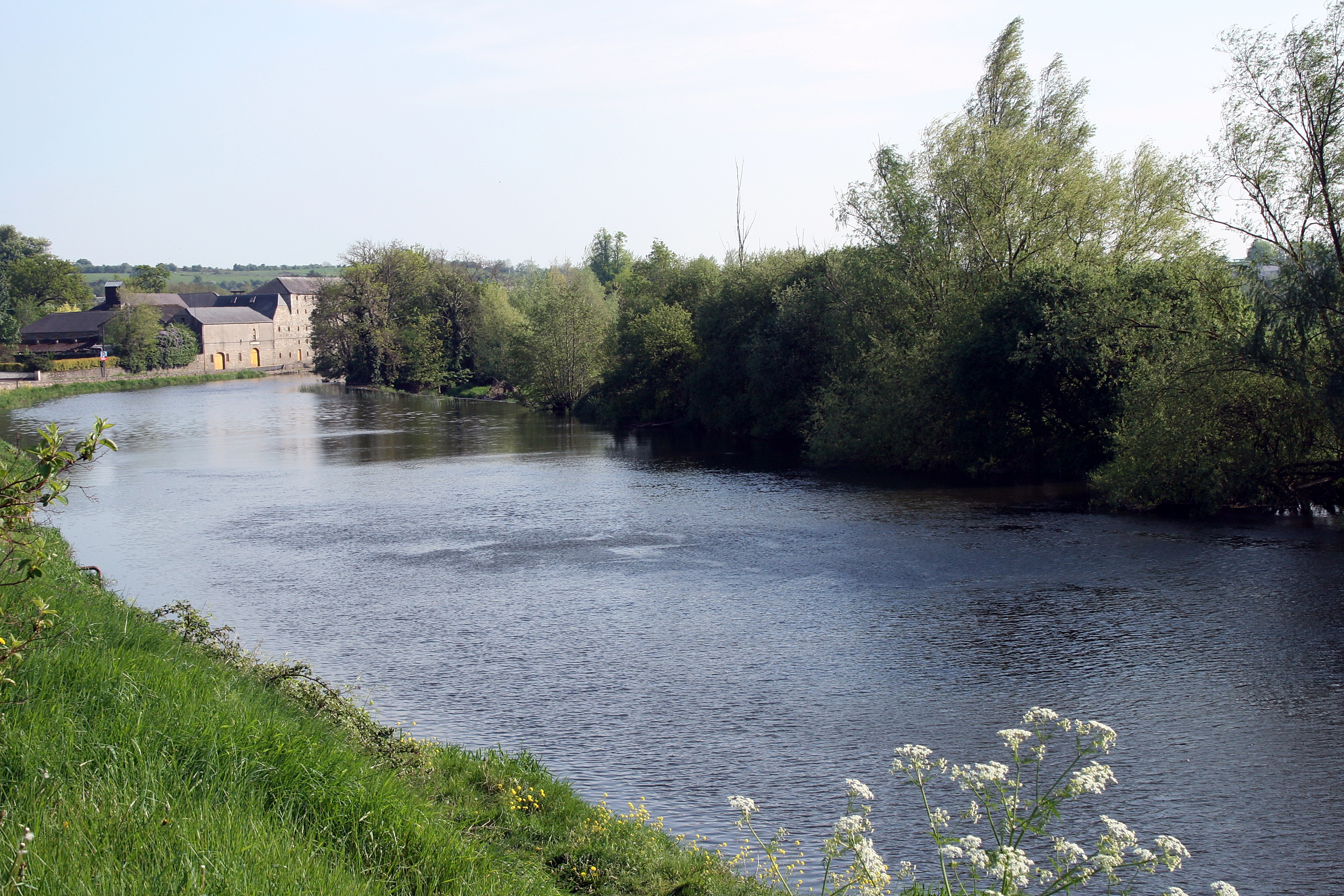
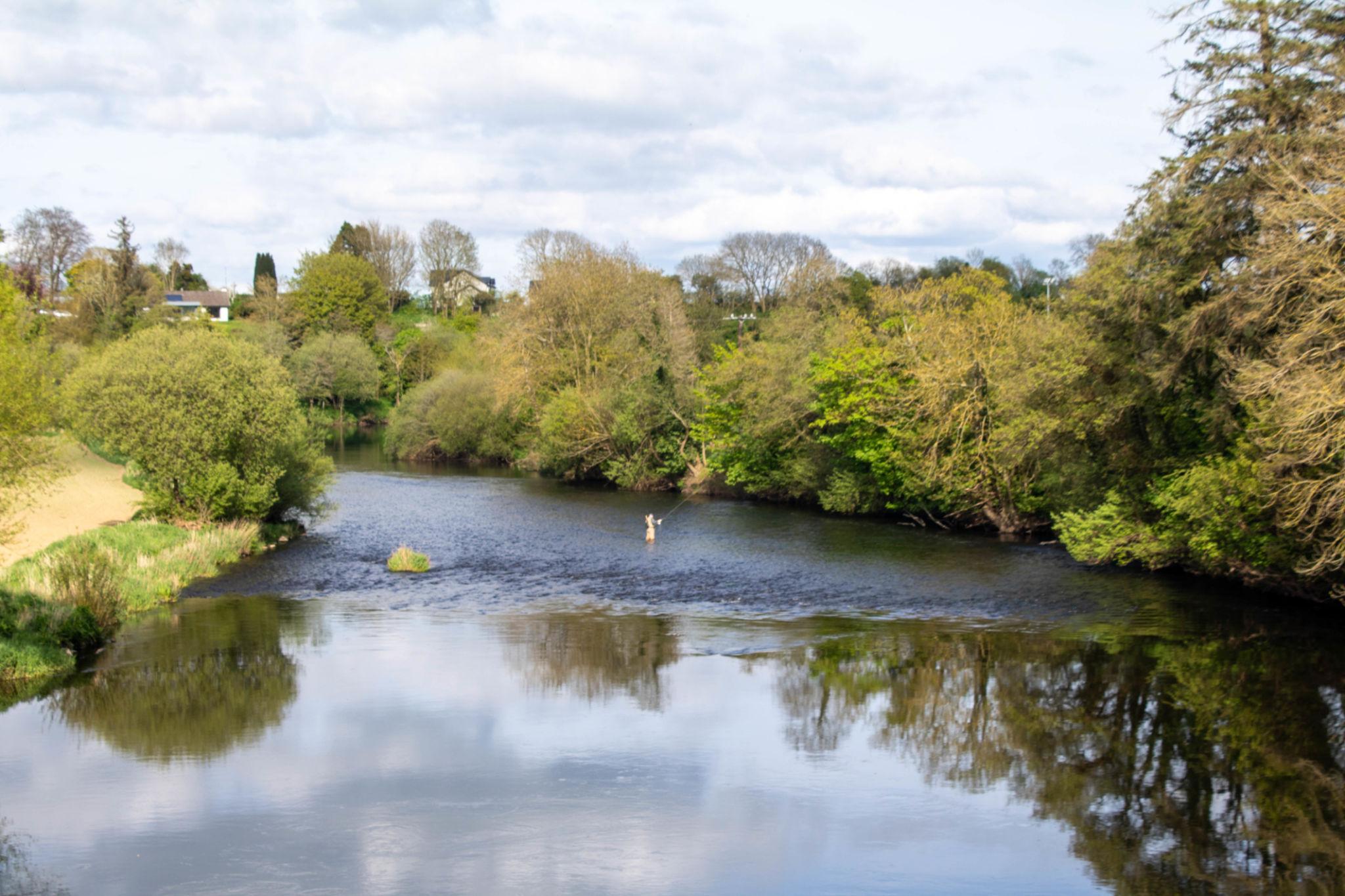
St Mullins is a tidal stretch of the River Barrow in County Carlow, near Graiguenamanagh and Borris. It marks the tidal limit of the Barrow and holds salmon, sea trout and twaite shad alongside coarse species including bream, dace and pike.
County
Carlow
Region
South East
Type
River
Nearest towns
Graiguenamanagh, Borris
River system
River Barrow
Species
Twaite Shad, Shad Hybrid, Roach, Bream, Dace, Rudd +2 more
St. Mullins stands at one of the most dramatic junctions in Irish angling: the point where the tidal River Barrow meets the ancient weir that has stood here since the time of the early Christian settlement founded by St. Moling in the seventh century. Every year, from late April into May, Atlantic Twaite Shad run fourteen miles up the tidal Barrow from New Ross and stack below this weir — their natural limit — to spawn on the gravel beds in the river shallows. For this short window, anglers descend from across Ireland to stand on the high mud banks and cast small lures into the shoals. St. Mullins is Ireland's most important Twaite Shad fishery and one of the great wildlife spectacles in Irish angling.
The Twaite Shad (Alosa fallax) is a member of the herring family and one of Ireland's most unusual sporting fish. Deep-bodied, silver-flanked and marked with a row of dark spots along the upper body, shad enter the river on the spring tides of late April or early May and peak in the second set of springs, typically in the first three weeks of May. Floodwater delays and disrupts the run — the shad need clear water to find lures — so dry weather and steady river levels produce the best conditions. Shad spawn after dark; the most productive sessions are at dawn and dusk on a low or dropping tide, when fish concentrate in the riverside pockets.
The Barrow at St. Mullins is tidal, wide — between 30 and 40 metres across — and runs with a significant tidal fall of up to two metres. Wading is possible at low water but the tide rises fast; at the first sign of rising water anglers should return immediately to the high bank. The opposite bank holds the most productive pockets where shad concentrate, so distance casting with light lures is more important than weight.
Twaite Shad are a protected species under the EU Habitats Directive and all fish must be returned alive. This is not just a legal requirement but an ecological one: the River Barrow is now the primary remaining shad river in Ireland, and the run at St. Mullins is dependent on the careful treatment of every fish that makes the migration. The St. Mullins Angling Club hosts an annual international competition on the first weekend of May. Outside the shad season, the tidal Barrow at St. Mullins holds a healthy population of Bream, Dace, Rudd, Roach, Hybrids, Perch and Pike.
The village itself is a place of layered history: an early monastic ruin, a Norman motte, the grave of the last kings of Leinster, and Blanchfield's pub on the village green where shad anglers have gathered since the tradition began. Overlooked by the Blackstairs Mountains to the east and Brandon Hill to the west, few venues in Ireland can match St. Mullins for atmosphere, natural beauty, and the singular intensity of fishing for a single species in a brief seasonal window.
Also present: Roach, Bream, Dace, Rudd, Perch, Pike
Methods
SpinningLure Fishing
Venue details
Season dates
Season: Late April – Late May
Best times
Twaite Shad · Protected Species · Tidal River · May Season Only · Catch and Release
Difficulty
Intermediate
Access & bases
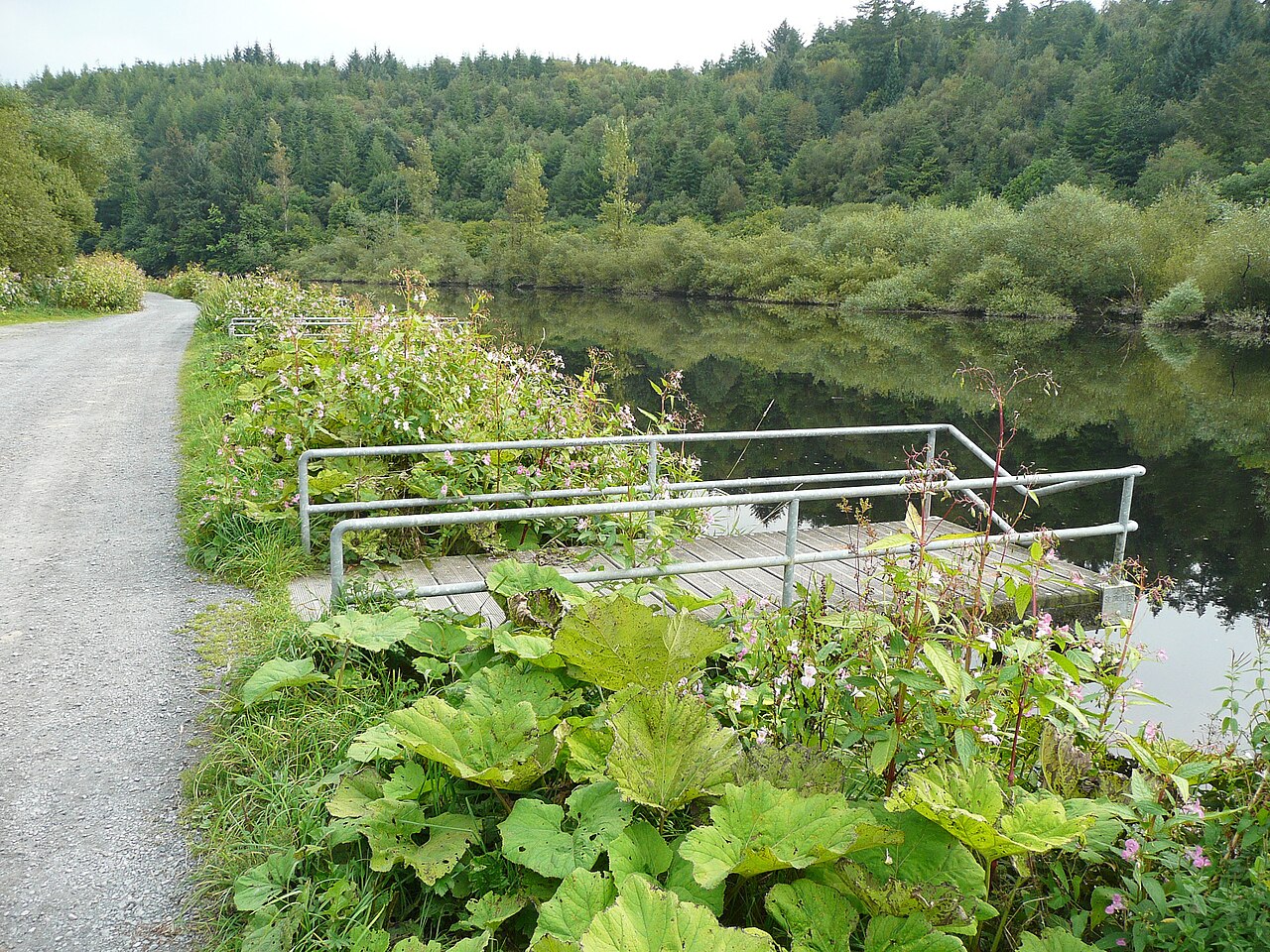
St. Mullins is in south County Carlow on the Carlow/Wexford border. Approach via the R729 from Graiguenamanagh (8km north) or via New Ross (18km south). The fishing platform and river access are at the foot of the hill below the village. Parking at the riverside. The high tidal banks require care — do not wade when tide is rising.
Signature features
Ireland's Last Great Shad River
The River Barrow at St. Mullins hosts what is now the primary Twaite Shad run in Ireland. Once present in several southeastern rivers, the species has contracted to the Barrow as a reliable stronghold. This makes St. Mullins not just a fishing destination but a conservation site of national importance.
The Annual International Competition
St. Mullins Angling Club hosts an annual international Twaite Shad competition on the first weekend of May, drawing anglers from across Ireland and from abroad. The competition is entirely catch-and-release and has been running for many years, building a community of dedicated shad anglers around a single, unique fishery.
Historic Setting
Few Irish fishing venues carry the weight of history that St. Mullins does. A seventh-century monastic settlement, Viking raids, Norman fortifications, the burial ground of the MacMurrough Kavanagh kings of Leinster — the village above the weir pool is as atmospheric as the fishing below it.
Season by season
Shad Season (Late April – Late May)
The only time to target Twaite Shad. The run begins with the first spring tides of May — occasionally the last days of April in a warm year — and peaks through the first three weeks of May. The migration ends when the shoals move back to sea, typically by late May. Floodwater can suppress and delay the run. The first three weeks of May in a stable weather spell are the most reliable window.
Summer and Autumn (June – October)
Coarse fishing on the tidal Barrow. Bream, Dace, Roach and Rudd above the weir. Pike through autumn and into winter. The river is scenic and peaceful once the shad crowds have dispersed.
Best conditions
Based on 0 reports, these conditions consistently produce the best fishing on St. Mullins:
💨
Any — wind direction irrelevant on a river
Best wind
☁️
Overcast preferred
Best sky
🌡️
Shad enter on rising water temperature — typically above 12°C
Water temp
⏰
Dawn and dusk on a dropping spring tide, first three weeks of May
Cast as close as possible to the far bank where shad concentrate in the pockets and eddies. A soft or through-action spinning rod of 8–9ft prevents hook pulls on the violent head-shakes. Use light braid (6–10lb) for distance. Work the lure at a slow to medium retrieve, close to the bottom on the downswing of the tide. Dawn and dusk on a dropping tide are consistently the most productive windows. Position upstream of a known holding pocket and cast across and slightly upstream, letting the lure swing through the current.
⚠️Common mistake: Fishing at midday on a high spring tide. Shad are largely inactive at this time — the combination of bright light and slack water is the least productive condition. Dawn and dusk on a dropping tide are the times to be on the bank.
Core technique
Light Spinning for Twaite Shad
1Use a light spinning rod rated 5–15g with a 2500–3000 size reel loaded with 6–8lb braid.
2Attach a small silver or gold lure — Tasmanian Devil (13.5g), Mepps (size 2–3) or a small silver spoon.
3Cast as close to the far bank as possible, where shad concentrate in the pockets.
4Retrieve at a slow to medium pace, keeping the lure close to the bottom on the tidal drop.
5Shad bite sharply — strike immediately on a solid take.
6Play the fish firmly but with a light drag — shad are aerial fighters and hook pulls are common.
7Use a landing net and revive the fish in the water for at least a minute before release.
💡 Distance is more important than weight. Getting the lure tight to the far bank where shad concentrate produces far more takes than casting into open water.
What works here
Flies and methods reported most successful by the community.
Where to Fish at St. Mullins
Below the Weir
The primary shad holding area. Fish stack below the weir on the migration and can be seen rolling at the surface on calm evenings. The pool directly below the weir is the most productive but also the most crowded during the competition week.
The Tidal Stretch
The fourteen-mile tidal reach from New Ross to the weir. Shad run through on the spring tides and can be encountered at any point on the stretch, though the weir pool concentrates the most fish. Wading is possible at low water — but watch the tide carefully.
Bahana Wood (Above the Weir)
The coarse fishery above the weir. Good Bream, Dace, Rudd and Pike. A completely different fishing experience to the tidal shad stretch below.
Suggested trip formats
🎣 The May Pilgrimage
Plan a two to three night stay in the first two weeks of May. Monitor the Barrow water levels via OPW in the week before — ideal conditions are stable, clear water on neap to spring tides. Fish dawn and dusk sessions. Stay locally in Graiguenamanagh or New Ross.
🎣 Competition Weekend
The St. Mullins Angling Club international competition runs on the first weekend of May. Entry is open to visiting anglers — contact the club for current details. The atmosphere is excellent and the concentrated fishing community provides a great introduction to shad angling.
Conservation & stewardship
🌿
Twaite Shad are protected under the EU Habitats Directive. All shad must be returned alive immediately. Do not hold fish out of water for more than a few seconds for a photograph. Revive fish fully in the water before release — they need to be swimming strongly before you let go. The Barrow shad run is a fragile and irreplaceable natural event.
Frequently asked questions
Before You Go — Key Regulations
Jurisdiction
Republic of Ireland (IFI)
Season
Late April – Late May
Twaite Shad are a protected species under the EU Habitats Directive (Annex II and V). All shad caught at St.
Main access: Local knowledge available through the club — contact annually for current conditions and competition details, Tackle available in Graiguenamanagh (8km) and New Ross (18km), St. Mullins Angling Club — hosts the annual international shad competition, first weekend of May