- Specimens recorded
- 272 (2000–2025)
- Years on record
- 1999–2025
- Top venue by specimens
- Ballyhoe Lake
- Current specimen threshold
- 3.40kg (7lb 8oz)
- Irish record
- 6.07kg (13lb 6oz)
Bream in Ireland
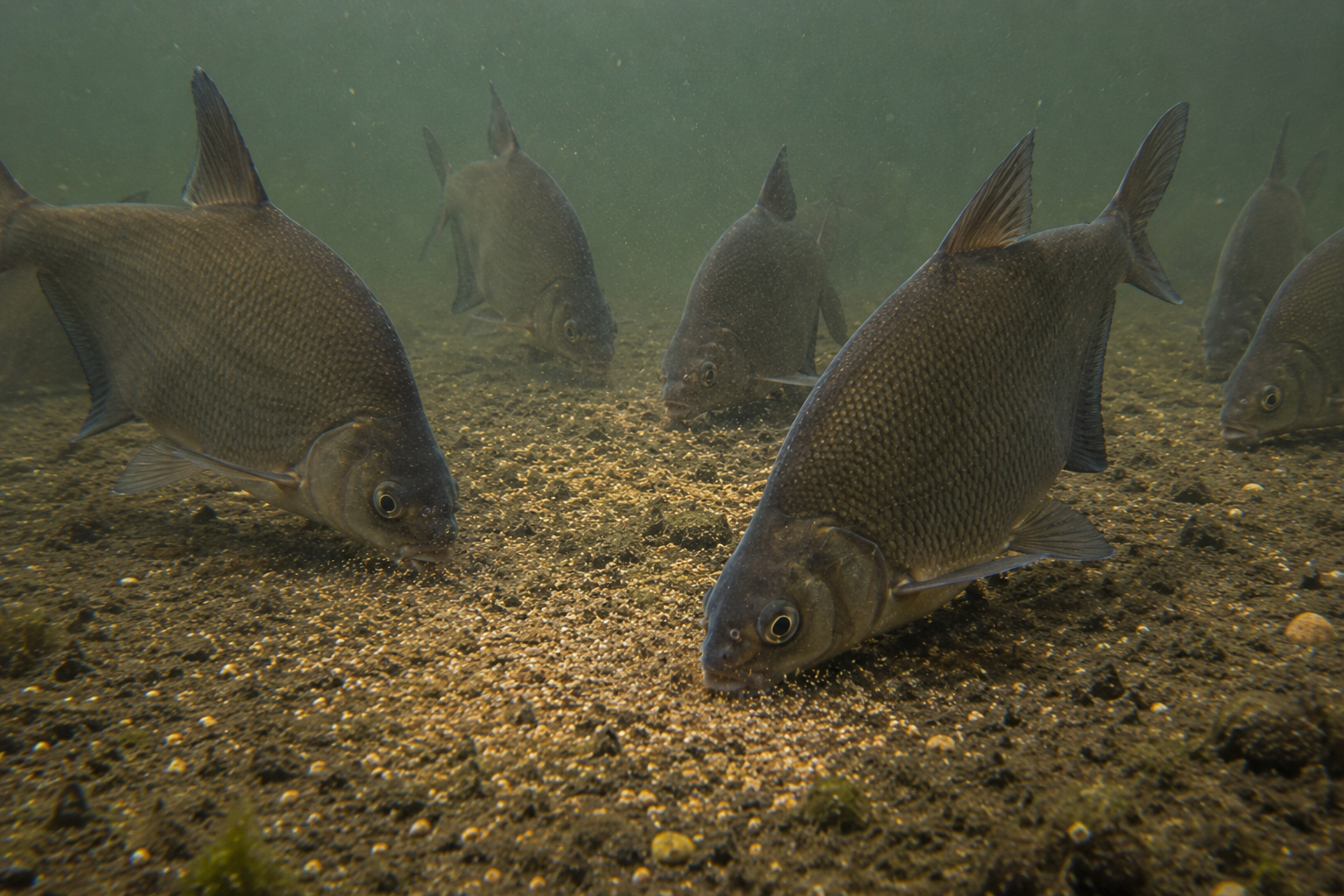
Bream (Abramis brama) is one of Ireland's classic still-water and slow-river coarse species — a deep, laterally flattened fish with a slimy protective coating, found shoaling in numbers across midlands lakes, canals, and larger rivers. Bream feed by tipping down to root in soft bottoms, often giving away their presence with bubbles and clouded water ("bream fizz") before a bite ever comes.
Irish bream fishing has a strong specialist following, with anglers often fishing through the night on stillwaters to intercept feeding shoals of big fish undisturbed by daytime activity.
Bream readily hybridise with both roach and rudd, and ISFC tracks these hybrid categories separately from pure bream.
When Bream Fish in Ireland
ISFC specimens peak clearly in May, June, and April — the classic late-spring-into-early-summer bream period, when big shoals of feeding fish are most active and most catchable before the height of summer.
Based on ISFC specimen records — reflects where anglers fish and submit claims, not necessarily where the species is most abundant.
Where Bream Fish Best
Venue rankings below come from ratified specimen submissions, not scientific stock surveys — popular, well-fished venues will always show more specimens than remote or lightly-fished ones holding the same fish.
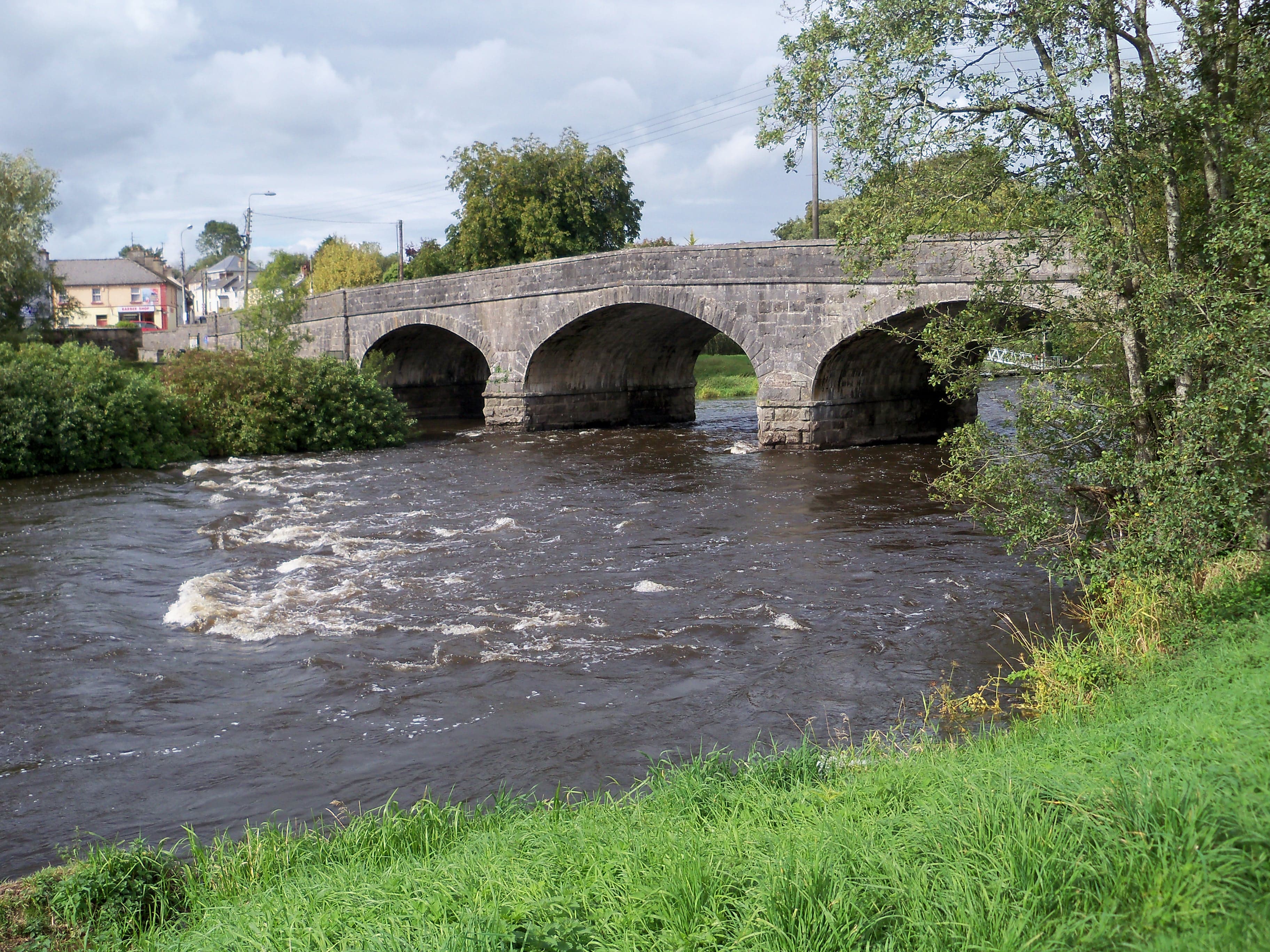
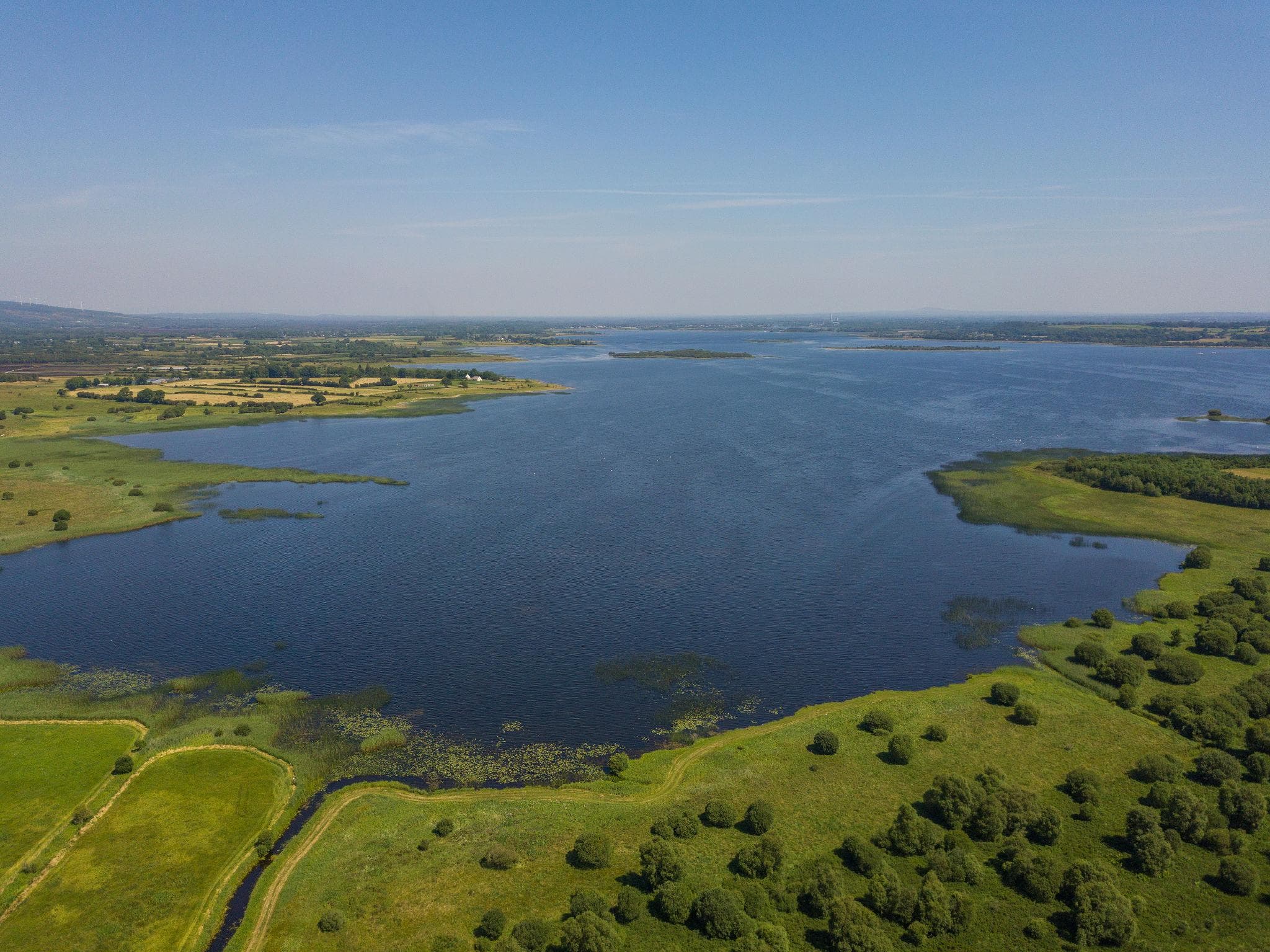
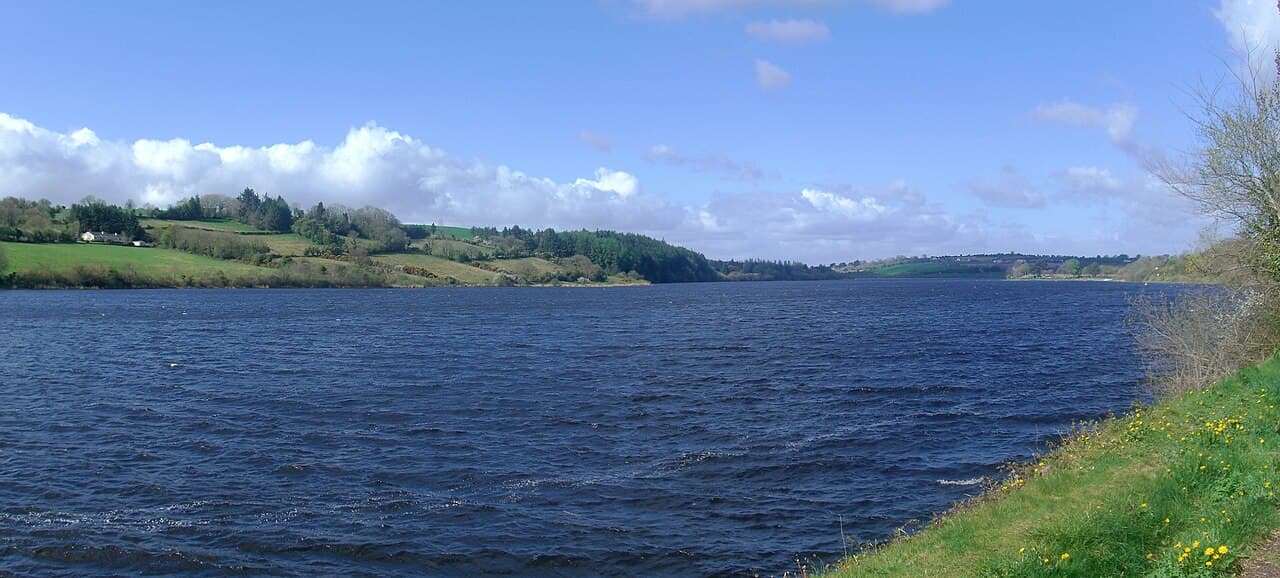
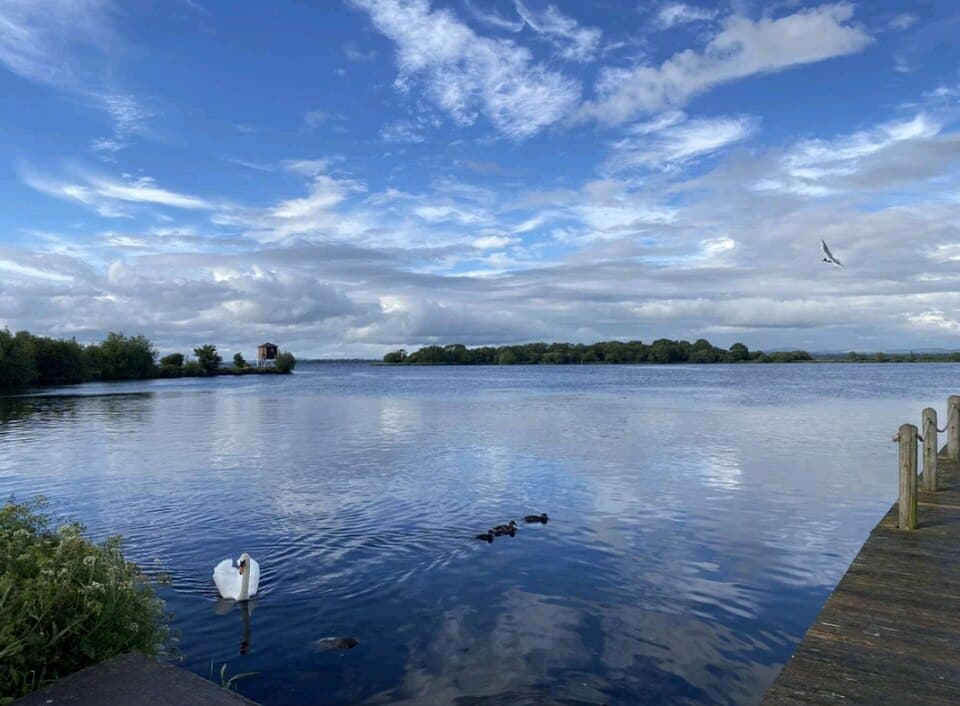
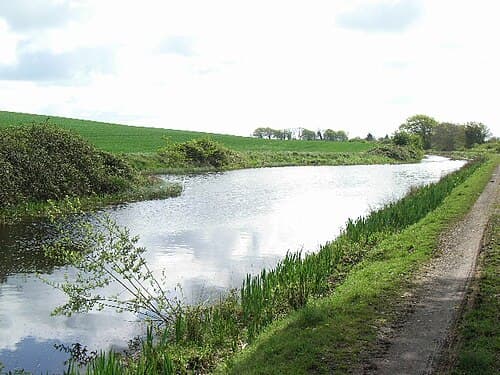
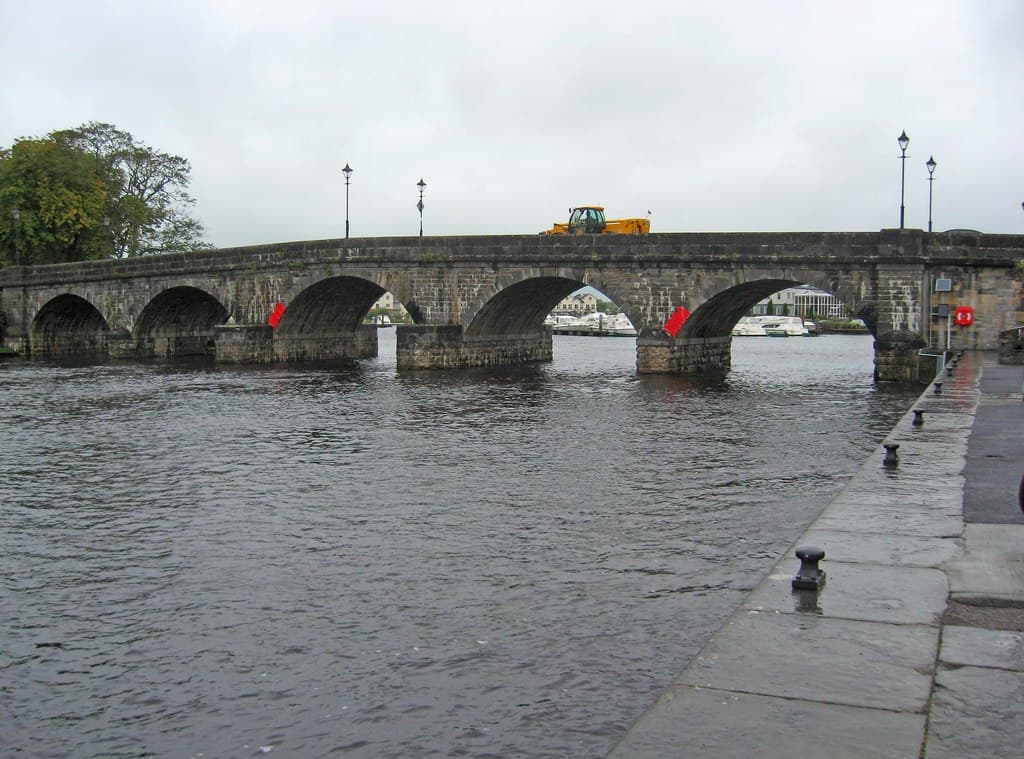
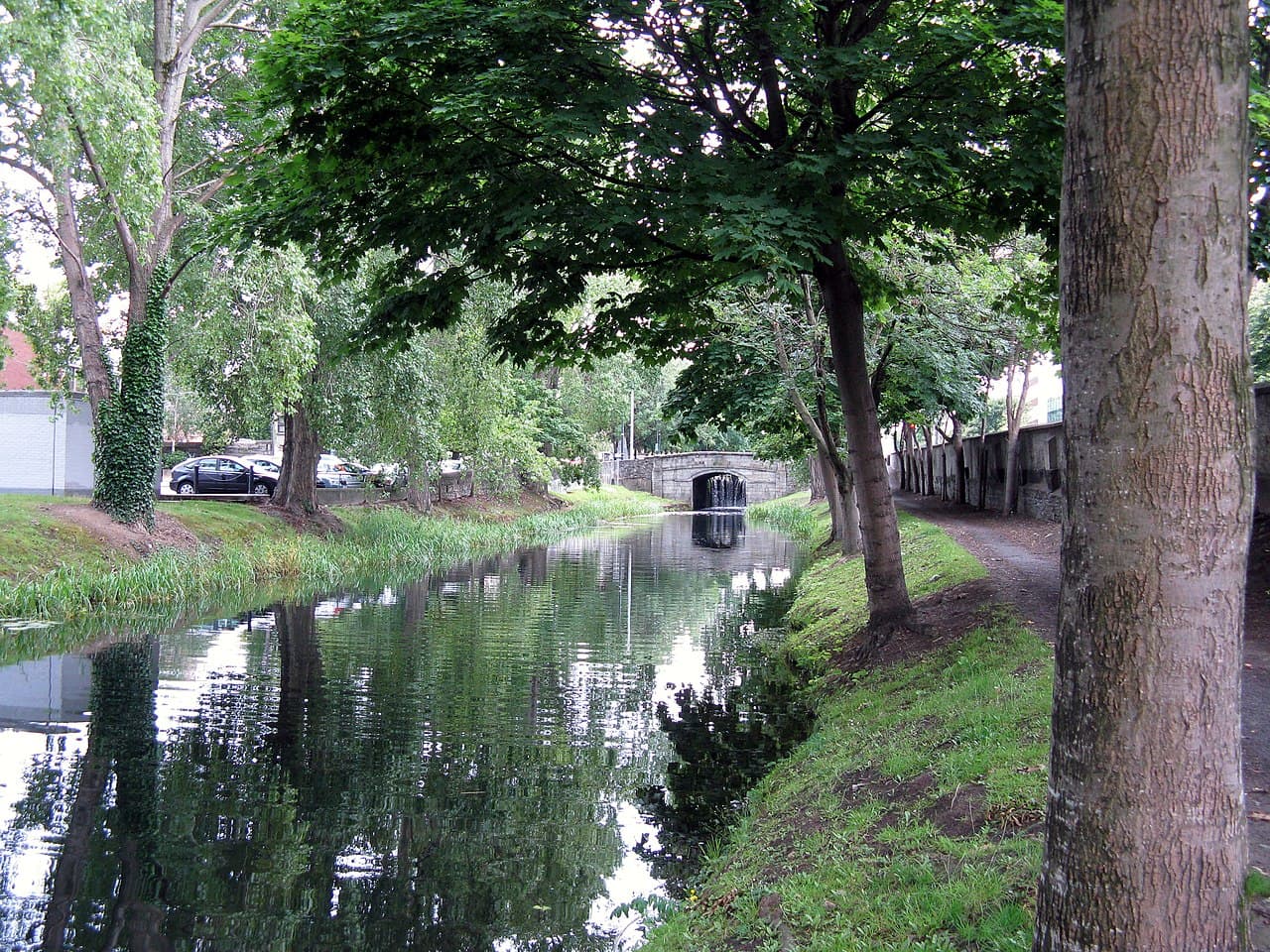
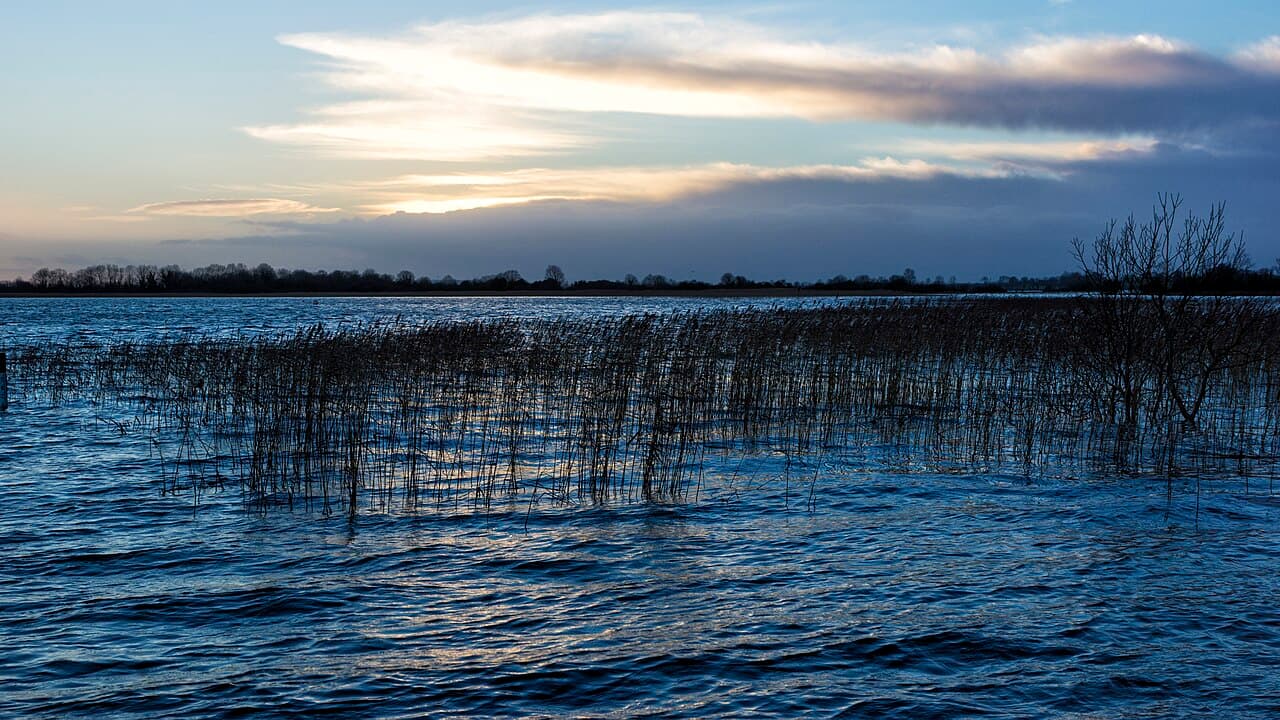
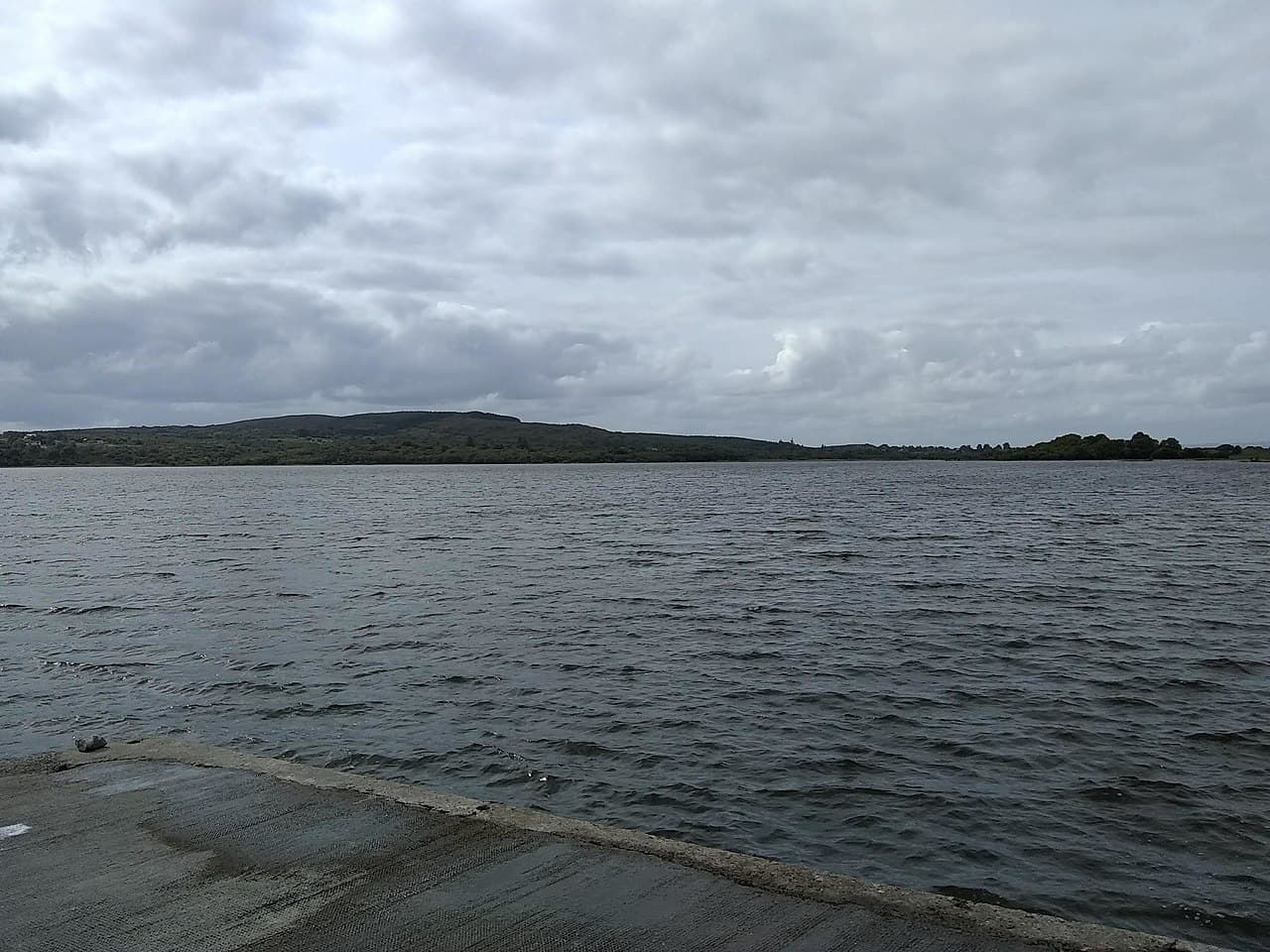
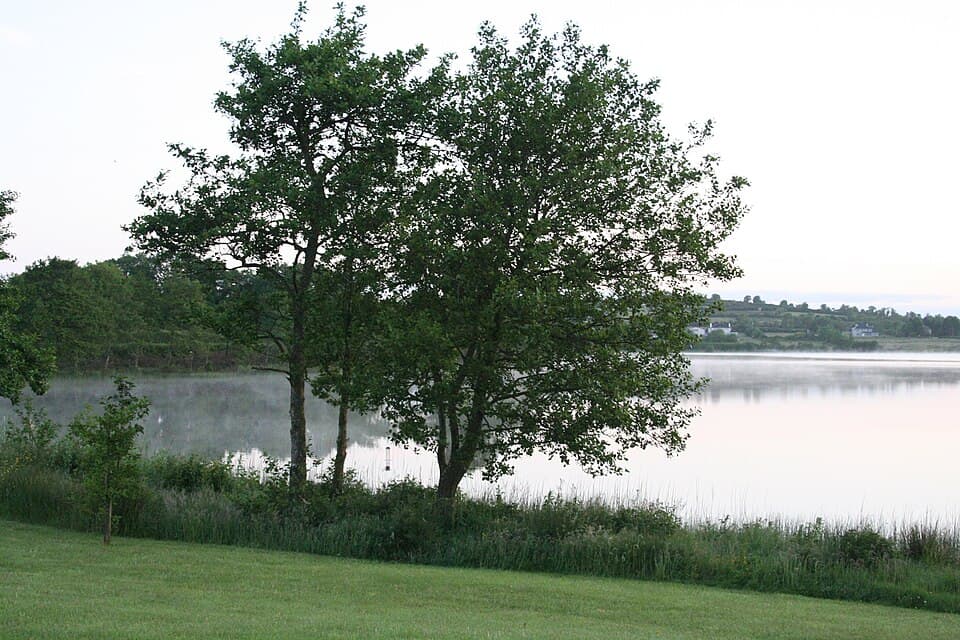
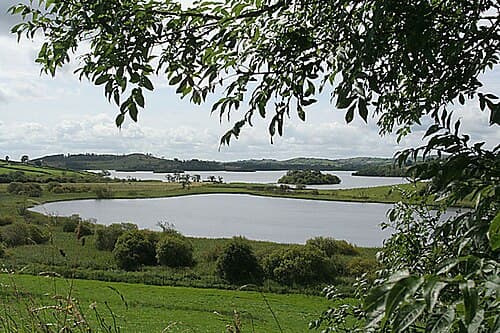
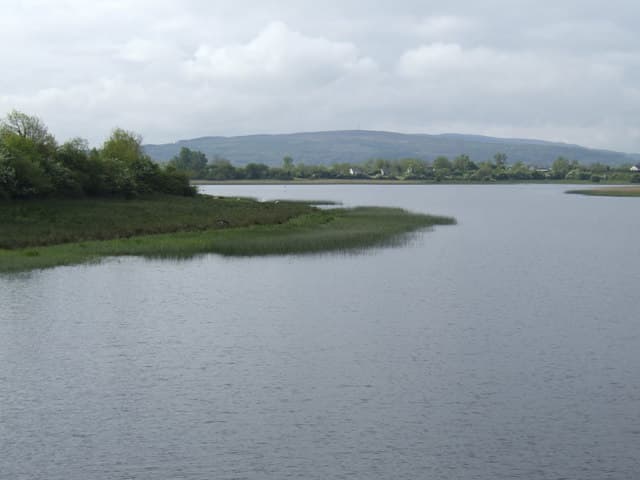
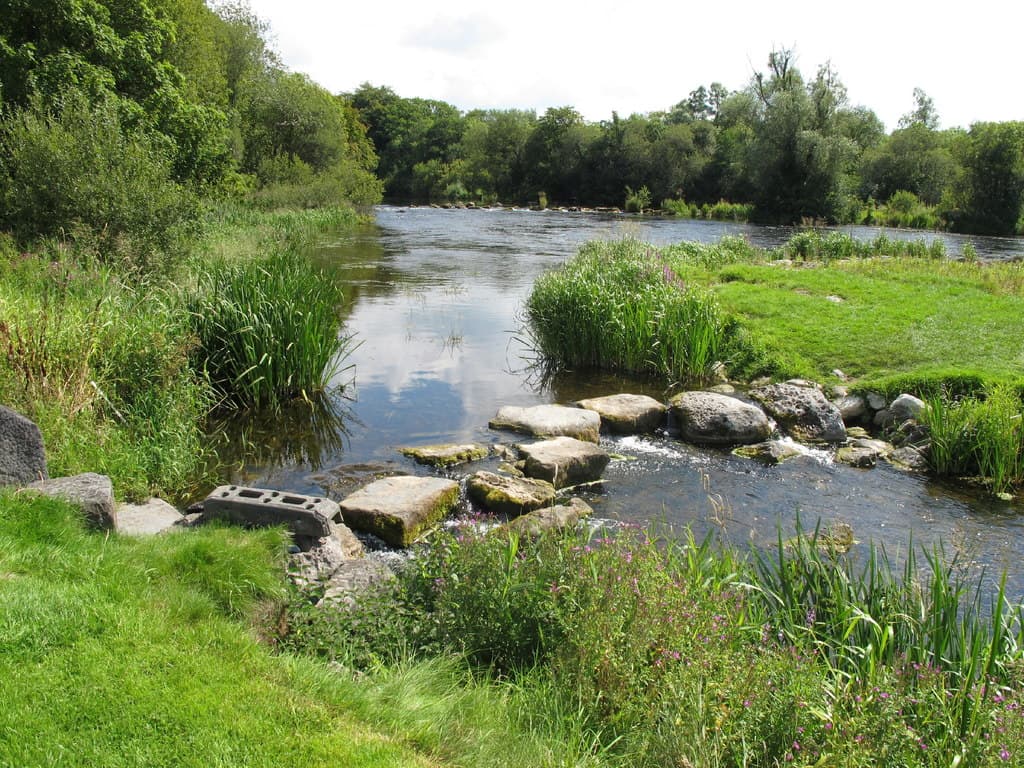
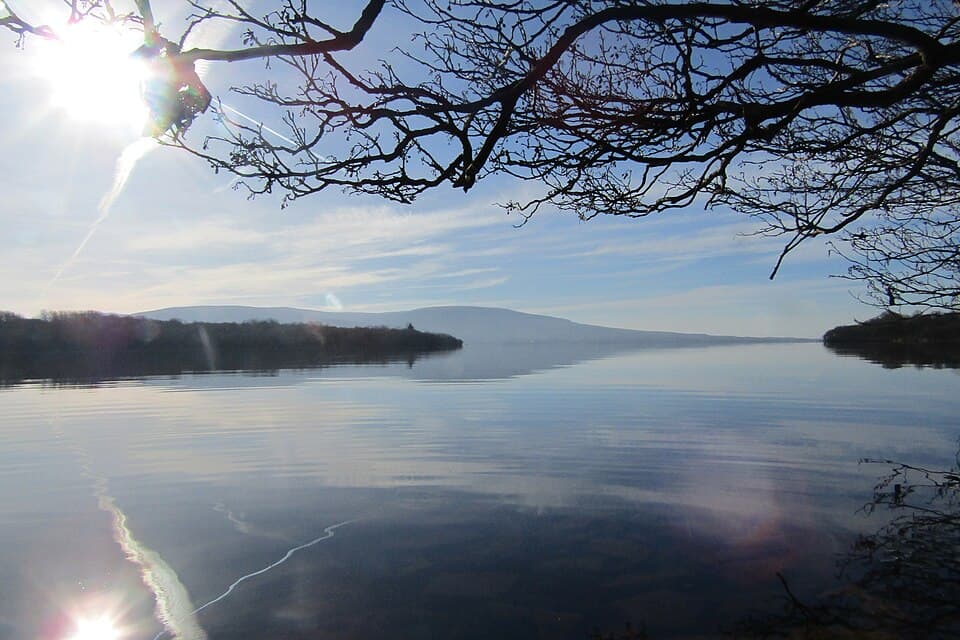
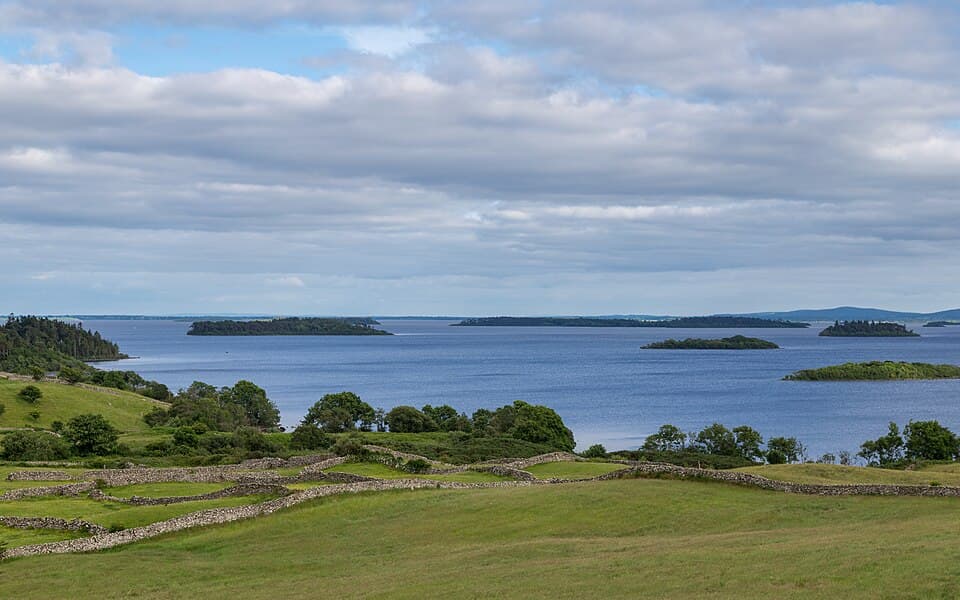
Ballyhoe Lake leads the specimen record, with the River Erne, Lough Ree, Drumlaheen Lake, and Ballycullinan Lake all strongly represented — a spread of midlands and border-county lakes plus larger river systems typical of Irish bream fishing.
See every fishing.ie venue for bream — ISFC-ranked or not — in the full directory below.
Size and Specimens
A specimen bream is a substantial fish for the species — Irish bream waters are capable of producing genuinely large individuals, and a fish near the current threshold represents serious, deliberate specimen hunting.
Based on ISFC specimen and threshold records — reflects where anglers fish and submit claims, not necessarily where the species is most abundant.
How to Catch Bream
Groundbait and feeder tactics, fished with worm, maggot, or sweetcorn hookbaits over a heavily pre-baited swim, are the foundation of serious bream fishing — location and consistent baiting matter as much as any single session's technique.
Bream often feed most confidently after dark or in low light, and many specialist anglers fish through the night specifically to intercept big shoals undisturbed.
Watching for surface activity — rolling fish, bubbling, coloured water — helps locate a feeding shoal before committing tackle to a swim.
Once a shoal is located and feeding, bream can produce sustained runs of fish through a session, rewarding a stable, well-baited swim over constant searching.
Rules and Conservation
No state rod licence is required for coarse fishing in the Republic. Many productive coarse waters are day-ticket fisheries or club waters, so a local permit may still apply.
A DAERA coarse rod licence is required for anyone aged 12 or over fishing for coarse species in Northern Ireland, and covers up to two rods.
Bream Venues in Ireland
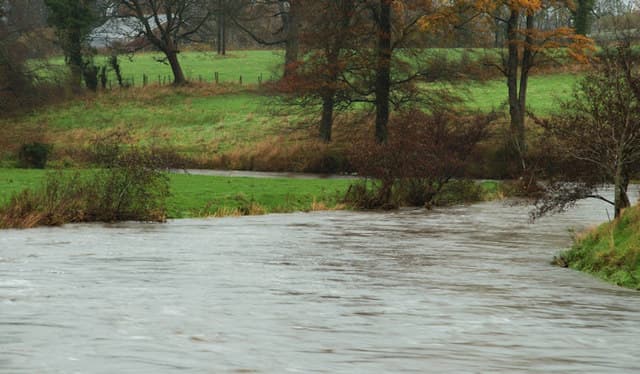
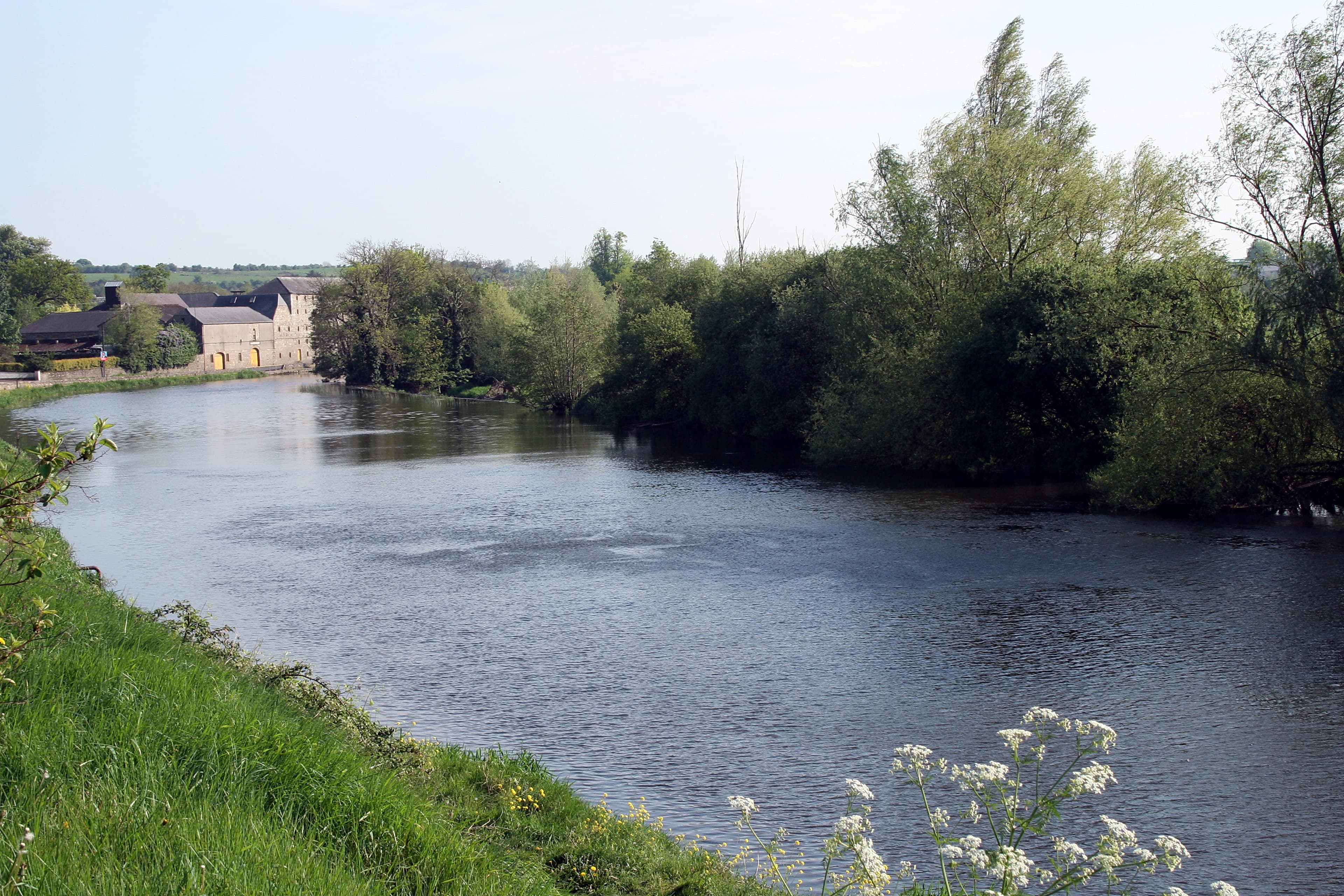
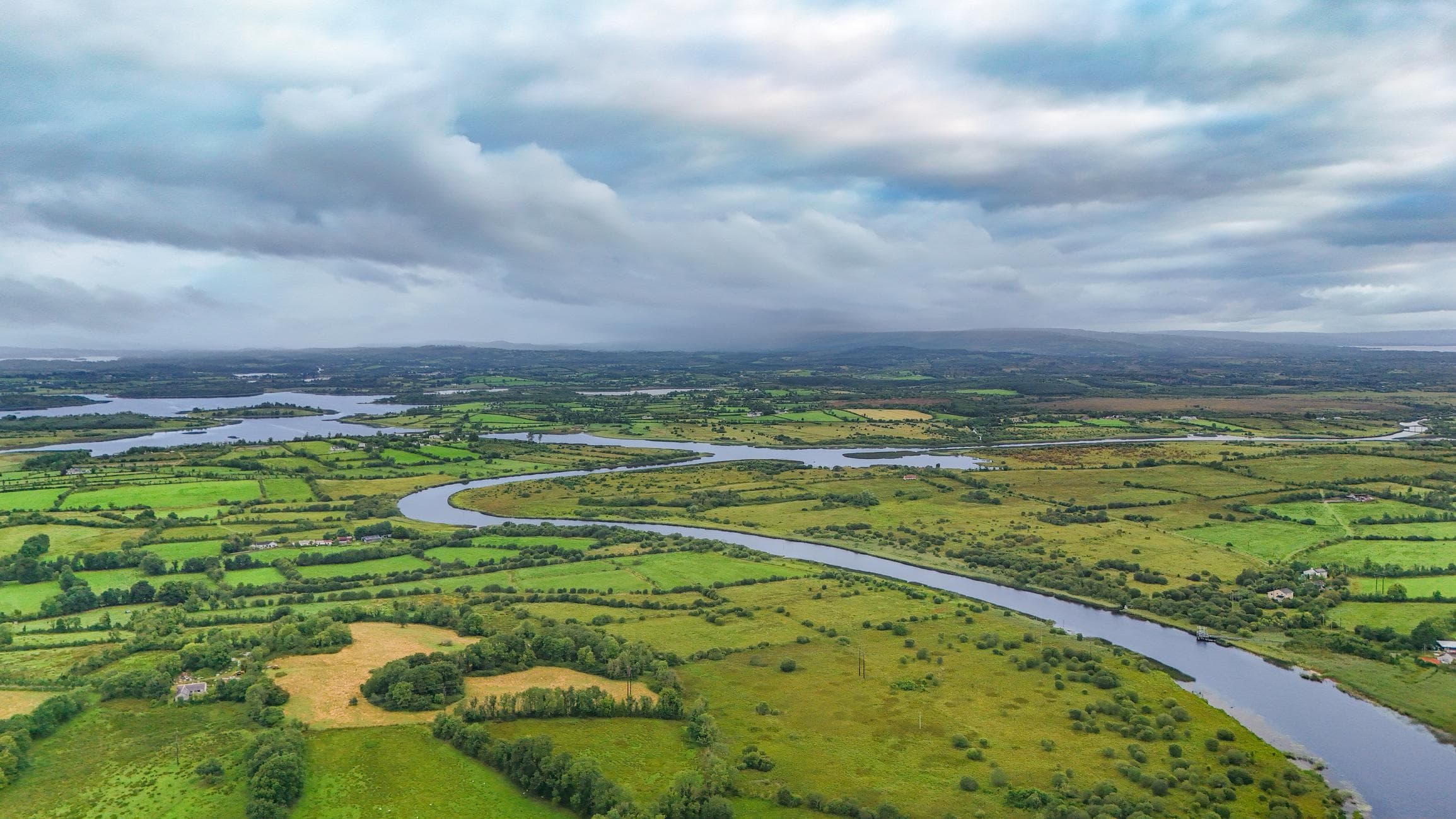
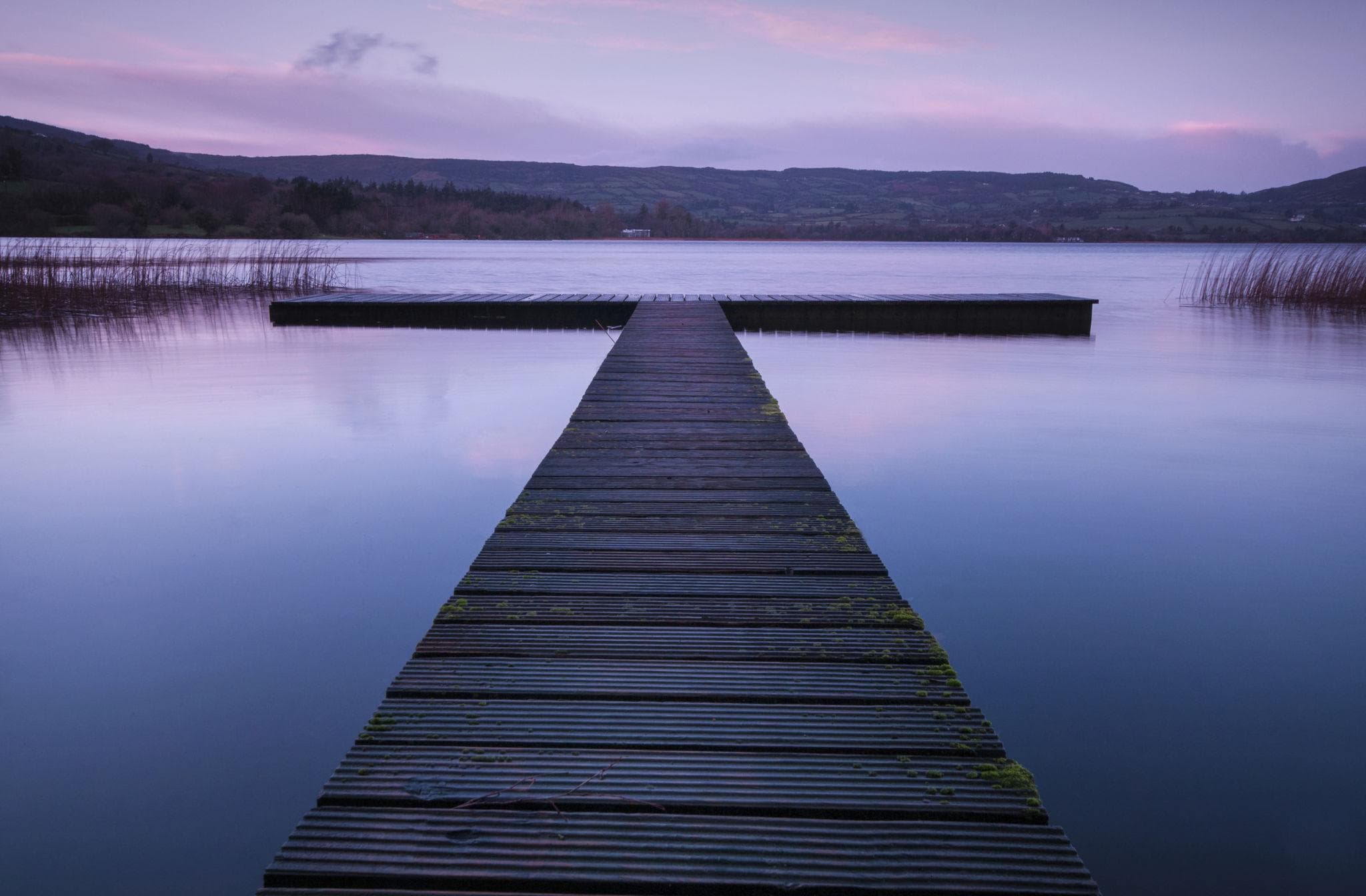
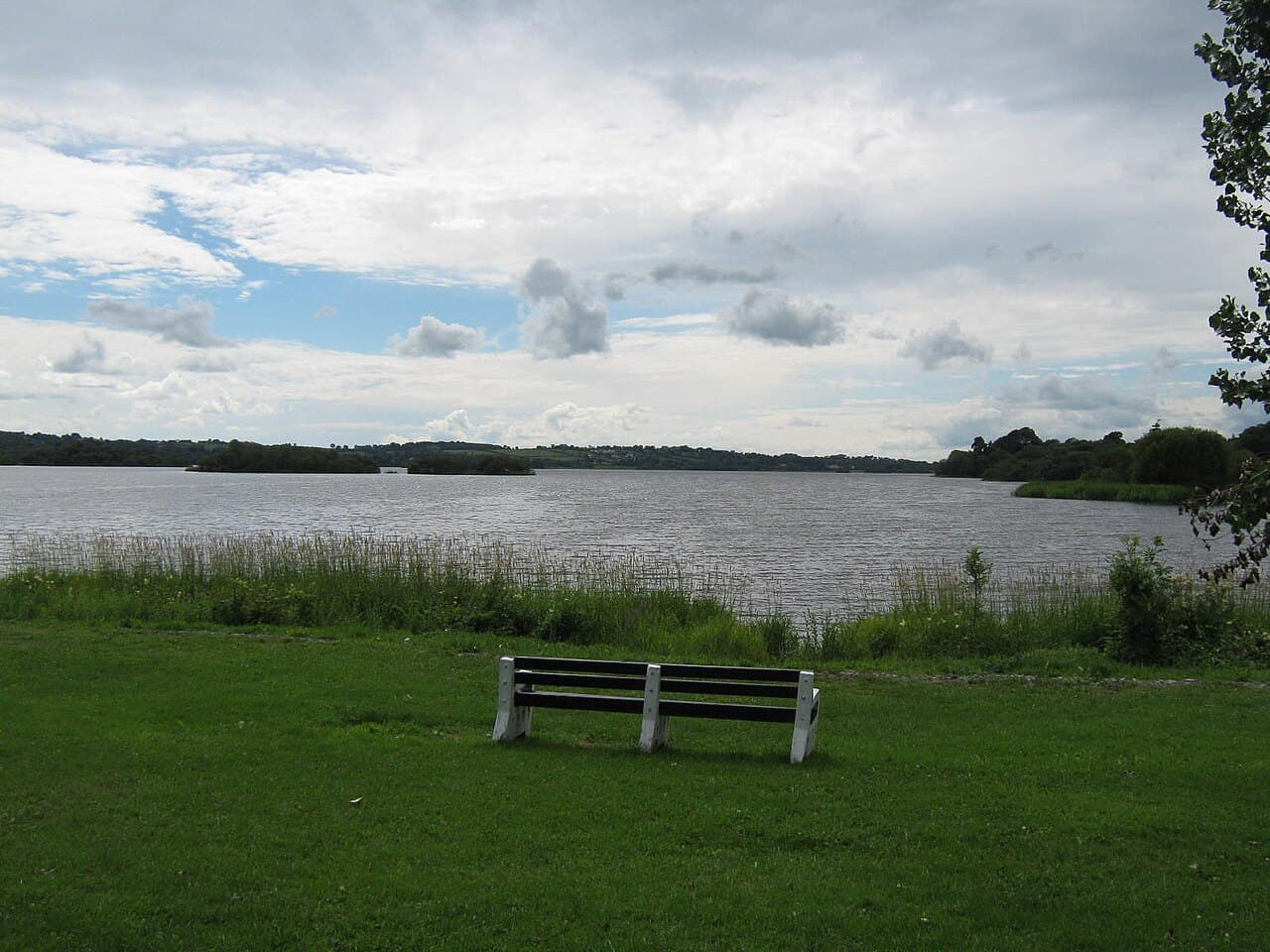
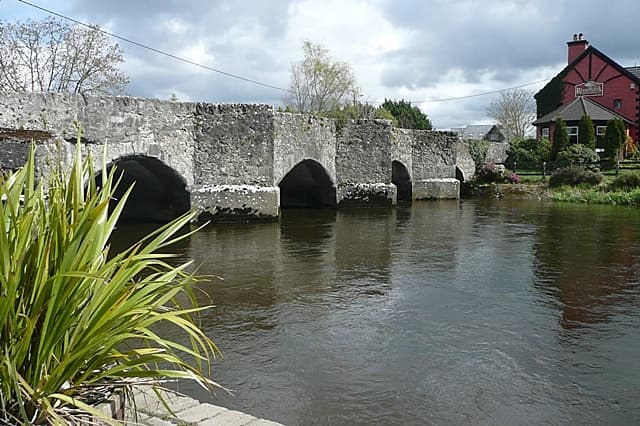
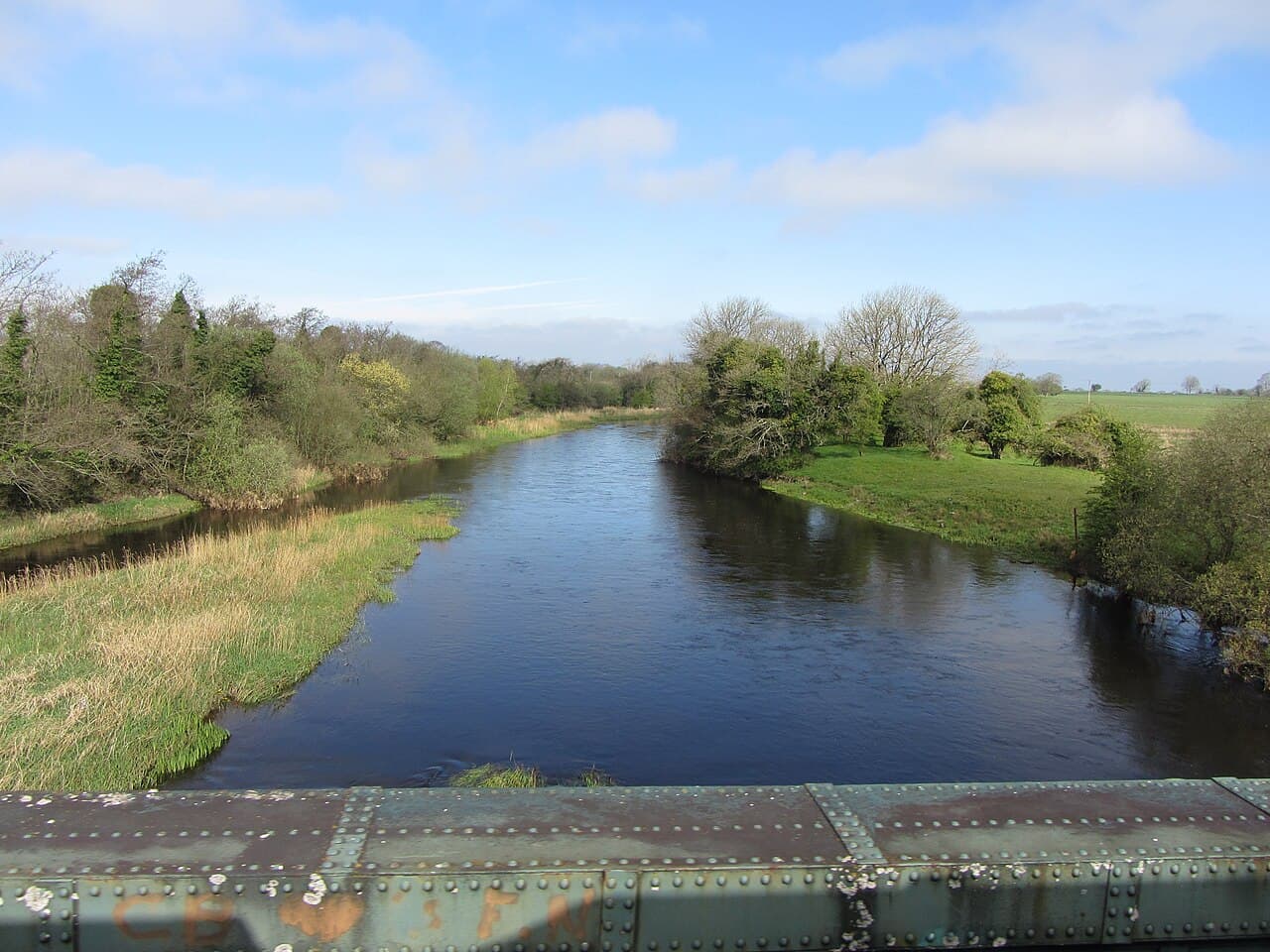
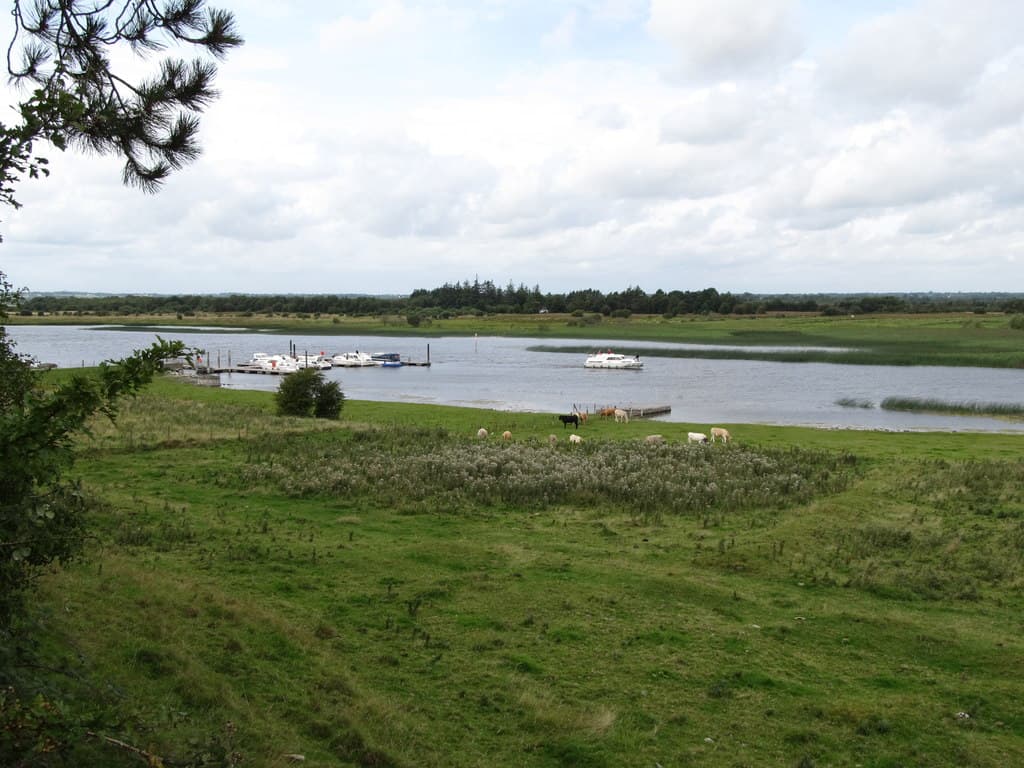
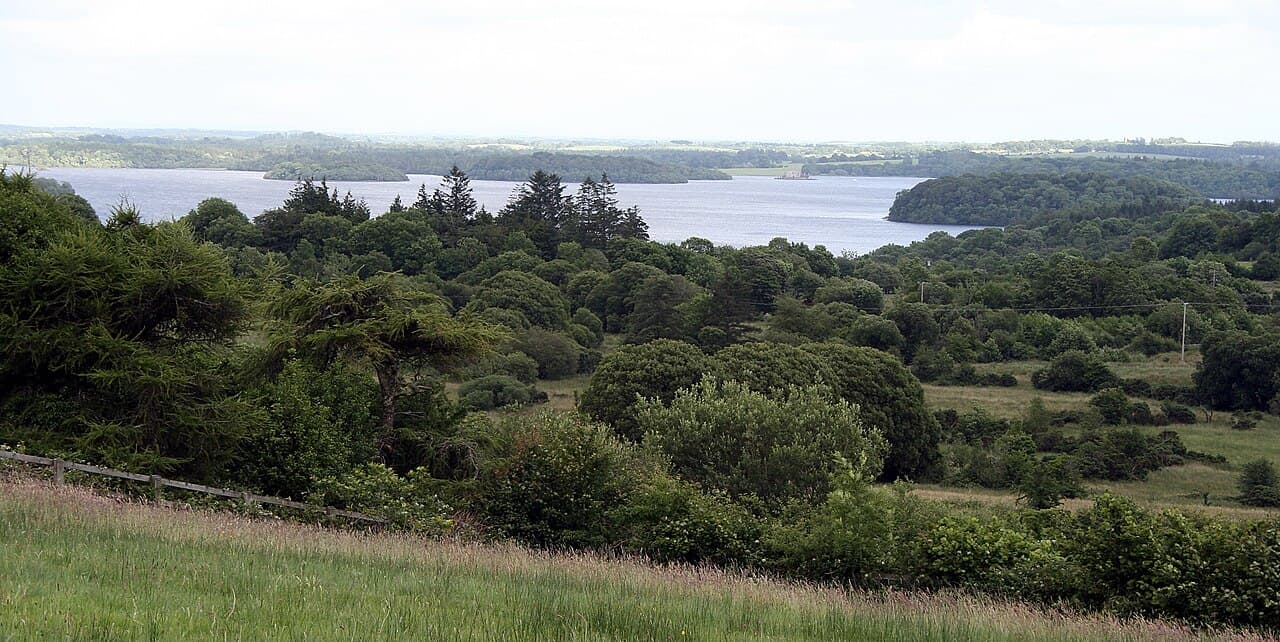
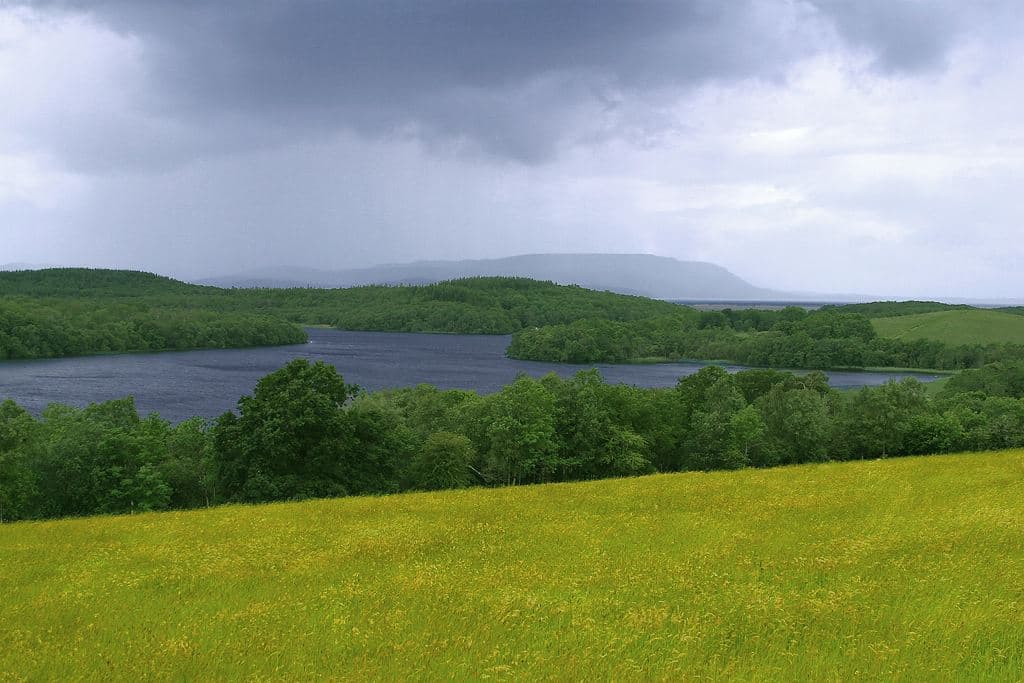
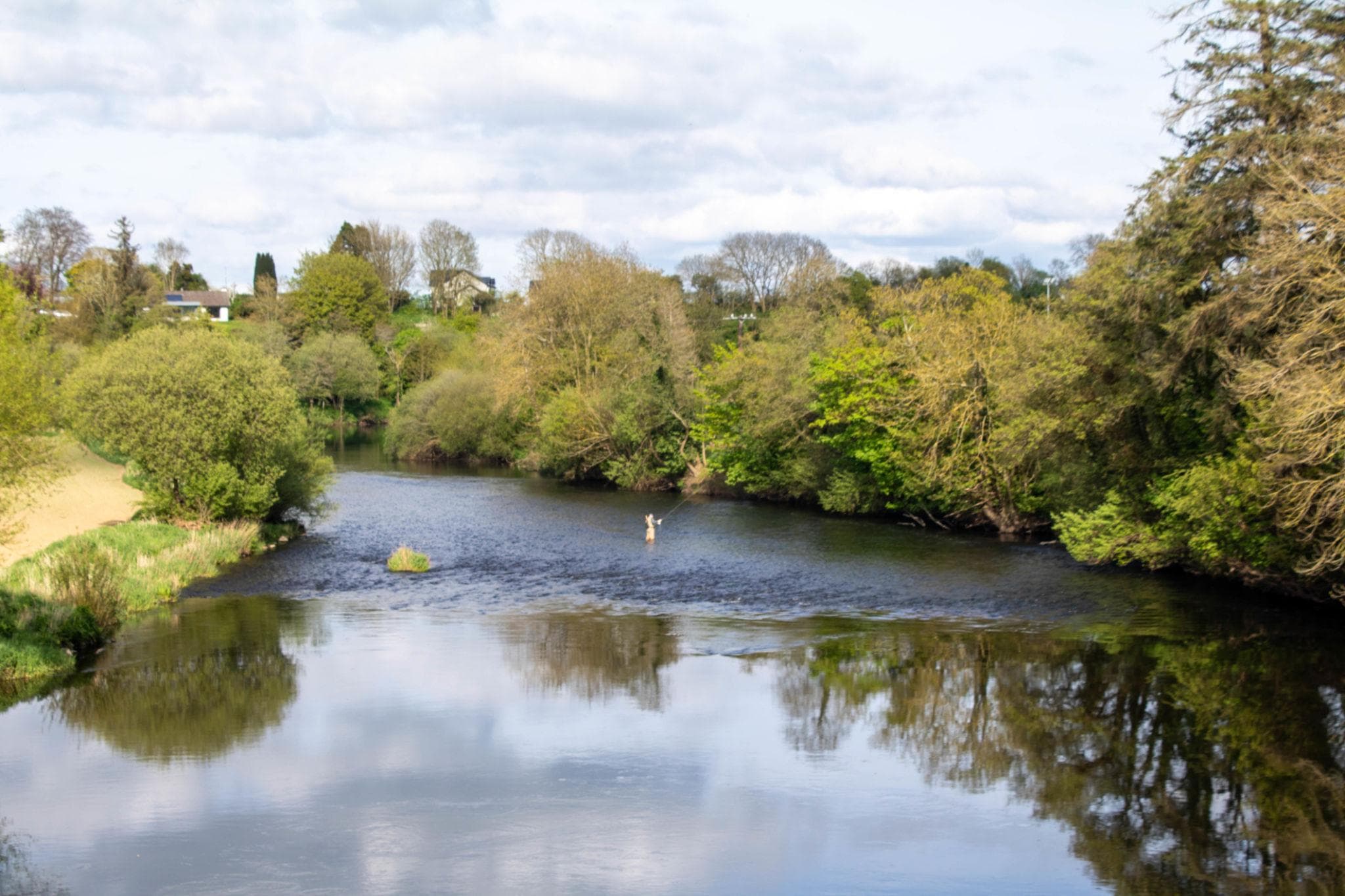
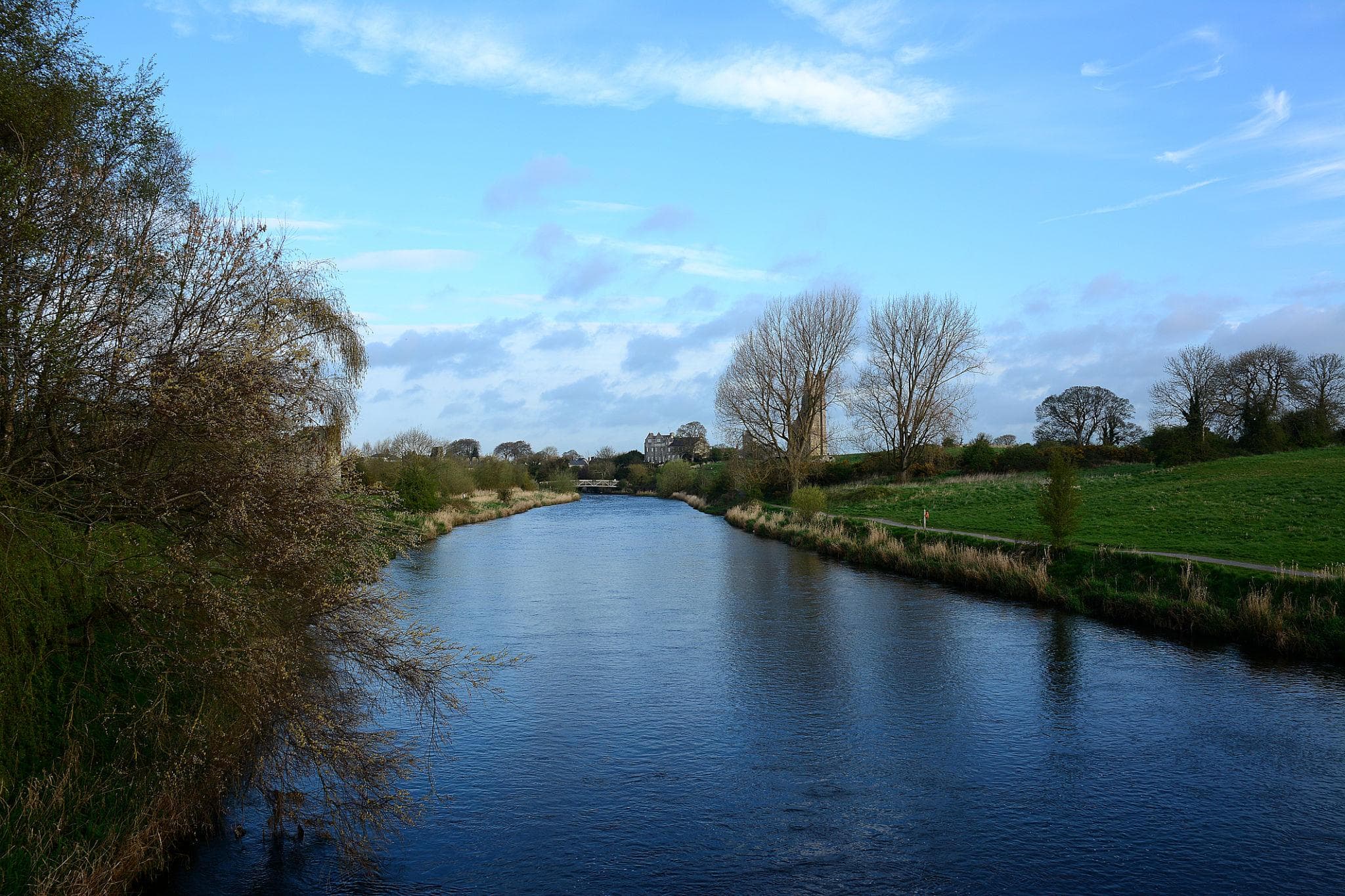
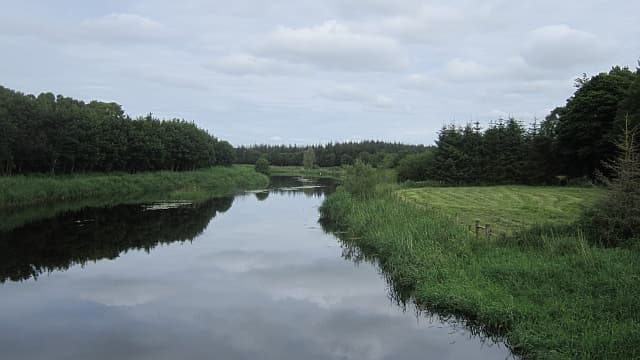
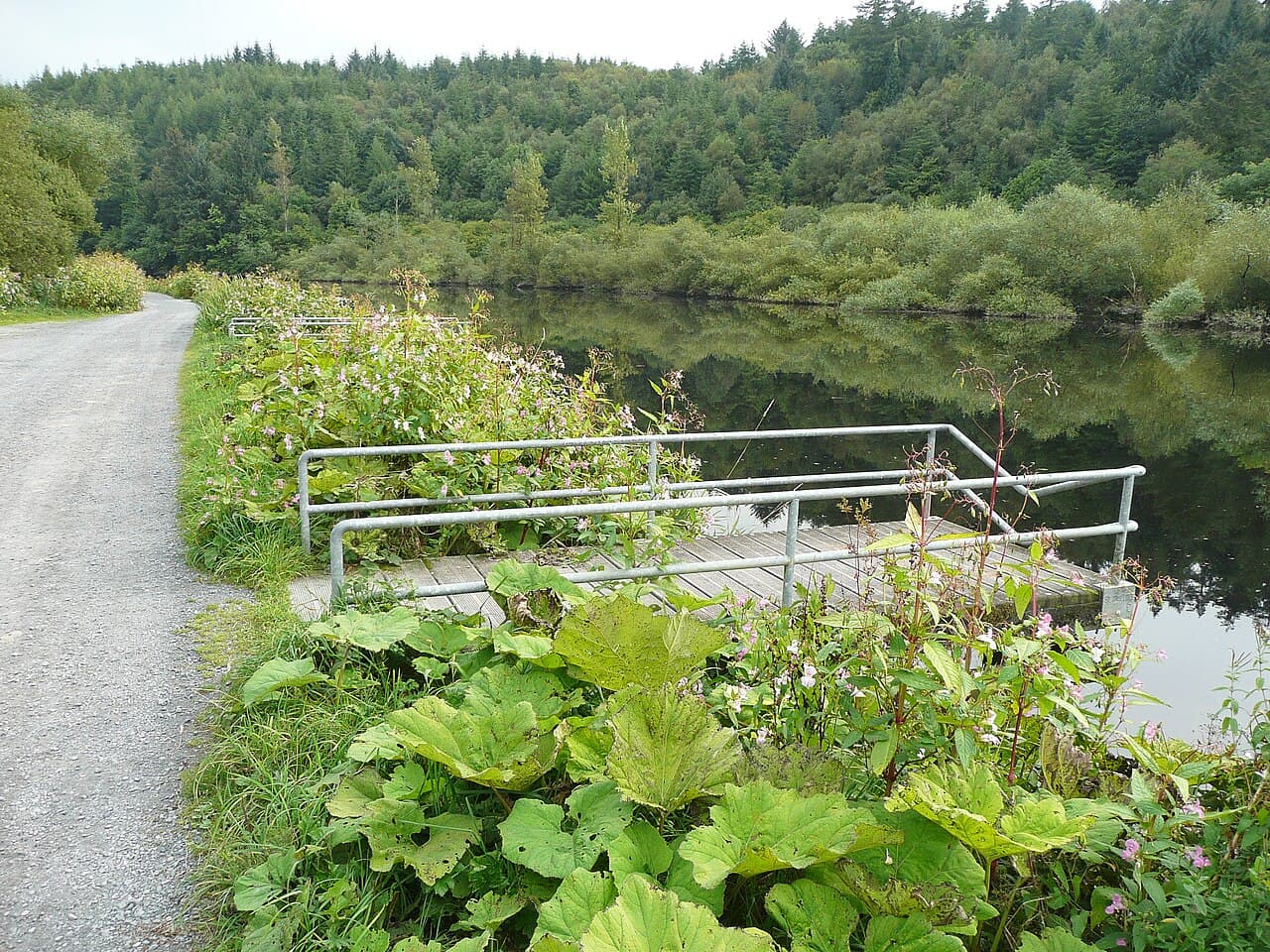
27 more waters with ISFC specimens (not yet on fishing.ie)
Frequently Asked Questions
What's a specimen bream in Ireland?
The current ISFC threshold is 3.402kg (7lb 8oz) — a genuinely large bream, reflecting serious specialist targeting.
Best time of year for bream?
Late spring into early summer — May in particular — based on the ISFC specimen record.
What's the difference between bream and Gilthead or Black Bream?
Gilthead Bream and Black Bream are unrelated marine species that happen to share the name — ISFC tracks them entirely separately from freshwater Bream.
Do I need a licence for bream fishing?
No state licence in the Republic; a DAERA coarse rod licence is required in Northern Ireland.