- Specimens recorded
- 758 (2000–2025)
- Years on record
- 1999–2025
- Top venue by specimens
- Rosscarbery
- Current specimen threshold
- 2.27kg (5lb 0oz)
- Irish record
- 2.38kg (5lb 4oz)
Thick Lipped Mullet in Ireland
Thick Lipped Mullet (Chelon labrosus) is the most commonly encountered of Ireland's three mullet species — a wary, hard-fighting fish found in harbours, estuaries, and sheltered bays around the coast, feeding on algae and detritus with a distinctive thick-lipped mouth built for grazing rather than striking prey.
Mullet are notoriously difficult to hook despite often being visible in numbers, since they feed cautiously and are easily spooked — a reputation that makes a good mullet one of the more technically satisfying catches in Irish sea angling.
By ISFC specimen count, Thick Lipped Mullet is one of Ireland's most-recorded species, reflecting both genuine abundance and a dedicated following among specialist mullet anglers.
When Thick Lipped Mullet Fish in Ireland
ISFC specimens peak in August, July, and September — the height of summer into early autumn, when mullet shoal in numbers in warm estuary and harbour water.
Based on ISFC specimen records — reflects where anglers fish and submit claims, not necessarily where the species is most abundant.
Where Thick Lipped Mullet Fish Best
Venue rankings below come from ratified specimen submissions, not scientific stock surveys — popular, well-fished venues will always show more specimens than remote or lightly-fished ones holding the same fish.
Rosscarbery in west Cork dominates the specimen record by a wide margin, with Cork Harbour, Strangford Lough, and Wicklow also contributing — sheltered estuarine and harbour marks are the consistent theme.
See every fishing.ie venue for thick lipped mullet — ISFC-ranked or not — in the full directory below.
Size and Specimens
A specimen thick lipped mullet is a genuine technical achievement given how difficult the species is to hook consistently, even where large numbers of fish are visible.
Based on ISFC specimen and threshold records — reflects where anglers fish and submit claims, not necessarily where the species is most abundant.
How to Catch Thick Lipped Mullet
Freelined or lightly weighted bread flake, often introduced via a loose groundbait "mash" to draw fish into a feeding rhythm, is the classic and still most effective mullet method.
Small hooks, fine line, and a long, natural presentation matter enormously — mullet are easily spooked by anything that doesn't behave like free food drifting naturally.
Fly fishing with small breadfly or crab patterns has a dedicated following among specialist mullet anglers, particularly in clear harbour water.
Polarised sunglasses to spot feeding fish, combined with real patience once a shoal is located, matter more for mullet than for almost any other Irish sea species.
Rules and Conservation
No state licence is required for sea angling from shore or boat in the Republic of Ireland.
No licence is required for sea angling in Northern Ireland — DAERA rod licences apply to freshwater and game/coarse fishing, not sea fishing.
Thick Lipped Mullet Venues in Ireland
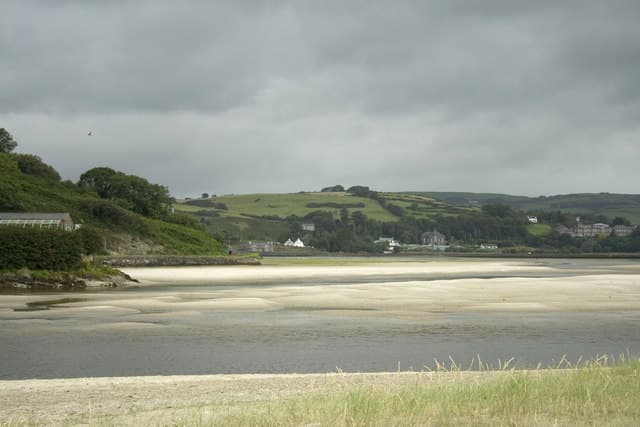
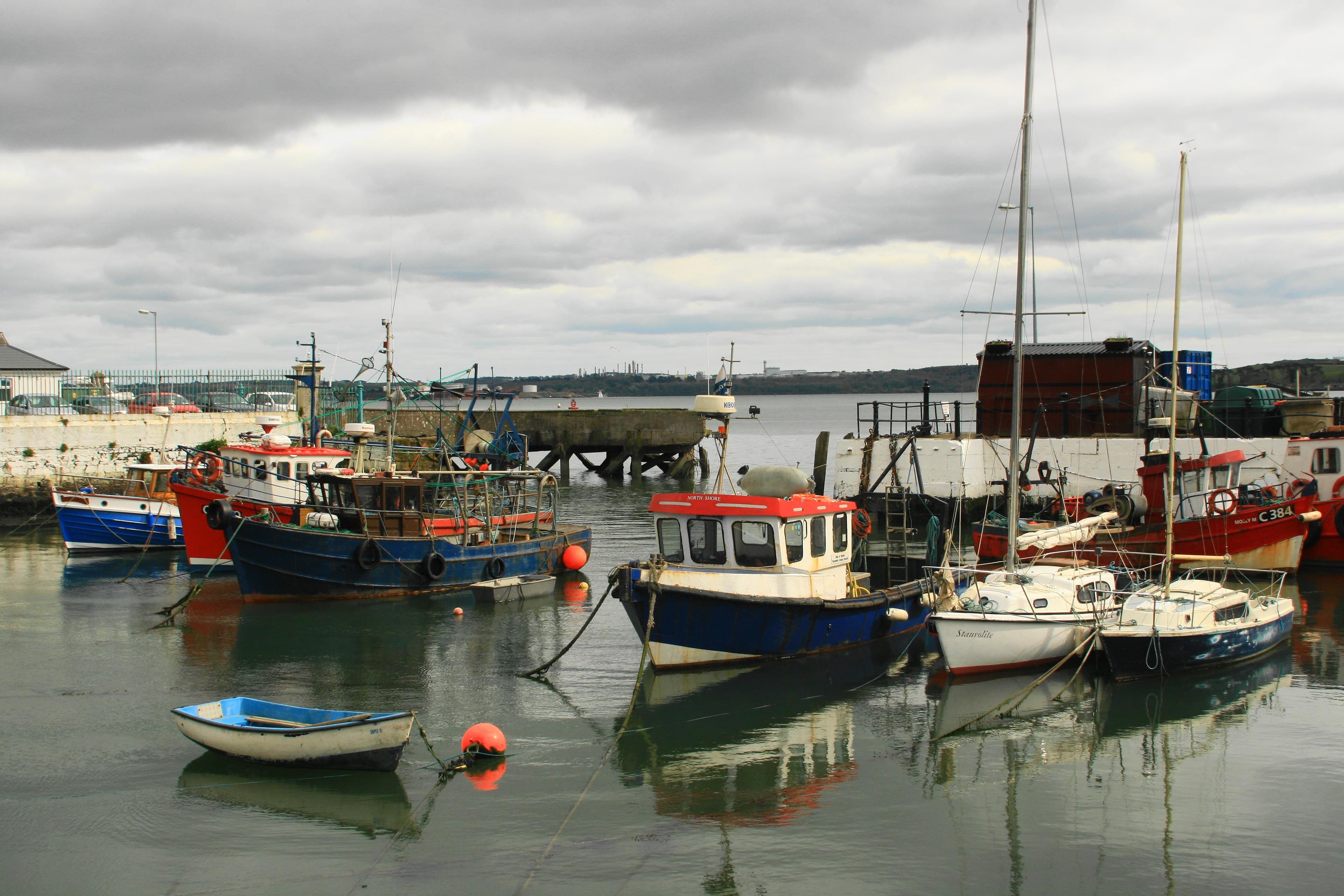
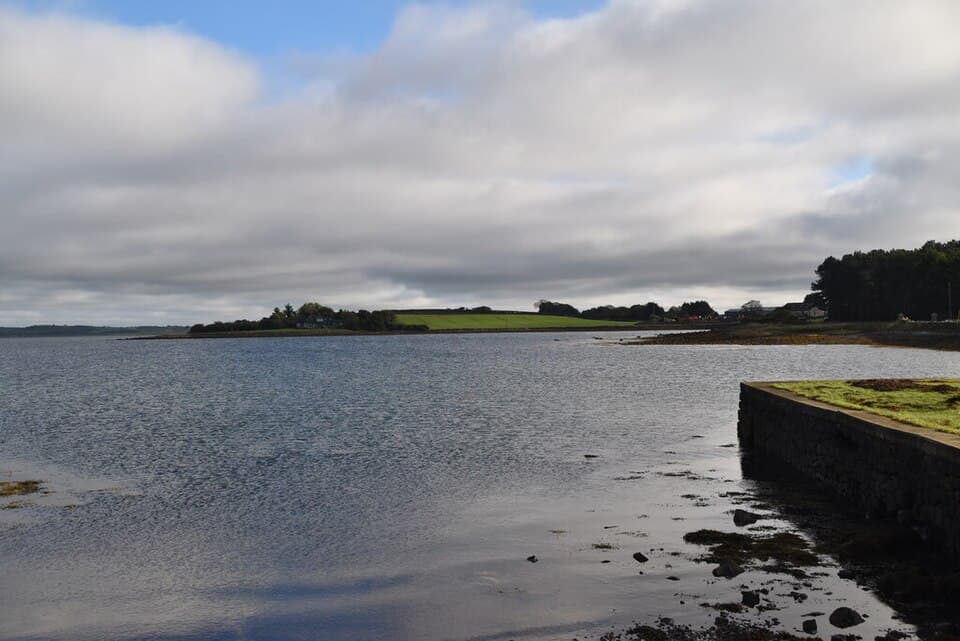
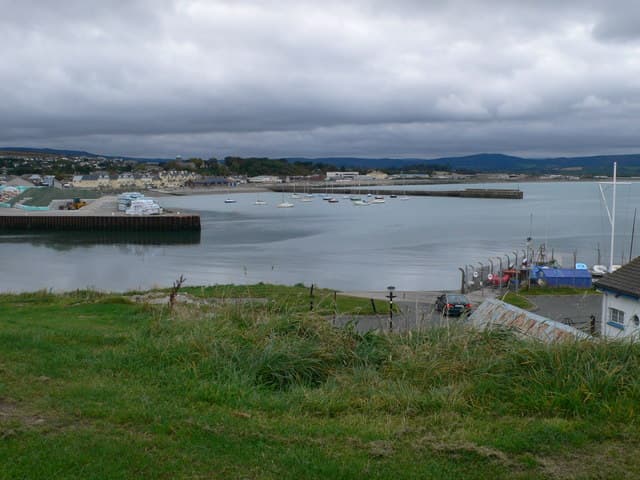
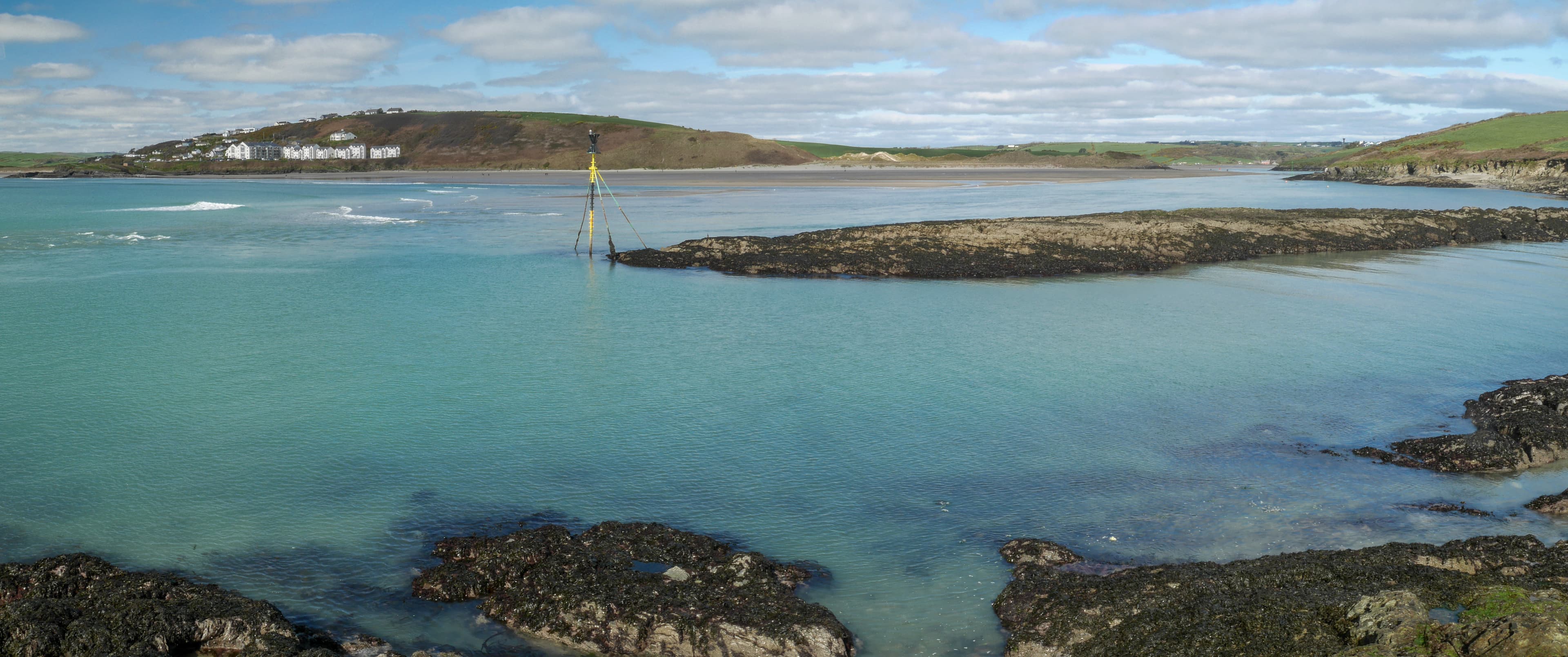
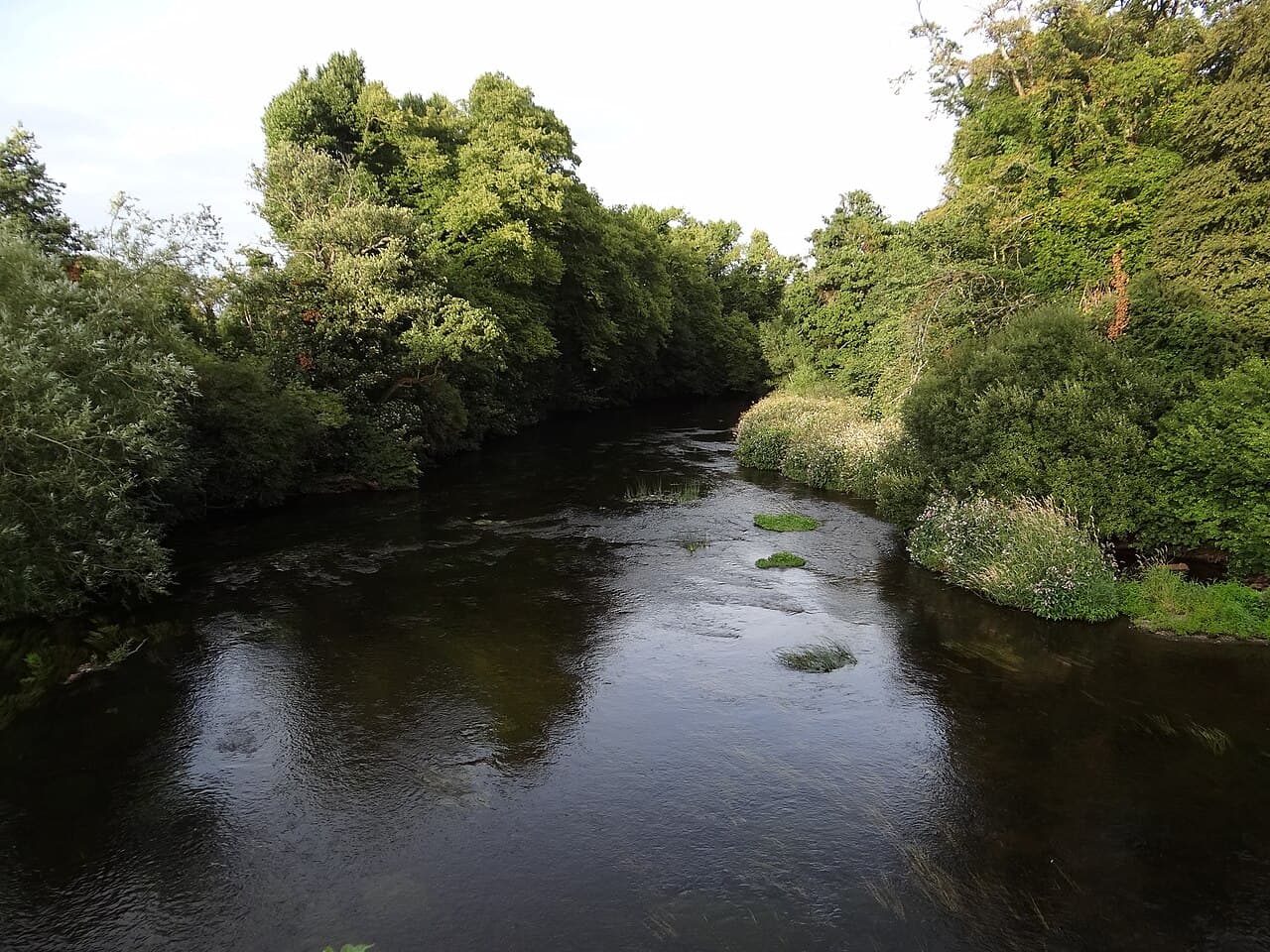
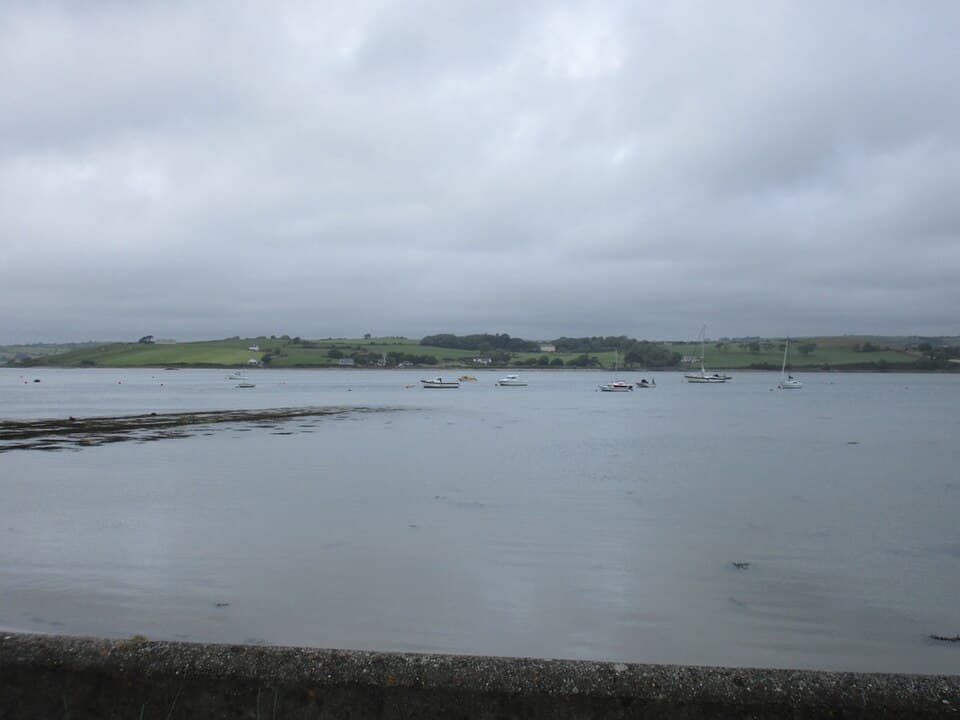

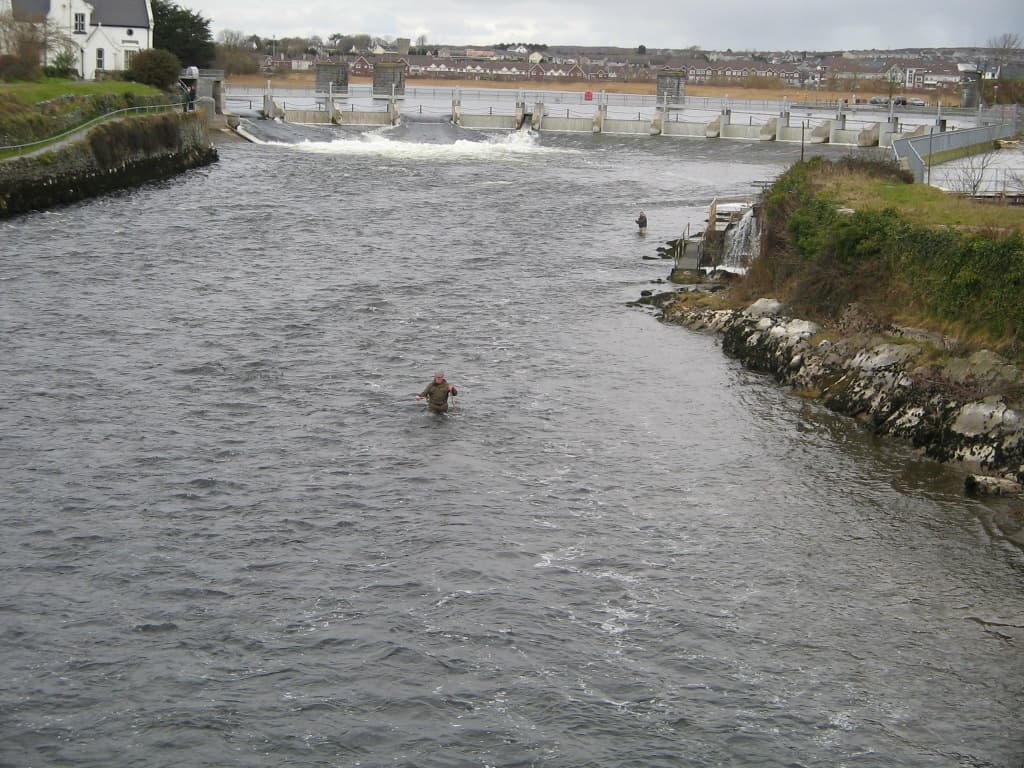
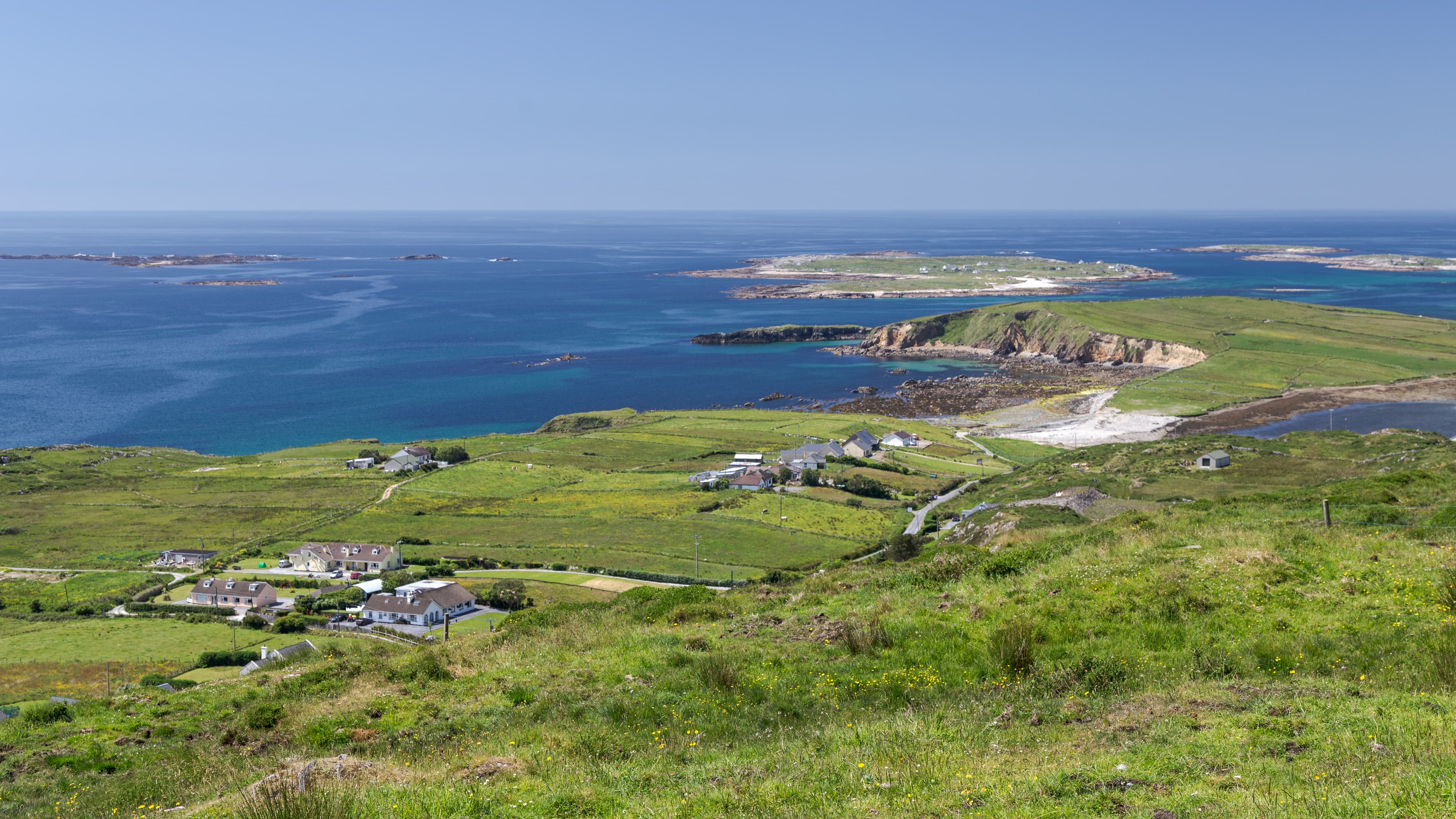
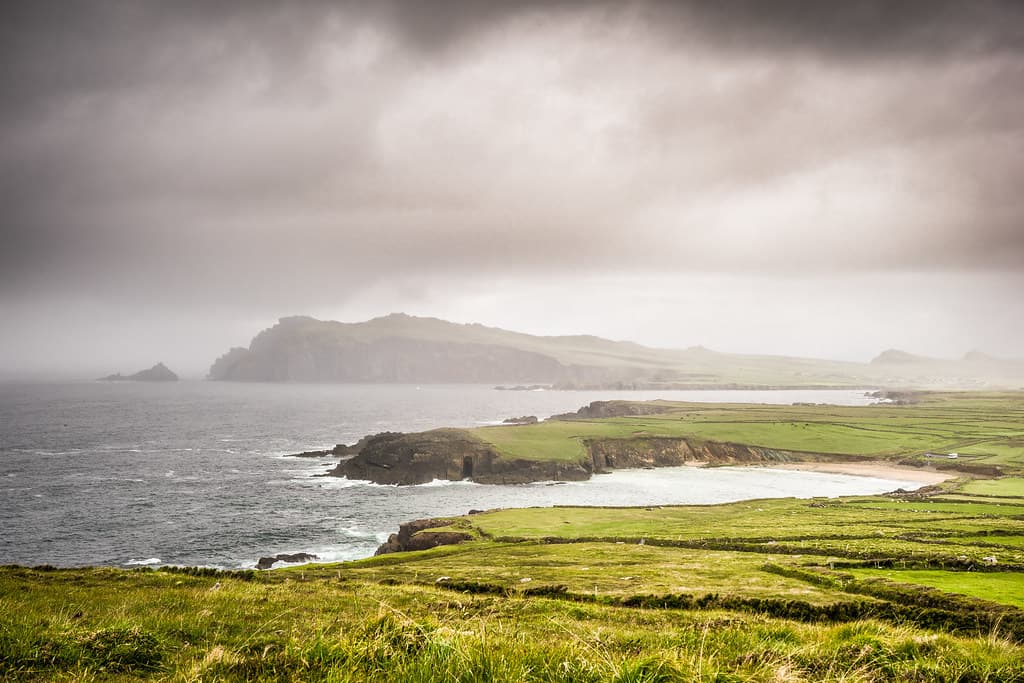
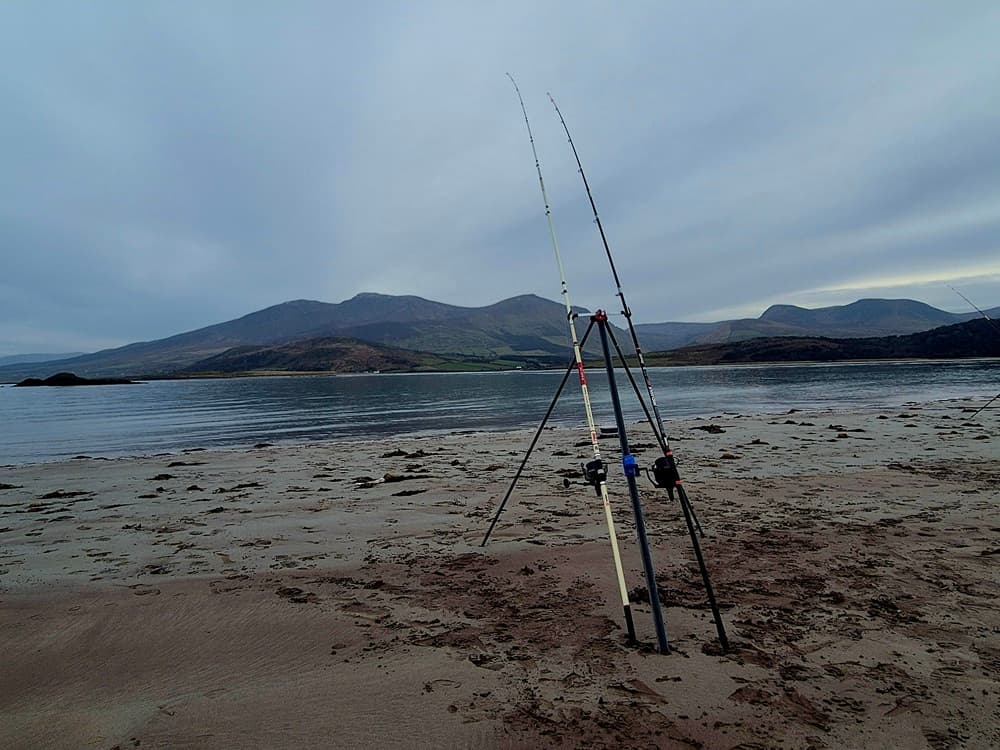
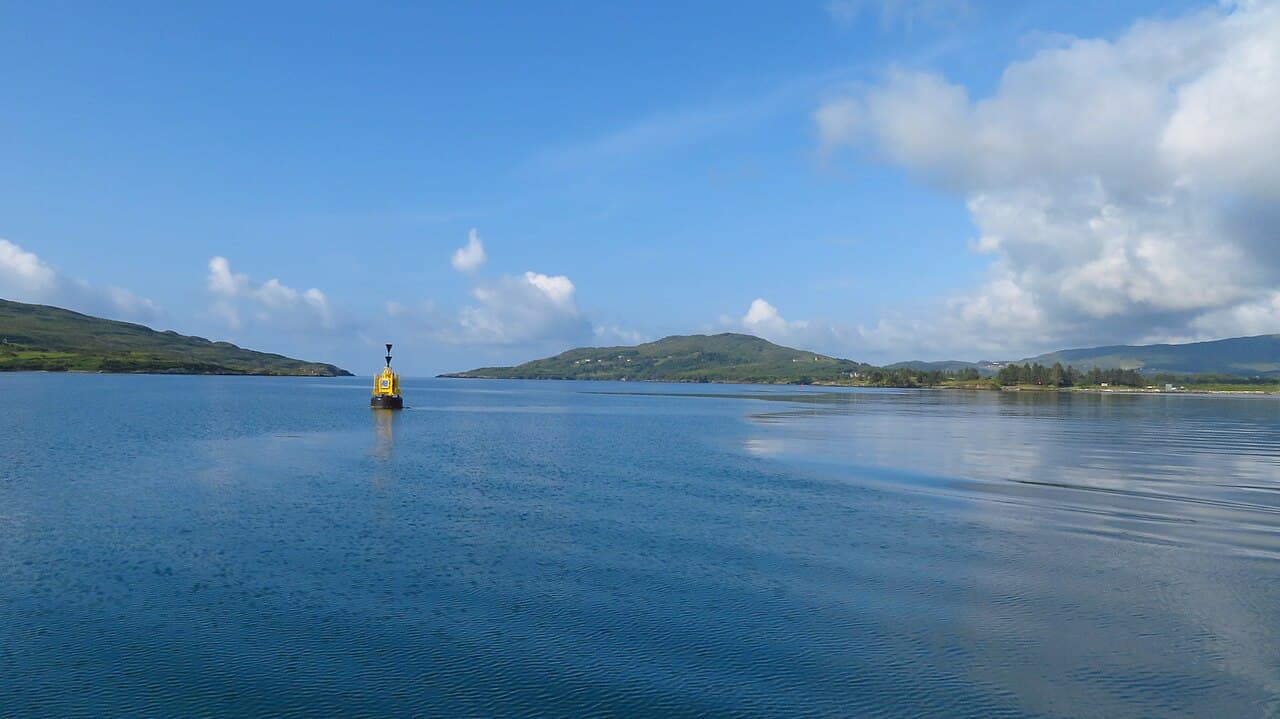
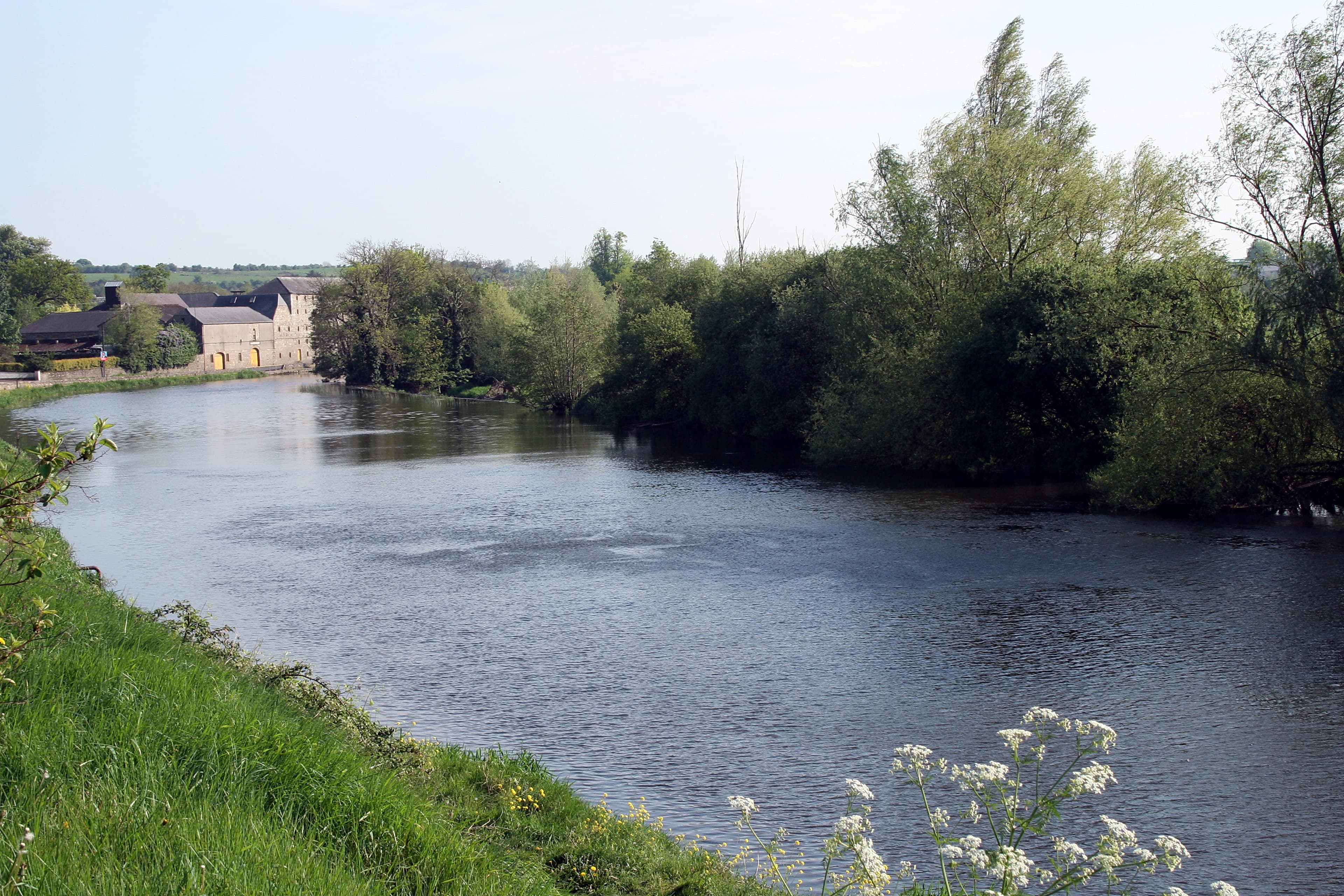
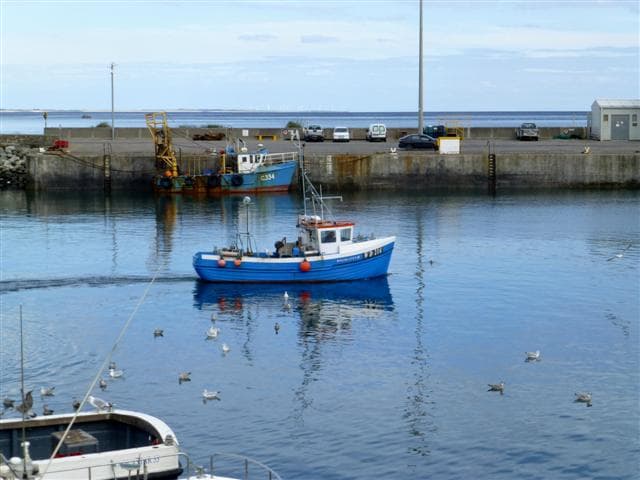
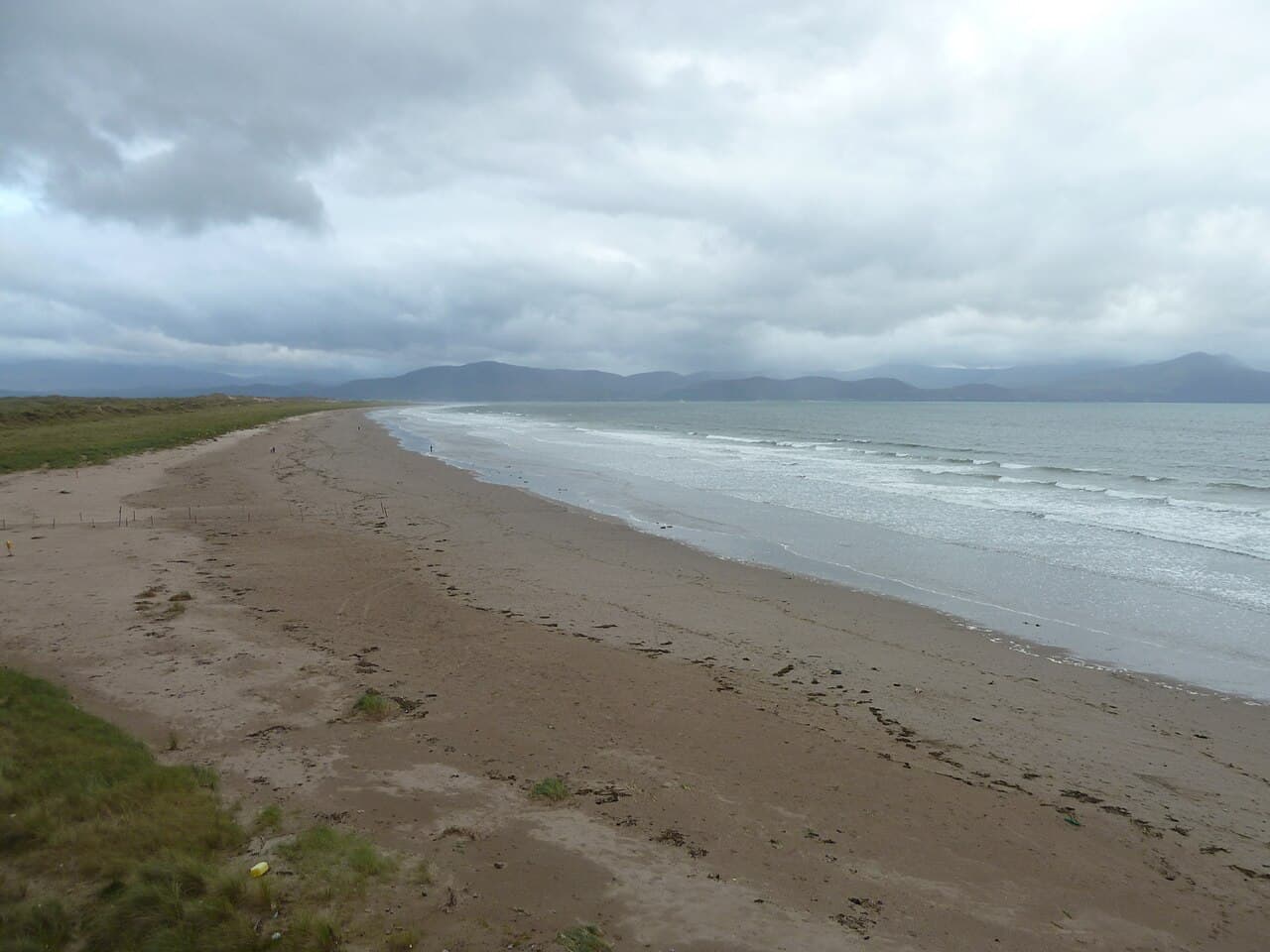
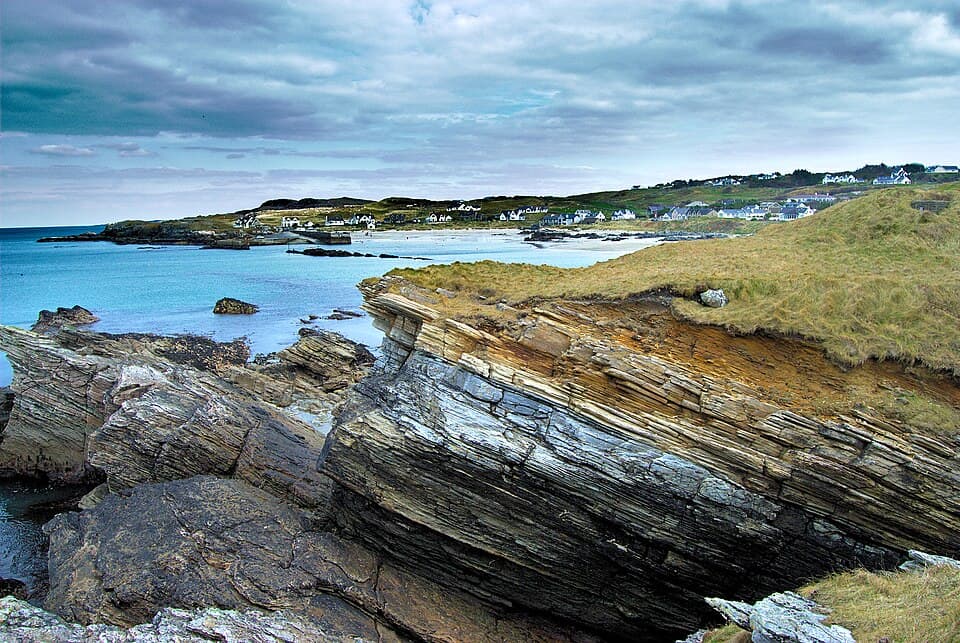
56 more waters with ISFC specimens (not yet on fishing.ie)
Frequently Asked Questions
What's a specimen thick lipped mullet in Ireland?
The current ISFC threshold is 2.268kg (5lb) — a genuinely difficult fish to land given how cautiously mullet feed.
Best time of year for mullet?
High summer into early autumn, particularly August, based on the ISFC specimen record.
Why are mullet considered hard to catch?
They feed very cautiously on algae and detritus and spook easily, so tackle and presentation have to be far more delicate than for most other sea species.
Do I need a licence for mullet fishing?
No — sea angling from shore or boat doesn't require a licence in Ireland.