- Specimens recorded
- 35 (2000–2025)
- Years on record
- 2001–2025
- Top venue by specimens
- Carrigaholt
- Current specimen threshold
- 1.36kg (3lb 0oz)
- Irish record
- 2.12kg (4lb 11oz)
Whiting in Ireland
Whiting (Merlangius merlangus) is a small, slender member of the cod family found in large shoals around the Irish coast, a reliable and accessible target for both shore and boat anglers, particularly in the colder months. Often dismissed as a beginner's fish given how readily it takes bait in numbers, a genuine specimen whiting is a much less common catch.
Whiting shoal densely and move inshore in autumn and winter, providing some of the most consistent sea angling action available around the Irish coast when many other species have moved to deeper water.
The species is closely related to, but distinct from, Blue Whiting, which ISFC tracks entirely separately.
When Whiting Fish in Ireland
ISFC specimens peak in June, July, and September — a somewhat broader spread than the classic "winter whiting" reputation might suggest, indicating specimen-sized fish turn up across a wider window than the bulk of everyday whiting fishing.
Based on ISFC specimen records — reflects where anglers fish and submit claims, not necessarily where the species is most abundant.
Where Whiting Fish Best
Venue rankings below come from ratified specimen submissions, not scientific stock surveys — popular, well-fished venues will always show more specimens than remote or lightly-fished ones holding the same fish.
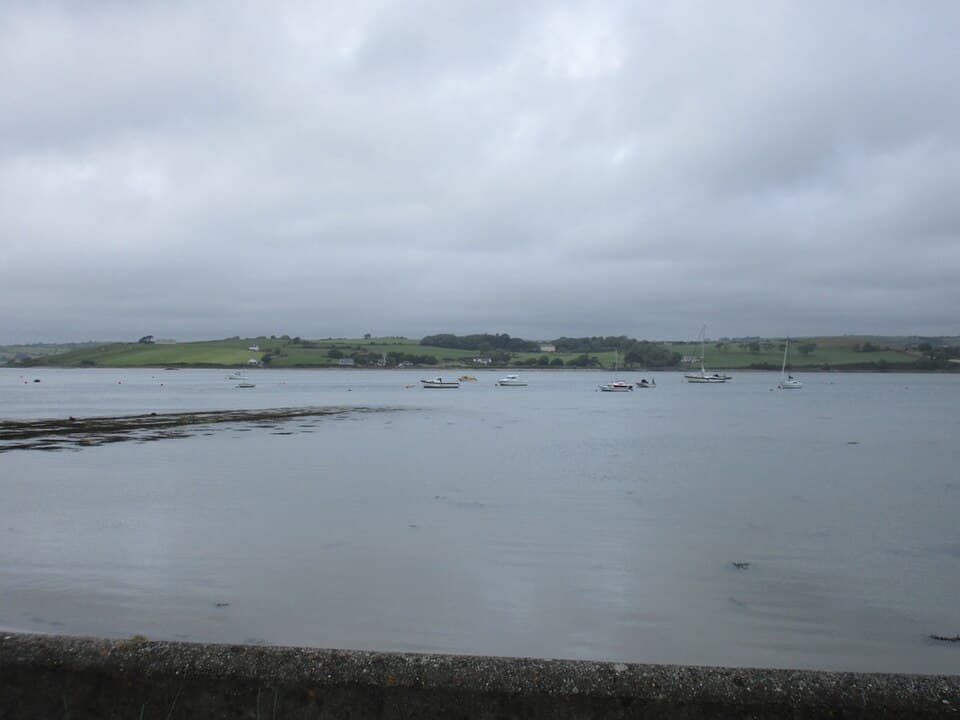
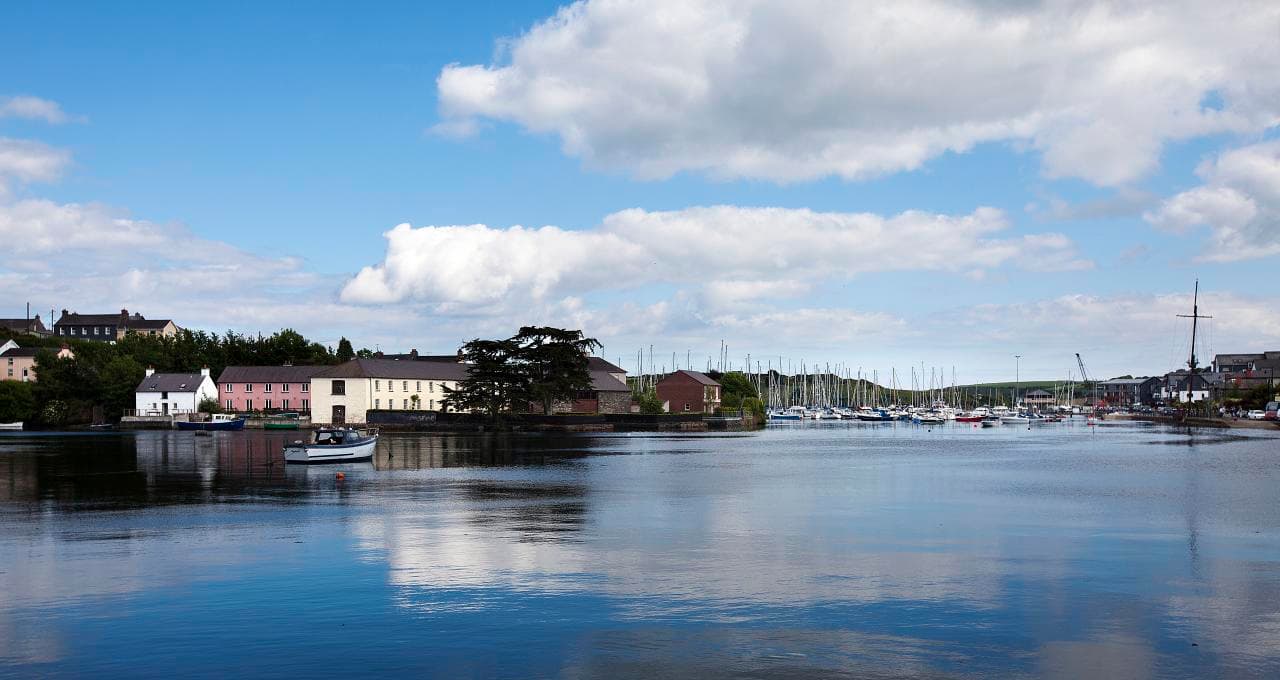
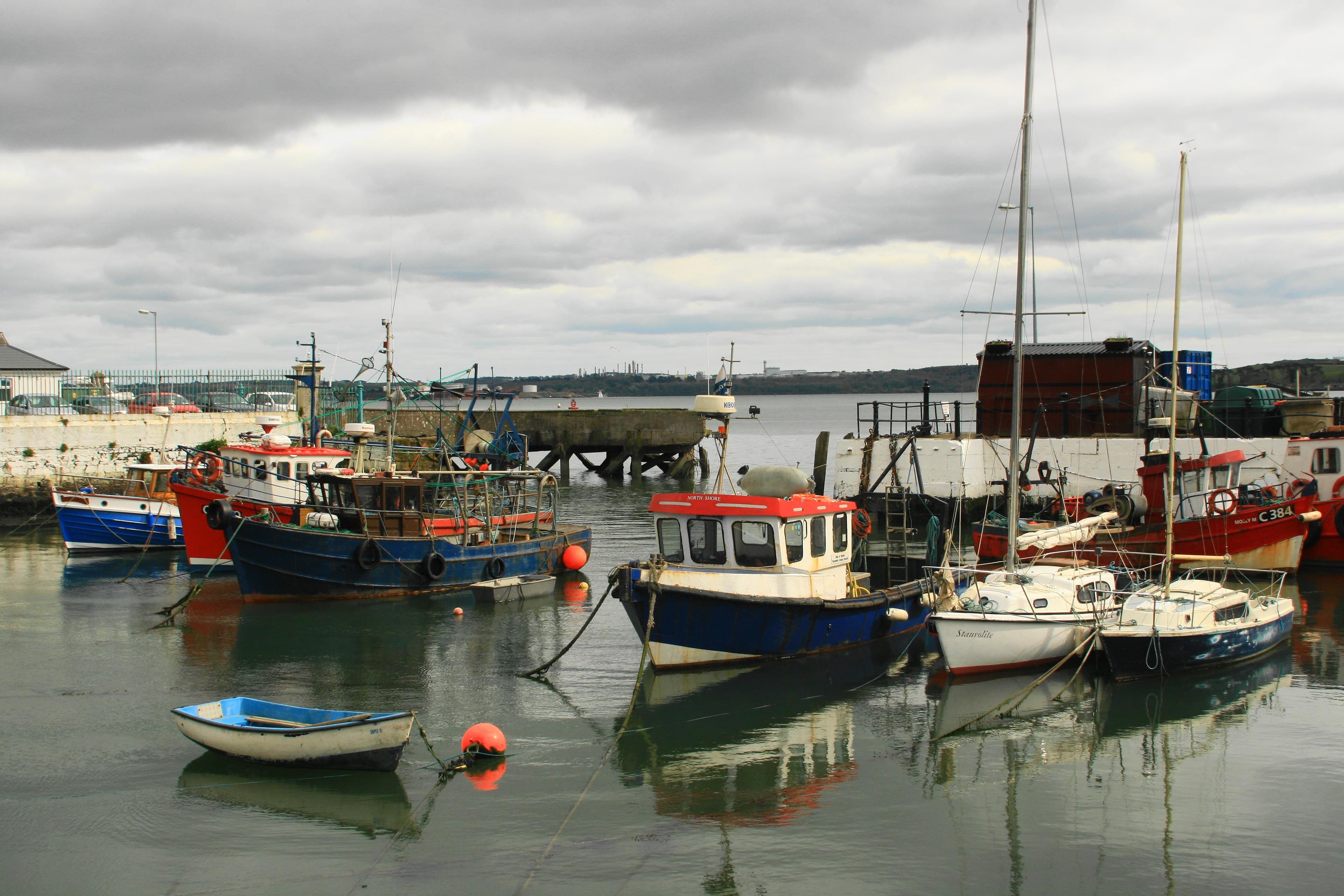
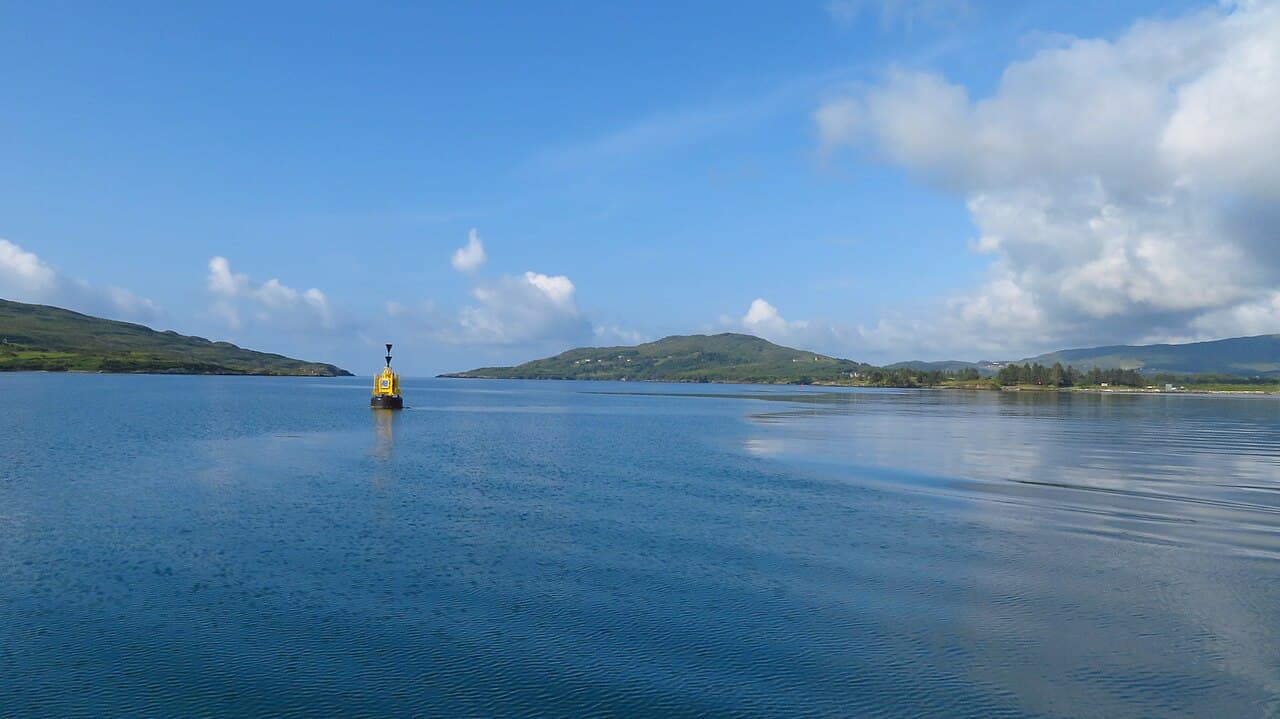
Carrigaholt, Union Hall, Courtmacsherry, Kinsale, and Guileen all contribute to a fairly spread-out specimen record — reflecting whiting's wide distribution around the Irish coast rather than concentration at one exceptional mark.
See every fishing.ie venue for whiting — ISFC-ranked or not — in the full directory below.
Size and Specimens
A specimen whiting is a genuinely uncommon catch — the vast majority of whiting caught around the Irish coast, even in good numbers, fall well short of the current threshold.
Based on ISFC specimen and threshold records — reflects where anglers fish and submit claims, not necessarily where the species is most abundant.
How to Catch Whiting
Simple bottom-fished bait rigs — lugworm, ragworm, or small strips of fish — fished over sand or mixed ground take most whiting, often in good numbers once a shoal is located.
Multi-hook rigs are commonly used to capitalise on whiting's shoaling behaviour and willingness to take bait readily.
Bigger, specimen-class whiting tend to be caught singly rather than as part of a fast-biting shoal, often on marks holding slightly larger, more solitary fish.
Autumn and winter, when whiting move inshore in numbers, remain the most reliable time for volume fishing even though the ISFC specimen record shows a broader seasonal spread.
Rules and Conservation
Whiting has an EU-wide Minimum Conservation Reference Size of 27cm — any fish under that length must be released, whether targeted deliberately or taken as bycatch.
No state licence is required for sea angling from shore or boat in the Republic of Ireland.
No licence is required for sea angling in Northern Ireland — DAERA rod licences apply to freshwater and game/coarse fishing, not sea fishing.
Whiting Venues in Ireland
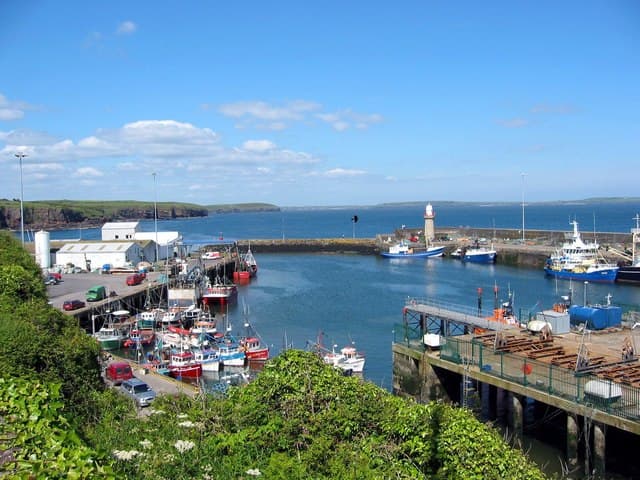
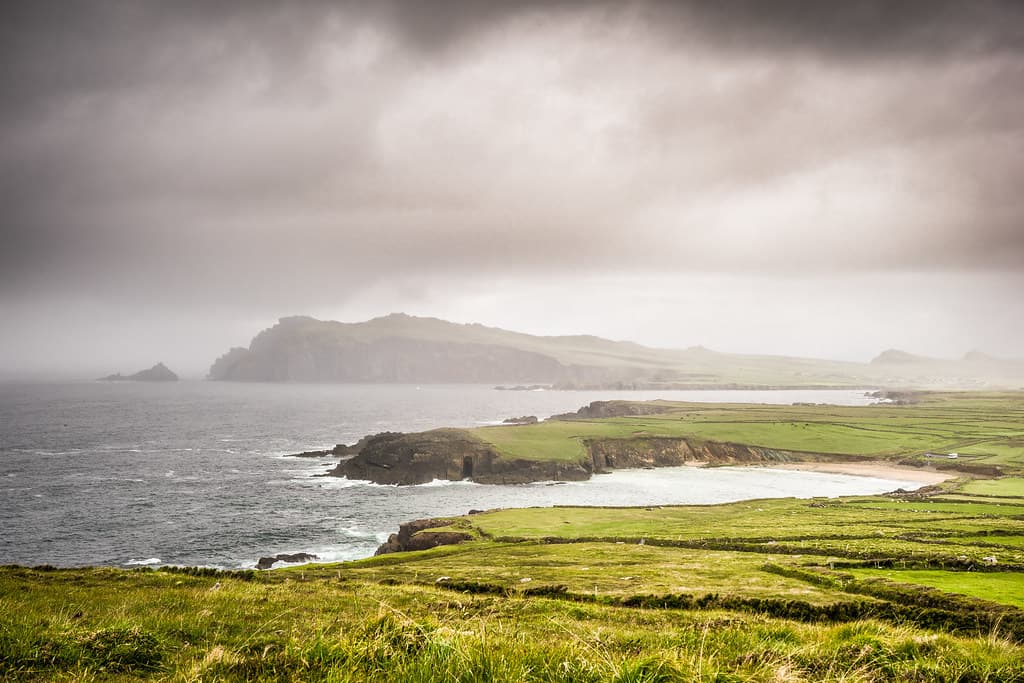
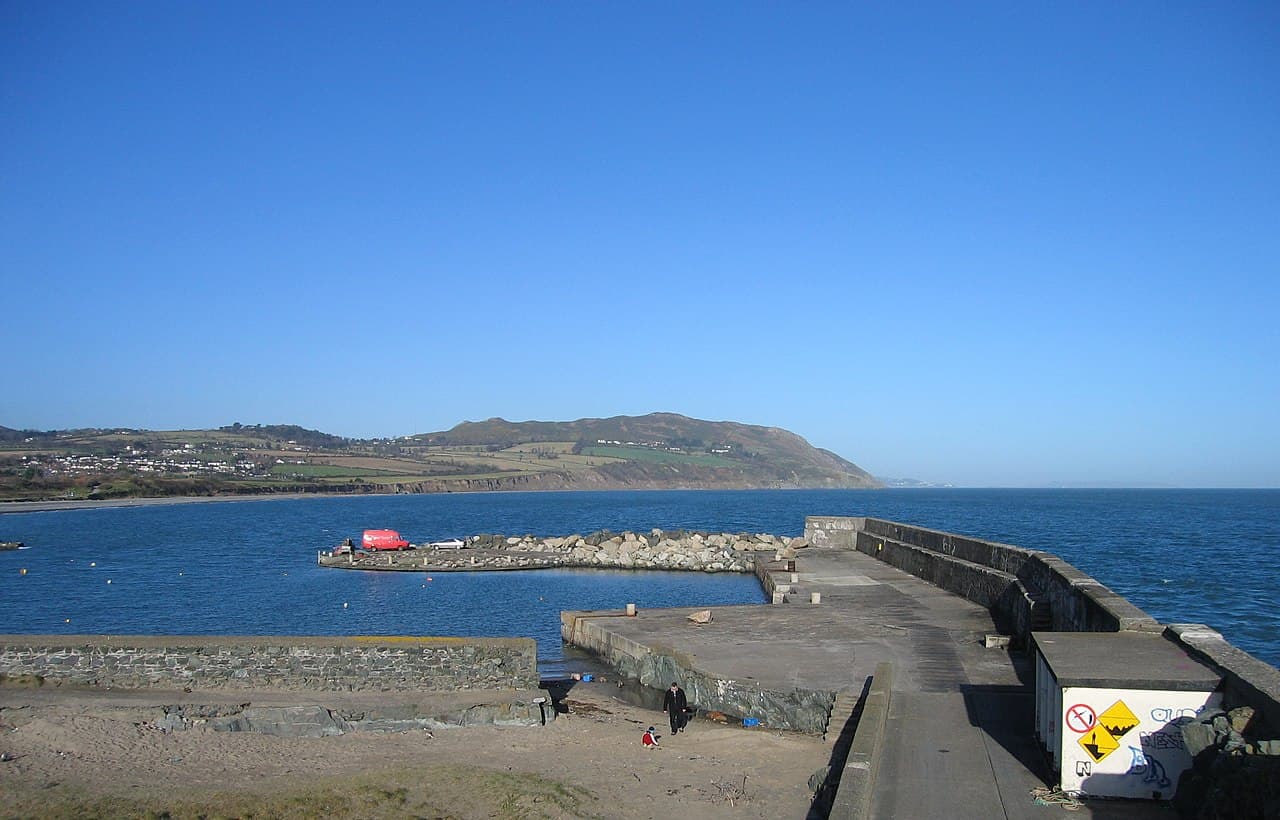
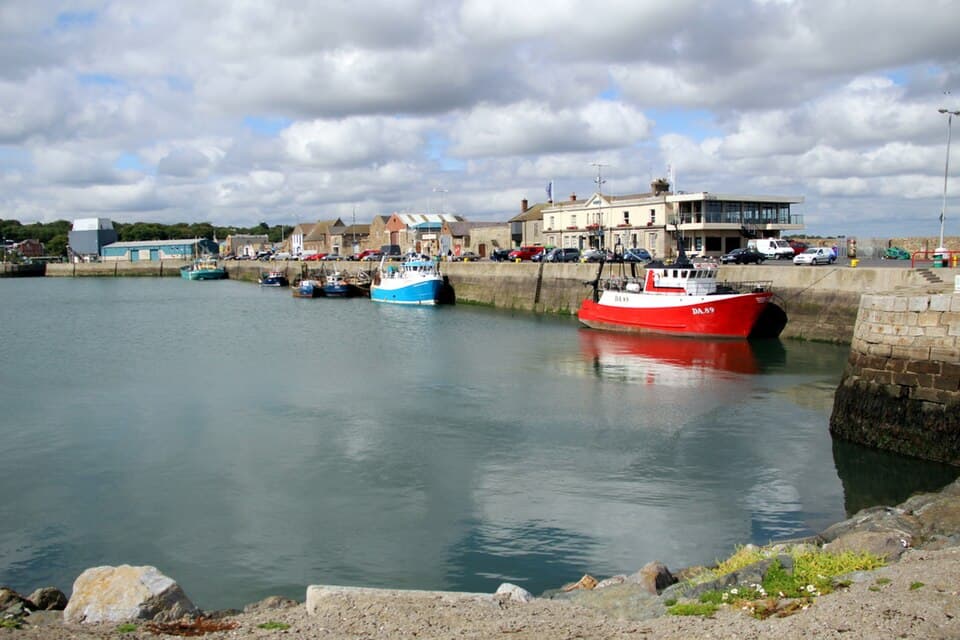
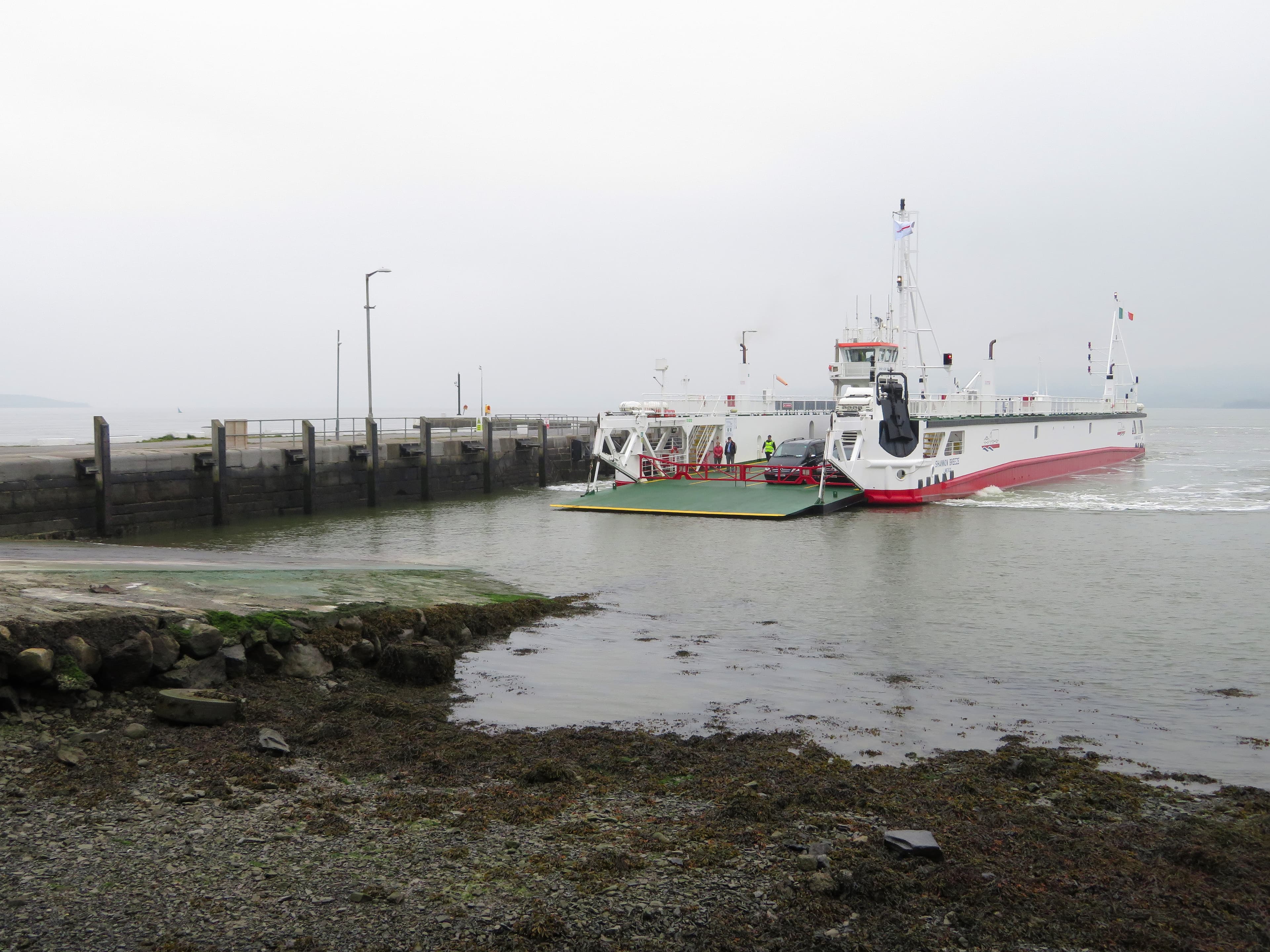
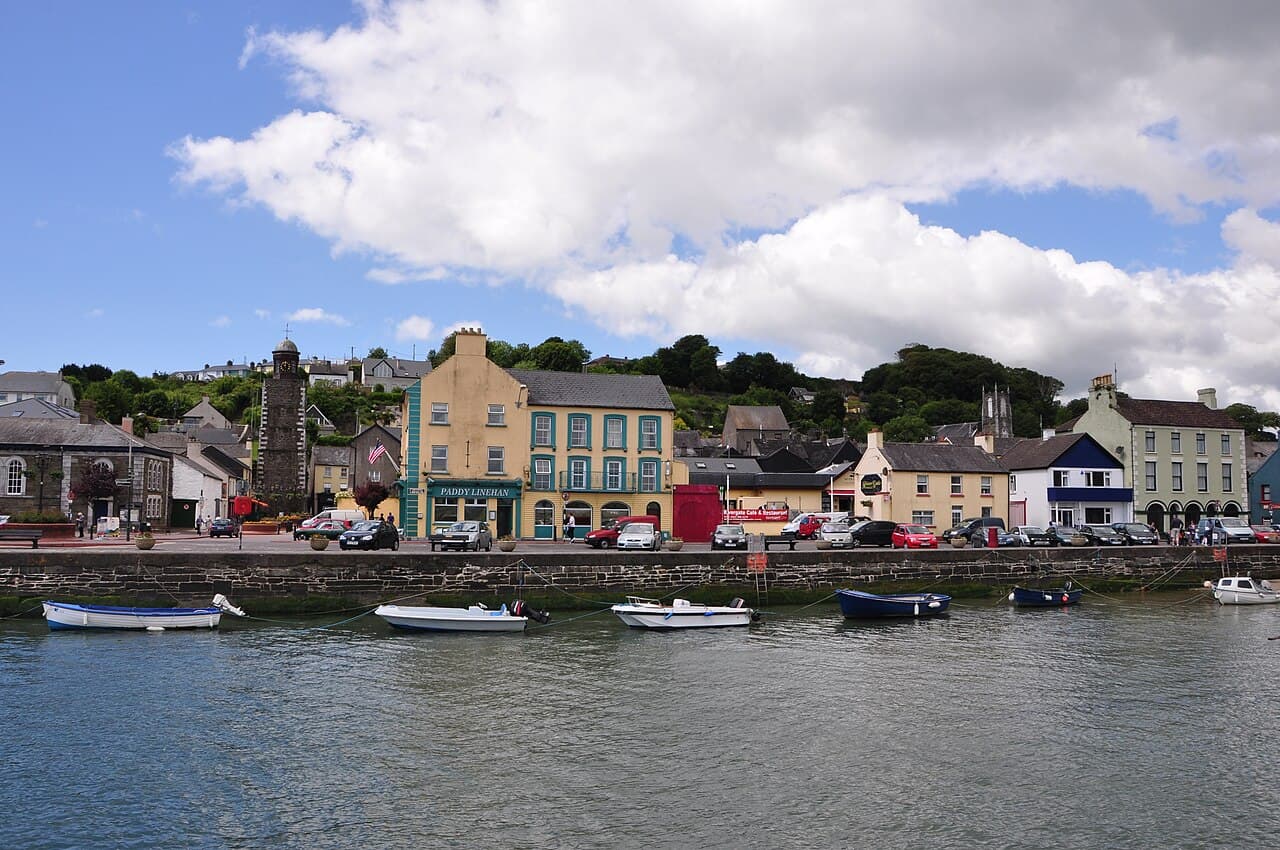
5 more waters with ISFC specimens (not yet on fishing.ie)
Frequently Asked Questions
What's a specimen whiting in Ireland?
The current ISFC threshold is 1.361kg (3lb) — a genuinely uncommon size given most whiting caught are considerably smaller.
Best time of year for whiting?
ISFC specimens have actually been recorded across most of the year, peaking in June, July, and September — a broader spread than the classic "winter whiting" reputation suggests, though everyday whiting fishing is still most productive in autumn and winter when shoals move inshore.
What's the difference between whiting and blue whiting?
They're related but distinct species — ISFC tracks Blue Whiting entirely separately from Whiting.
Do I need a licence for whiting fishing?
No — sea angling from shore or boat doesn't require a licence in Ireland.