- Specimens recorded
- 45 (2000–2025)
- Years on record
- 2000–2020
- Top venue by specimens
- Cobh & Cork Harbour
- Current specimen threshold
- 0.60kg (1lb 5oz)
- Irish record
- 1.13kg (2lb 8oz)
Dab in Ireland
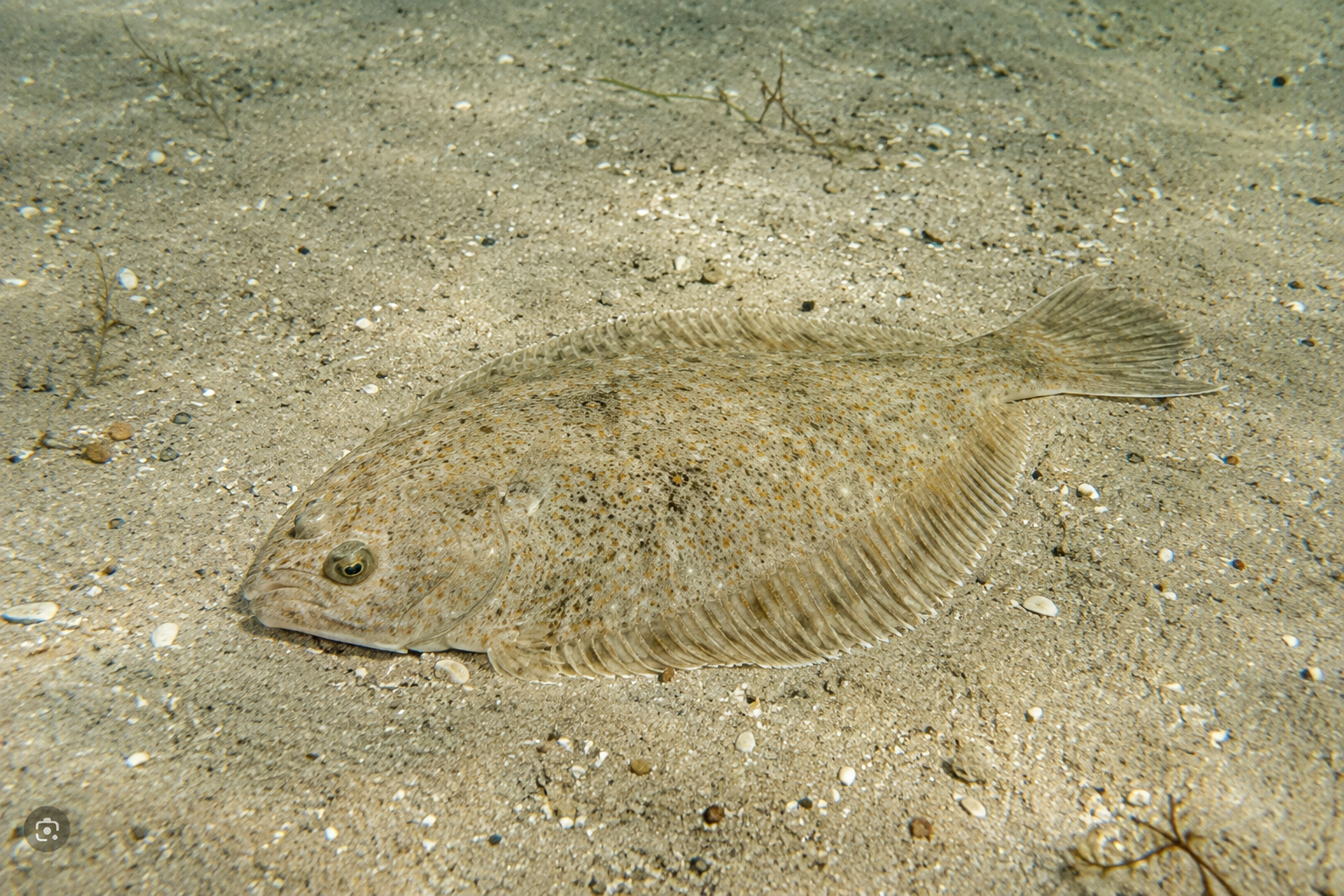
Dab (Limanda limanda) is a small, common flatfish found on sandy seabeds around the Irish coast, popular as an accessible shore and boat target and well regarded on the table. Distinguished from other Irish flatfish by a curved lateral line and rough-textured scales, dab are typically caught incidentally alongside flounder and plaice on sandy ground.
While rarely a specifically targeted specimen species compared to bass or cod, dab has a dedicated ISFC record reflecting steady, if modest, angling interest across the country.
The species favours clean sand rather than the muddier, more brackish ground preferred by flounder, and is generally found in slightly deeper water.
When Dab Fish in Ireland
ISFC specimens show a clear autumn peak in October, with July and August also contributing — a pattern suggesting dab fishing picks up as the main summer species quieten and anglers turn attention to bottom-fished sand marks.
Based on ISFC specimen records — reflects where anglers fish and submit claims, not necessarily where the species is most abundant.
Where Dab Fish Best
Venue rankings below come from ratified specimen submissions, not scientific stock surveys — popular, well-fished venues will always show more specimens than remote or lightly-fished ones holding the same fish.
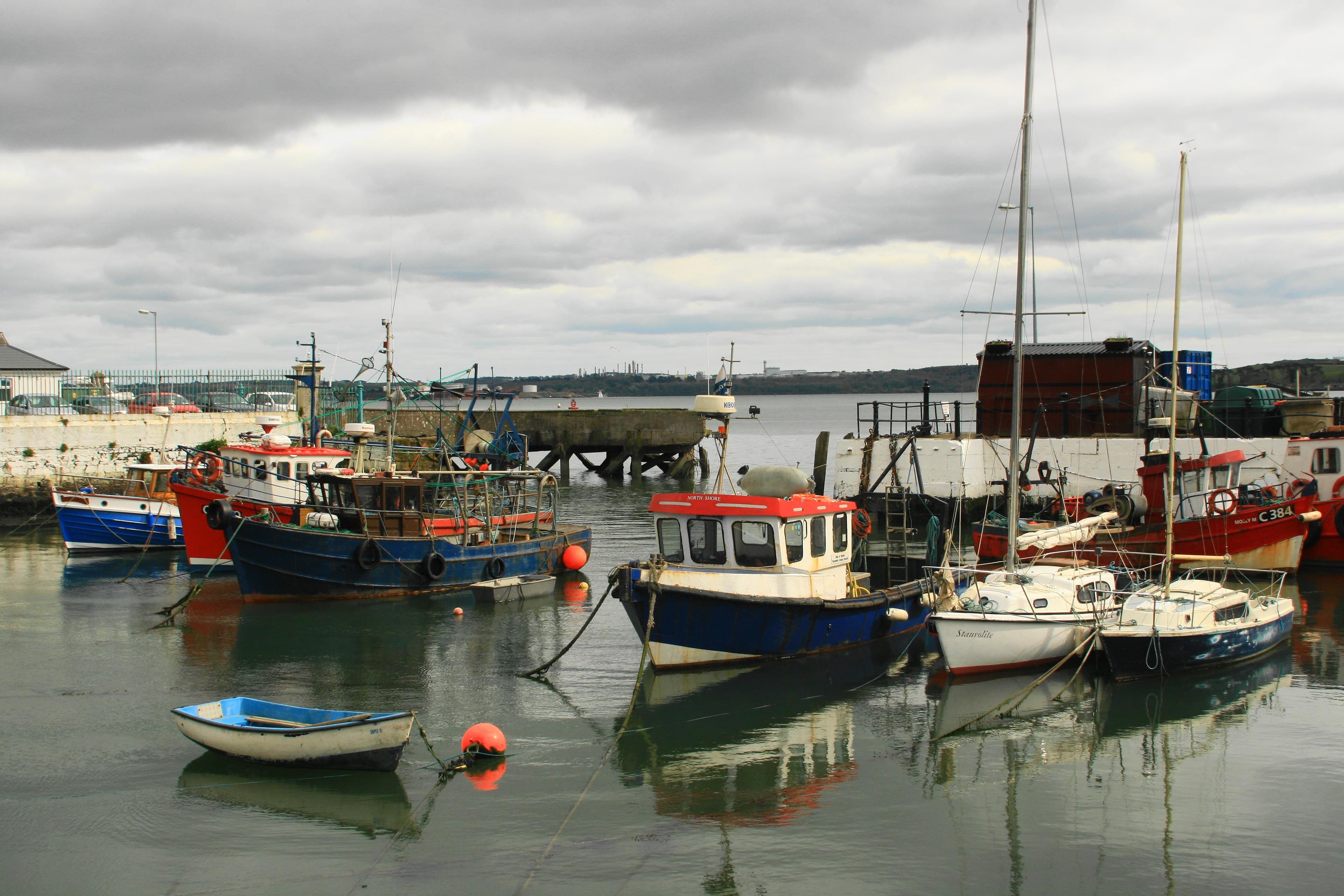
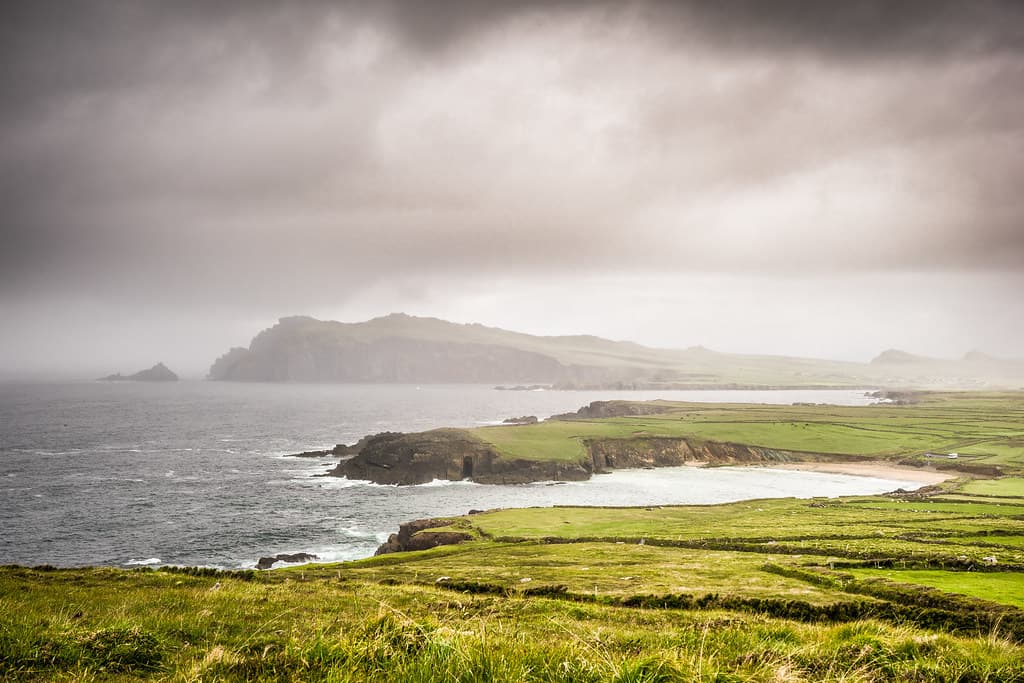
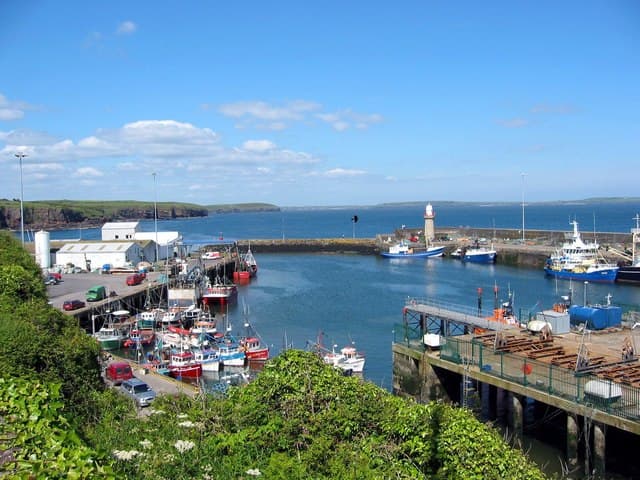
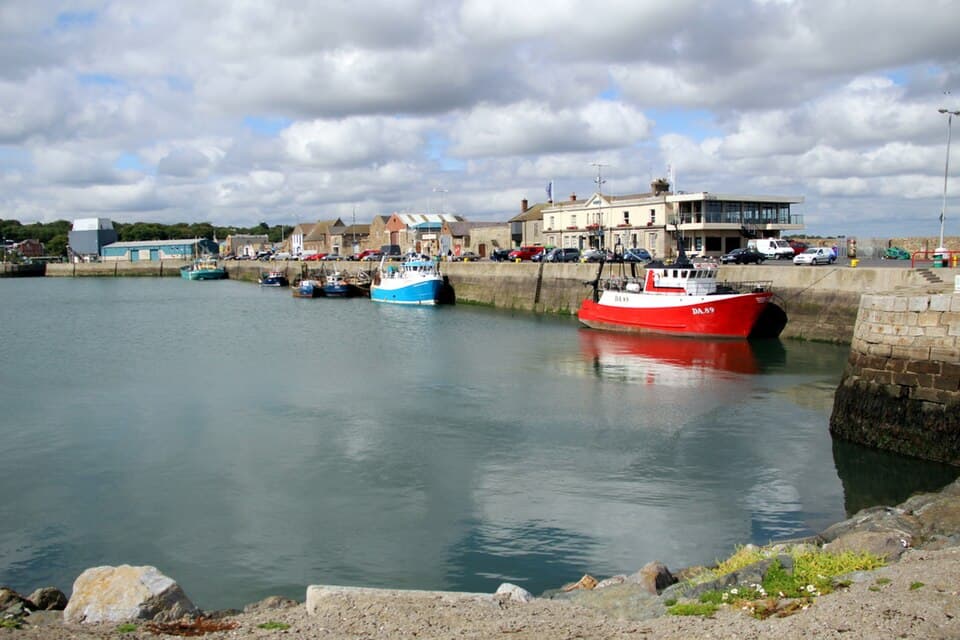
Cobh & Cork Harbour leads a fairly spread-out specimen record, with Dingle, Beara Peninsula, Courtmacsherry, and Clifden all contributing modestly — clean sand marks around the south and west coast.
See every fishing.ie venue for dab — ISFC-ranked or not — in the full directory below.
Size and Specimens
A specimen dab is a notable fish for a species that runs small on average — most dab caught in Ireland are well under the qualifying weight.
Based on ISFC specimen and threshold records — reflects where anglers fish and submit claims, not necessarily where the species is most abundant.
How to Catch Dab
Small hooks baited with lugworm or ragworm, fished on a simple bottom rig over clean sand, take most dab — a smaller, more subtle presentation than typically used for other flatfish outperforms a big bait.
Dab are usually caught incidentally while fishing for flounder or plaice on similar sandy ground, rather than through species-specific tactics.
A gentle, twitched retrieve of a light bottom rig can help locate feeding dab across an area of open sand more efficiently than a static wait.
Dab are excellent table fish, and many anglers target them specifically for eating rather than for specimen status.
Rules and Conservation
No state licence is required for sea angling from shore or boat in the Republic of Ireland.
No licence is required for sea angling in Northern Ireland — DAERA rod licences apply to freshwater and game/coarse fishing, not sea fishing.
Dab Venues in Ireland
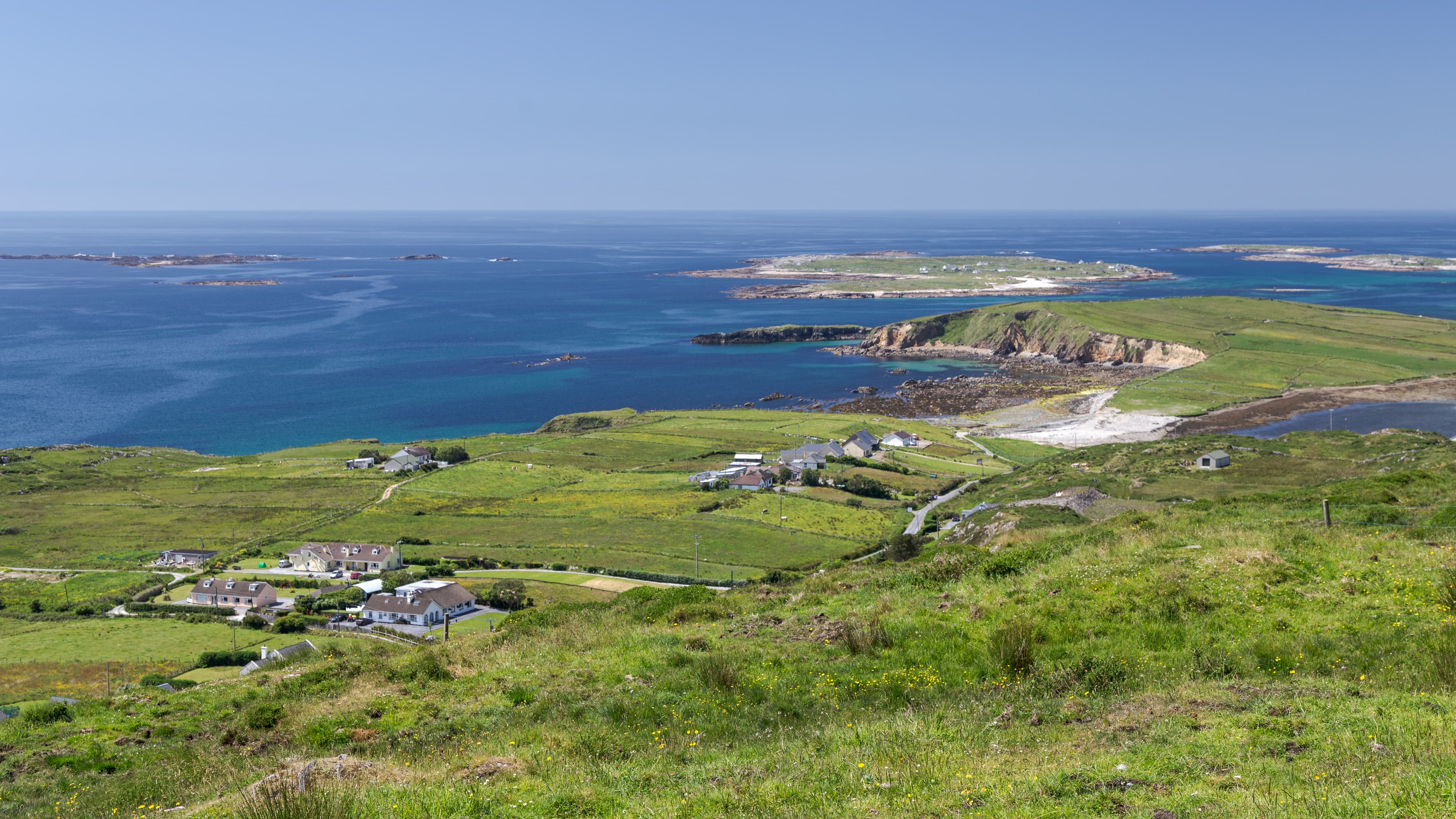
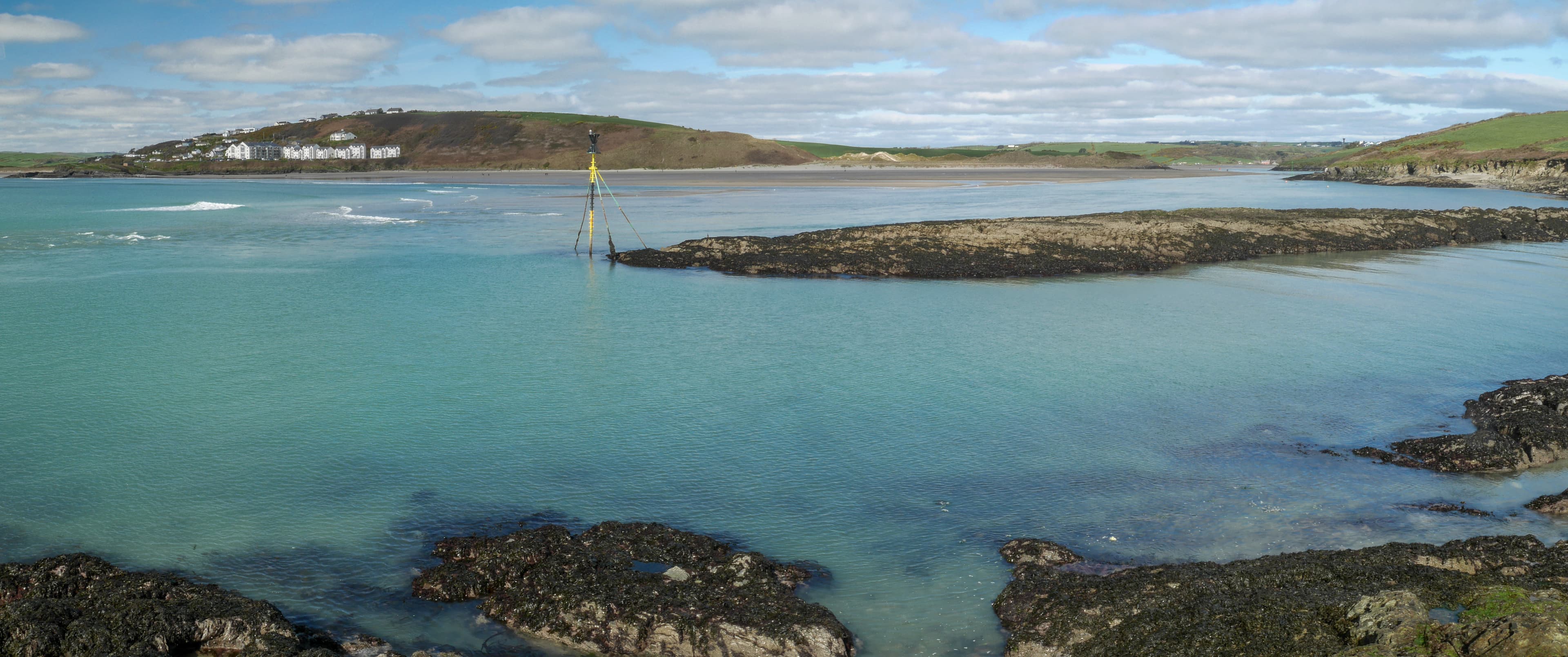
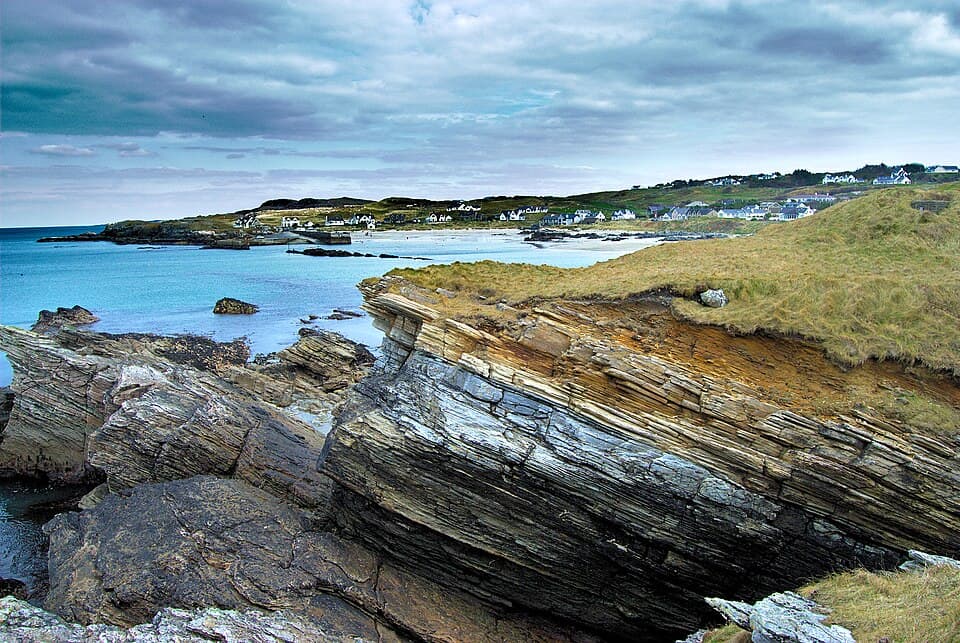
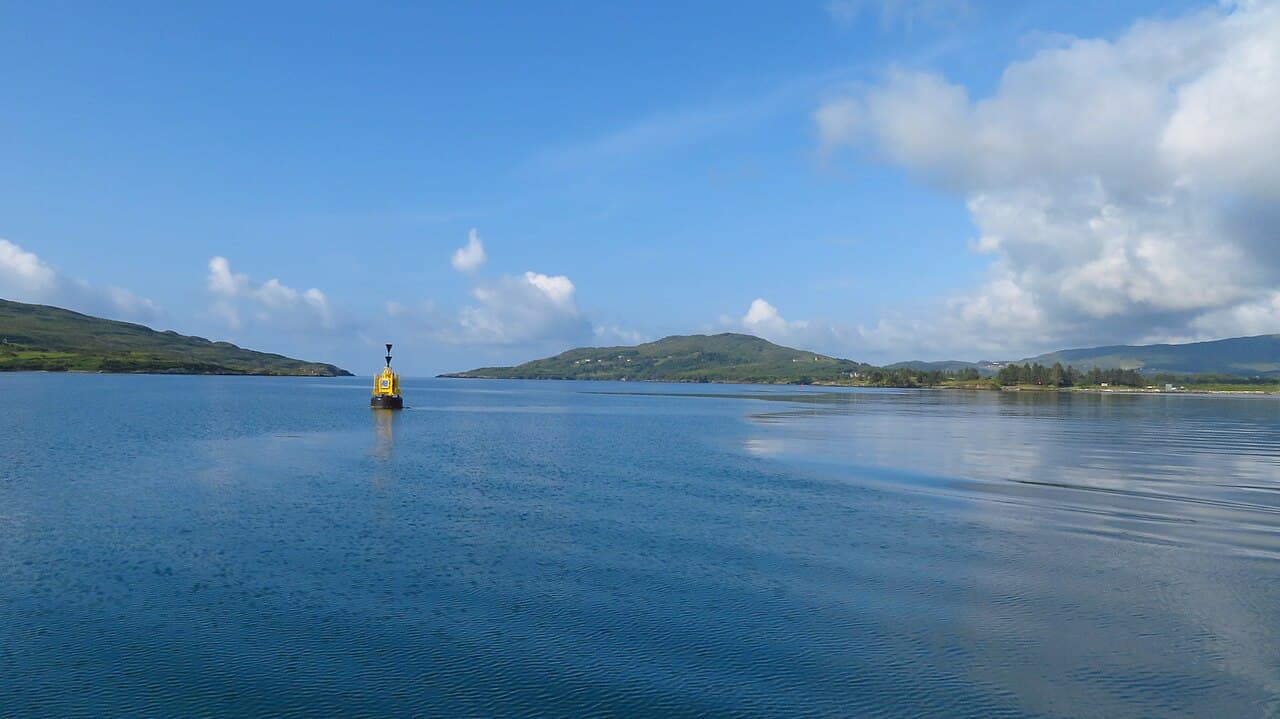
7 more waters with ISFC specimens (not yet on fishing.ie)
Frequently Asked Questions
What's a specimen dab in Ireland?
The current ISFC threshold is 0.6kg — a notable fish, since dab typically run small.
Best time of year for dab?
Autumn, particularly October, based on the ISFC specimen record.
How do I tell dab from flounder?
Dab has a distinctly curved lateral line and rougher, sandpapery scales compared to flounder's smoother skin and straighter lateral line.
Do I need a licence for dab fishing?
No — sea angling from shore or boat doesn't require a licence in Ireland.