- Specimens recorded
- 732 (2000–2025)
- Years on record
- 2000–2025
- Top venue by specimens
- Tralee Bay
- Irish record (Flapper Skate)
- 180cm — protected, catch & release only
- Irish record (Electric Ray)
- 18.14kg (40lb 0oz)
Ray in Ireland
Rays and skates are flattened, bottom-dwelling relatives of sharks found on sand and mixed ground around the Irish coast, grouped here across nine species that ISFC and fishing.ie both track under one umbrella: Painted, Blonde, Sting, Undulate, Homelyn, Thornback, Cuckoo, and Electric Ray, plus Flapper Skate — the largest of the group by a huge margin, and a species requiring very different treatment from the rest.
Most of the other eight species are legitimate, well-established angling targets, taken on bottom-fished bait from both shore and boat marks, with size and markings the main way to tell species apart at the waterside.
Flapper Skate (formerly widely known as Common Skate) is a different case entirely: a Critically Endangered species, the largest skate in the world, and the subject of one of Ireland's longest-running conservation tagging efforts. It is included on this page because it's part of the same ISFC ray/skate specimen record and the same broad group anglers encounter — not as an invitation to target or retain one.
This page combines nine ray and skate species, but Flapper Skate is not like the other eight. It's Critically Endangered, EU regulations require any Flapper Skate caught to be released, and in Northern Ireland it's a criminal offence to even target the species. Nothing on this page should be read as guidance for retaining or specimen-weighing a Flapper Skate — see "How to catch it" and "Rules and Conservation" below for what to do if you catch one.
When Ray Fish in Ireland
ISFC specimens across the ray/skate group are recorded broadly through the season, reflecting general bottom-fishing activity rather than one sharply defined peak — individual species within the group do have their own seasonal patterns, but the combined record doesn't show a single dominant window.
Based on ISFC specimen records — reflects where anglers fish and submit claims, not necessarily where the species is most abundant.
Where Ray Fish Best
Venue rankings below come from ratified specimen submissions, not scientific stock surveys — popular, well-fished venues will always show more specimens than remote or lightly-fished ones holding the same fish.
Cork Harbour, Tralee Bay, Youghal, and Islandmagee lead the combined specimen record — a spread across the south, southwest, and north coasts reflecting the group's wide general distribution on sandy and mixed bottom ground.
Where recorded: 80 shore, 224 boat (428 not recorded).
See every fishing.ie venue for ray — ISFC-ranked or not — in the full directory below.
Size and Specimens
Flapper Skate is, by a huge margin, the largest fish in this group — its Irish record weight dwarfs every other ray species here, a genuine reflection of scale rather than a data anomaly. The current ISFC approach records Flapper Skate by length rather than weight specifically because the conservation-driven practice is to measure and release rather than to weigh (which typically requires bringing a fish out of the water). The other eight ray species are recorded and specimen-weighted in the conventional way.
Critically Endangered — catch, tag, and release only. Not a weight-chasing target.
Based on ISFC specimen and threshold records — reflects where anglers fish and submit claims, not necessarily where the species is most abundant.
How to Catch Ray
For the other eight species, bottom-fished bait — squid, mackerel, or crab — fished hard on sand or mixed ground from shore or boat takes most fish, with bait size and presentation adjusted for the species and size being targeted.
Correct species identification matters a great deal in this group: size, markings, and spine/thorn patterns distinguish species that carry very different specimen thresholds and, in Flapper Skate's case, an entirely different legal status.
Flapper Skate is not a target species for retention or specimen-weight fishing under any circumstances: if one is encountered, it must be measured (if you're equipped and experienced to do so safely) or simply photographed in the water and released immediately without being lifted out — ideally reported to Inland Fisheries Ireland's tagging programme.
Given the size some ray species can reach and the sharp spines several carry, careful handling — proper unhooking tools, gloves, and support for the fish's body weight when lifting any ray or skate — protects both angler and fish.
Rules and Conservation
Flapper Skate must be released — EU regulations mandate that any Flapper Skate caught is returned to the water, and retention is not legally permitted anywhere in Irish or Northern Irish waters. Most of the other eight ray species in this group don't carry the same blanket legal protection, though EU Minimum Conservation Reference Sizes and general good practice around limiting retention of slow-growing, vulnerable species apply. Undulate Ray is a partial exception: it's listed as Endangered on the Irish Red List and was EU-prohibited from retention for over a decade before a small, tightly-conditioned commercial quota was reintroduced — check Inland Fisheries Ireland's current guidance before retaining one rather than assuming it's unrestricted.
No state licence is required for sea angling. Flapper Skate must be released under EU law; for the other ray species, no specific state licence or retention rule applies beyond general sea angling regulations.
No licence is required for sea angling. Flapper Skate carries the highest level of species-specific legal protection available under Northern Ireland law (the Wildlife (Northern Ireland) Order 1985) — it is a criminal offence to target the species at all, not just to retain one, in Northern Ireland waters.
Ray Venues in Ireland
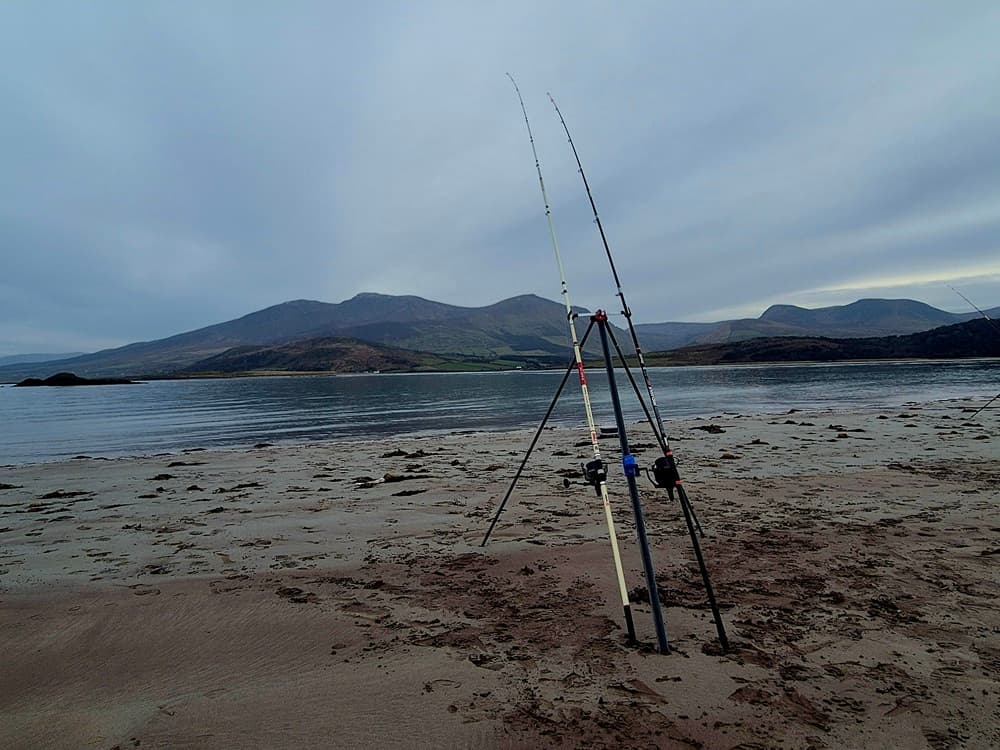
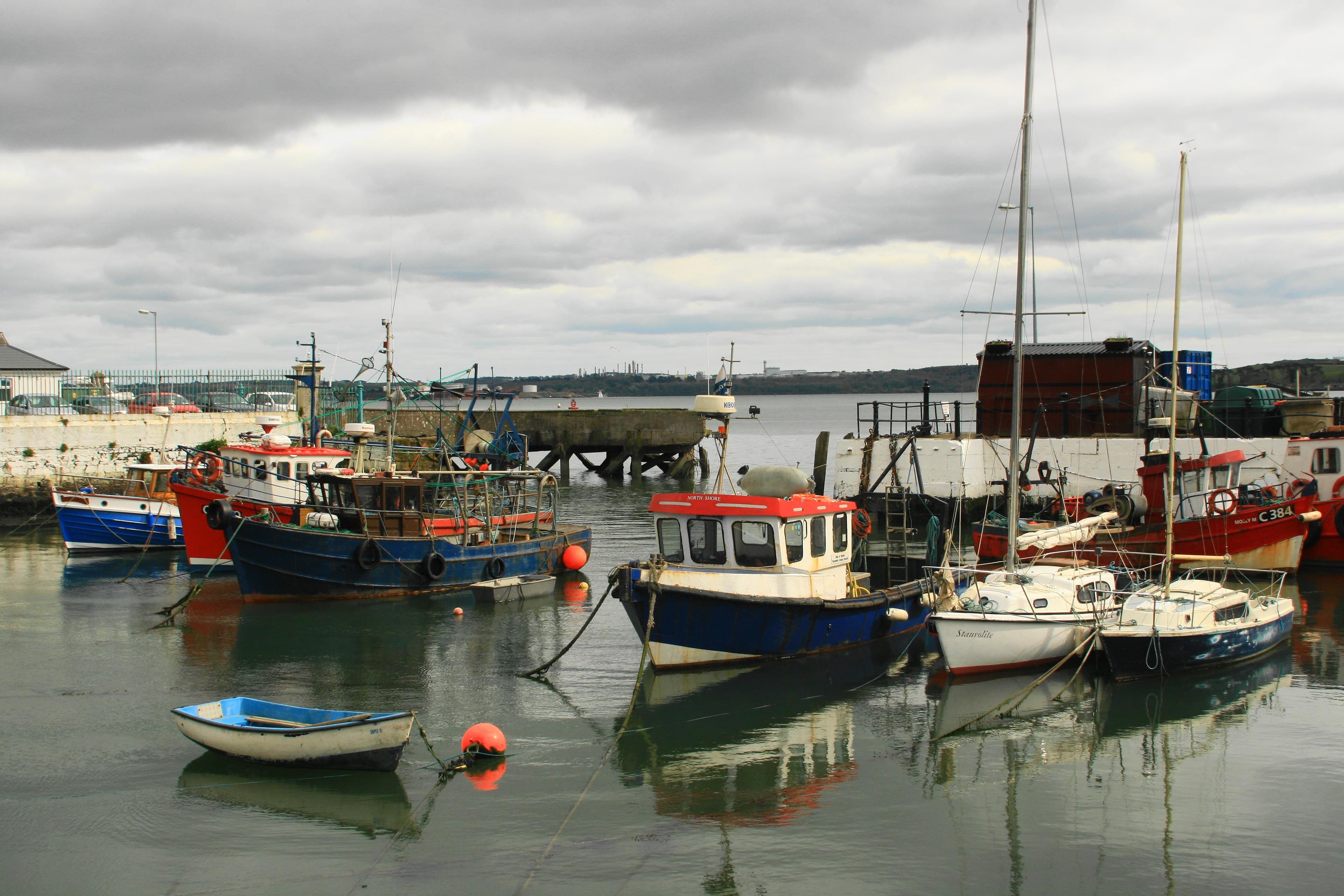
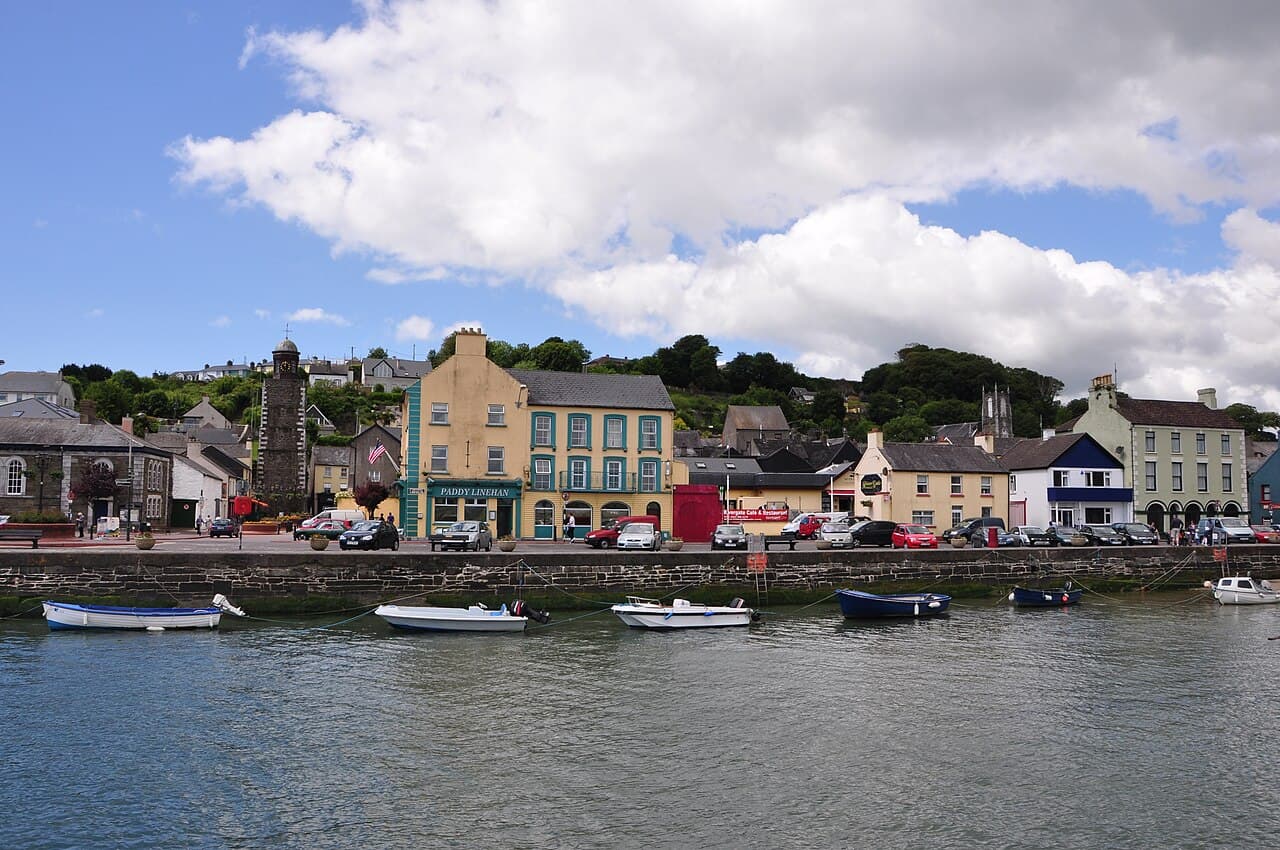
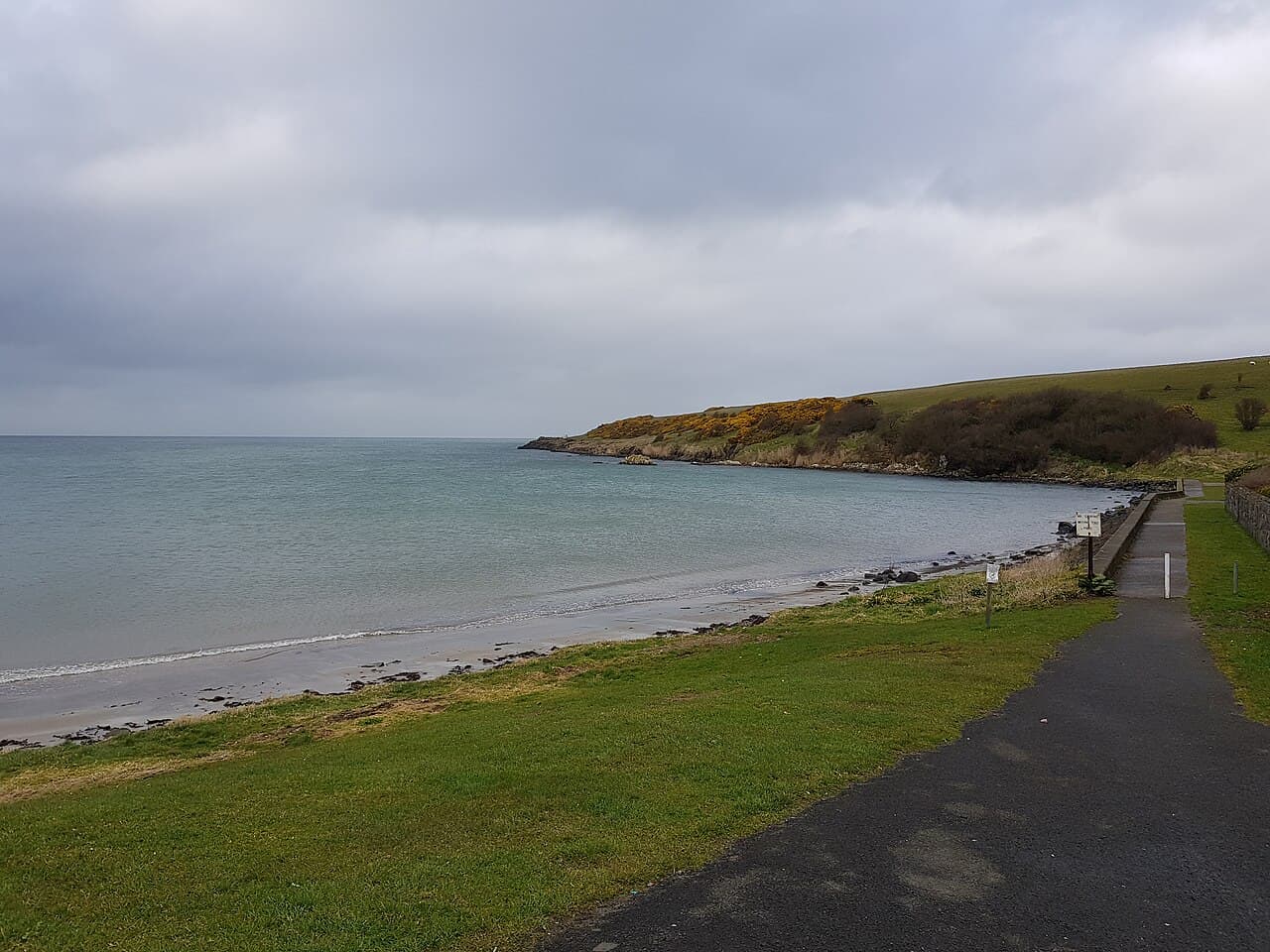
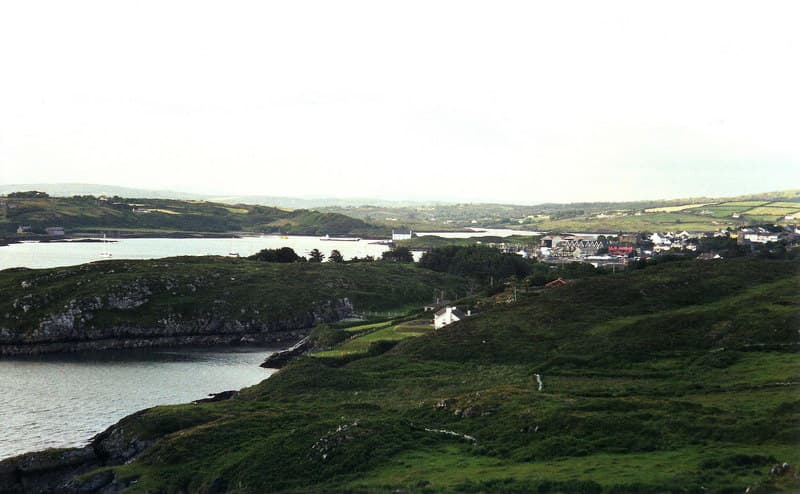
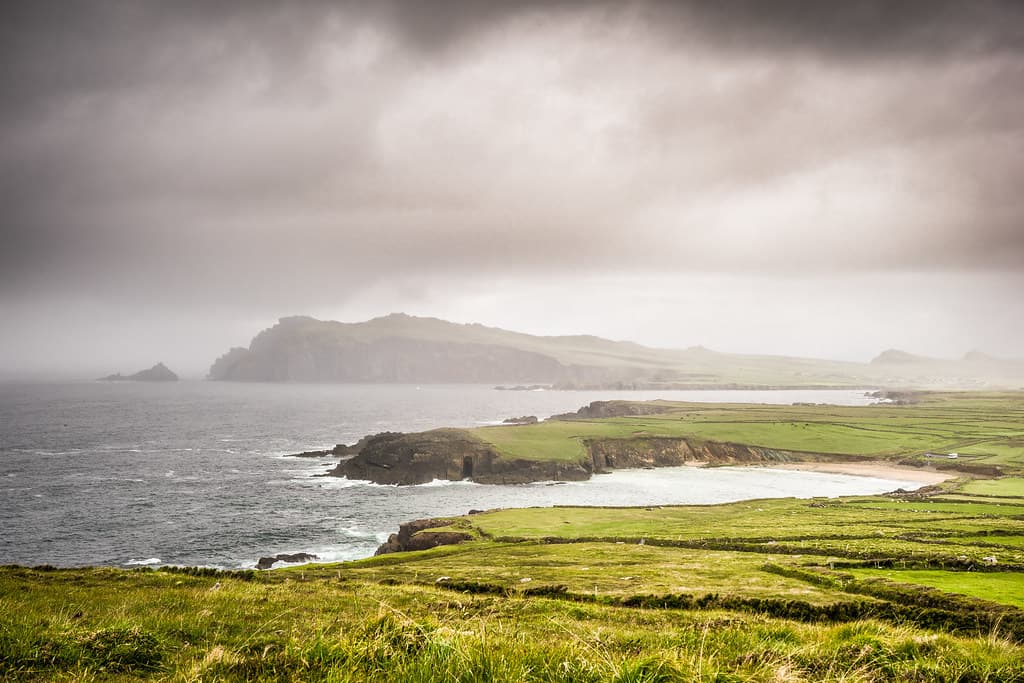
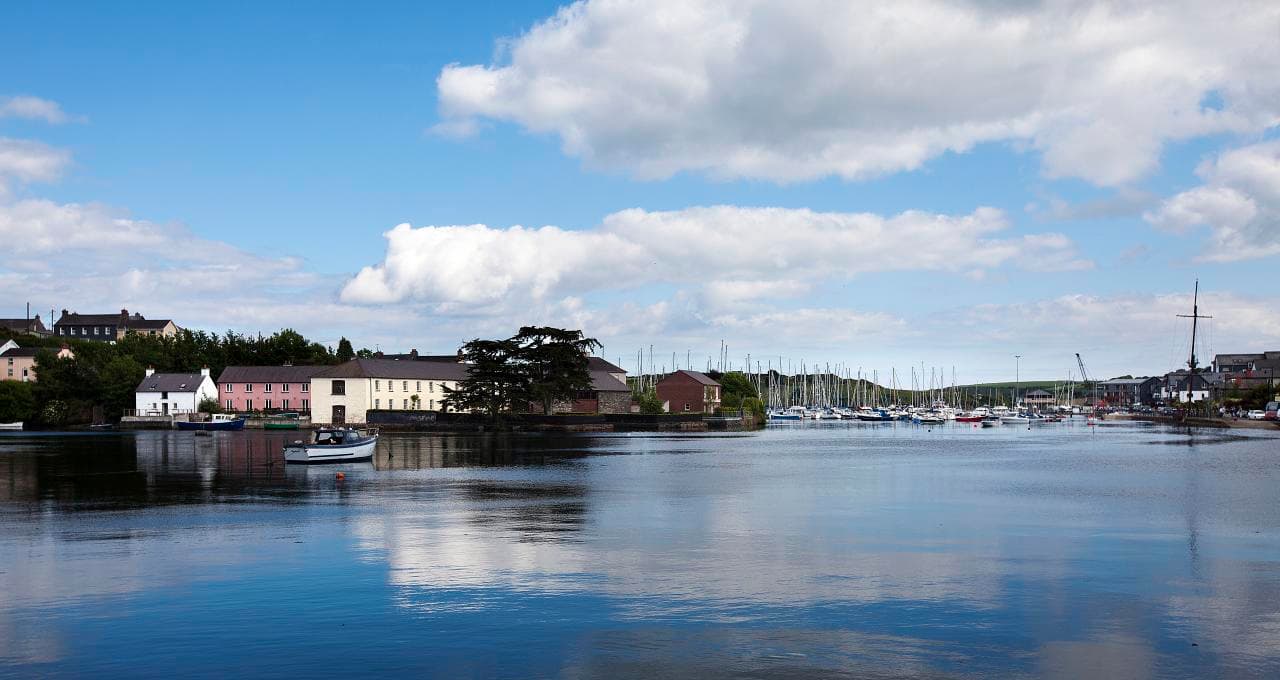
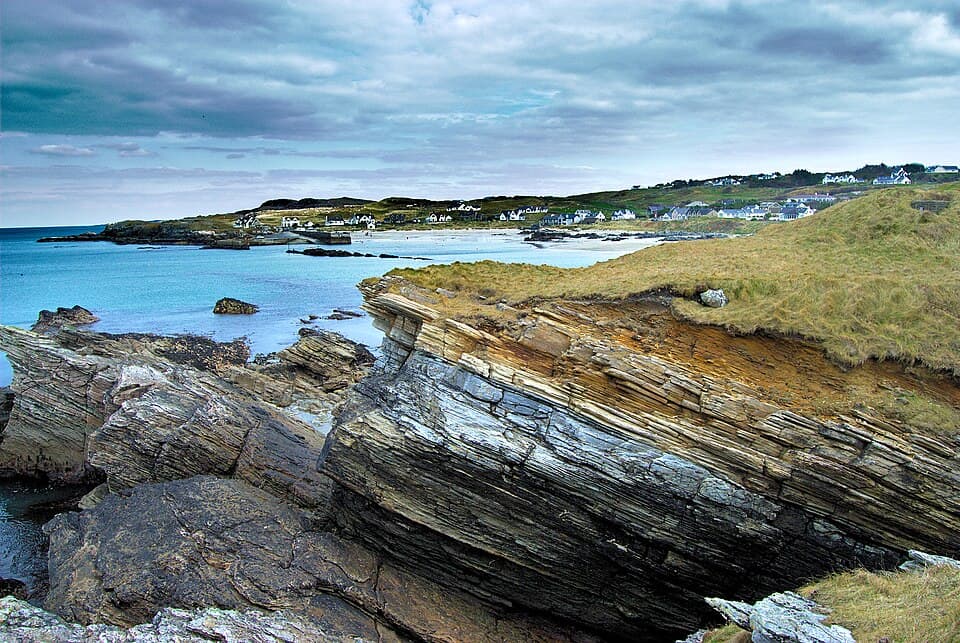
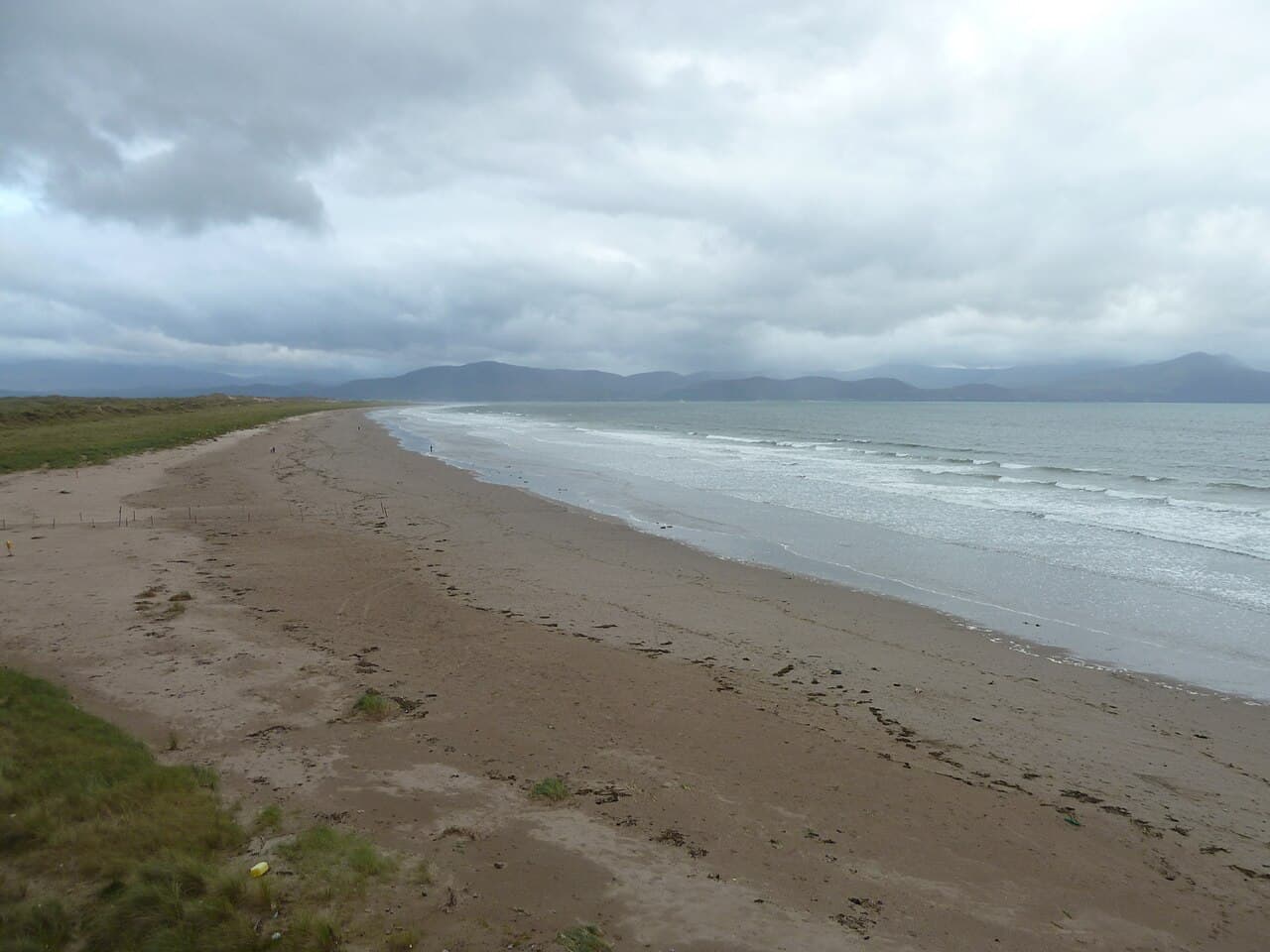
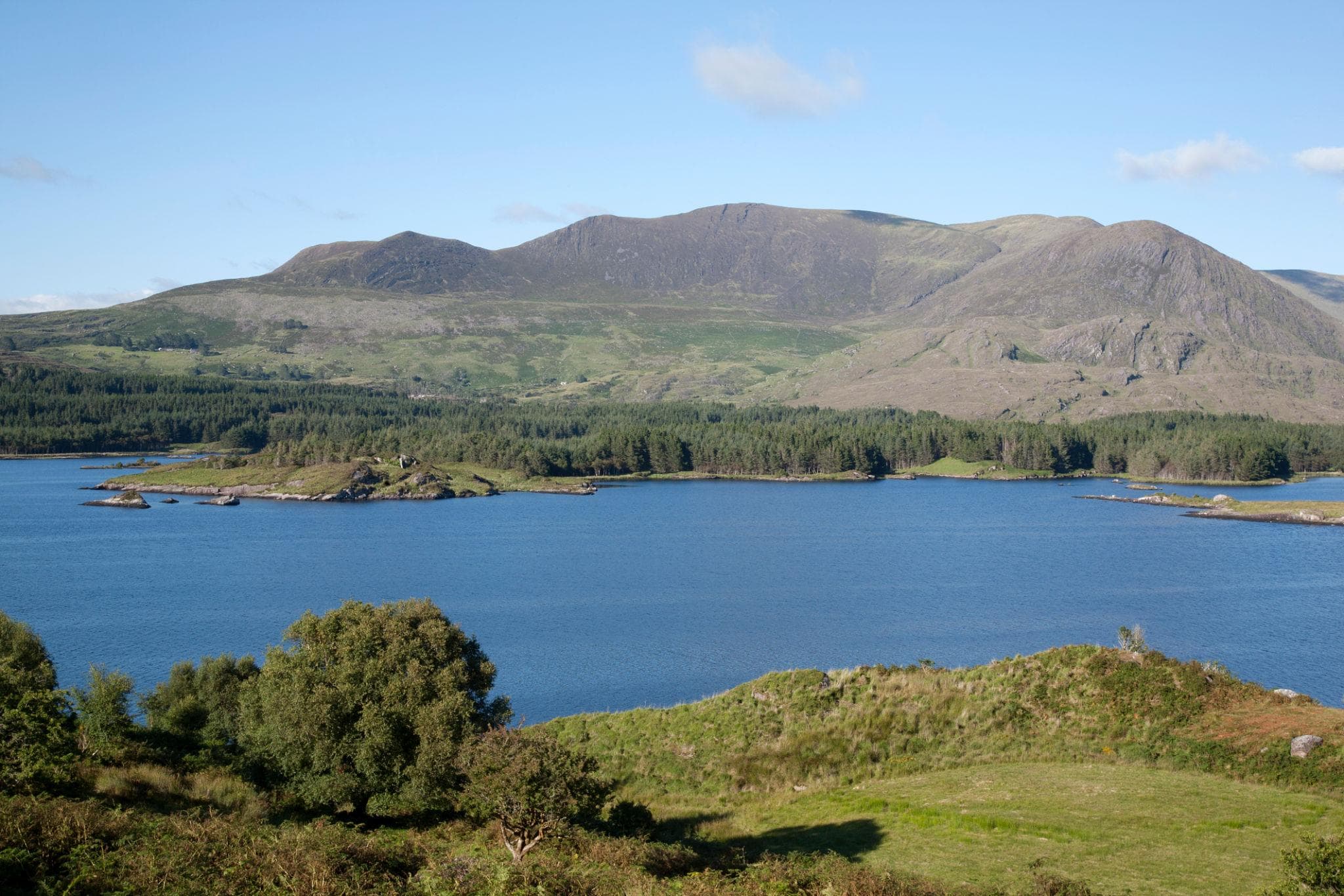
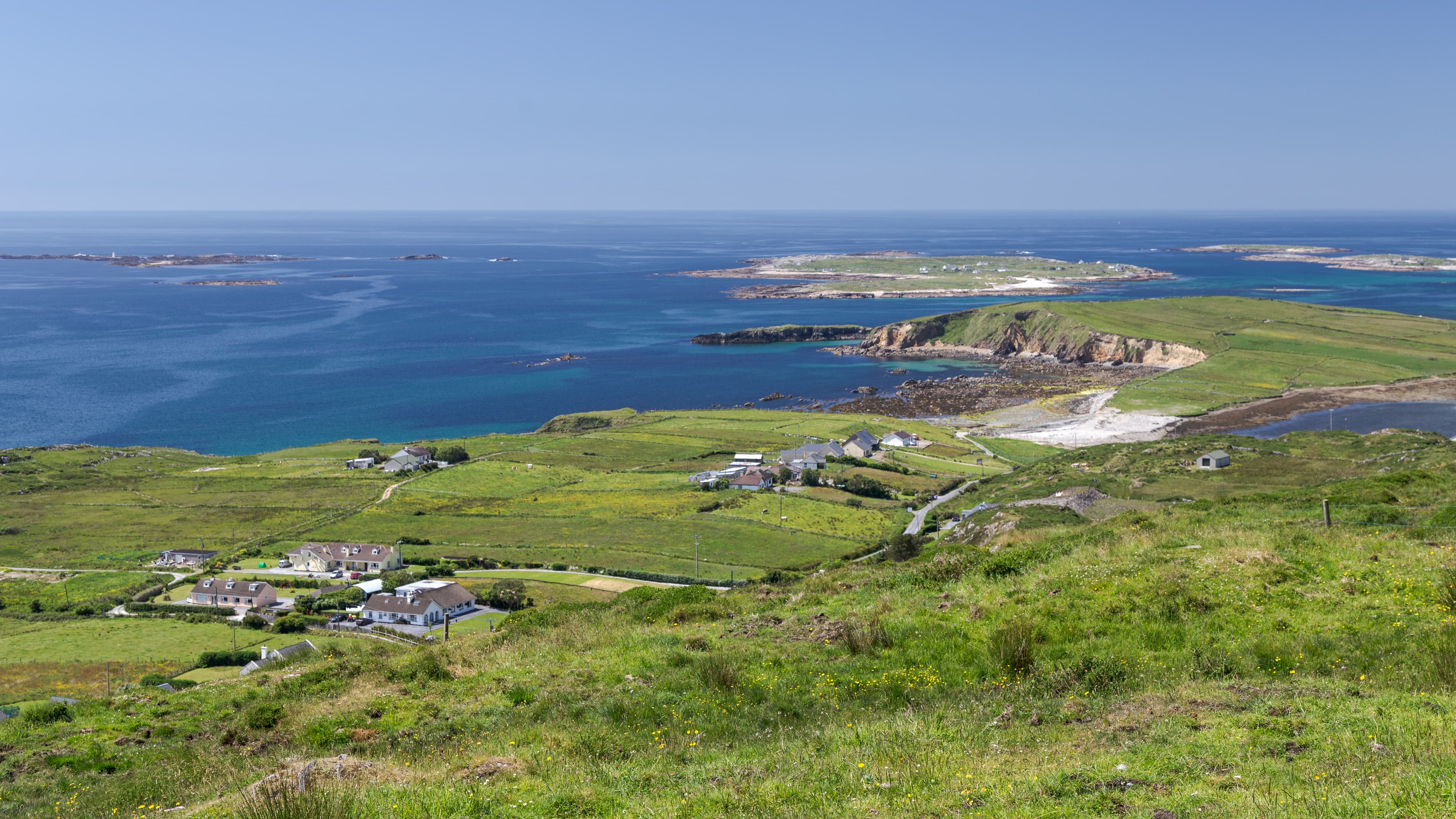
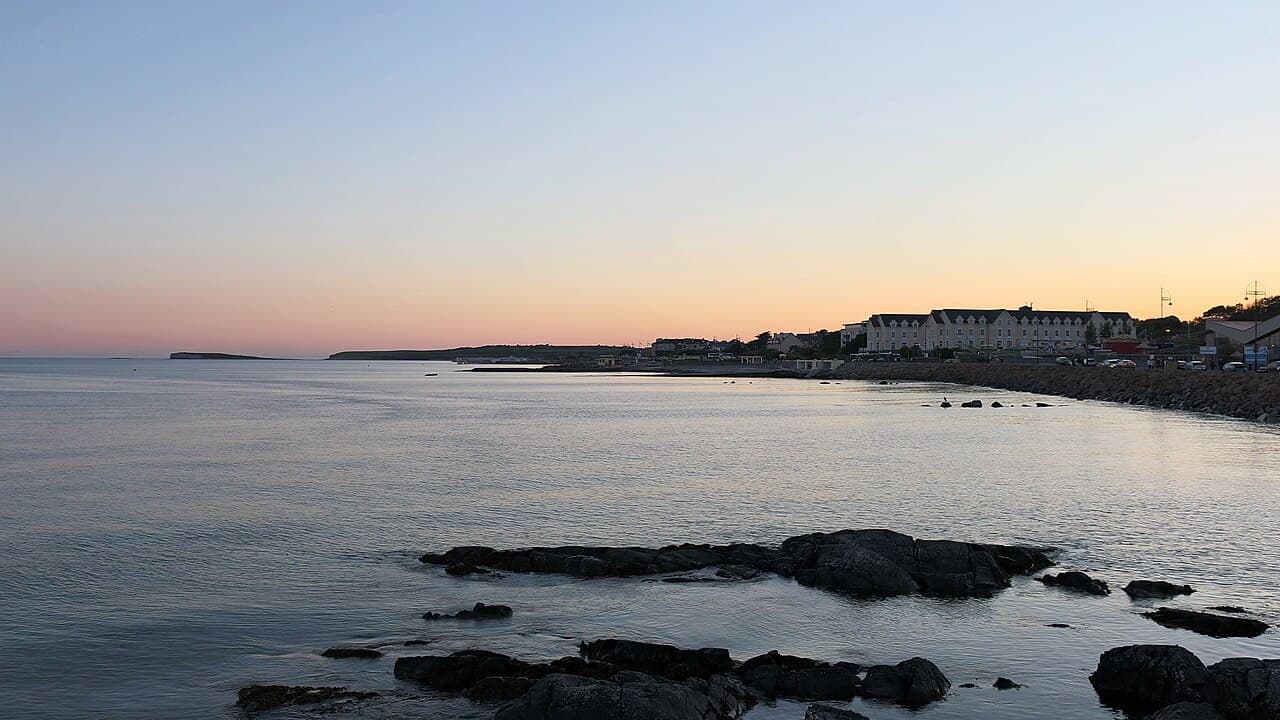
45 more waters with ISFC specimens (not yet on fishing.ie)
Frequently Asked Questions
Can I keep a Flapper Skate I catch?
No — EU regulations mandate release of any Flapper Skate caught. In Northern Ireland, it's a criminal offence to even target the species, under the highest level of species-specific legal protection in NI law.
Why is Flapper Skate on the same page as the other rays?
It's part of the same ISFC specimen record and the same broad group of fish anglers encounter on similar ground — but it needs completely different treatment: measure and release only, never retain.
What should I do if I catch a Flapper Skate?
Keep it in or close to the water, photograph it if you can do so without lifting it out, and release it immediately — ideally reporting the catch to Inland Fisheries Ireland's Marine Sportfish Tagging Programme.
Which ray species can I legally target and retain in Ireland?
Painted, Blonde, Sting, Homelyn, Thornback, Cuckoo, and Electric Ray don't carry Flapper Skate's blanket protection, though general good practice favours limiting retention of these slow-growing species too. Undulate Ray is a partial exception — it's Endangered on the Irish Red List and was EU-prohibited from retention for over a decade before a small, tightly-conditioned commercial quota was reintroduced, so check IFI's current guidance before retaining one.