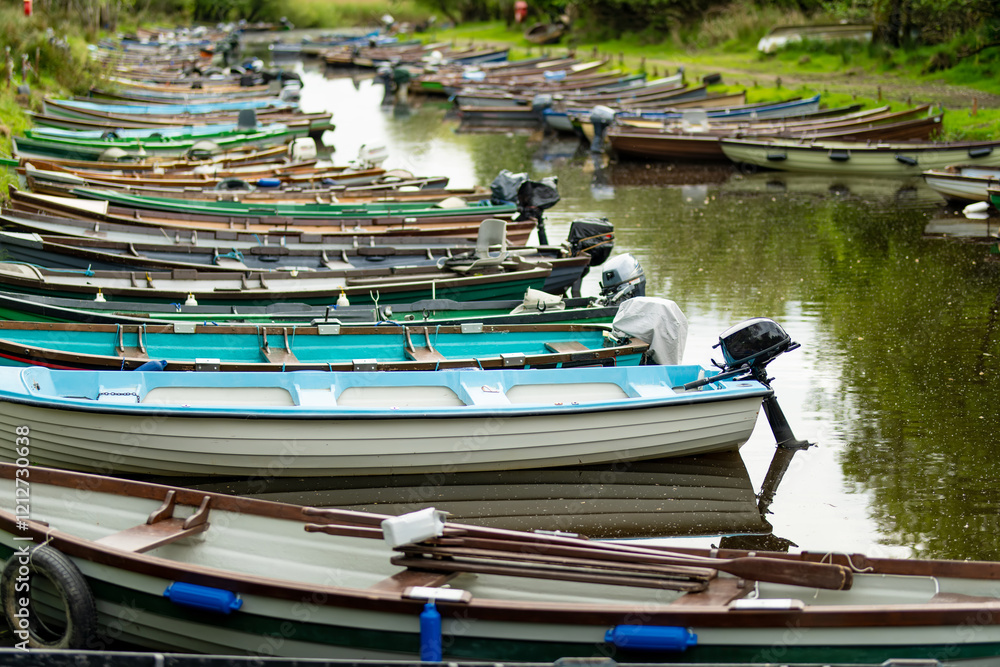
Why Fish in Ireland?
Ireland punches absurdly above its weight as a fishing destination. For a small island on the edge of the Atlantic, the variety and quality of angling on offer is remarkable — and much of it is free.
The headline act is wild brown trout fishing on the great western loughs. Lough Corrib, Lough Mask, and Lough Conn offer some of the finest wild trout fly fishing in the world, and in the Republic of Ireland, fishing for brown trout on loughs requires no licence and no permit. You simply launch a boat and fish. That kind of access to world-class wild fisheries is virtually unheard of elsewhere in Europe.
Beyond trout, Ireland's rivers hold strong runs of Atlantic salmon — one of fly fishing's most prized quarry. The River Moy is consistently one of Europe's most productive salmon rivers, and smaller spate rivers like the Drowes, Erriff, and Costello & Fermoyle offer intimate, exciting fishing in stunning settings.
Sea trout fishing is another highlight, particularly in the south-west around Lough Currane and the Killarney Lakes, where fish regularly exceed 3lb and occasional specimens reach double figures. The midland loughs — Sheelin, Derravaragh, Owel, and Ennell — are renowned for their exceptional trout fishing and famous insect hatches. And if you want pike, perch, or coarse fishing, the Shannon system and Lough Erne provide some of the best in Europe.
What ties it all together is the experience. Irish fishing is unhurried, uncrowded, and deeply traditional. You'll fish with ghillies whose families have worked the same water for generations, eat lunch on a rocky island in the middle of a lough, and finish the day in a pub where the locals want to hear every detail of your session. It's fishing as it should be.
What Species Can You Catch?
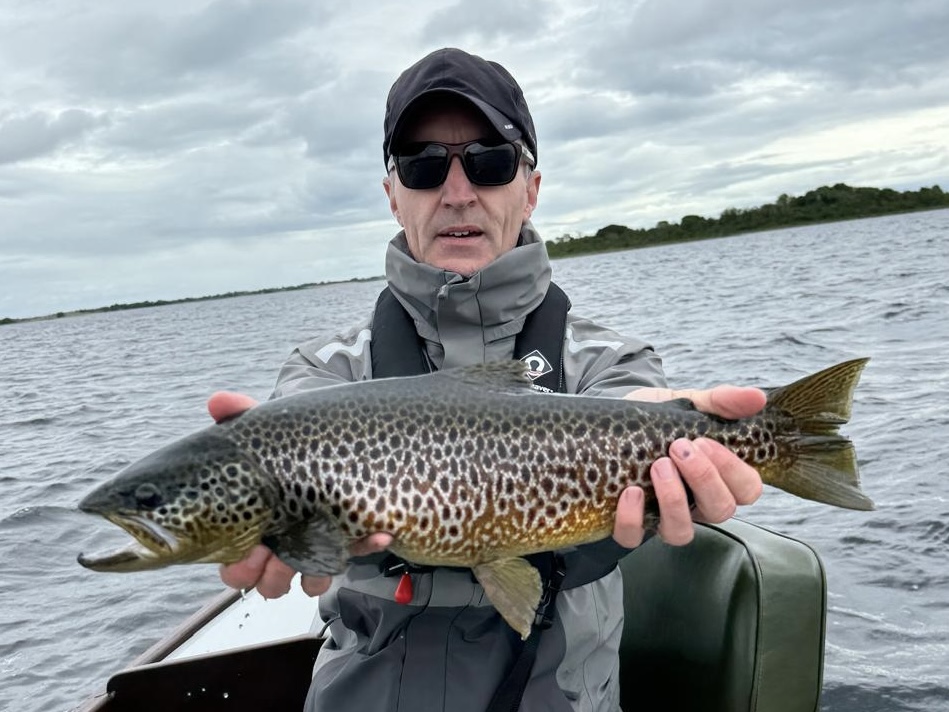
Ireland's waters hold a surprisingly diverse range of species across freshwater, estuarine, and coastal environments. Here are the main targets:
Brown Trout
Ireland's signature species. Found in loughs and rivers across the country, with the western limestone loughs — Corrib, Mask, Conn, and Sheelin — producing the finest fishing. Season runs roughly from March to September depending on the venue, with the mayfly hatch in May being the peak. Predominantly caught on wet flies fished from a drifting boat, though dry fly, nymphing, and buzzer fishing all have their place.
Atlantic Salmon
The king of Irish game fish. Runs most rivers from February through to October, with spring salmon on early rivers like the Moy, Suir, and Drowes, followed by grilse (smaller summer fish) from June onwards. Caught on fly, spinner, or worm depending on the river and conditions. A state salmon licence is required.
Sea Trout
A migratory form of brown trout that runs rivers and coastal loughs, particularly in the west and south-west. Lough Currane, Costello & Fermoyle, Screebe, and Ballynahinch are legendary sea trout venues. Best fishing is from June to September, often at night on rivers. Sea trout require a state licence (same as salmon).
Pike
Ireland's apex freshwater predator, found in rivers, canals, and loughs throughout the midlands and Shannon system. Upper and Lower Lough Erne are world-renowned pike fisheries. Fish regularly exceed 20lb, with specimens over 30lb caught each season. Caught on deadbait, lures, and fly. Open all year, though best in autumn and winter.
Perch
Widespread in lakes and slow rivers. Ireland produces some of the biggest perch in Europe, particularly from the midlands and Erne system. Fish over 3lb are a realistic target. Caught on worms, spinners, and small lures. Available year-round.
Coarse Fish (Roach, Rudd, Bream, Tench)
Abundant in midland and Shannon waterways. Match anglers and specimen hunters travel from across Europe for Ireland's coarse fishing. Roach–rudd hybrids are an Irish speciality. Float fishing and ledgering are the standard methods. No licence required in the Republic.
Pollan
A rare freshwater whitefish found only in five Irish loughs — Lough Neagh, Lower Lough Erne, Lough Ree, Lough Derg, and Lough Allen. Pollan are a glacial relict species endemic to Ireland. While there's a small commercial fishery on Lough Neagh, they're almost never caught by anglers as they feed on small crustaceans in deep water. Their presence indicates exceptional water quality, though populations outside Lough Neagh have declined significantly.
Fishing Licences & Permits
Ireland's licensing system is simpler than it first appears, but it does vary by species and jurisdiction.
Republic of Ireland
Ireland operates a two-tier system: a state licence and a local permit. They are separate things.
State licence — Required only for salmon and sea trout. Issued by Inland Fisheries Ireland (IFI). Annual and short-term licences are available — you can buy one online at store.fishinginireland.info or from local tackle shops.
Local permit — Required for access to specific fisheries, regardless of what you're targeting. Some rivers and lakes are controlled by clubs, development groups, or private owners who charge a permit fee for access. Permits are typically available locally from tackle shops, post offices, or online via permits.fishinginireland.info.
The important exception: Brown trout fishing on loughs (lakes) in the Republic requires no licence and no permit in most cases. This is one of the great privileges of fishing in Ireland — you can fish Corrib, Mask, Conn, Sheelin, and dozens of other loughs completely free of charge. Some rivers and stocked fisheries do require a permit for trout, so always check locally.
Coarse fishing and pike fishing require no state licence in the Republic, though some venues require local permits.
Northern Ireland
In Northern Ireland, all freshwater fishing requires a DAERA rod licence, available from the Department of Agriculture, Environment and Rural Affairs. The licence system covers all species. A separate permit from the fishery owner is also required for most waters.
A Republic of Ireland licence is not valid in Northern Ireland, and vice versa. If you're fishing cross-border venues like the Erne system or Lough Melvin, check which jurisdiction you're in and ensure you have the correct licence for each side.
The Bottom Line
For most visiting anglers targeting trout on the big loughs, you need nothing at all — just turn up and fish. If you're after salmon or sea trout, buy a state licence before you arrive. Always check the specific venue page on fishing.ie for current permit requirements.
For the full breakdown — including Northern Ireland rules, cross-border fishing, sea angling, and a quick-reference table — read our dedicated guide: Fishing Licences and Permits in Ireland.
The Irish Fishing Season
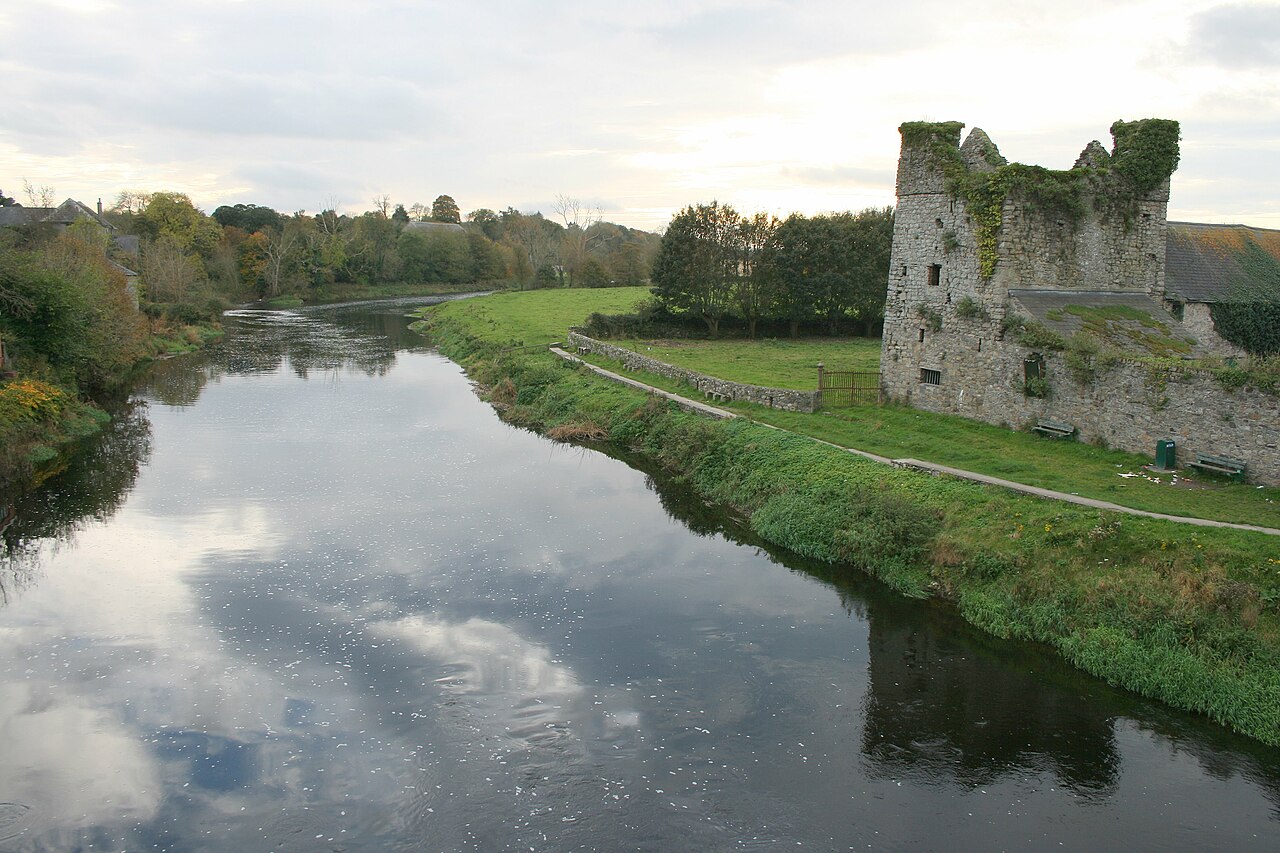
Ireland's fishing season follows the rhythm of its rivers and loughs, from the first spring salmon to the last autumn trout. Here's what happens month by month:
January – February
The salmon season opens on a handful of early rivers. The River Suir, River Blackwater, and River Drowes are among the first to produce spring fish. Weather is cold and conditions can be tough, but the chance of a fresh-run springer makes it worthwhile for the committed. Most loughs remain closed for trout.
March – April
Spring arrives and trout loughs begin to open. The first buzzer hatches (chironomid midges) appear on sheltered bays, and fish start feeding near the surface. Lough Sheelin, Lough Owel, and Lough Ennell fish well on buzzers and early olives during this period. Spring salmon fishing continues on the Moy, Drowes, and other rivers. The countryside is coming alive, and there's a real sense of anticipation.
May
The highlight of the Irish fishing calendar. The mayfly hatch transforms the western loughs into a feeding frenzy. Lough Corrib is the epicentre — when the mayfly is up and a fresh south-west wind is pushing a wave down Greenfields Bay or the Birchall shore, there is no better place to be with a fly rod in your hand. Lough Mask, Lough Conn, Lough Arrow, and Lough Melvin all produce spectacular mayfly fishing too. Hatches typically peak in the second and third weeks of May, though timing varies by a week or two each year. This is when you'll see Irish fly fishing at its most iconic — a team of wet flies on a sinking tip, drifting over a rocky shore with fish boiling in the wave.
June – July
Grilse (summer salmon) begin running the rivers from mid-June. The River Moy, River Erriff, and Costello & Fermoyle are prime grilse fisheries. On the loughs, the mayfly fades but sedge hatches take over — the murrough (great red sedge) provides exciting evening fishing on Corrib and Mask. Sea trout start running coastal rivers and loughs. Lough Currane and the Killarney Lakes come into their own. The long summer evenings mean you can fish until 10pm or later.
August – September
Sea trout fishing peaks, particularly on south-western venues like Lough Currane, Caragh Lake, and Lough Inagh. On the loughs, daddy longlegs dapping is the method — a large natural or artificial crane fly bobbed on the surface in a wind, which draws savage takes from big trout. Lough Mask and Lough Corrib fish brilliantly to dapped daddies in late August. Spent grilse provide sport on rivers for those who've missed the summer runs. The midland loughs — Derravaragh, Owel, Ennell — produce some of their best fishing of the year.
October
The season winds down on most waters. A few late salmon rivers remain open, and some loughs extend into early October. It's a quieter, more contemplative time on the water — shorter days, golden light, and the occasional rise to a spent fly. Pike anglers start to stir as water temperatures drop and predators become more active on the Erne system and midland waters.
For a deeper dive into every month of the year — including winter sea angling and pike fishing — read our Month by Month: When to Fish in Ireland guide.
Irish Fishing Techniques
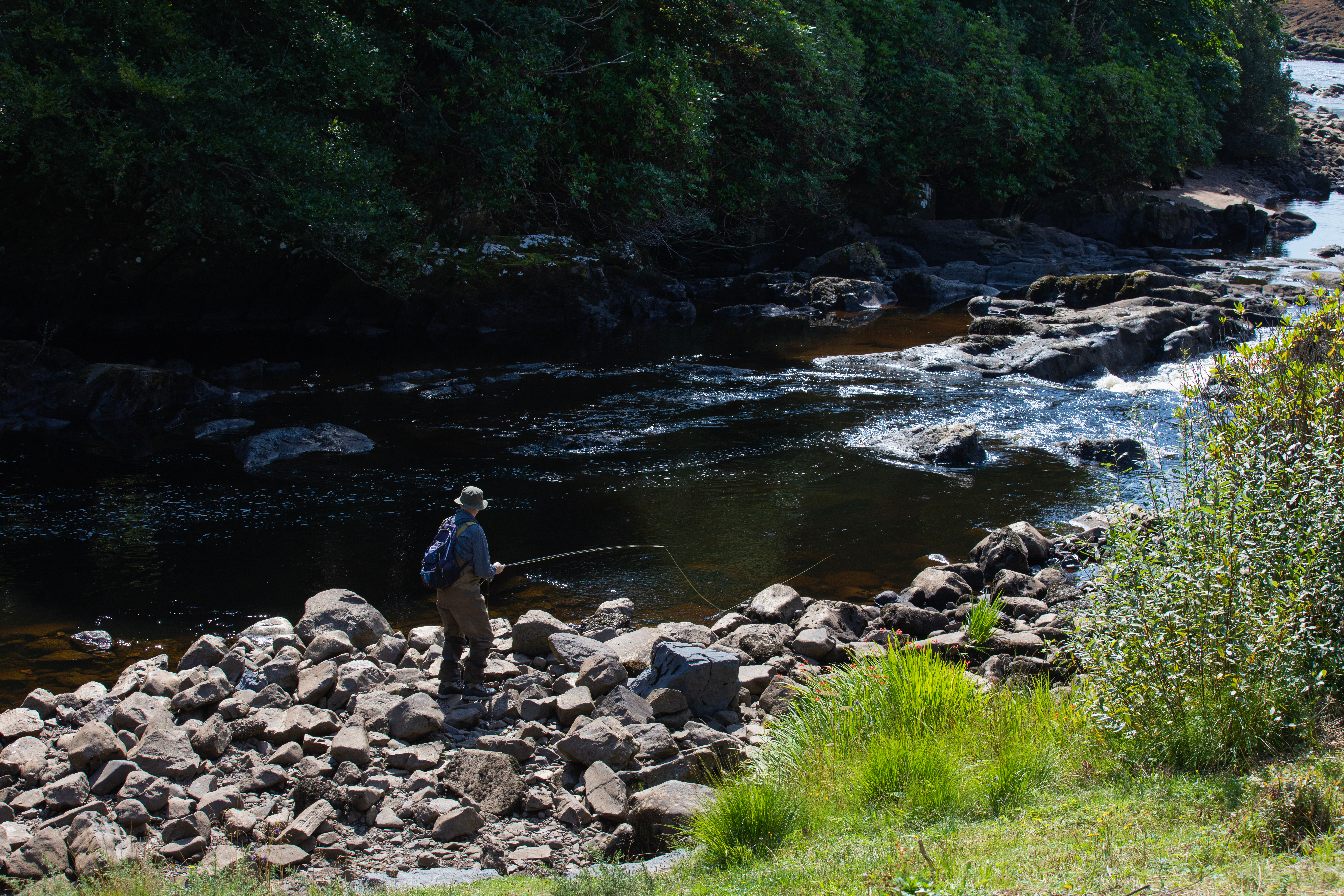
Ireland has its own fishing traditions, many of which are unique to the country. Here are the techniques you'll encounter:
Wet Fly Fishing from a Drifting Boat
The quintessential Irish method. Two anglers fish from a traditional lough boat as it drifts broadside down a wave, casting a team of two or three wet flies on a short line ahead of the drift. The bob fly is worked along the surface while the point fly fishes deeper. It's a technique that rewards watercraft — reading the wave, the wind, the shoreline — and it's the method that defines trout fishing on Corrib, Mask, Conn, and the other great loughs.
Dapping
A uniquely Irish and Scottish technique where a large natural or artificial insect is presented on the water's surface using a long, light floss line that catches the wind. During the mayfly season in May, anglers dap live or artificial mayflies over rising trout. In late summer, daddy longlegs (crane flies) are dapped to devastating effect. It looks deceptively simple, but getting the drift right and timing the strike requires real skill. Best on Corrib, Mask, and Conn.
Buzzer Fishing
Chironomid midge pupae — called buzzers — are one of the most important food sources for trout in Irish loughs, particularly in spring and autumn. Anglers fish teams of artificial buzzer patterns on long leaders, either under an indicator or on a slow retrieve. The fishing can be technical and absorbing, with takes often registered as the subtlest tightening of the line. Sheelin, Owel, and Ennell are prime buzzer loughs.
Dry Fly on Rivers
Ireland's limestone rivers — particularly the River Suir and River Nore in the south-east — offer classic upstream dry fly fishing in the English chalk-stream tradition. Clear water, selective trout, and delicate presentation. The Suir's olive hatches from March onwards provide outstanding dry fly sport. This is precise, technical fishing that rewards patience and accuracy.
Nymphing
Euro-style nymphing has gained popularity on Irish spate rivers, particularly for targeting salmon and trout in broken water. A long rod, thin leader, and heavy nymph patterns fished close to the bottom. Effective on rivers like the Erriff, Moy, and Drowes when water levels are up and fly fishing on the surface is difficult.
Trolling
Deep trolling with spoons or natural baits is the traditional method for targeting ferox trout — the large, predatory brown trout found in deep Irish loughs. Lough Corrib, Lough Mask, and Lough Melvin all hold ferox. It's a patience game that can produce the trout of a lifetime — fish of 10lb or more.
Night Fishing for Sea Trout
On many Irish rivers, sea trout are most effectively targeted after dark. Anglers cast large wet flies or lures across pools and runs, fishing by feel rather than sight. It's atmospheric, exciting, and utterly addictive. The River Bush, Costello & Fermoyle, and Ballynahinch are all renowned night-fishing venues.
Best Regions for Fishing
Ireland is a small island, but its fishing regions are remarkably diverse. Here's where to focus depending on what you're after:
The West — Galway, Mayo, Connemara
The heartland of Irish fishing. Lough Corrib is the crown jewel — the Republic's largest lough and arguably the finest wild brown trout fishery in Europe. Neighbouring Lough Mask is equally impressive, with deeper, clearer water and a reputation for bigger fish. In Connemara, smaller fisheries like Costello & Fermoyle, Screebe, Ballynahinch, Kylemore Lough, and Lough Inagh offer intimate salmon and sea trout fishing in stunning landscapes. This region is where you come if wild trout on the fly is your priority.
The North West — Mayo, Sligo, Leitrim, Donegal
Lough Conn offers exceptional trout fishing with fewer boats than Corrib. The River Moy is Ireland's most prolific salmon river — the Ridge Pool in Ballina is one of the most famous salmon beats in Europe. The River Drowes on the Leitrim–Donegal border is a compact, productive spate river with an early spring run. Lough Arrow in Sligo is a mayfly mecca — a smaller, shallower lough that can produce extraordinary fishing in the right conditions.
The South West — Kerry, Cork
This is sea trout and salmon country. Lough Currane near Waterville is Ireland's premier sea trout fishery, with fish averaging over 2lb and genuine chance of a double-figure specimen. The Killarney Lakes — Lough Leane, Muckross Lake, and the Upper Lake — offer trout, salmon, and char in one of Ireland's most beautiful settings. Caragh Lake is a hidden gem for sea trout and salmon. The River Blackwater is the south's great salmon river, flowing through rich farmland in Cork and Waterford.
The Midlands — Westmeath, Cavan, Meath
Ireland's limestone heartland produces some of the most fertile trout loughs anywhere. Lough Sheelin is famous for its specimen trout and prolific insect hatches. Lough Derravaragh, Lough Owel, and Lough Ennell are all within easy reach of each other in County Westmeath, making the region ideal for a multi-venue trip. The fishing here is more technical than the western loughs — smaller water, clearer conditions, and fish that see more pressure.
The South East — Tipperary, Kilkenny, Waterford
The River Suir and River Nore are Ireland's premier dry fly rivers, flowing through limestone valleys with clear water and prolific olive and sedge hatches. If you prefer river fishing to loughs, the south-east is where to come. The Suir's brown trout fishing from March to September is genuinely world-class.
Northern Ireland — Fermanagh, Antrim, Tyrone
Upper and Lower Lough Erne form one of Europe's great coarse and pike fisheries — vast, island-studded lakes with enormous pike, bream, and perch. The River Bush in Antrim is a compact, well-managed salmon river with excellent facilities. Lough Melvin straddles the border and holds three genetically distinct trout forms — sonaghan (found only in Melvin), gillaroo, and ferox — each with separate breeding populations. The lough also has its own endemic Arctic char (Melvin char), making it one of the most scientifically significant fisheries in Europe.
Planning Your Trip
A fishing trip to Ireland rewards planning. Here's how to make the most of it:
When to Visit
May is the single best month for most anglers — the mayfly hatch on the western loughs is a bucket-list experience, and the weather is usually the kindest of the fishing season. June and July are best for salmon and grilse, with long daylight hours and warm evenings. August and September suit sea trout anglers and those who prefer quieter, less competitive fishing. Spring (March–April) is excellent for buzzer fishing on midland loughs and spring salmon on early rivers.
Booking a Ghillie or Guide
On the big loughs, a ghillie (local fishing guide) is highly recommended, especially for first-time visitors. A good ghillie knows where the fish are, reads the conditions instinctively, and handles the boat. Expect to pay €150–€250 per day for a ghillie with boat and engine. Book well in advance for May — the best ghillies on Corrib and Mask are reserved months ahead. Browse guides, ghillies, and charter operators on Find Services — with reviews, photo galleries, and availability calendars.
What to Bring
Irish weather is unpredictable, so layering is essential. Bring good waterproofs (jacket and trousers), a warm fleece, polarised sunglasses, and sun protection — you can experience all four seasons in a single day on an Irish lough. For trout fishing, a 10ft 6–7 weight rod covers most situations. Bring a selection of wet flies (Bibio, Claret Bumble, Green Peter, Murrough), buzzers, and dapping flies if visiting in late summer.
Accommodation
Most fishing regions have good accommodation options, from B&Bs and guesthouses to self-catering cottages. Towns like Oughterard (Corrib), Ballinrobe (Mask), Ballina (Moy), Waterville (Currane), and Mullingar (midland loughs) are well-established angling bases with tackle shops, pubs, and local expertise. Book early during the mayfly season.
Getting Around
A hire car is essential. Most fishing venues are in rural areas with limited public transport. Driving in Ireland is straightforward — roads are generally quiet, distances are manageable, and you'll need the flexibility to move between venues or adjust plans based on conditions. Major airports at Dublin, Shannon, and Knock serve the key fishing regions.
Weather Expectations
Expect rain. Not constant rain, but regular rain. Irish weather is mild and maritime — summers rarely exceed 20°C, and a day that starts grey often brightens by afternoon. The upside is that rain keeps rivers flowing, loughs at healthy levels, and fish feeding. A truly bad day for fishing in Ireland is a rare thing.
New to Fishing?
If this is your first time picking up a rod — or your first time in years — see our dedicated Getting Started guide. It covers the easiest ways to begin, what gear to buy, whether you need a guide, and what it all costs.
Conservation & Catch and Release
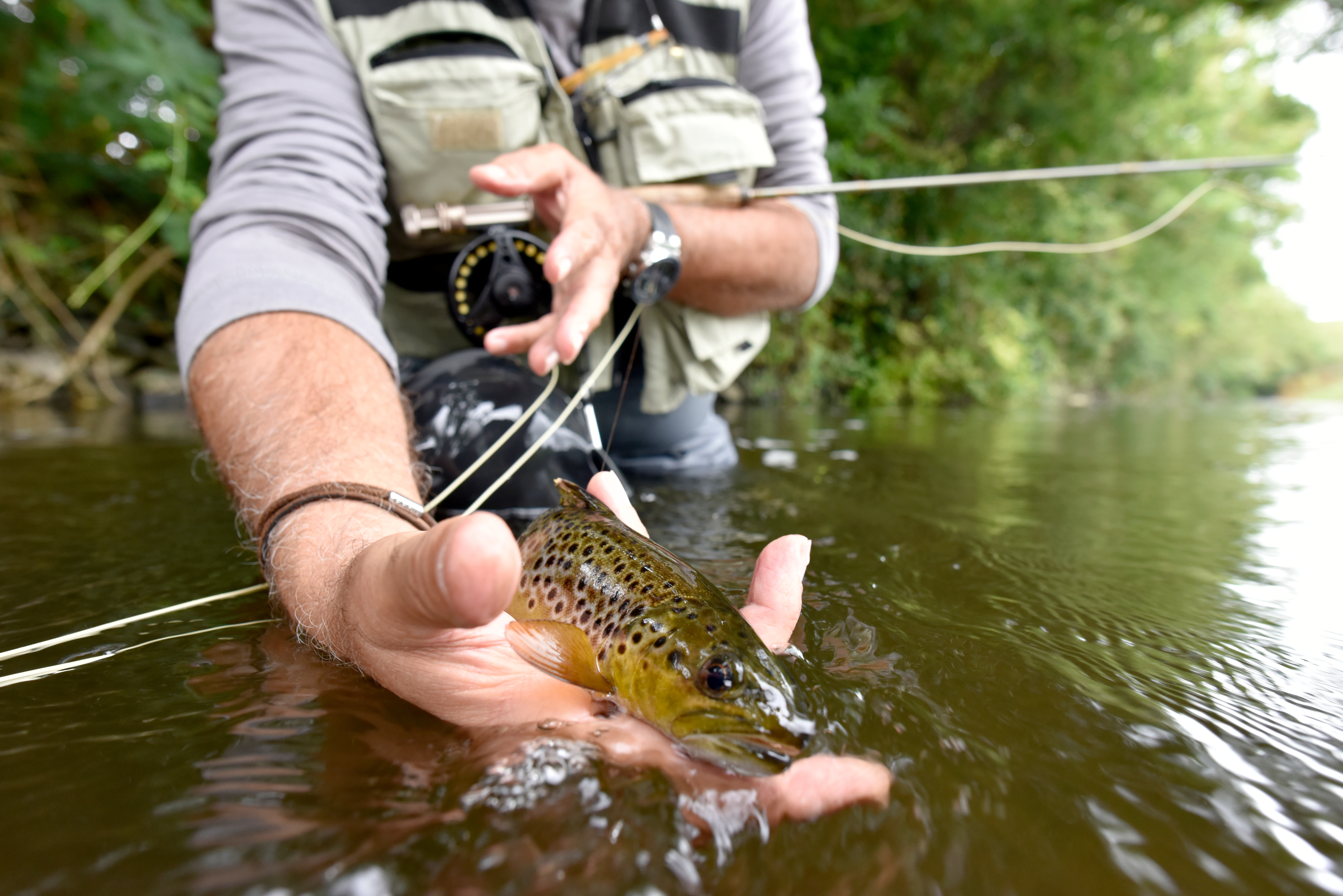
Conservation is not an afterthought in Irish fishing — it's woven into the culture. Ireland's wild fisheries are a public resource, and protecting them for future generations is a responsibility every angler shares.
Salmon
Catch and release is mandatory on many Irish salmon rivers, and all rivers operate under a quota system managed by IFI. Each river is assessed annually, and only rivers with a healthy surplus above conservation limits are opened for harvest. Many anglers voluntarily release all salmon, recognising the pressure wild Atlantic salmon populations face across their range. If you do keep a fish, it must be tagged with a numbered tag issued with your licence.
Trout
There is no mandatory catch-and-release requirement for brown trout on most Irish waters, but voluntary catch and release is strongly encouraged, particularly on the western loughs. Many visiting anglers practise full catch and release, and it's increasingly the norm among locals too. If you keep trout, take only what you'll eat — a brace of fish for supper, not a bag of twenty.
Bass
Sea bass are fully protected in Ireland. All bass must be returned alive. This is a legal requirement, not a suggestion. Bass populations along the Irish coast have recovered significantly since stricter protections were introduced, and the regulations are firmly enforced.
Best Practices
Use barbless or de-barbed hooks where possible — they make unhooking faster and reduce damage to fish. Handle fish with wet hands, minimise time out of water, and support them in the current until they swim away strongly. If you're photographing a fish, have the camera ready before lifting it from the water.
IFI fisheries officers patrol actively, and anglers are expected to carry their licence and comply with all regulations. The vast majority of Irish anglers respect the resource — it's part of what makes the fishing here so special. Conservation isn't a restriction; it's the reason the fishing is this good.
Frequently Asked Questions
Do I need a licence to fish in Ireland?+
It depends on what you're fishing for. In the Republic of Ireland, salmon and sea trout require a state licence from Inland Fisheries Ireland (IFI). Brown trout fishing on loughs is free — no licence or permit needed. Coarse fishing and pike fishing also require no state licence, though some venues charge a local permit. In Northern Ireland, all freshwater fishing requires a DAERA rod licence.
Is fishing free in Ireland?+
Much of it is, yes. Brown trout fishing on the great loughs — Corrib, Mask, Conn, Sheelin, and many others — is completely free in the Republic of Ireland. No licence, no permit, no charge. You'll need to arrange your own boat (or hire one), but the fishing itself costs nothing. Some rivers and stocked fisheries charge local permits, and salmon/sea trout fishing requires a state licence.
What's the best time of year to fish in Ireland?+
May is the standout month — the mayfly hatch on the western loughs is one of the great events in European fly fishing. For salmon, June and July are prime grilse months. Sea trout peak in August and September. Spring (March–April) is excellent for buzzer fishing on the midland loughs. The season generally runs from February/March to September/October, depending on the venue and species.
Can I fish without a guide?+
Absolutely. Many Irish waters are accessible to independent anglers with no guide required. On the big loughs, however, a ghillie is strongly recommended for your first visit — they know where the fish are, understand the conditions, and handle the boat safely. Rivers and smaller loughs are generally easier to fish independently. Check the venue pages on fishing.ie for access information and practical tips.
What flies should I bring for Irish loughs?+
A basic Irish lough fly box should include: Bibio, Claret Bumble, Green Peter, Murrough (great red sedge), Golden Olive Bumble, Hare's Ear, and a selection of buzzer patterns in black and olive. For the mayfly season, add Spent Gnat, Grey Wulff, and Green Drake patterns. In late summer, Daddy Longlegs patterns are essential. Sizes 10–14 cover most situations. Local tackle shops will always steer you right.
Is catch and release mandatory?+
For salmon, catch and release is mandatory on many rivers, and all rivers operate under quota systems. For brown trout, it's voluntary but strongly encouraged — most serious anglers on the loughs now practise catch and release. Sea bass must be returned by law. Using barbless hooks and handling fish carefully is considered standard practice.
Can I fish in Northern Ireland with a Republic of Ireland licence?+
No. The two jurisdictions have separate licensing systems. A Republic of Ireland salmon licence (from IFI) is not valid in Northern Ireland, and a DAERA licence is not valid in the Republic. If you're fishing border waters like Lough Erne or Lough Melvin, check which jurisdiction you're in and carry the correct licence. Some waters straddle the border, so you may need both.
Where can I fish for free in Ireland?+
In the Republic, brown trout fishing on most loughs is completely free — no licence or permit. This includes world-class venues like Lough Corrib, Lough Mask, Lough Conn, Lough Sheelin, Lough Owel, and many more. Coarse fishing and pike fishing are also free on most waters (no state licence required), though some venues charge local permits for access.
What's the mayfly season?+
The mayfly (Ephemera danica) typically hatches on Irish loughs from early to late May, with the peak usually in the second and third weeks of the month. Timing varies slightly each year depending on water temperature and weather. Lough Corrib is the most famous mayfly venue, but Mask, Conn, Arrow, Sheelin, and Melvin all produce excellent mayfly fishing. It's the single most anticipated event in the Irish fishing calendar.
Are there fishing shops near the main loughs?+
Yes. All the major fishing regions have well-stocked tackle shops staffed by knowledgeable local anglers. Oughterard and Galway serve the Corrib area, Ballinrobe covers Mask, Ballina is the base for the Moy and Conn, Mullingar serves the midland loughs, and Waterville is the hub for Currane and the Kerry fisheries. These shops sell flies, tackle, permits, and — most importantly — up-to-date local advice on what's fishing well.
Venues Mentioned in This Guide
Ready to explore?
Browse detailed profiles for 19+ venues across Ireland with species, seasons, and real fishing reports.
Explore Venues