- Specimens recorded
- 446 (2000–2025)
- Years on record
- 1999–2025
- Top venue by specimens
- River Shannon
- Irish record (Pike (Lake))
- 19.39kg (42lb 12oz)
Pike in Ireland
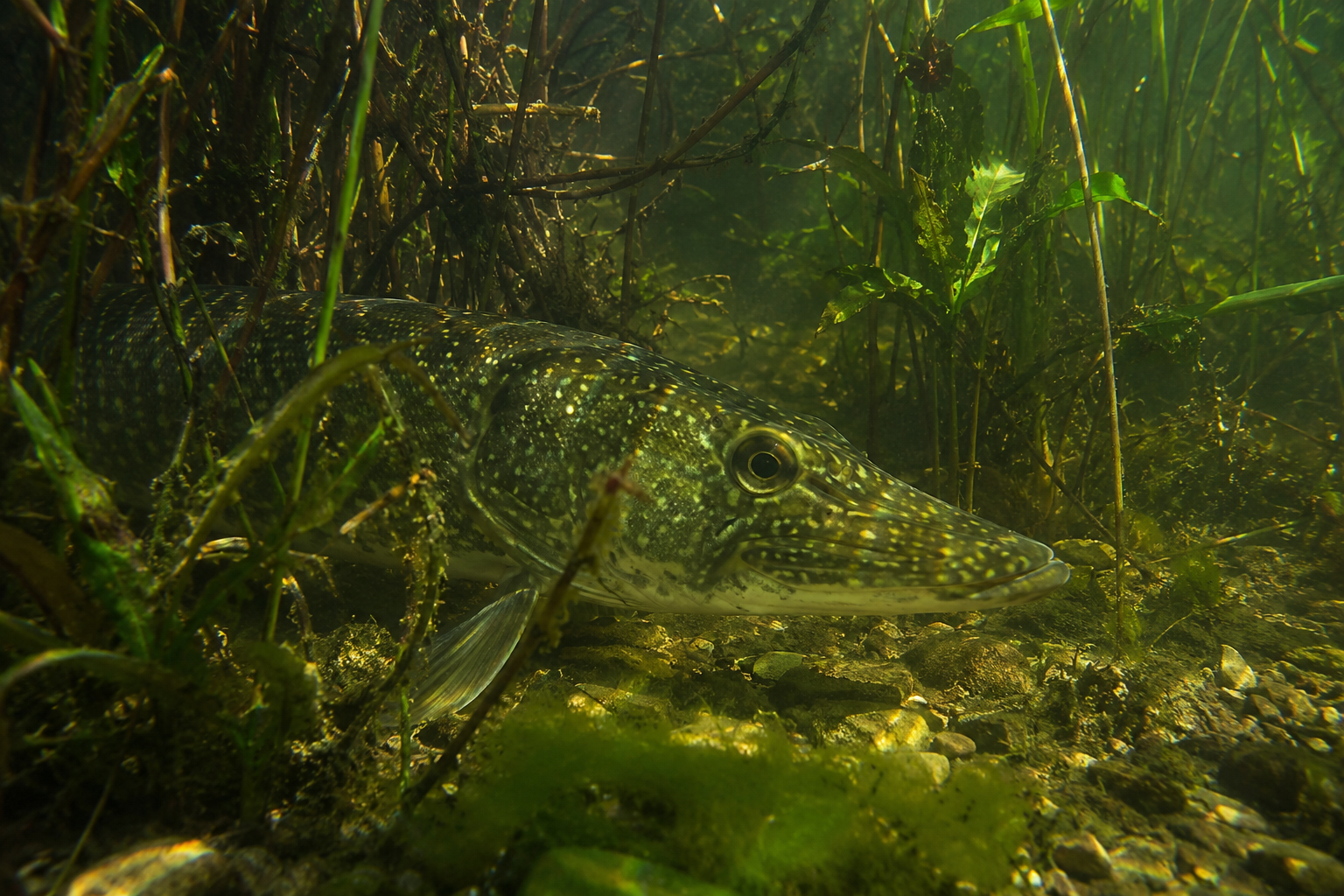
Pike (Esox lucius) is Ireland's principal freshwater predator — a native species found in loughs and rivers the length and breadth of the country, and the apex predator in most Irish freshwater systems it inhabits. Built for the ambush, a pike has a long, torpedo-shaped body, a broad flattened head, and a mouth lined with rows of needle-sharp, backward-angled teeth, all wrapped in olive-green camouflage patterning that lets it disappear against weed and shadow.
Pike are found in the great limestone loughs of the west and midlands, the Shannon and its tributaries, the Erne system, and countless smaller lakes, canals and rivers across both jurisdictions. The species has occasionally been at the centre of management debate on premier salmonid fisheries, where pike predation on juvenile trout and salmon has prompted local control measures — but nationally, pike fishing is a well-established and actively managed pursuit in its own right, protected under a national conservation bye-law.
Irish pike fishing splits naturally into two distinct pursuits, and the ISFC data tracks them separately: big-water winter pike fishing on major loughs for trophy-sized fish, and year-round river and canal pike fishing that's far more accessible and consistent. The 'Lake' and 'Pike (River)' specimen categories in the ISFC record reflect exactly this split, each with its own weight threshold.
When Pike Fish in Ireland
January stands out clearly as the single busiest month for pike specimens in the ISFC record, consistent with the species' classic cold-water feeding pattern — large females feed hard in the depths of winter ahead of the spring spawn. The broader window from October through March accounts for the great majority of specimen catches, while summer is markedly quieter as pike become sluggish in warm, lower-oxygen water. Pike can be fished year-round, but winter remains firmly the specimen season.
Based on ISFC specimen records — reflects where anglers fish and submit claims, not necessarily where the species is most abundant.
Where Pike Fish Best
Venue rankings below come from ratified specimen submissions, not scientific stock surveys — popular, well-fished venues will always show more specimens than remote or lightly-fished ones holding the same fish.
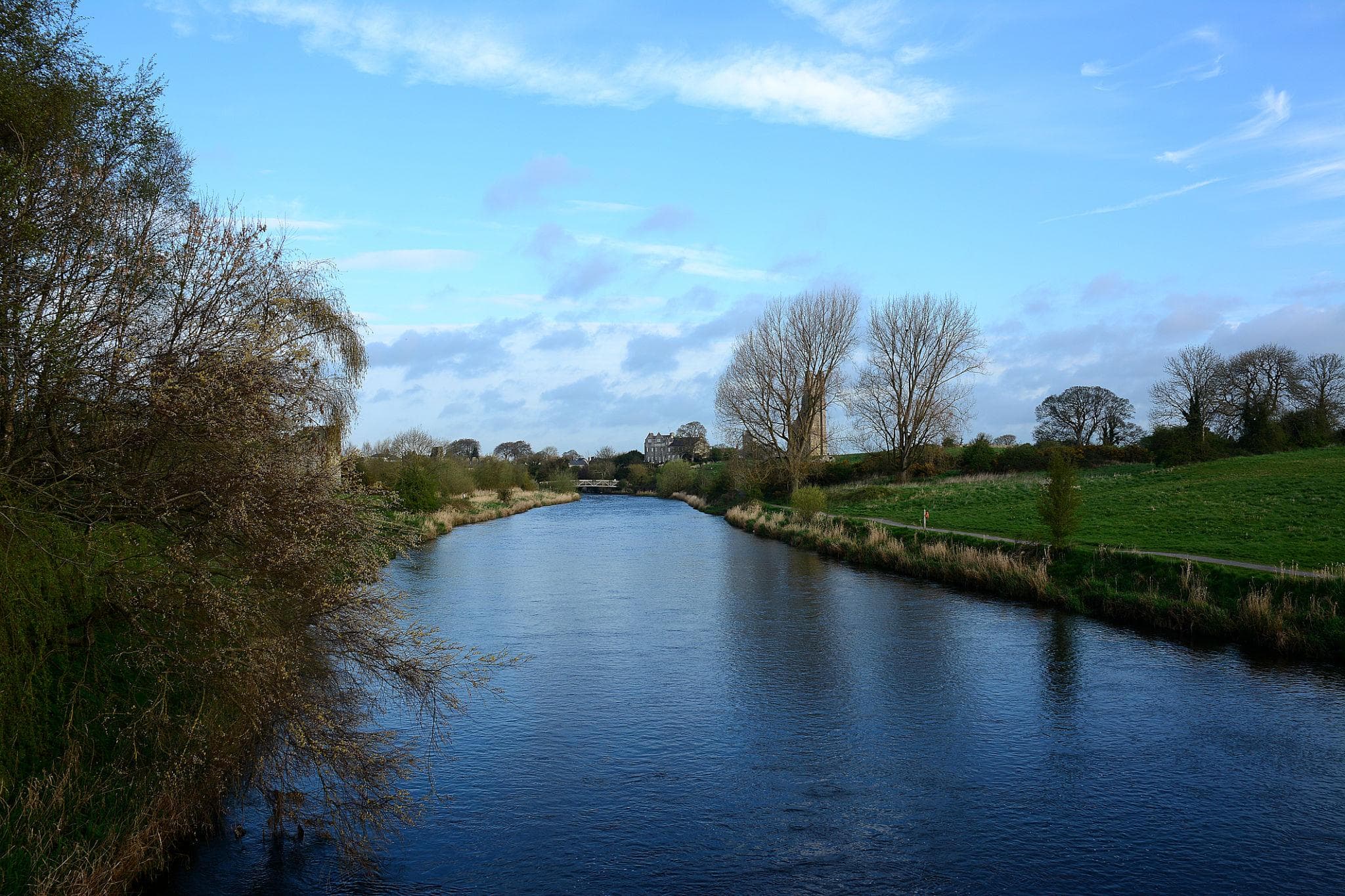
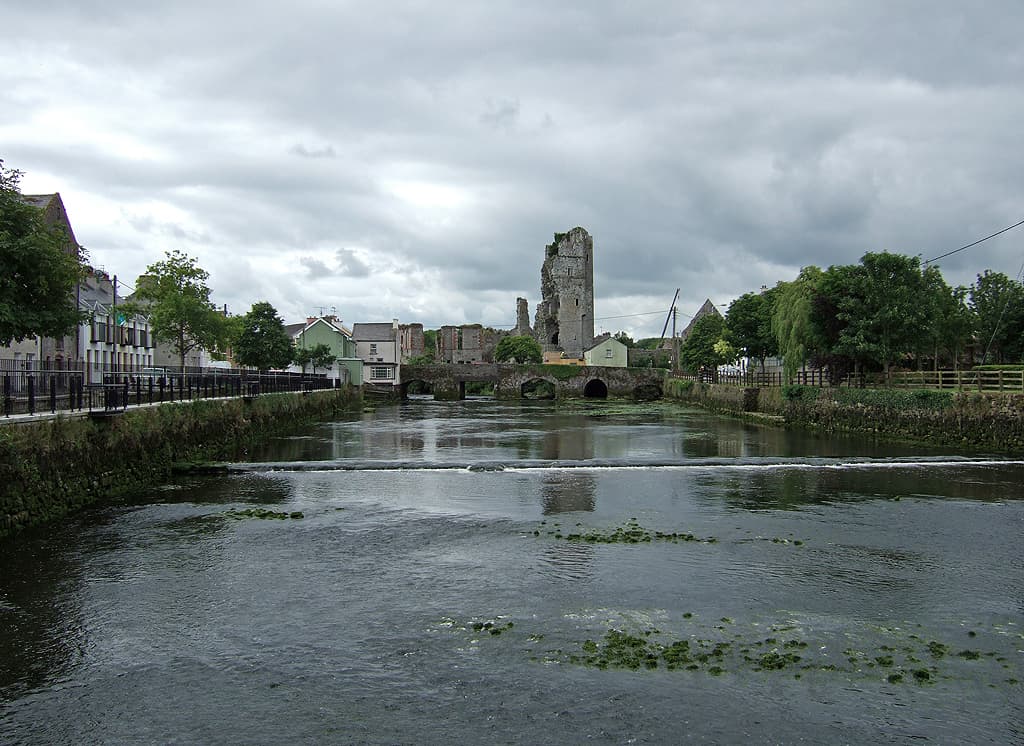
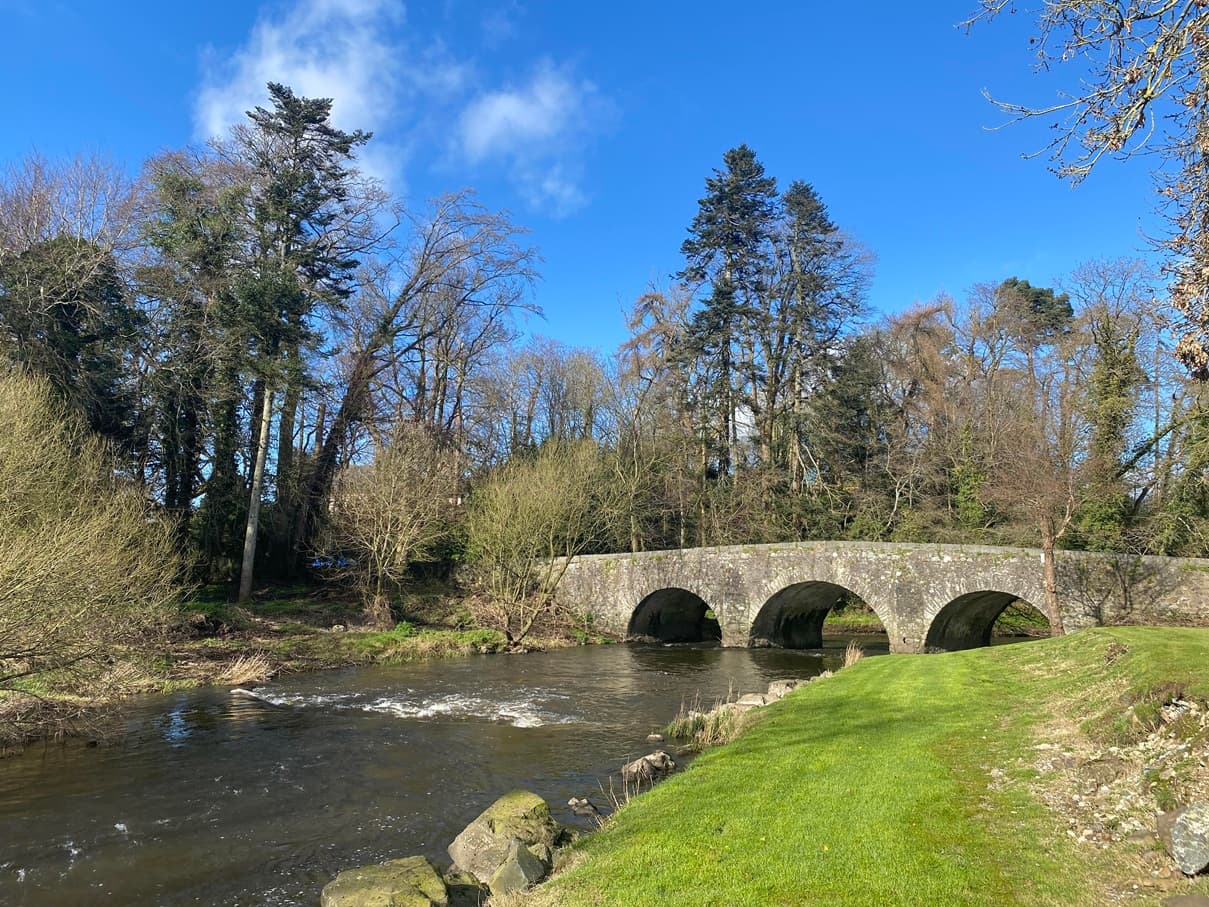
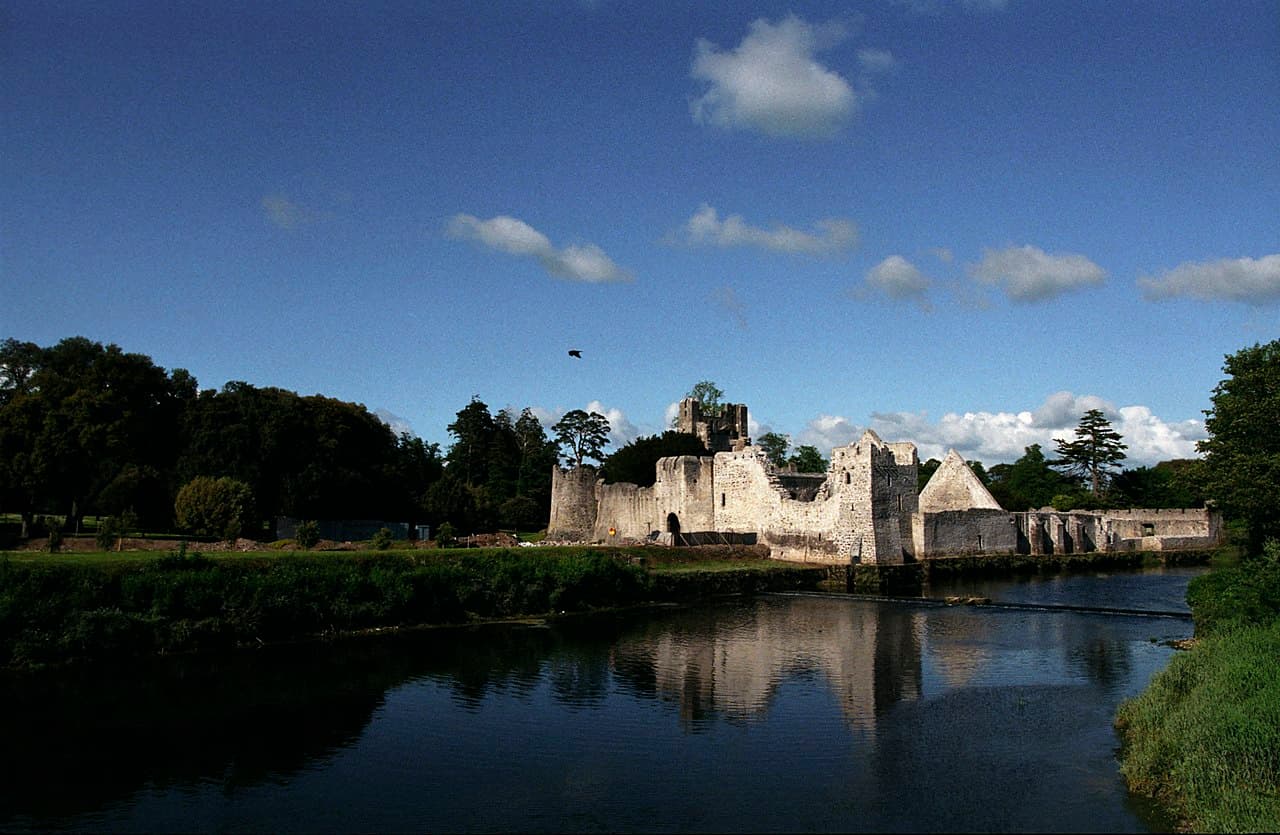
The River Shannon is the standout specimen producer in the ISFC dataset by a wide margin, well ahead of the River Suck, River Barrow, and River Bann. Several individual beats — a stretch of the Suck at Ballyforan among them — appear as their own entries in the data, pointing to specific, well-known local pike marks rather than a simple system-wide pattern. Taken together, the data shows river pike fishing carrying at least as much weight in Ireland's specimen record as the country's famous still-water pike loughs.
See every fishing.ie venue for pike — ISFC-ranked or not — in the full directory below.
Size and Specimens
Ireland tracks pike specimens separately for still water and running water because the two genuinely produce different sizes of fish — lake-caught pike tend to run larger on average, so the qualifying specimen weight is set higher than for river pike.
Based on ISFC specimen and threshold records — reflects where anglers fish and submit claims, not necessarily where the species is most abundant.
How to Catch Pike
Dead-baiting — mackerel, herring, or smelt fished static on a leger or under a float — is the mainstay of winter pike fishing on Ireland's big loughs, when big females are feeding deep and deliberately rather than chasing.
Lure fishing with spinnerbaits, jerkbaits, and soft plastics works year-round and comes into its own in warmer months, when pike are more mobile and will chase a moving target.
A wire or heavy fluorocarbon trace is essential regardless of method — pike's teeth will cut straight through ordinary line.
Given the size and dental equipment involved, proper unhooking kit — forceps, long-nosed pliers, wire cutters, and an unhooking mat — should always be carried, along with a weigh sling to handle and release big fish safely rather than lifting by the jaw or gills.
Rules and Conservation
Pike fishing in Ireland is governed by a national pike conservation bye-law: anglers may retain a bag limit of one pike per day, and any pike measuring over 50cm must be returned alive to the water it was caught in, regardless of the daily bag limit. In practice this makes catch-and-release the default for anything beyond a single, modest-sized fish.
No state rod licence is required for pike fishing in the Republic. The national bag limit (one per day) and mandatory release of pike over 50cm apply nationally. Some individual salmonid fisheries carry additional local pike-management rules where predation on trout or salmon stocks is a specific concern — check local bye-laws or club rules before fishing an unfamiliar water.
A DAERA coarse rod licence is required for anyone aged 12 or over fishing for pike in Northern Ireland. Local bag limits and catch-and-release policies can vary by water, so it's worth checking with DAERA or the relevant fishery before fishing.
Pike Venues in Ireland
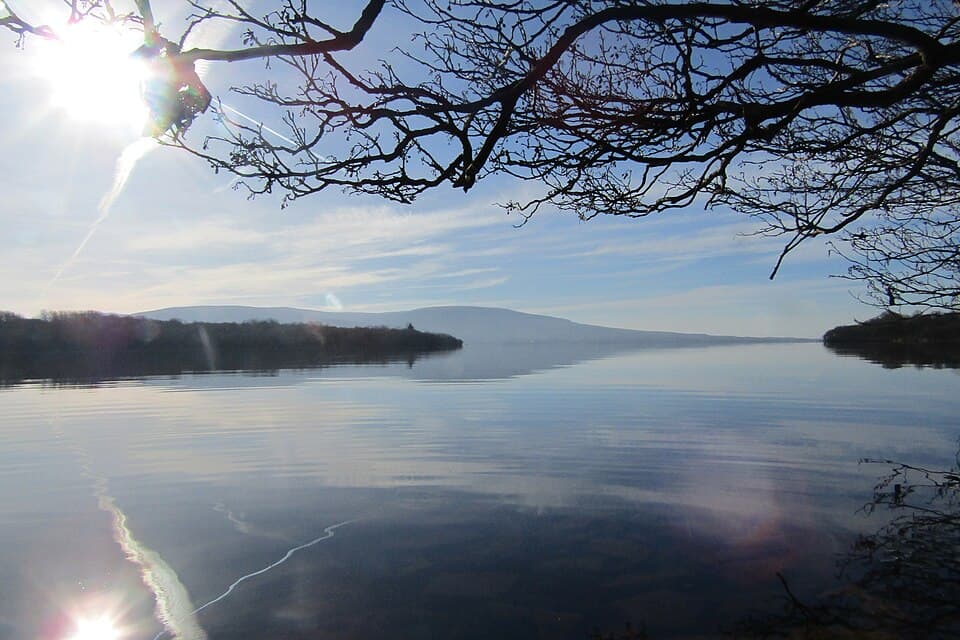
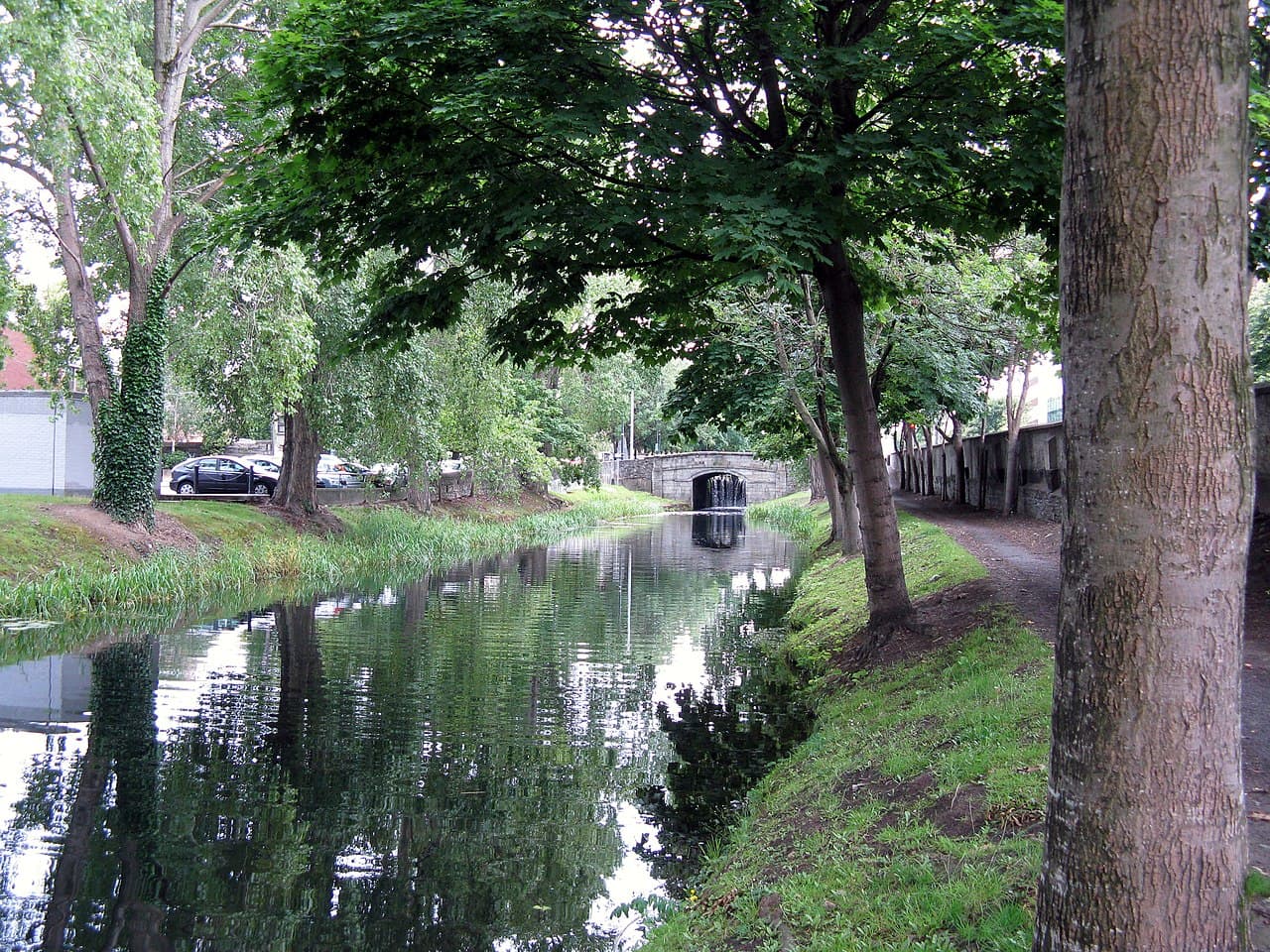
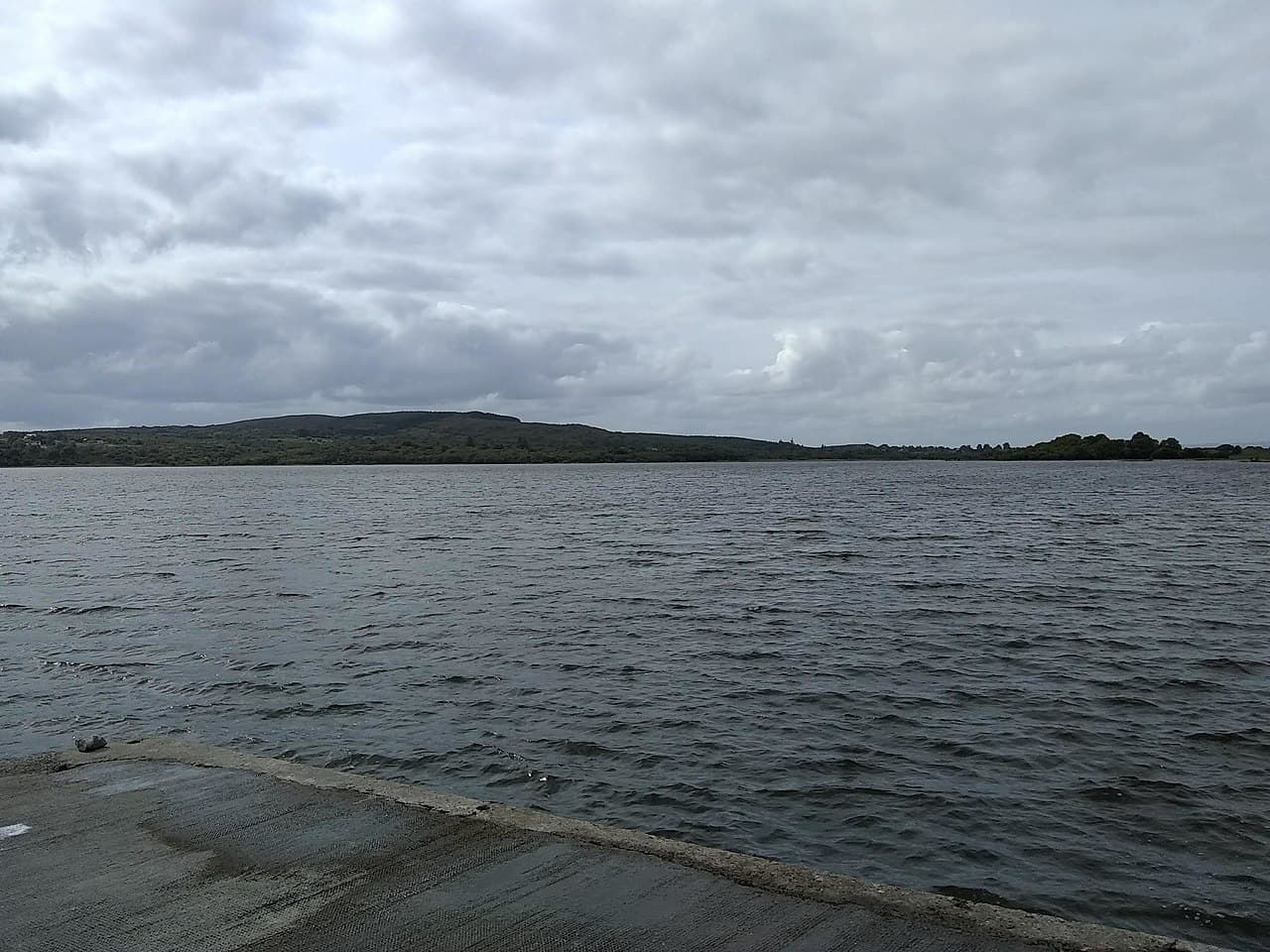
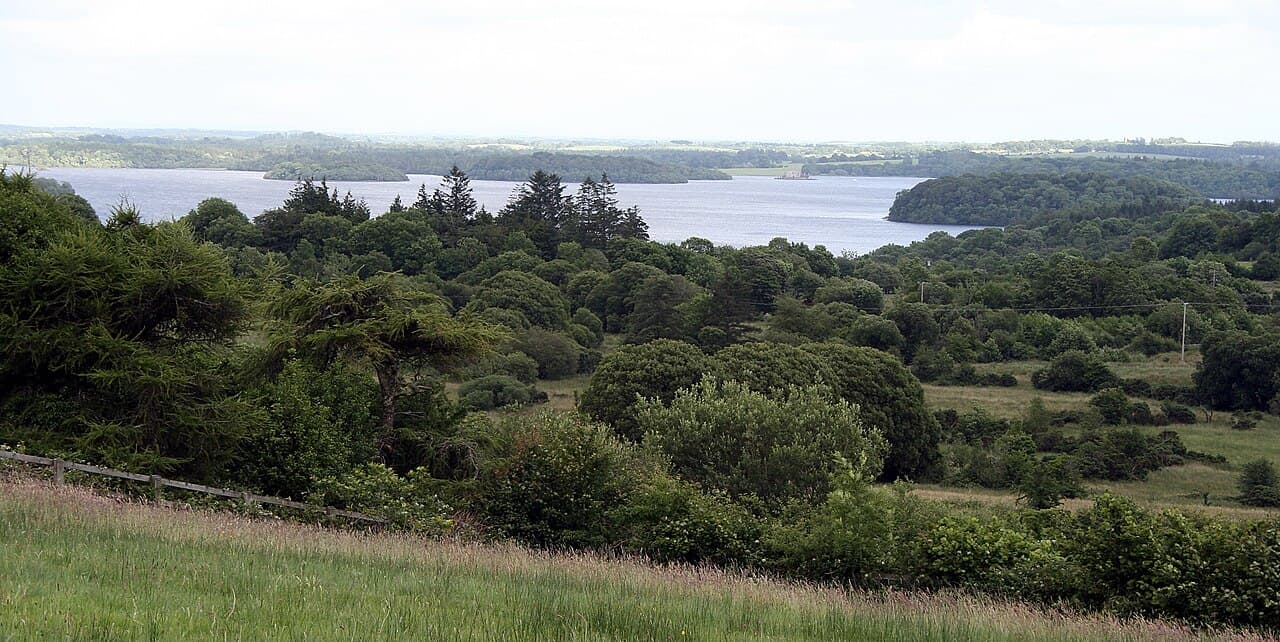
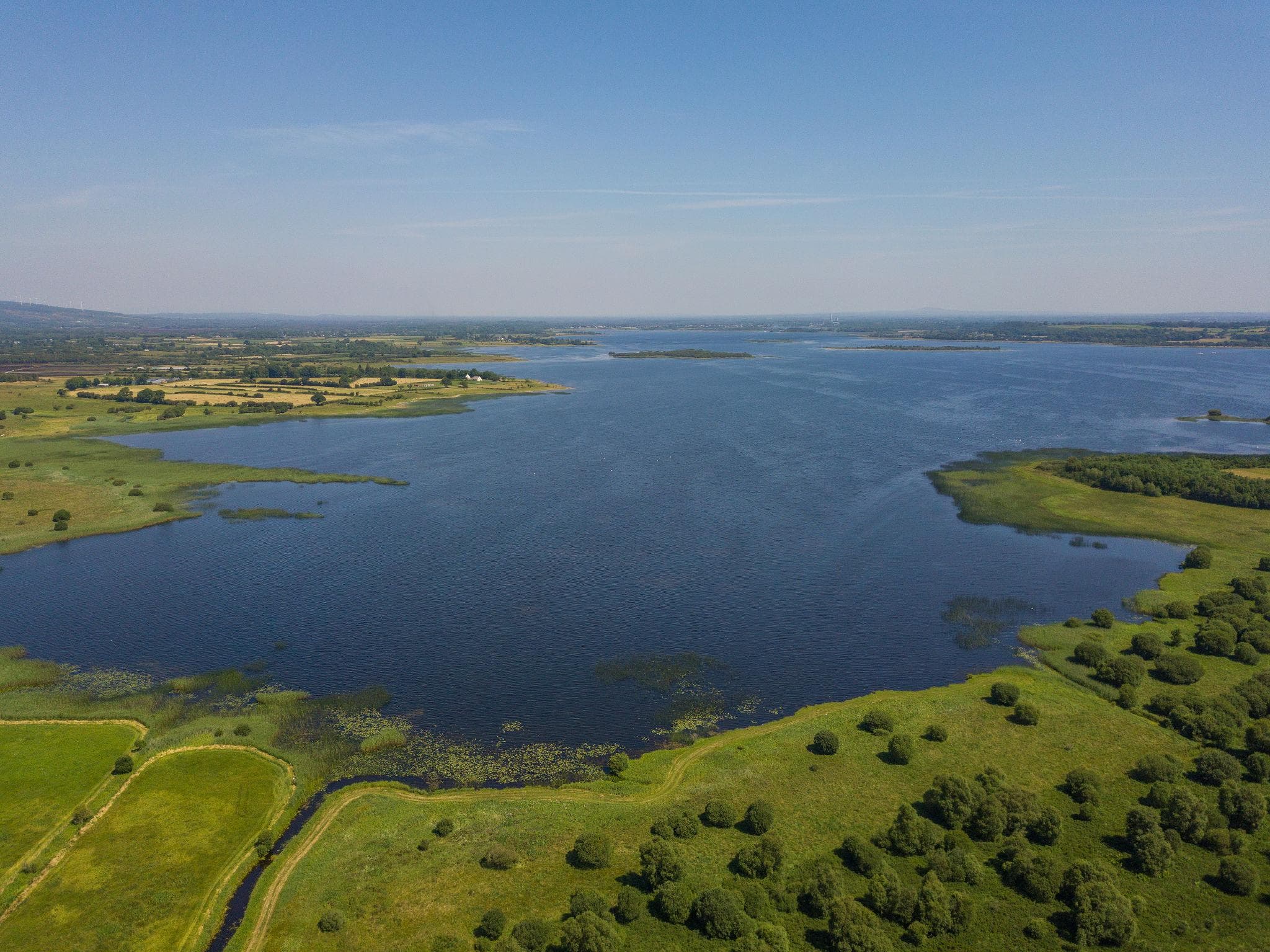
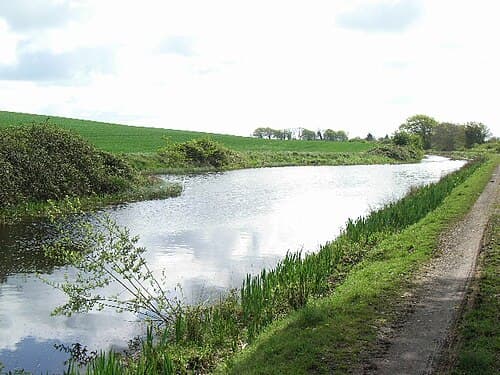
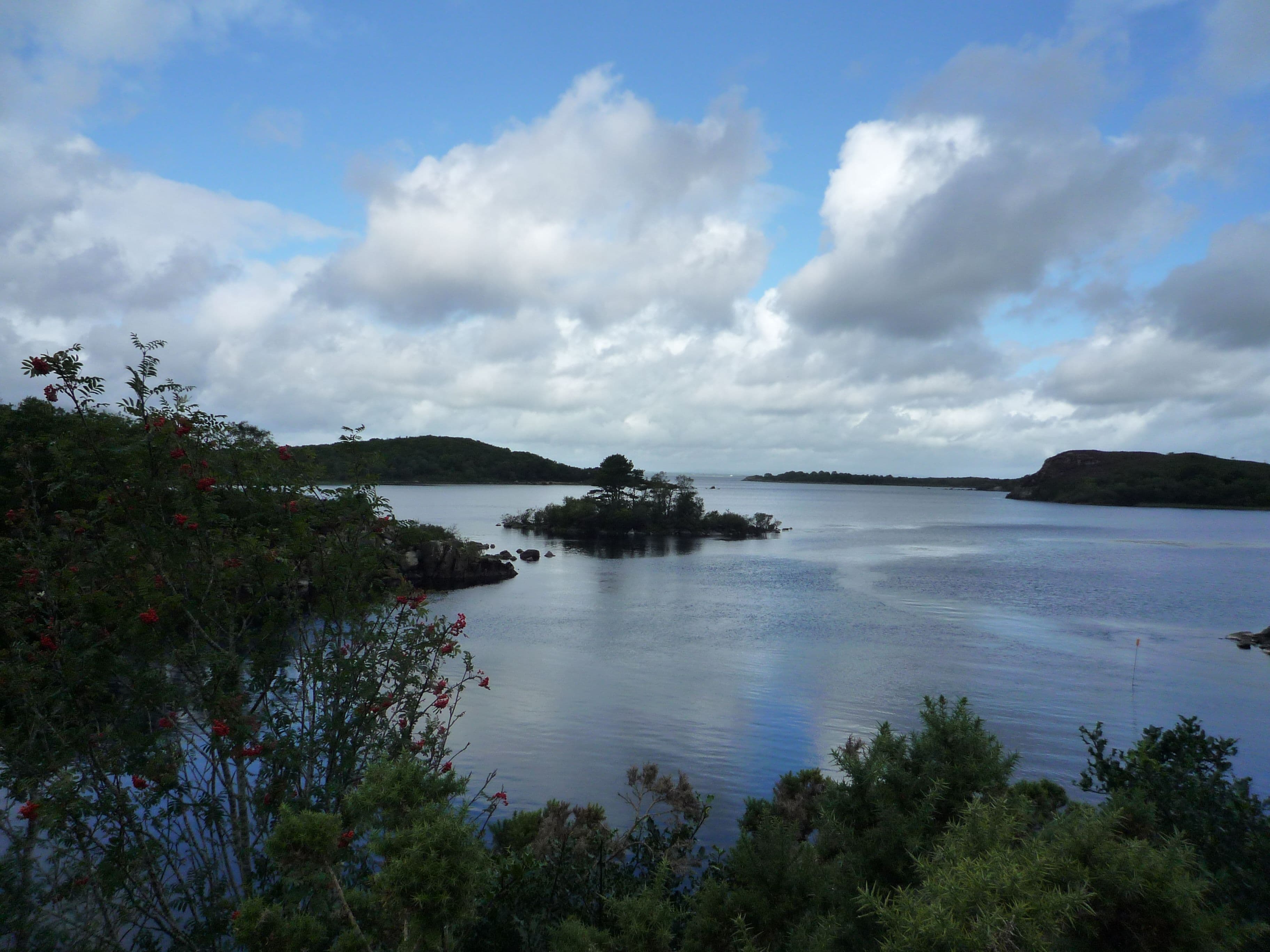
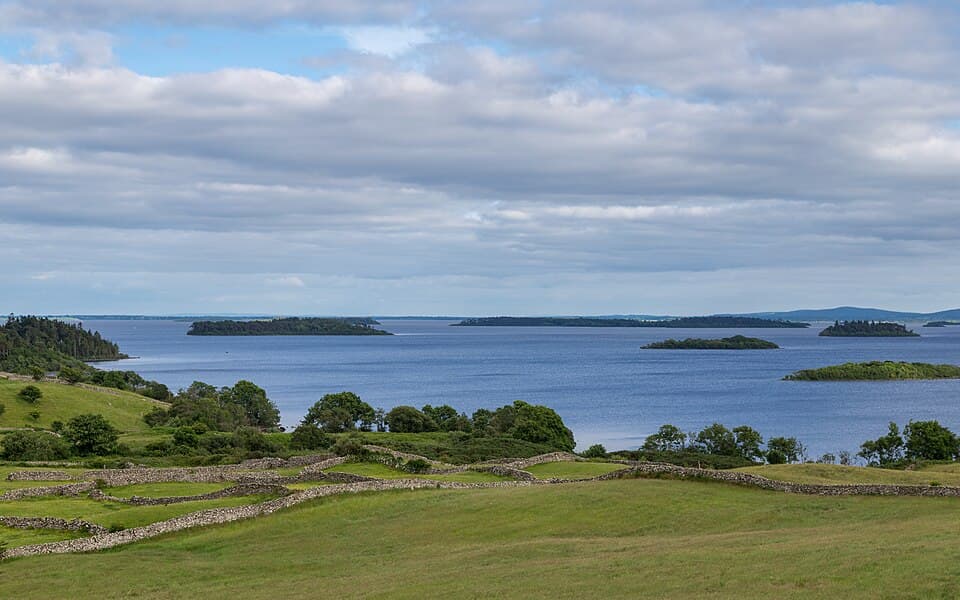
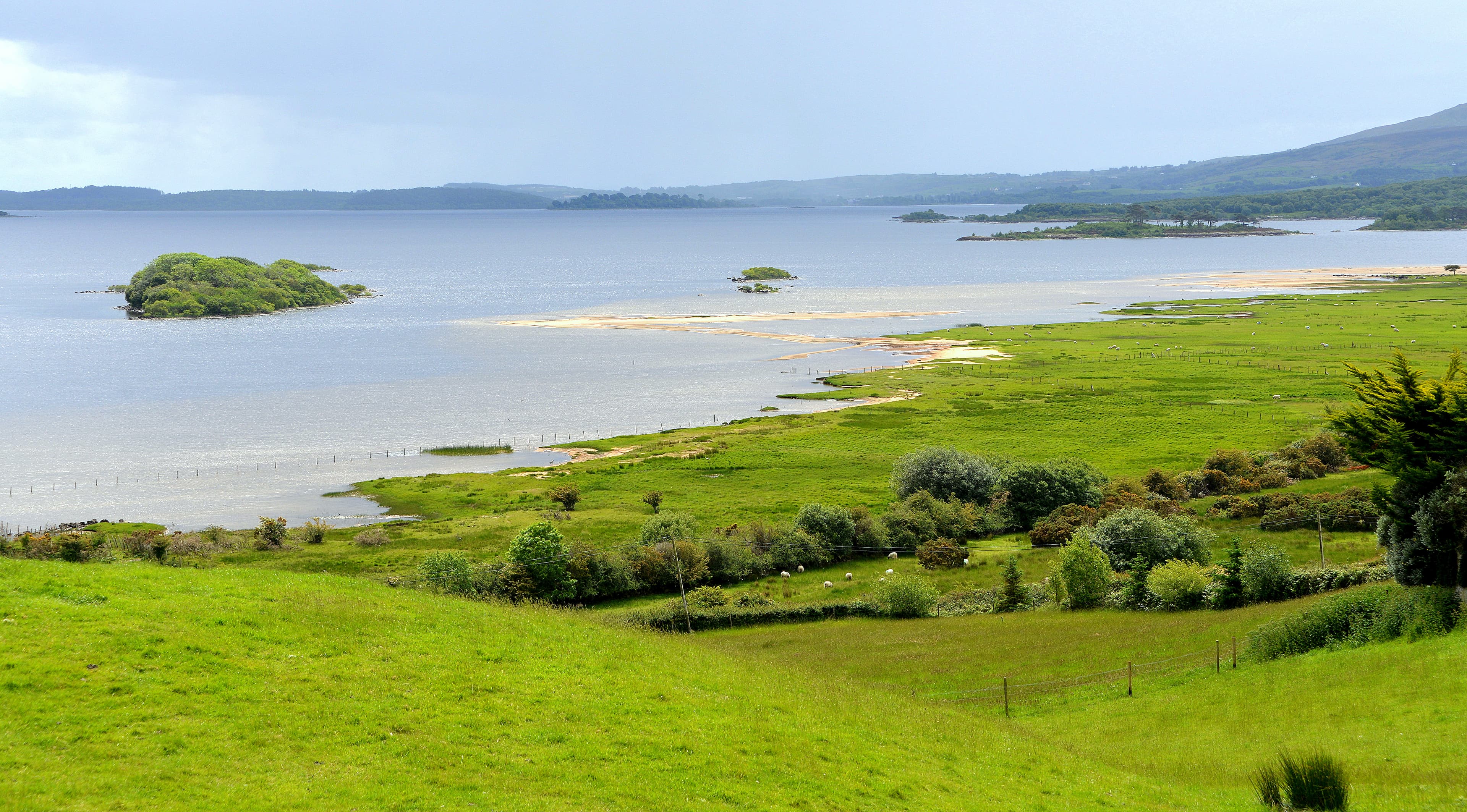
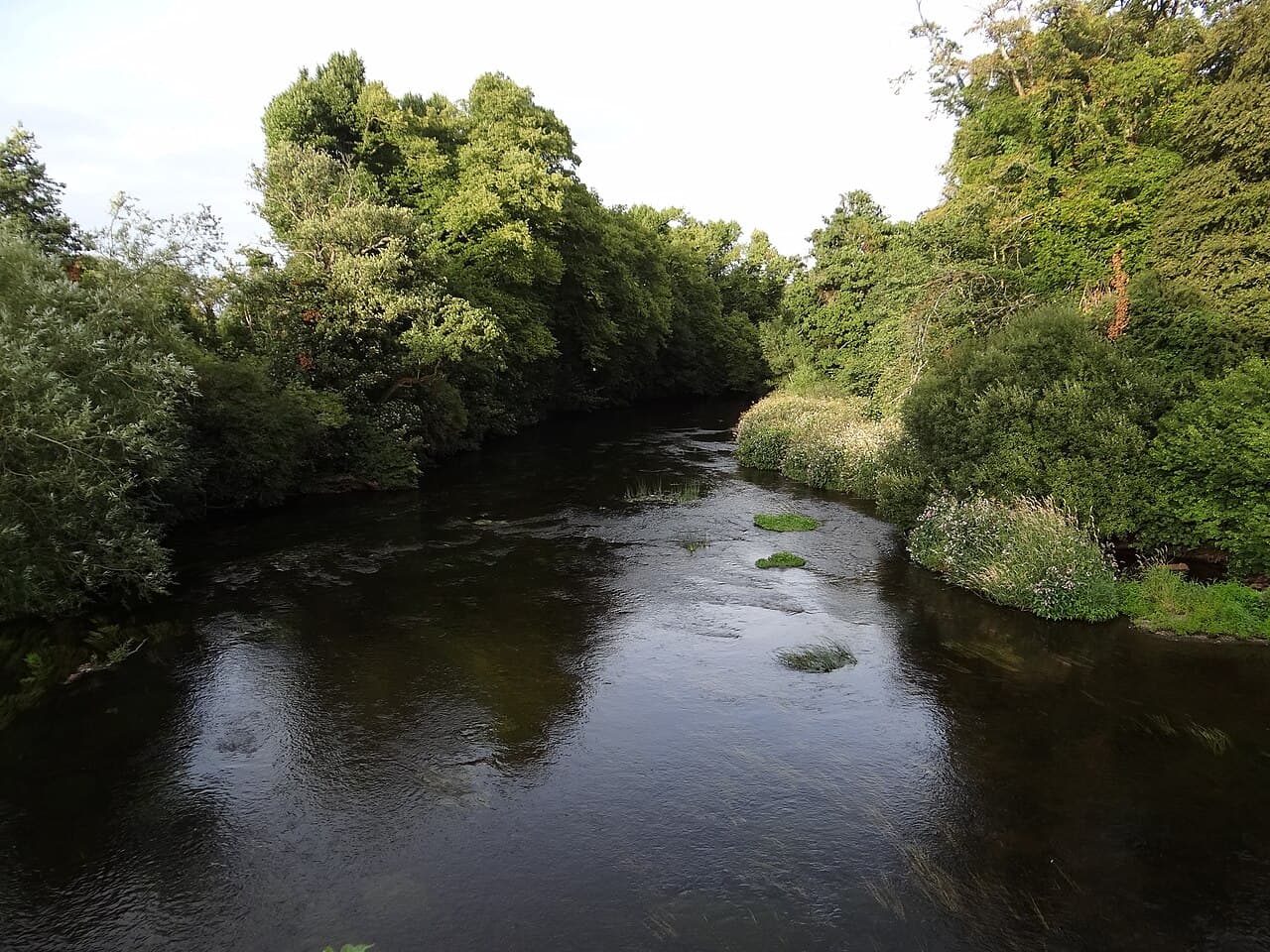
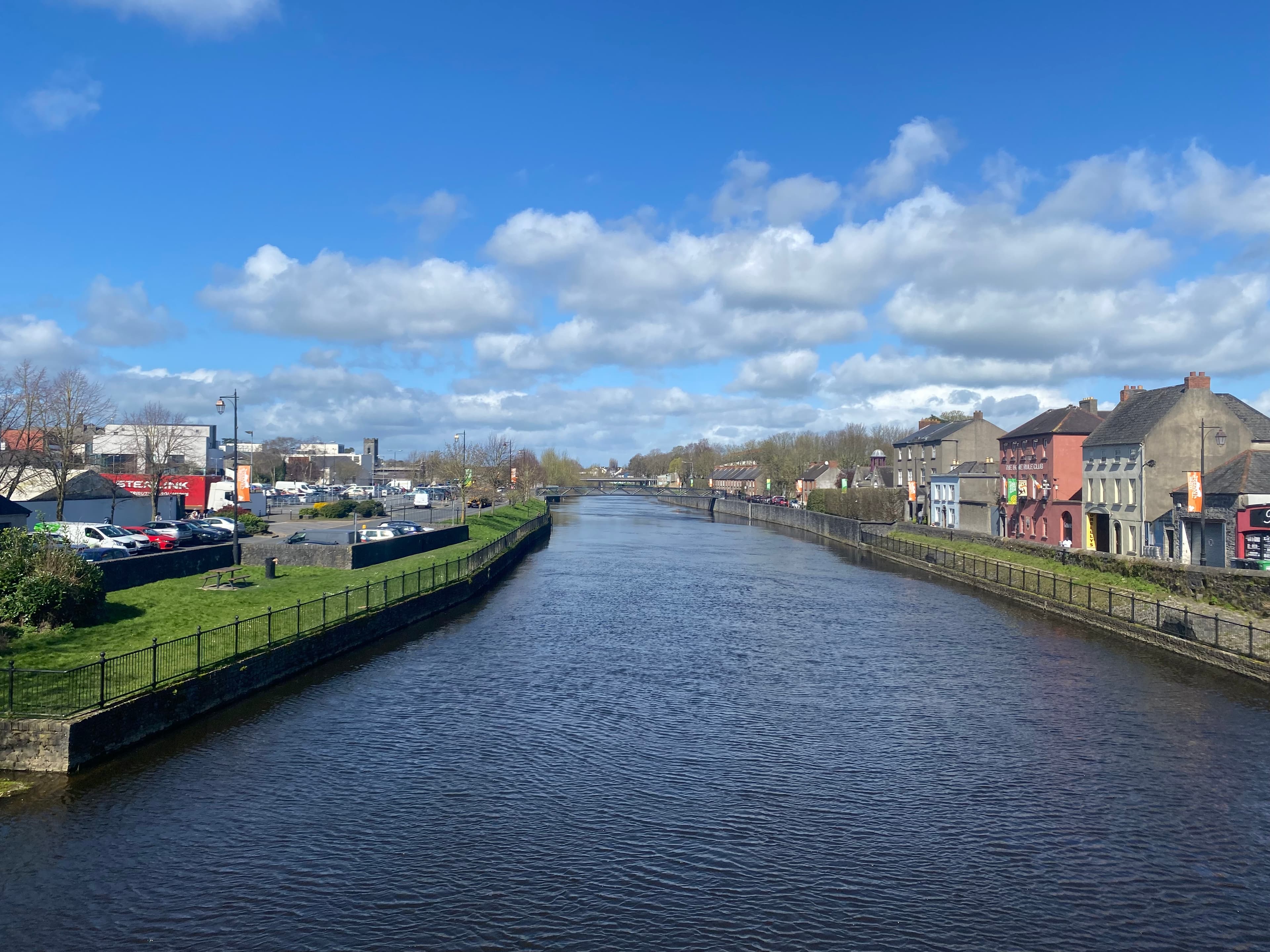
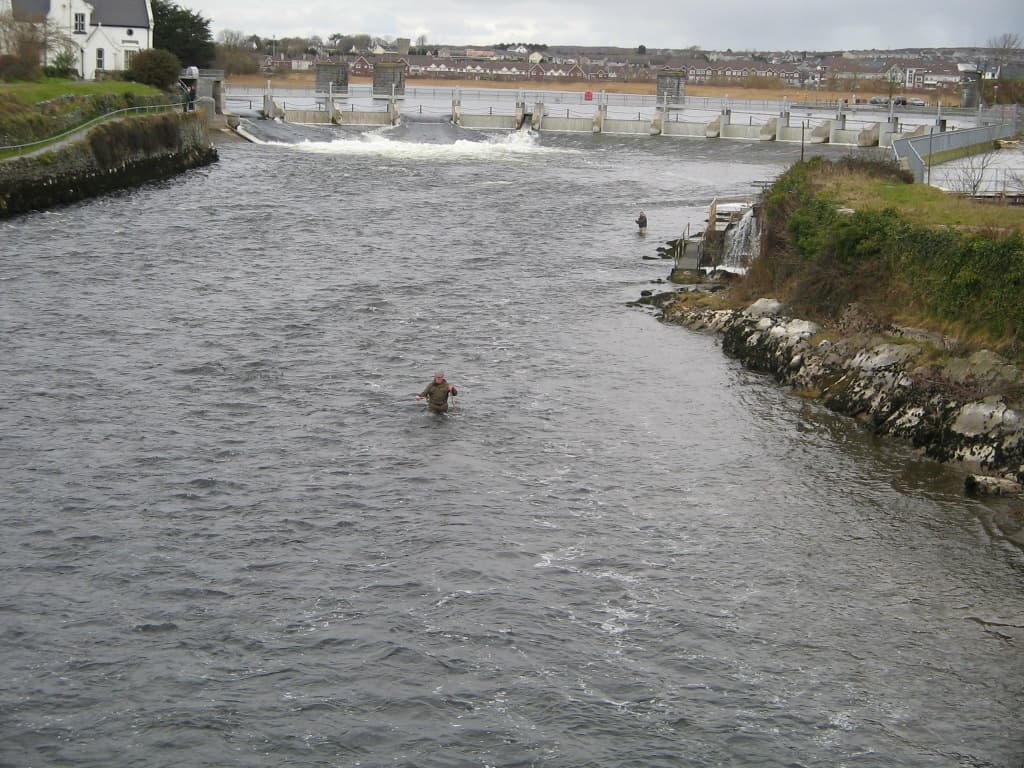
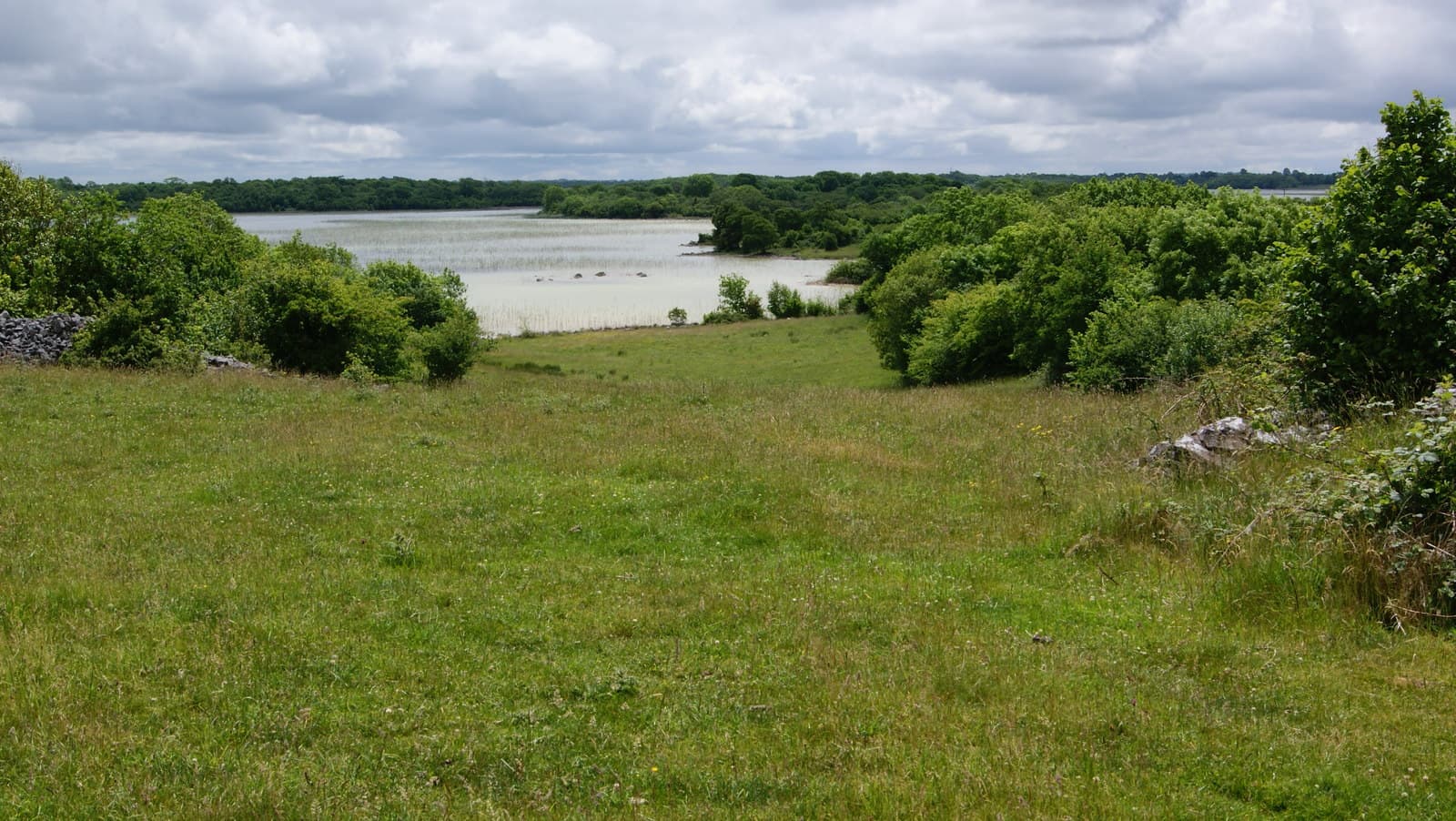
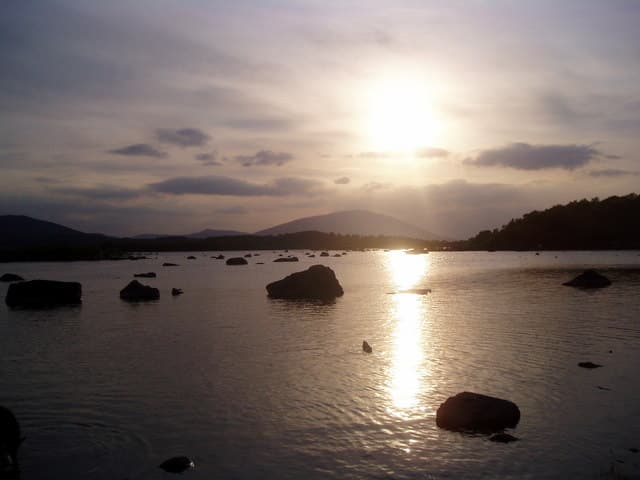
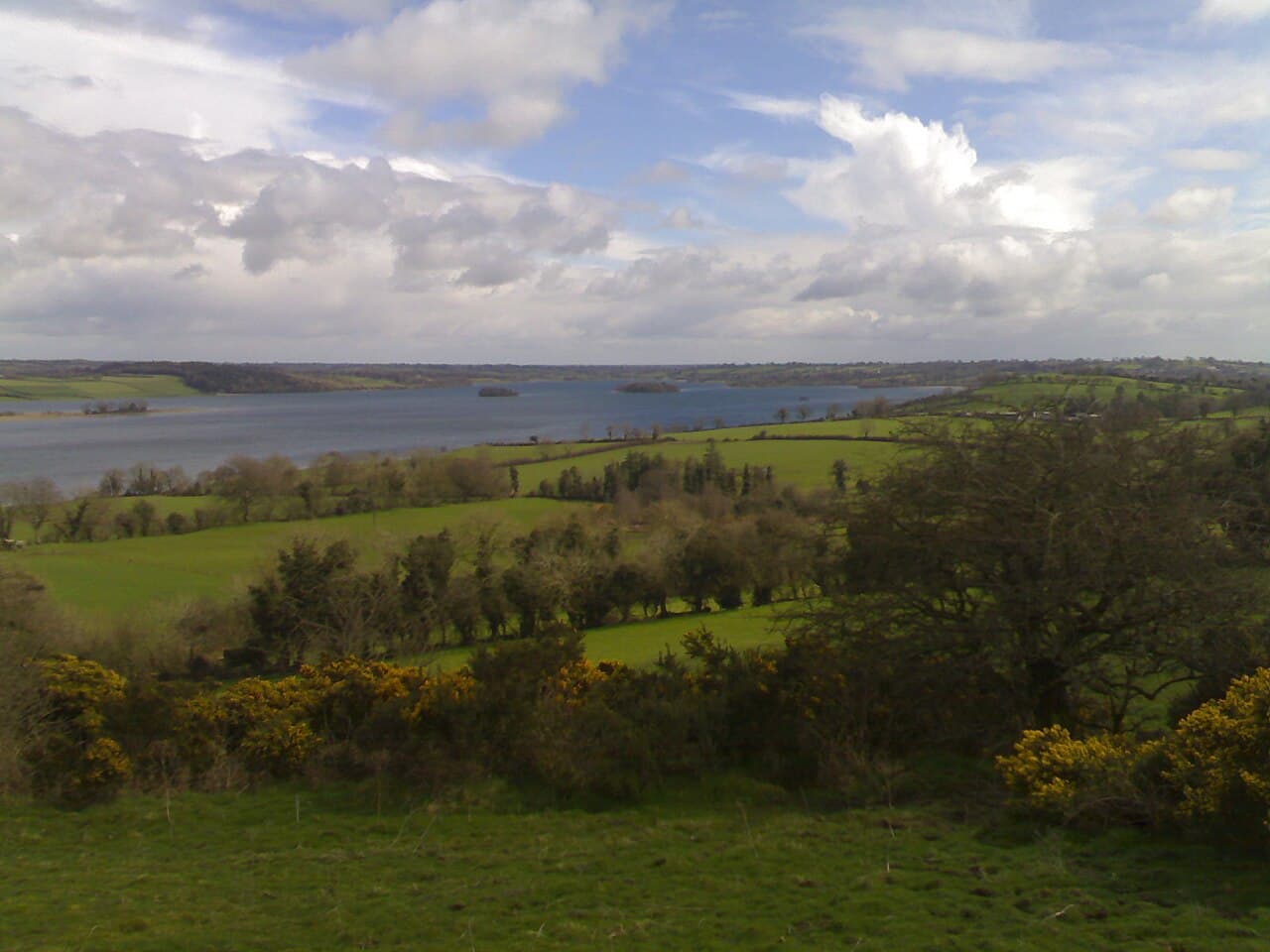
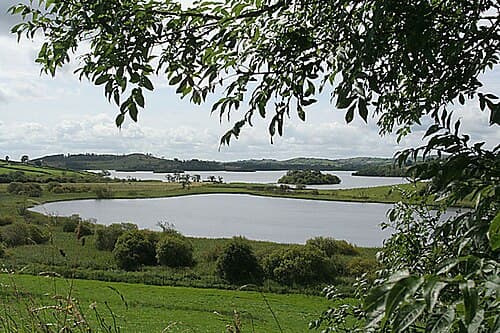
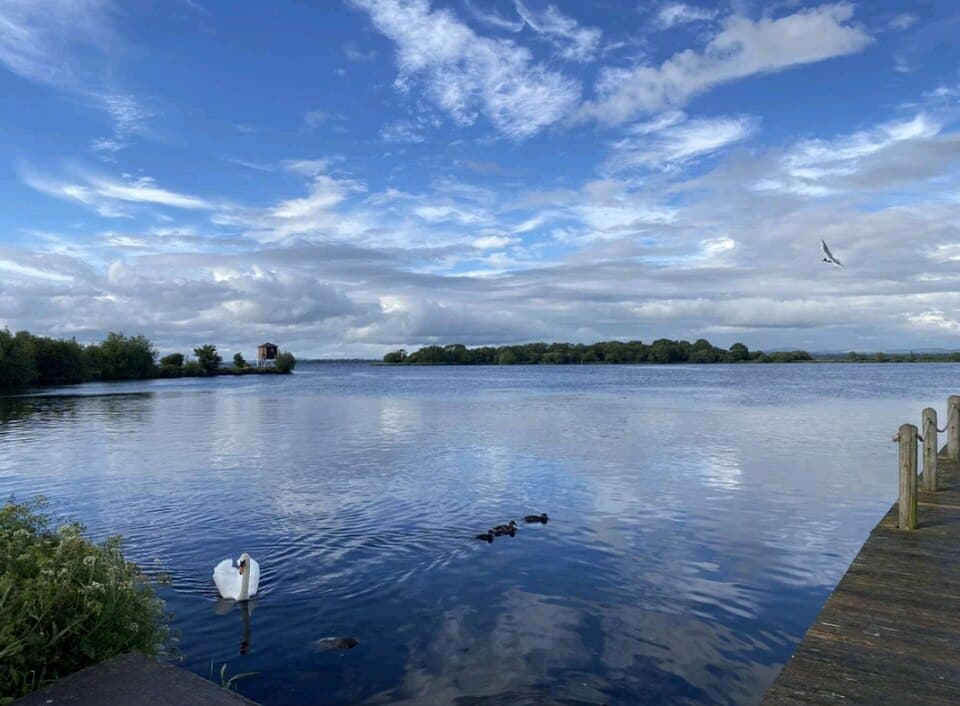
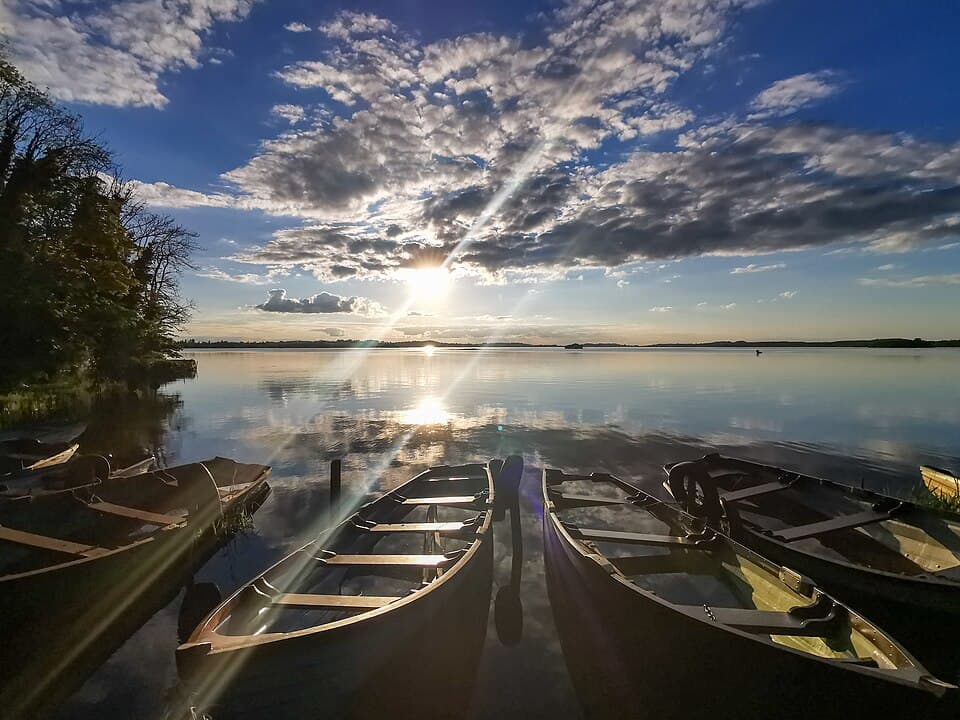
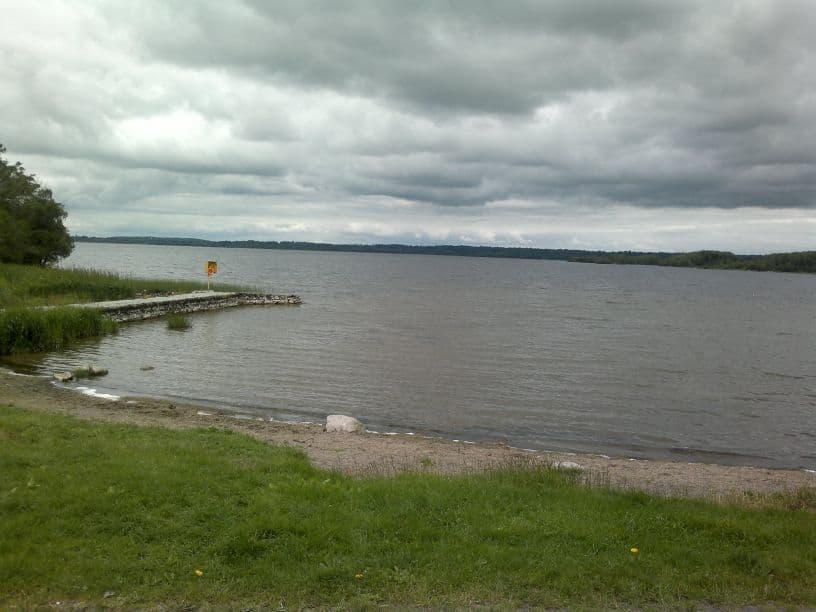
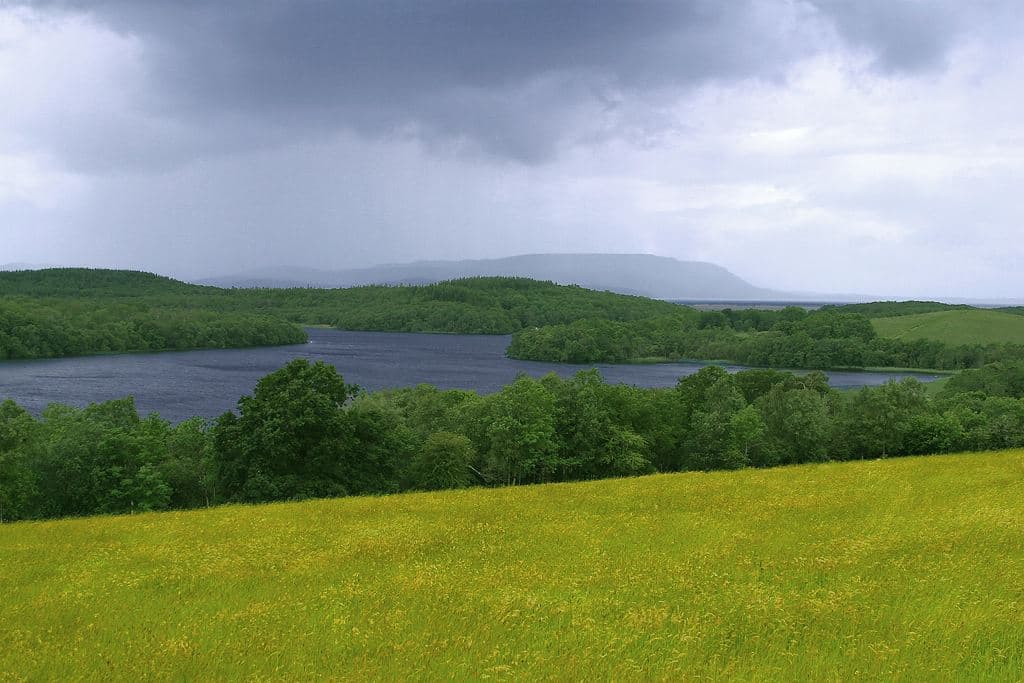
35 more waters with ISFC specimens (not yet on fishing.ie)
Frequently Asked Questions
What's the pike bag limit in Ireland?
One pike per angler per day under the national pike conservation bye-law, with any pike over 50cm required to be returned alive regardless of that limit.
What's the difference between the Lake and River pike specimen thresholds?
Lake-caught pike run larger on average than river pike, so the ISFC sets a higher qualifying weight for still-water specimens than for river specimens.
When's the best time of year for pike?
Winter, especially January, when large females feed hard in cold water ahead of the spring spawn. Lure fishing picks up again as the water warms.
Do I need a licence for pike fishing?
No state licence is required in the Republic. A DAERA coarse rod licence is required in Northern Ireland.